
Table of Contents
Recommended Reading

Big Potential: How Transforming the Pursuit of Success Raises Our Achievement, Happiness, and Well-Being
Shawn Achor
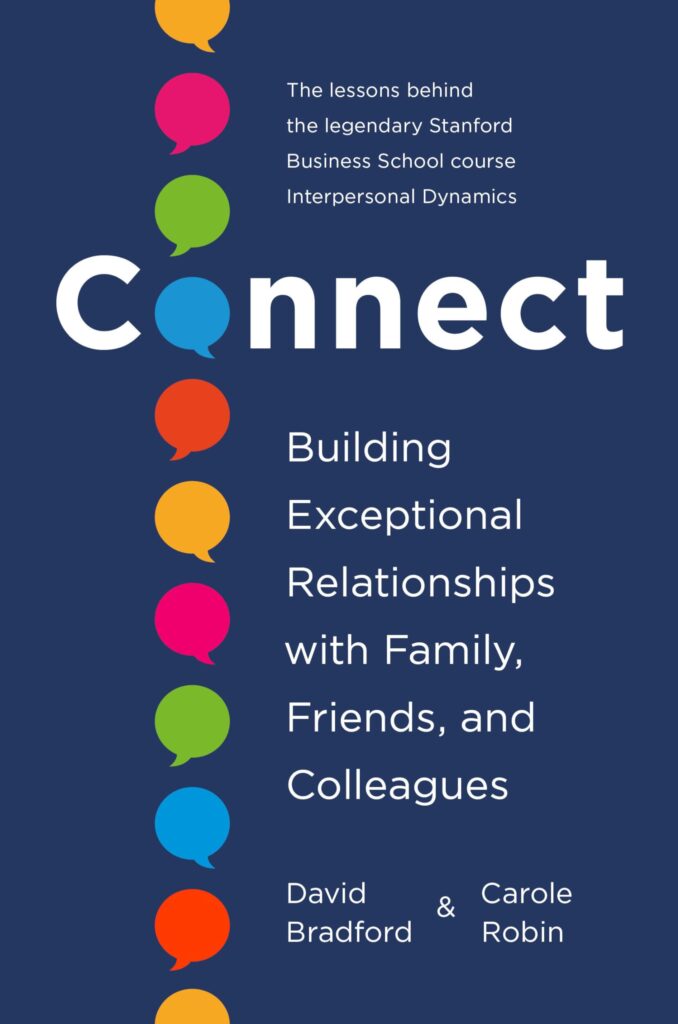
Connect: Building Exceptional Relationships with Family, Friends, and Colleagues
David Bradford and Carole Robin

Curious?: Discover the Missing Ingredient to a Fulfilling Life
Todd Kashdan

Evocative Objects: Things We Think With
Sherry Turkle
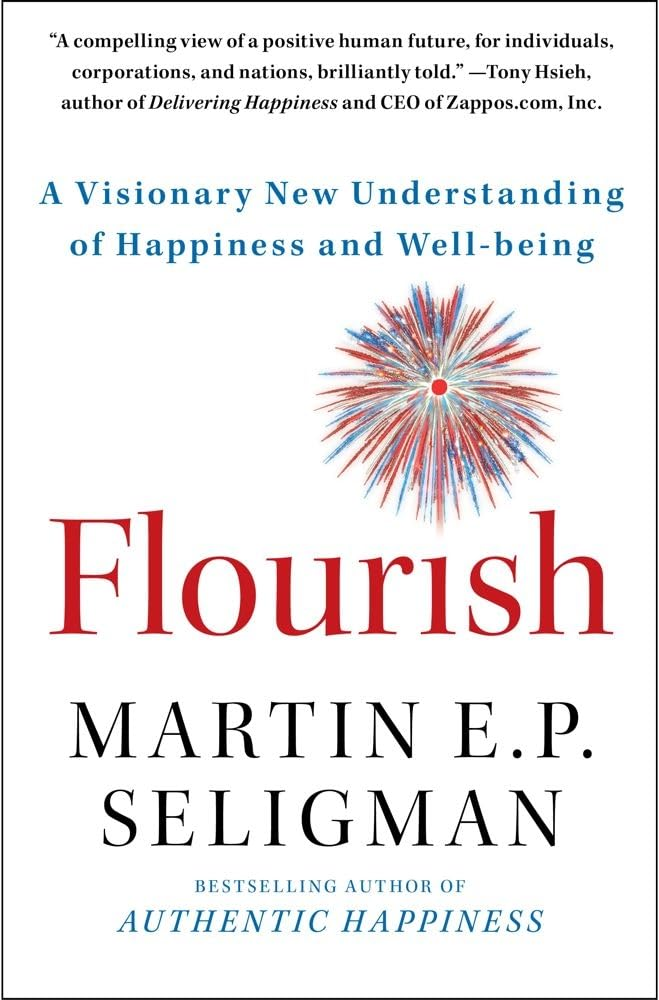
Flourish: A Visionary New Understanding of Happiness and Well-being
Martin Seligman
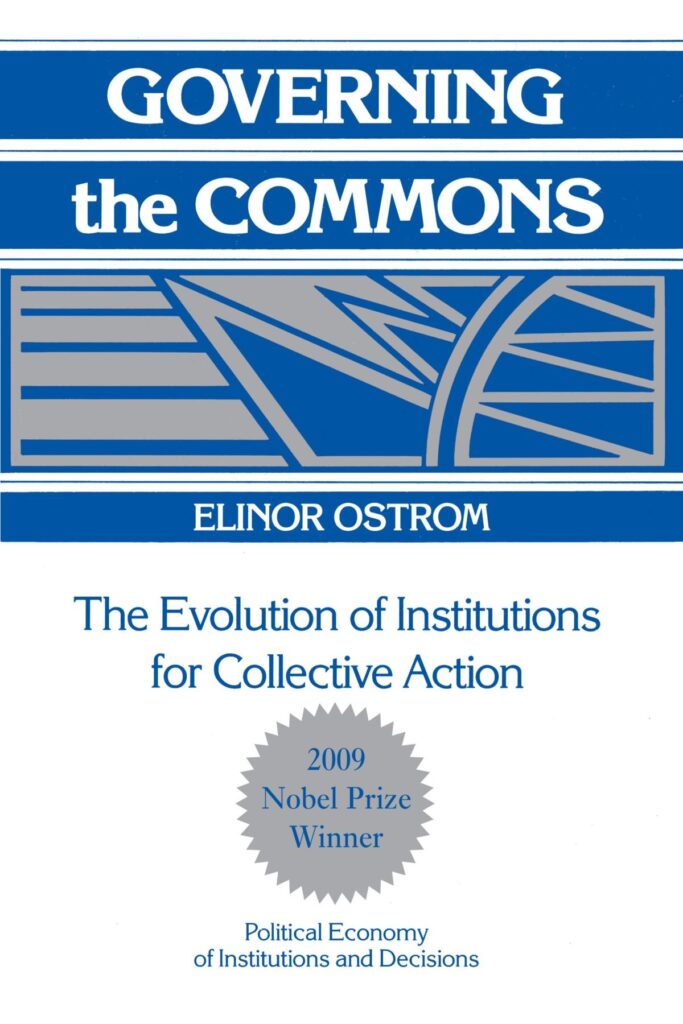
Governing the Commons: The Evolution of Institutions for Collective Action
Elinor Ostrom
Experiences
Explore these courses, trainings, and guides created by others to help you connect more deeply.










Research Article Database
| Link | DOI | All Authors | Year | Month | Day | Title | Journal | Volume | Issue | Pages or e# | Abstract |
|---|---|---|---|---|---|---|---|---|---|---|---|
| doi.org/10.1111/j.1467-6494.1954.tb01136.x | 10.1111/j.1467-6494.1954.tb01136.x | A. H. Maslow | 1954 | 3 | The Instinctoid Nature of Basic Needs1 | Journal of Personality | 22 | 3 | 326-347 | ||
| doi.org/10.1146/annurev.psych.49.1.345 | 10.1146/annurev.psych.49.1.345 | A. Sullivan Palincsar | 1998 | 2 | SOCIAL CONSTRUCTIVIST PERSPECTIVES ON TEACHING AND LEARNING | Annual Review of Psychology | 49 | 1 | 345-375 | Social constructivist perspectives focus on the interdependence of social and individual processes in the co-construction of knowledge. After the impetus for understanding the influence of social and cultural factors on cognition is reviewed, mechanisms hypothesized to account for learning from this perspective are identified, drawing from Piagetian and Vygotskian accounts. The empirical research reviewed illustrates (a) the application of institutional analyses to investigate schooling as a cultural process, (b) the application of interpersonal analyses to examine how interactions promote cognition and learning, and (c) discursive analyses examining and manipulating the patterns and opportunities in instructional conversation. The review concludes with a discussion of the application of this perspective to selected contemporary issues, including: acquiring expertise across domains, assessment, educational equity, and educational reform. | |
| doi.org/10.1177/08295735211053961 | 10.1177/08295735211053961 | Aamena Kapasi, Jacqueline Pei | 2022 | 3 | Mindset Theory and School Psychology | Canadian Journal of School Psychology | 37 | 1 | 57-74 | Mindset theory is an achievement motivation theory that centers on the concept of the malleability of abilities. According to mindset theory, students tend to have either a growth mindset or a fixed mindset about their intelligence; students with a growth mindset tend to believe that intelligence is malleable, whereas students with fixed mindsets tend to believe that intelligence is unchangeable. As described in many empirical and theoretical papers, the mindset a student holds can influence important psychological and behavioral factors, including reaction to failure, persistence and level of effort, and expectations of success, which ultimately impact academic achievement. Importantly, mindsets can be changed, and interventions have been developed to promote a more growth mindset. A growth mindset allows students to view challenges as an opportunity for improvement, is linked to enjoyment of learning, and increases motivation in school. School psychologists are often working with students with learning differences and/or mental health concerns who are particularly at-risk for poor academic achievement, and researchers have demonstrated the important impact a growth mindset can have for these vulnerable students. School psychologists are well-positioned to incorporate mindset theory into the school environment in order to best support the students they serve. In this paper we provide a theoretical overview of mindset theory and mindset interventions, and specifically review the literature on mindset theory for individuals with learning disabilities and mental health challenges. We discuss how school psychologists can incorporate mindset theory into their practice to support the shift from a fixed to a growth mindset for all students. | |
| doi.org/10.1007/s12115-023-00913-1 | 10.1007/s12115-023-00913-1 | Abdul-Salam Ibrahim, Mohammed Abubakari, Thembela Kepe | 2023 | 12 | Land as Common Property: The Fit of Land Governance with Ostrom’s Design Principles | Society | 60 | 6 | 994-1008 | Ostrom’s design principles have been widely recognized in sustaining commons governance. However, studies focusing on the assessment of the design principles in land governance are limited, especially in Africa. Focusing on Ghana, this study examines the fit of the local land governance structure with the design principles, using four case study areas with operational Land Management Committees (LMCs). Through in-depth interviews with local land governance stakeholders, the findings show that the existing legal and institutional frameworks for land governance in Ghana fit the Ostrom design principles. However, operational challenges such as undocumented customary land boundaries, absence of graduated sanctions, restricted proportional equivalence, and collective choice in some areas, as well as limited platforms for horizontal cooperation among the LMCs, threaten the sustainability of some land management regimes. The strong social capital in the study areas makes the existing weak sanctioning regime imperceptible. We argue that land as a common property resource when managed within the framework of the Ostrom design principles could enhance sustainability of both the management regimes and the resource system. | |
| doi.org/10.1007/s11205-007-9194-3 | 10.1007/s11205-007-9194-3 | Adam Shapiro, Corey Lee M. Keyes | 2007 | 10 | 25 | Marital Status and Social Well-Being: Are the Married Always Better Off? | Social Indicators Research | 88 | 329–346 | The positive link between marriage and physical and psychological well-being is well established, but whether marriage is associated with social well-being is not. Using nationally representative data from the MIDUS study (N = 3,032), the present study examines the degree to which there are marital status differences in perceived social well-being, to what extent marital histories affect perceived social well-being, and the degree to which findings vary between social well-being and psychological well-being outcomes. We find that married persons do not have a decisive social well-being advantage over unmarried persons. However, married persons do have a significant social well-being advantage over non-married cohabitors. Additionally, marital history matters little to the perceived social well-being of our respondents. Comparisons with psychological well-being measures indicate substantial differences in the effect of marital status on individual-level well-being. | |
| doi.org/10.1086/694258 | 10.1086/694258 | Adam J. Berinsky | 2018 | 1 | Telling the Truth about Believing the Lies? Evidence for the Limited Prevalence of Expressive Survey Responding | The Journal of Politics | 80 | 1 | 211-224 | Large numbers of Americans endorse political rumors on surveys. But do they truly believe what they say? In this paper, I assess the extent to which subscription to political rumors represents genuine beliefs as opposed to expressive responses—rumor endorsements designed to express opposition to politicians and policies rather than genuine belief in false information. I ran several experiments, each designed to reduce expressive responding on two topics: among Republicans on the question of whether Barack Obama is a Muslim and among Democrats on whether members of the federal government had advance knowledge about 9/11. The null results of all experiments lead to the same conclusion: the incidence of expressive responding is very small, though somewhat larger for Democrats than Republicans. These results suggest that survey responses serve as a window into the underlying beliefs and true preferences of the mass public. | |
| doi.org/10.1007/s42113-023-00186-1 | 10.1007/s42113-023-00186-1 | Adele Diederich | 2024 | 3 | A Dynamic Dual Process Model for Binary Choices: Serial Versus Parallel Architecture | Computational Brain & Behavior | 7 | 1 | 37-64 | Dual process theories have become increasingly popular in psychology, behavioral economics, and neuroscience, assuming that two processes, here generically labeled as System 1 and System 2, have antagonistic characteristics such as automatic versus deliberate, impulsive versus rational, fast versus slow, and more. In decision-making a choice results from an interplay of these two systems. However, most existent dual-process approaches are merely verbal descriptions without providing the means of rigorous testing. The prescribed dynamic dual process model framework is based on stochastic processes and produces testable qualitative and quantitative predictions. In particular, it makes precise predictions regarding choice probability, response time distributions, and the interrelation between these quantities. The focus of the present paper is on the architecture of the two postulated systems: serial versus parallel processing. Using simulation studies, I illustrate how different factors (timing of System 1, time constraint, and architecture) influence model predictions for binary choice situations. The serial and 6 parallel processing versions of the framework are fitted to published data. | |
| doi.org/10.1044/2020_LSHSS-20-00134 | 10.1044/2020_LSHSS-20-00134 | Adele K. Wallis, Marleen F. Westerveld, Allison M. Waters, Pamela C. Snow | 2021 | 4 | 20 | Investigating Adolescent Discourse in Critical Thinking: Monologic Responses to Stories Containing a Moral Dilemma | Language, Speech, and Hearing Services in Schools | 52 | 2 | 630-643 | Purpose: The adolescent developmental task of establishing autonomy from parents is supported through various aspects of executive functioning, including critical thinking. Our aim was to investigate younger and older adolescent language performance in form, content, and use in response to a moral dilemma task. Method: Forty-four typically developing adolescents completed a language sampling task, responding to stories that contained a moral dilemma for one of the characters. Two age groups participated: younger adolescents (n= 24, 12;2–13;11 [years;months]) and older adolescents (n= 20, 16;1–17;11). Participants produced a monologue in response to an open-ended question prompt. Responses were transcribed and analyzed for discourse production on measures of form (verbal productivity and syntactic complexity) and content (semantic diversity and word percentages in three semantic domains: affective, social, and cognitive). Language use was evaluated using a coding system based on Bloom's revised taxonomy of thinking. Results: There were no significant group differences in performance on measures of syntactic complexity and semantic diversity. Significant differences were found in adolescents' language using Bloom's revised taxonomy. The younger adolescents demonstrated a significantly higher proportion of utterances at Level 1 (remembering and understanding) compared to older adolescents, while the older age group produced a higher proportion at Level 3 (evaluating and creating). Conclusions: The moral dilemma task was effective in demonstrating the growth of adolescent language skills in use of language for critical thinking. The results highlight the clinical utility of the moral dilemma task in engaging adolescents in discourse involving critical thinking, whereas the associated coding scheme, based on Bloom's revised taxonomy of thinking, may differentiate levels of critical thinking and provide direction for intervention. |
| doi.org/10.1007/s10551-013-1965-y | 10.1007/s10551-013-1965-y | Adenekan Dedeke | 2015 | 2 | A Cognitive–Intuitionist Model of Moral Judgment | Journal of Business Ethics | 126 | 3 | 437-457 | The study of moral decision-making presents to us two approaches for understanding such choices. The cognitive and the neurocognitive approaches postulate that reason and reasoning determines moral judgments. On the other hand, the intuitionist approaches postulate that automated intuitions mostly dominate moral judgments. There is a growing concern that neither of these approaches by itself captures all the key aspects of moral judgments. This paper draws on models from neurocognitive research and social-intuitionist research areas to propose an integrative cognitive–intuitive model of moral decision-making. The model suggests that moral decision-making includes five interdependent, yet functionally distinct steps, issue framing, pre-processing, moral judgment, moral reflection, and moral intent. The model proposes a cognitive–intuitive view of moral judgment and it describes how emotion regulation, perceived moral intensity, and perceived ethical climate constructs impact the formation of moral intent. The paper discusses the theories that link emotions to moral judgment and implications of the model for future research and its implication for managers. | |
| doi.org/10.1177/2167702614548317 | 10.1177/2167702614548317 | Adriana Sum Miu, David Scott Yeager | 2015 | 9 | Preventing Symptoms of Depression by Teaching Adolescents That People Can Change | Clinical Psychological Science | 3 | 5 | 726-743 | The transition to high school coincides with an increase in the prevalence of depressive symptoms. Could this be due in part to increasing beliefs about the fixedness of personal traits at a time of frequent social setbacks? And could teaching adolescents that people can change help prevent the increase in depressive symptoms? A longitudinal intervention experiment involved three independent samples of students entering high school ( N = 599). A brief self-administered reading and writing activity taught an incremental theory of personality—the belief that people’s socially relevant characteristics have the potential to change. The intervention reduced the incidence of clinically significant levels of self-reported depressive symptoms 9 months postintervention by nearly 40% among adolescents assigned to the intervention condition, compared with control participants. Analyses of symptom clusters, measures of self-esteem, and measures of natural language use explored the outcomes that did and did not show treatment effects. Moderation analyses confirmed theoretical expectations. Among adolescents assigned to the control condition, those who endorsed more of an entity theory of personality—believing people cannot change—showed greater increases in depressive symptoms during the year. The effect of this risk factor was eliminated by the intervention. | |
| doi.org/10.1177/1754073912468165 | 10.1177/1754073912468165 | Agnes Moors, Phoebe C. Ellsworth, Klaus R. Scherer, Nico H. Frijda | 2013 | 4 | Appraisal Theories of Emotion: State of the Art and Future Development | Emotion Review | 5 | 2 | 119-124 | This article attempts to delineate the fundamental architecture of a family of theories that can be rightly called appraisal theories in a strict sense. The article discusses the design features of these theories, their current development, and the empirical support for them, as well as unresolved issues, new developments, and critical objections. The article focus on the theories of Arnold, Lazarus, Scherer and Clore and Ortony. The basic premise of appraisal theories is that emotions are adaptive responses which reflect appraisals of features of the environment that are significant for the organism’s well being. Many other emotion theories also see emotions as adaptive responses to the environment and some also toss in the term appraisal. Contemporary appraisal theories define emotions as processes, rather than states. This is reflected in the fact that the term emotion is often used as shorthand for an emotional episode. Appraisal theories are componential theories in that they view an emotional episode as involving changes in a number of organismic subsystems or components. Appraisal theories are not the only theories that treat the emotional episode as a process of changes in components. Many emotion theorists casually mention the term appraisal and some even describe it as a component. | |
| doi.org/10.1086/697150 | 10.1086/697150 | Agustin Fuentes | 2018 | 6 | How Humans and Apes Are Different, and Why It Matters | Journal of Anthropological Research | 74 | 2 | 151-167 | Humans are animals, mammals, primates, and hominoids, and thus we share extensive similarities with each of these groups, especially our closest cousins, the apes. But we are also hominins, specifically genus Homo, species sapiens. Understanding our evolutionary history is understanding both what we have in common with other primates and what happened over the past 7 to 10 million years since our divergence from the other African ape lineages. Or more specifically, what happened in the two-million-year history of our own genus. There is robust evidence that our lineage underwent significant changes in bodies, behavior, and ecologies across the Pleistocene, resulting in the development of a human niche. This essay outlines the deep similarities, and the critical differences, between humans and the apes and offers an anthropological and evolutionary explanation for why we should care. | |
| doi.org/10.1007/s13162-012-0030-9 | 10.1007/s13162-012-0030-9 | Alain Samson, Benjamin G. Voyer | 2012 | 12 | Two minds, three ways: dual system and dual process models in consumer psychology | AMS Review | 2 | 2 | 48-71 | Dual system and dual process views of the human mind have contrasted automatic, fast, and non-conscious with controlled, slow, and conscious thinking. This paper integrates duality models from the perspective of consumer psychology by identifying three relevant theoretical strands: Persuasion and attitude change (e.g. Elaboration Likelihood Model), judgment and decision making (e.g. Intuitive vs. Reflective Model), as well as buying and consumption behavior (e.g. Reflective-Impulsive Model). Covering different aspects of consumer decision making, we discuss the conditions under which different types of processes are evoked, how they interact and how they apply to consumers’ processing of marketing messages, the evaluation of product-related information, and purchasing behavior. We further compare and contrast theoretical strands and incorporate them with the literature on attitudes, showing how duality models can help us understand implicit and explicit attitude formation in consumer psychology. Finally, we offer future research implications for scholars in consumer psychology and marketing. | |
| doi.org/10.1017/S0022381608080493 | 10.1017/S0022381608080493 | Alan I. Abramowitz, Kyle L. Saunders | 2008 | 4 | Is Polarization a Myth? | The Journal of Politics | 70 | 2 | 542-555 | This article uses data from the American National Election Studies and national exit polls to test Fiorina's assertion that ideological polarization in the American public is a myth. Fiorina argues that twenty-first-century Americans, like the midtwentieth-century Americans described by Converse, “are not very well-informed about politics, do not hold many of their views very strongly, and are not ideological” (2006, 19). However, our evidence indicates that since the 1970s, ideological polarization has increased dramatically among the mass public in the United States as well as among political elites. There are now large differences in outlook between Democrats and Republicans, between red state voters and blue state voters, and between religious voters and secular voters. These divisions are not confined to a small minority of activists—they involve a large segment of the public and the deepest divisions are found among the most interested, informed, and active citizens. Moreover, contrary to Fiorina's suggestion that polarization turns off voters and depresses turnout, our evidence indicates that polarization energizes the electorate and stimulates political participation. | |
| doi.org/10.1037/0033-295x.99.4.689 | 10.1037/0033-295x.99.4.689 | Alan P. Fiske | 1992 | The four elementary forms of sociality: Framework for a unified theory of social relations. | Psychological Review | 99 | 4 | 689-723 | The motivation, planning, production, comprehension, coordination, and evaluation of human social life may be based largely on combinations of 4 psychological models. In communal sharing, people treat all members of a category as equivalent. In authority ranking, people attend to their positions in a linear ordering. In equality matching, people keep track of the imbalances among them. In market pricing, people orient to ratio values. Cultures use different rules to implement the 4 models. In addition to an array of inductive evidence from many cultures and approaches, the theory has been supported by ethnographic field work and 19 experimental studies using 7 different methods testing 6 different cognitive predictions on a wide range of Ss from 5 cultures. | ||
| doi.org/10.1017/S0003055409990098 | 10.1017/S0003055409990098 | Alan S. Gerber, Gregory A. Huber | 2009 | 8 | Partisanship and Economic Behavior: Do Partisan Differences in Economic Forecasts Predict Real Economic Behavior? | American Political Science Review | 103 | 3 | 407-426 | Survey data regularly show that assessments of current and expected future economic performance are more positive when a respondent's partisanship matches that of the president. To determine if this is a survey artifact or something deeper, we investigate whether partisanship is associated with behavioral differences in economic decisions. We construct a new data set of county-level quarterly taxable sales to examine the effect of partisanship on consumption. Consumption change following a presidential election is correlated with a county's partisan complexion, a result consistent with partisans acting outside the domain of politics in accordance with the opinions they express in surveys. These results support an expansive view of the role of partisanship in mass politics and help validate surveys as a method for studying political behavior. | |
| doi.org/10.1111/j.1540-5907.2009.00424.x | 10.1111/j.1540-5907.2009.00424.x | Alan S. Gerber, Gregory A. Huber | 2010 | 1 | Partisanship, Political Control, and Economic Assessments | American Journal of Political Science | 54 | 1 | 153-173 | Previous research shows that partisans rate the economy more favorably when their party holds power. There are several explanations for this association, including use of different evaluative criteria, selective perception, selective exposure to information, correlations between economic experiences and partisanship, and partisan bias in survey responses. We use a panel survey around the November 2006 election to measure changes in economic expectations and behavioral intentions after an unanticipated shift in political power. Using this design, we can observe whether the association between partisanship and economic assessments holds when some leading mechanisms thought to bring it about are excluded. We find that there are large and statistically significant partisan differences in how economic assessments and behavioral intentions are revised immediately following the Democratic takeover of Congress. We conclude that this pattern of partisan response suggests partisan differences in perceptions of the economic competence of the parties, rather than alternative mechanisms. | |
| doi.org/10.1525/si.2011.34.3.349 | 10.1525/si.2011.34.3.349 | Alex Dennis | 2011 | 7 | Symbolic Interactionism and Ethnomethodology | Symbolic Interaction | 34 | 3 | 349-356 | Symbolic interactionism and ethnomethodology, while apparently similar in topic and approach, are radically different sociological perspectives. Garfinkel's notion of a plenum is used to illustrate this difference with regard to their approaches to the concept of interaction. Ethnomethodology's rejection of the concepts of actor and context, and its different treatment of meaning, are contrasted with symbolic interactionism's terms of reference. | |
| doi.org/10.1080/00380237.2007.10571311 | 10.1080/00380237.2007.10571311 | Alex Dennis, Peter J. Martin | 2007 | 8 | Symbolic Interactionism and the Concept of Social Structure | Sociological Focus | 40 | 3 | 287-305 | Although Blumer asserts that to deny the existence of “structure” in human society is “ridiculous,” just such a denial has commonly been attributed to him. The more conventional mainstream understanding of structure in sociology, however, is theoretically incoherent, as demonstrated by classic and modern studies of, for example, stratification. Blumer's sociology is shown, with particular reference to its bases in the pragmatist tradition, to provide an alternative understanding of structure that is both theoretically coherent and capable of empirical investigation. Furthermore, it is capable of dissolving the dilemma of structure and agency in contemporary sociological theory. | |
| doi.org/10.1086/692738 | 10.1086/692738 | Alexander G. Theodoridis | 2017 | 10 | Me, Myself, and (I), (D), or (R)? Partisanship and Political Cognition through the Lens of Implicit Identity | The Journal of Politics | 79 | 4 | 1253-1267 | Novel national survey data (spanning eight years), a parsimonious definition of identity, and a new Implicit Association Test are brought together to examine “implicit party identity” for the first time. This offers the most direct evidence available that voters associate themselves with their party at a visceral level, sometimes in a more or less pronounced way than they realize or report. This pre-introspection, automatic association relates strongly to voter evaluation and interpretation of the political world. Comparisons with standard explicit measures and three key outcomes (affect, differential evaluation, and motivated processing) offer insight regarding the nature, distribution, and measurement of party identification. Explicit and implicit measures largely corroborate each other in distinguishing between Democrats, Republicans, and Independents but deviate in registering partisan intensity. “Leaners” appear closer to partisans than to pure independents, and implicit identity yields a more graduated relationship than explicit party identification with outcomes of political cognition. | |
| doi.org/10.1007/s10818-007-9018-1 | 10.1007/s10818-007-9018-1 | Alexander J. Field | 2008 | 12 | Why multilevel selection matters | Journal of Bioeconomics | 10 | 3 | 203-238 | In spite of its checkered intellectual history, and in spite of the myriad proposals of alternative models that claim both to account for the range of human behavior and to dispense with the need for selection above the organism level, a multilevel selection framework allowing for biological as well as cultural group selection remains the only coherent means of accounting for the persistence and spread of behavioral inclinations which, at least upon first appearance at low frequency, would have been biologically altruistic. This argument is advanced on three tracks: through a review of experimental and observational evidence inconsistent with a narrow version of rational choice theory, through a critique of models or explanations purporting to account for prosocial behavior through other means, and via elaboration of the mechanisms, plausibility, and intellectual history of biological group selection. | |
| doi.org/10.1002/johc.12119 | 10.1002/johc.12119 | Alfredo F. Palacios, Matthew E. Lemberger‐Truelove | 2019 | 10 | A Counselor‐Delivered Mindfulness and Social–Emotional Learning Intervention for Early Childhood Educators | The Journal of Humanistic Counseling | 58 | 3 | 184-203 | The authors discuss the results from an early childhood mental health consultation (ECMHC) intervention delivered by a professional counselor to 6 teachers in urban, culturally diverse, and economically challenged school environments. Results from a phenomenological analysis of the data evince the influence of the ECMHC intervention, which combined social–emotional learning with mindfulness‐based learning. In particular, results show how the teachers experienced growth in emotional regulation in and beyond the classroom. | |
| doi.org/10.1037/a0031201 | 10.1037/a0031201 | Alia J. Crum, Peter Salovey, Shawn Achor | 2013 | 4 | Rethinking stress: The role of mindsets in determining the stress response. | Journal of Personality and Social Psychology | 104 | 4 | 716-733 | This article describes 3 studies that explore the role of mindsets in the context of stress. In Study 1, we present data supporting the reliability and validity of an 8-item instrument, the Stress Mindset Measure (SMM), designed to assess the extent to which an individual believes that the effects of stress are either enhancing or debilitating. In Study 2, we demonstrate that stress mindsets can be altered by watching short, multimedia film clips presenting factual information biased toward defining the nature of stress in 1 of 2 ways (stress-is-enhancing vs. stress-is-debilitating). In Study 3, we demonstrate the effect of stress mindset on physiological and behavioral outcomes, showing that a stress-is-enhancing mindset is associated with moderate cortisol reactivity and high desire for feedback under stress. Together, these 3 studies suggest that stress mindset is a distinct and meaningful variable in determining the stress response. | |
| doi.org/10.1037/a0023467 | 10.1037/a0023467 | Alia J. Crum, William R. Corbin, Kelly D. Brownell, Peter Salovey | 2011 | Mind over milkshakes: Mindsets, not just nutrients, determine ghrelin response. | Health Psychology | 30 | 4 | 424-429 | Objective: To test whether physiological satiation as measured by the gut peptide ghrelin may vary depending on the mindset in which one approaches consumption of food. Methods: On 2 separate occasions, participants (n = 46) consumed a 380-calorie milkshake under the pretense that it was either a 620-calorie “indulgent” shake or a 140-calorie “sensible” shake. Ghrelin was measured via intravenous blood samples at 3 time points: baseline (20 min), anticipatory (60 min), and postconsumption (90 min). During the first interval (between 20 and 60 min) participants were asked to view and rate the (misleading) label of the shake. During the second interval (between 60 and 90 min) participants were asked to drink and rate the milkshake. Results: The mindset of indulgence produced a dramatically steeper decline in ghrelin after consuming the shake, whereas the mindset of sensibility produced a relatively flat ghrelin response. Participants' satiety was consistent with what they believed they were consuming rather than the actual nutritional value of what they consumed. Conclusions: The effect of food consumption on ghrelin may be psychologically mediated, and mindset meaningfully affects physiological responses to food. | ||
| doi.org/10.1111/j.1467-9280.2007.01867.x | 10.1111/j.1467-9280.2007.01867.x | Alia J. Crum, Ellen J. Langer | 2007 | 2 | Mind-Set Matters | Psychological Science | 18 | 2 | 165-171 | In a study testing whether the relationship between exercise and health is moderated by one's mindset, 84 female room attendants working in seven different hotels were measured on physiological health variables affected by exercise. Those in the informed condition were told that the work they do (cleaning hotel rooms) is good exercise and satisfies the Surgeon General's recommendations for an active lifestyle. Examples of how their work was exercise were provided. Subjects in the control group were not given this information. Although actual behavior did not change, 4 weeks after the intervention, the informed group perceived themselves to be getting significantly more exercise than before. As a result, compared with the control group, they showed a decrease in weight, blood pressure, body fat, waist-to-hip ratio, and body mass index. These results support the hypothesis that exercise affects health in part or in whole via the placebo effect. | |
| doi.org/10.1186/1748-5908-9-54 | 10.1186/1748-5908-9-54 | Aliki Thomas, Anita Menon, Jill Boruff, Ana Maria Rodriguez, Sara Ahmed | 2014 | 12 | Applications of social constructivist learning theories in knowledge translation for healthcare professionals: a scoping review | Implementation Science | 9 | 1 | 54 | Background: Use of theory is essential for advancing the science of knowledge translation (KT) and for increasing the likelihood that KT interventions will be successful in reducing existing research-practice gaps in health care. As a sociological theory of knowledge, social constructivist theory may be useful for informing the design and evaluation of KT interventions. As such, this scoping review explored the extent to which social constructivist theory has been applied in the KT literature for healthcare professionals. Methods: Searches were conducted in six databases: Ovid MEDLINE (1948 – May 16, 2011), Ovid EMBASE, CINAHL, ERIC, PsycInfo, and AMED. Inclusion criteria were: publications from all health professions, research methodologies, as well as conceptual and theoretical papers related to KT. To be included in the review, key words such as constructivism, social constructivism, or social constructivist theories had to be included within the title or abstract. Papers that discussed the use of social constructivist theories in the context of undergraduate learning in academic settings were excluded from the review. An analytical framework of quantitative (numerical) and thematic analysis was used to examine and combine study findings. Results: Of the 514 articles screened, 35 papers published between 1992 and 2011 were deemed eligible and included in the review. This review indicated that use of social constructivist theory in the KT literature was limited and haphazard. The lack of justification for the use of theory continues to represent a shortcoming of the papers reviewed. Potential applications and relevance of social constructivist theory in KT in general and in the specific studies were not made explicit in most papers. For the acquisition, expression and application of knowledge in practice, there was emphasis on how the social constructivist theory supports clinicians in expressing this knowledge in their professional interactions. Conclusions: This scoping review was the first to examine use of social constructivism in KT studies. While the links between social constructivism and KT have not been fully explored, the Knowledge to Action framework has strong constructivist underpinnings that can be used in moving forward within the broader KT enterprise. | |
| doi.org/10.1111/1468-0017.00061 | 10.1111/1468-0017.00061 | Allan W. Snyder | 1998 | 3 | Breaking Mindset | Mind & Language | 13 | 1 | 1-10 | A fundamental question facing the cognitive sciences is why it is so difficult for us to look at the world in new ways. Experts, in particular, appear to have extreme difficulty in questioning the foundations for their belief. This I argue is because we can only view our world through mental paradigms. Such paradigms, our mindsets, have evolved so that we can respond automatically to things of importance but, by having mindsets, we are intrinsically prejudiced. I suggest that infantile autism provides valuable insight into what a mind would be like if it were not to have paradigms. Because we are constrained to look at the world through our mindsets, the only way to see more is to acquire more mindsets. But, to actually be original, it is also necessary to subvert conventional wisdom and this would appear to be culturally dependent. Accordingly, understanding creativity necessitates examining the collective perspectives of diverse disciplines, encompassing abnormal minds as well as the historical transformations of different cultures. | |
| doi.org/10.1080/08841241.2023.2186560 | 10.1080/08841241.2023.2186560 | Amalia E. Maulana, Paul G. Patterson, Arif Satria, Indry A. Pradipta | 2024 | 7 | 2 | Alumni connectedness and its role in intention to contribute to higher education institutions | Journal of Marketing for Higher Education | 34 | 2 | 1124-1145 | This study proposes a new giving behavior model for higher education institutions (HEI), featuring alumni connectedness as a primary predictor. This contrasts with previous studies that measured variables that showed an inconsistent influence as predictors of alumni’s desire to contribute. Alumni connectedness, built from socio-psychological literature, is a multidimensional variable that can capture the complexity of the alumni-university relationship. Connectedness consists of relatability, dependency and a sense of community, which combine students’ experiences with university services while at university and afterward This research utilized an online survey that yielded 642 usable responses to validate the model. The model testing results indicate that connectedness significantly influences alumni’s intentions to contribute. Extending relationship marketing principles, this model may assist in restructuring alumni databases by classifying different degrees of alumni connectedness. The differences in connectedness level can help design more contextual alumni marketing programs. |
| doi.org/10.1016/j.tate.2022.103813 | 10.1016/j.tate.2022.103813 | Amanda Denston, Rachel Martin, Letitia Fickel, Veronica O'Toole | 2022 | 9 | Teachers’ perspectives of social-emotional learning: Informing the development of a linguistically and culturally responsive framework for social-emotional wellbeing in Aotearoa New Zealand | Teaching and Teacher Education | 117 | 103813 | Teachers’ understandings of social-emotional wellbeing contribute to developing ways that teachers can engage with students to develop social-emotional skills. This collaborative research project adopted a critical participatory action research methodology, informed by Kaupapa Māori research principles. The perceptions of teachers were explored through wānanga (ethical spaces for research) to inform the development of a co-constructed culturally and linguistically sustaining framework for social-emotional wellbeing. Findings suggested that creating a framework requires being informed by indigenous models of wellbeing. Results suggest that developing such a framework requires teachers to develop understandings of their own social-emotional competencies, as well as their students. | ||
| doi.org/10.1017/S0003055417000272 | 10.1017/S0003055417000272 | Amy E. Lerman, Meredith L. Sadin, Samuel Trachtman | 2017 | 11 | Policy Uptake as Political Behavior: Evidence from the Affordable Care Act | American Political Science Review | 111 | 4 | 755-770 | Partisanship is a primary predictor of attitudes toward public policy. However, we do not yet know whether party similarly plays a role in shaping public policy behavior, such as whether to apply for government benefits or take advantage of public services. While existing research has identified numerous factors that increase policy uptake, the role of politics has been almost entirely overlooked. In this paper, we examine the case of the Affordable Care Act to assess whether policy uptake is not only about information and incentives; but also about politics. Using longitudinal data, we find that Republicans have been less likely than Democrats to enroll in an insurance plan through state or federal exchanges, all else equal. Employing a large-scale field experiment, we then show that de-emphasizing the role of government (and highlighting the market's role) can close this partisan gap. | |
| doi.org/10.1177/0038026118816906 | 10.1177/0038026118816906 | Anastasia Christou, Hania Janta | 2019 | 5 | The significance of things: Objects, emotions and cultural production in migrant women’s return visits home | The Sociological Review | 67 | 3 | 654-671 | This article draws on qualitative research in Basel, Switzerland with highly skilled migrant women from various European nationalities employed in a number of professional sectors. It seeks to contribute to the literatures on the sociologies of migration and the sociologies of everyday life by intersecting the conceptual frame of ‘affective habitus’ with the phenomenology of material culture in unpacking how emotions triggered by objects shape settling practices in host societies. The analysis centres on pathways of cultural production as they unfold through memories, objects and experiential return visits. The authors find sociological depth in applying ‘affective habitus’ as the conceptual framing to examine how mediations of memory and emotions can extend understandings of how women migrants create agentic ways to settle in new host societies while making cultural accommodations. The conceptual terrain of ‘affective habitus’ is theorised through a phenomenological approach to gendered migrancy and cultural materiality in everyday life. | |
| doi.org/10.1525/si.2010.33.3.364 | 10.1525/si.2010.33.3.364 | Andrea Salvini | 2010 | 8 | Symbolic Interactionism and Social Network Analysis: An Uncertain Encounter | Symbolic Interaction | 33 | 3 | 364-388 | The aim of this article is to respond to the question of whether social networks represent a possible terrain of application and investment for interactionist research. The answer to that question is, without a doubt, affirmative. What appears to be truly problematic, if not completely improbable, is that this investment can come about through a “coming together” of symbolic interactionism and social network analysis. The vocational focus that has evolved in the two perspectives, the conceptual frameworks and methods used for the study of social interactions and their interlinking in relational networks, presents aspects of extreme differentiation that render a possible convergence quite difficult. | |
| doi.org/10.1162/biot.2007.2.4.337 | 10.1162/biot.2007.2.4.337 | Andreas De Block, Bart Du Laing | 2007 | 12 | Paving the Way for an Evolutionary Social Constructivism | Biological Theory | 2 | 4 | 337-348 | The idea has recently taken root that evolutionary theory and social constructivism are less antagonistic than most theorists thought, and we have even seen attempts to integrate constructivist and evolutionary approaches to human thought and behavior. We argue in this article that although the projected integration is possible, indeed valuable, attempts to date have tended to be vague or overly simplistic about the claims of social constructivists. We proceed by examining how to give more precision and substance to the research program of evolutionary social constructivism, a task we accomplish by focusing on the specific selection pressures that may have shaped the psychological and cultural mechanisms leading to social constructions. The benefit of such an integration for social constructivism is to provide a solid foundation in the natural sciences. For evolutionists, evolutionary social constructivism expands the assortment of methods used in studying the interplay between culture and human nature. | |
| doi.org/10.1007/s11205-010-9724-2 | 10.1007/s11205-010-9724-2 | Andreja Brajša-Žganec, Marina Merkaš, Iva Šverko | 2011 | 5 | Quality of Life and Leisure Activities: How do Leisure Activities Contribute to Subjective Well-Being? | Social Indicators Research | 102 | 1 | 81-91 | The quality of life is determined with objective factors and also with subjective perception of factors which influence human life. Leisure activities play a very important role in subjective well-being because they provide opportunities to meet life values and needs. Through participation in leisure activities people build social relationships, feel positive emotions, acquire additional skills and knowledge, and therefore improve their quality of life. In this report we will explore how leisure activities improve subjective well-being. We will try to distinguish among different types of leisure activities and find those which contribute more to the subjective well-being. Particularly, we will explore which leisure activities contribute to the subjective well-being of women and men of different age. Our study is based on data from a representative sample of Croatian citizens (N = 4,000), who estimated their subjective well-being and participation in various leisure activities. First, we will describe the subjective well-being of various groups of people who differ by gender and age. Afterward, we will identify important leisure activities which determine subjective well-being across age and gender groups. Overall, our results show that engagement in leisure activities contributes to subjective well being, while the pattern of important leisure activities somewhat varies across different age and gender groups. | |
| doi.org/10.1177/0003122419832497 | 10.1177/0003122419832497 | Andrew Miles, Raphaël Charron-Chénier, Cyrus Schleifer | 2019 | 4 | Measuring Automatic Cognition: Advancing Dual-Process Research in Sociology | American Sociological Review | 84 | 2 | 308-333 | Dual-process models are increasingly popular in sociology as a framework for theorizing the role of automatic cognition in shaping social behavior. However, empirical studies using dual-process models often rely on ad hoc measures such as forced-choice surveys, observation, and interviews whose relationships to underlying cognitive processes are not fully established. In this article, we advance dual-process research in sociology by (1) proposing criteria for measuring automatic cognition, and (2) assessing the empirical performance of two popular measures of automatic cognition developed by psychologists. We compare the ability of the Brief Implicit Association Test (BIAT), the Affect Misattribution Procedure (AMP), and traditional forced-choice measures to predict process-pure estimates of automatic influences on individuals’ behavior during a survey task. Results from three studies focusing on politics, morality, and racial attitudes suggest the AMP provides the most valid and consistent measure of automatic cognitive processes. We conclude by discussing the implications of our findings for sociological practice. | |
| doi.org/10.1111/j.1467-9248.2012.00944.x | 10.1111/j.1467-9248.2012.00944.x | Andrew Dobson | 2012 | 12 | Listening: The New Democratic Deficit | Political Studies | 60 | 4 | 843-859 | Although much prized in daily conversation, good listening has been almost completely ignored in that form of political conversation we know as democracy. Practically all the attention has been paid to speaking, both in terms of the skills to be developed and the ways in which we should understand what enhancing ‘inclusion’ might mean (i.e. getting more people to speak). The argument here is that both democratic theory and democratic practice would be reinvigorated by attention to listening. To ask why listening has been ignored is to inquire into the very nature of politics, and to suggest a range of ways in which listening could both improve political processes (particularly democratic ones) and enhance our understanding of them – including where they do not always work as well as we might want them to. Four ways in which good listening can help achieve democratic objectives are outlined: enhancing legitimacy, helping to deal with deep disagreements, improving understanding and increasing empowerment. This leads to a discussion of the difference between good and bad political listening, before the question of ‘political noise’ is broached (i.e. what we should be listening for). Finally, the listening lacuna in Habermas' theory of communicative rationality is pointed out, leading to a discussion of the potential analytic power of listening in relation to deliberative democracy in general and one citizens' jury case in particular. | |
| doi.org/10.1037/0022-3514.92.6.1087 | 10.1037/0022-3514.92.6.1087 | Angela L. Duckworth, Christopher Peterson, Michael D. Matthews, Dennis R. Kelly | 2007 | Grit: Perseverance and passion for long-term goals. | Journal of Personality and Social Psychology | 92 | 6 | 1087-1101 | The importance of intellectual talent to achievement in all professional domains is well established, but less is known about other individual differences that predict success. The authors tested the importance of 1 noncognitive trait: grit. Defined as perseverance and passion for long-term goals, grit accounted for an average of 4% of the variance in success outcomes, including educational attainment among 2 samples of adults (N=1,545 and N=690), grade point average among Ivy League undergraduates (N=138), retention in 2 classes of United States Military Academy, West Point, cadets (N=1,218 and N=1,308), and ranking in the National Spelling Bee (N=175). Grit did not relate positively to IQ but was highly correlated with Big Five Conscientiousness. Grit nonetheless demonstrated incremental predictive validity of success measures over and beyond IQ and conscientiousness. Collectively, these findings suggest that the achievement of difficult goals entails not only talent but also the sustained and focused application of talent over time. | ||
| doi.org/10.1016/j.yhbeh.2009.03.019 | 10.1016/j.yhbeh.2009.03.019 | Angeliki Theodoridou, Angela C. Rowe, Ian S. Penton-Voak, Peter J. Rogers | 2009 | 6 | Oxytocin and social perception: Oxytocin increases perceived facial trustworthiness and attractiveness | Hormones and Behavior | 56 | 1 | 128-132 | The neuropeptide oxytocin is involved in the development and maintenance of attachment behaviours in humans and other species. Little is known, however, about how it affects judgements of unfamiliar others. In a double-blind placebo-controlled study we investigated the effect of a single intranasal dose of oxytocin on judgements of facial trustworthiness and attractiveness. We found that oxytocin administration increased ratings of trustworthiness and attractiveness of male and female targets in raters of both sexes relative to control ratings, suggesting that higher levels of this neuropeptide may enhance affiliative behaviour towards unfamiliar others. Our results provide evidence in support of a general facilitative role of oxytocin in promoting positive trait judgements. | |
| doi.org/10.30958/ajl.8-2-2 | 10.30958/ajl.8-2-2 | Angelo Nicolaides | 2022 | 3 | 31 | Duty, Human Rights and Wrongs and the Notion of Ubuntu as Humanist Philosophy and Metaphysical Connection | Athens Journal of Law | 8 | 2 | 123-134 | This article reviews and discusses the issue of one’s duty, rights and wrongs within the Humanist African Philosophy of Ubuntu. ‘Ubuntu’ is an Nguni Bantu term denoting "humanity". It asserts that "I am because we are" and expresses of having a sense of "humanity towards others" which in the Zulu language is stated as “umuntu ngumuntu ngabantu”. The roots of African Life, culture and value systems in Southern Africa in particular are found in the philosophy of Ubuntu but they have also been partially influenced by specifically the Judaeo-Christian tradition. Ubuntu considers human rights as moral principles or norms that designate certain standards of human behaviour that are required in dealing with other human beings. One’s rights and duties in society are grounded in a multifaceted philosophy because of the moral aspects which are a mixture of heritage and tradition. Ubuntu avows that society, and not any transcendent being, provides human beings with their basic humanity. An authentic individual human being is part of a complex and important relational, communal, societal, environmental and even mystical world. One’s actions are correct to that extent that they are a matter of living harmoniously with others and doing one’s duty while acting ethically and within the ambit of the law, and thus demonstrating reverence towards others in communal associations. It calls for apology, and forgiveness when doing something wrong and ultimately reconciliation with guilty or injured parties. Keywords: Ubuntu; Rights; Wrongs; Duties; Metaphysics; African humanism |
| doi.org/10.5465/AME.2002.6640211 | 10.5465/AME.2002.6640211 | Anil K. Gupta, Vijay Govindarajan | 2002 | 2 | Cultivating a global mindset | Academy of Management Perspectives | 16 | 1 | 116-126 | The economic landscape of the world is changing rapidly and becoming increasingly global. For virtually every medium-sized to large company in developed as well as developing economies, market opportunities, critical resources, cutting-edge ideas, and competitors lurk not just around the corner in the home market but increasingly in distant and often little-understood regions of the world as well. How successful a company is at exploiting emerging opportunities and tackling their accompanying challenges depends crucially on how intelligent it is at observing and interpreting the dynamic world in which it operates. Creating a global mindset is one of the central ingredients required for building such intelligence. In this article, we address the following issues: why mindset matters, what a global mindset is, the value of a global mindset, and finally, what companies can do to cultivate a global mindset. | |
| doi.org/10.3390/ai3020027 | 10.3390/ai3020027 | Anirban Chowdhury, Rithvik Ramadas | 2022 | 5 | 16 | Cybernetic Hive Minds: A Review | AI | 3 | 2 | 465-492 | Insect swarms and migratory birds are known to exhibit something known as a hive mind, collective consciousness, and herd mentality, among others. This has inspired a whole new stream of robotics known as swarm intelligence, where small-sized robots perform tasks in coordination. The social media and smartphone revolution have helped people collectively work together and organize in their day-to-day jobs or activism. This revolution has also led to the massive spread of disinformation amplified during the COVID-19 pandemic by alt-right Neo Nazi Cults like QAnon and their counterparts from across the globe, causing increases in the spread of infection and deaths. This paper presents the case for a theoretical cybernetic hive mind to explain how existing cults like QAnon weaponize group think and carry out crimes using social media-based alternate reality games. We also showcase a framework on how cybernetic hive minds have come into existence and how the hive mind might evolve in the future. We also discuss the implications of these hive minds for the future of free will and how different malfeasant entities have utilized these technologies to cause problems and inflict harm by various forms of cyber-crimes and predict how these crimes can evolve in the future. |
| doi.org/10.1080/2372966X.2022.2144091 | 10.1080/2372966X.2022.2144091 | Anisa N. Goforth, Lindsey M. Nichols, Jingjing Sun, Amy E. Violante, Emily Brooke, Sisila Kusumaningsih, Ronda Howlett, Debbie Hogenson, Niki Graham | 2024 | 7 | 3 | Cultural Adaptation of an Educator Social–Emotional Learning Program to Support Indigenous Students | School Psychology Review | 53 | 4 | 365-381 | Supporting Indigenous students’ social–emotional learning (SEL) is important given the systemic impact of colonialism that has contributed to their higher mental health and academic disparities compared to White students. One way to promote SEL is through professional development for educators, yet there has been little research on the development of SEL programs that are culturally responsive to Indigenous people and contexts. The purpose of this study is to highlight the process of culturally adapting a social–emotional program, Educators Navigating and Generating Approaches for Genuine Empowerment (ENGAGE), for educators at a school located in a tribal nation in the Rocky Mountain region. Driven by transformative SEL and tribal critical race theory, we coadapted ENGAGE with community members through community-based participatory research. Through thematic analysis, we examined the unique values and culturally responsive considerations that arose during the research process. Five themes emerged from the data: (1) Understanding resilience in the face of trauma; (2) Fostering culture and traditions; (3) Building Relationships, respect, and reciprocity; (4) Highlighting the core role of educators in SEL; and (5) Educators supporting each other. Implications for school psychologists, including considerations for decolonizing research and practice, are discussed. |
| doi.org/10.1016/j.landusepol.2012.11.002 | 10.1016/j.landusepol.2012.11.002 | Anke Fischer, Vesna Kereži, Beatriz Arroyo, Miguel Mateos-Delibes, Degu Tadie, Asanterabi Lowassa, Olve Krange, Ketil Skogen | 2013 | 5 | (De)legitimising hunting – Discourses over the morality of hunting in Europe and eastern Africa | Land Use Policy | 32 | 261-270 | Hunting is an activity that appears to provoke – often immediate and strongly pronounced – moral assessments, i.e., judgments of what is ‘right’ or ‘wrong’. A large body of literature explores these moral arguments, often from a philosophical or normative perspective, focusing on specific types of hunting. However, studies that ground such explorations in empirical, systematically analysed, yet contextualised data seem to be missing. We argue that such an approach is essential to understand conflicts over hunting and wildlife management, and present data from focus group discussions and interviews with hunters, non-hunters and hunting critics across six countries in Europe and eastern Africa. Our findings suggest that moral arguments play an extremely important role in the legitimation and delegitimation of hunting practices through discourse. In particular, study participants referred to the motives of hunters as a factor that, in their eyes, determined the acceptability of hunting practices. Moral argumentations exhibited patterns that were common across study sites, such as a perceived moral superiority of the ‘moderate’ and ‘measured’, and a lack of legitimacy of the ‘excessive’. Implicit orders of hunting motives were used to legitimise types of hunting that were suspected to be contested. On the basis of these findings, we discuss how the moral elements of hunting discourses relate to broader discourses on environmental management, and how these are used to establish (or dispute) the legitimacy of hunting. Our analysis also suggests that there might be more overlap between moral arguments of hunters, non-hunters and hunting critics than popularly assumed, which, where required, could be used as a starting point for conflict management. | ||
| doi.org/10.1177/01987429231185098 | 10.1177/01987429231185098 | Ann P. Daunic, Burak Aydin, Nancy L. Corbett, Stephen W. Smith, Delaney Boss, Emily Crews | 2023 | 11 | Social-Emotional Learning Intervention for K–1 Students at Risk for Emotional and Behavioral Disorders: Mediation Effects of Social-Emotional Learning on School Adjustment | Behavioral Disorders | 49 | 1 | 17-30 | Education researchers, policy makers, and practitioners have emphasized the role that social-emotional learning and self-regulation play in children’s adjustment and connection to school, particularly as they transition from pre-school to kindergarten and the primary grades. A pretest–posttest cluster-randomized efficacy trial of the Social-Emotional Learning Foundations (SELF) curriculum for kindergarten–first-grade students found positive main effects on assessments of self-regulation, social-emotional learning, social-emotional vocabulary, and general behavioral functioning. This study is a secondary analysis using structural equation modeling to explore whether SELF effects on school adjustment were mediated by its effects on language and/or self-regulation–related outcomes. Findings replicated direct effects of treatment but did not support hypothesized mediators. In contrast, direct effects of treatment on measures of competent school functioning and internalizing behavior were mediated by outcome effects on a standardized measure of social-emotional learning competence. Study findings underscore the fundamental importance of social-emotional learning to school success and suggest related measurement issues in social-emotional learning and topics for further research. | |
| doi.org/10.1177/0146167298247007 | 10.1177/0146167298247007 | Ann P. Ruvolo, Jennifer L. Rotondo | 1998 | 7 | Diamonds in the Rough: Implicit Personality Theories and Views of Partner and Self | Personality and Social Psychology Bulletin | 24 | 7 | 750-758 | Having negative views of oneself or a relationship partner is associated with low general or relationship well-being. This study examines the moderating effects of individuals' implicit personality theories-beliefs that people's attributes are either malleable or fixed. We predicted that individuals' beliefs about the malleability of attributes would moderate the relationship between views of the partner and relationship well-being and also the relationship between self-views and general well-being. These predictions were supported. When individuals had strong beliefs that people can change, the relationship between individuals' views of their partners and their relationship well-being was weaker; when individuals had strong beliefs that attributes are unchangeable, the relationship between views of partner and relationship well-being was stronger. The same moderating effect was found for self-ratings; individuals' self-ratings were less closely linked with general well-being when individuals believed that attributes are malleable. | |
| doi.org/10.1037/spq0000649 | 10.1037/spq0000649 | Anna Li, Faith G. Miller, Shayna C. Williams | 2025 | 3 | Cultural adaptations to social–emotional learning programs: A systematic review. | School Psychology | 40 | 2 | 108-120 | Social–emotional learning (SEL) programs offer critical opportunities to promote the development of students’ social and emotional competence and well-being. Yet, the landscape of how adaptations are being made to effectively serve all students is unknown. This systematic review examined cultural adaptations to SEL programs and the extent to which they were associated with positive outcomes. Included studies were (a) peer-reviewed empirical studies or dissertations; (b) conducted in PreKindergarten through 12th grade school settings in the United States; (c) available in English; and (d) included a cultural adaptation to an SEL program. Five electronic databases were searched in January 2023. Included articles were coded to extract information regarding the types, purposes, and associations with student outcomes and cultural adaptations to SEL programs have. A total of 11 studies (eight published studies and three dissertations), including 5,173 students, met the inclusion criteria. Results demonstrated most studies used surface- and deep-level adaptations for adapting SEL programs to a specific racial/ethnic group and/or a geographical region. In general, there were mixed results in terms of effectiveness when examining effect sizes and other statistical analyses of the adaptations on student outcomes. However, most studies found high acceptability and/or feasibility in relation to the adaptations. Implications and directions for future research are discussed. | |
| doi.org/10.1016/j.landurbplan.2016.10.003 | 10.1016/j.landurbplan.2016.10.003 | Anne Cleary, Kelly S. Fielding, Sarah L. Bell, Zoe Murray, Anne Roiko | 2017 | 2 | Exploring potential mechanisms involved in the relationship between eudaimonic wellbeing and nature connection | Landscape and Urban Planning | 158 | 119-128 | A growing body of research demonstrates associations between nature connection and a wide variety of positive health and wellbeing outcomes. Yet, the interpretation of this research is restricted because underpinning mechanisms − particularly the psychological mechanisms of wellbeing enhancement as opposed to wellbeing restoration − remain largely unexplored. Understanding such mechanisms is important for theory development and for assisting policy-makers and urban planners to translate this theory into practice effectively. This essay examines the limitations in our current understanding of the psychological mechanisms involved in the relationship between nature connection and eudaimonic wellbeing. It also advances opportunities to move the field forward through exploring two potential mechanisms, namely satisfying the psychological need of relatedness and fostering intrinsic value orientation. These mechanisms may explain how an individual’s level of nature connection enhances their psychological wellbeing. Understanding such mechanisms could improve the implementation of targeted nature connection policies and interventions designed to enhance psychological wellbeing among complex urban populations with diverse needs. | ||
| doi.org/10.1073/pnas.191355898 | 10.1073/pnas.191355898 | Anne J. Blood, Robert J. Zatorre | 2001 | 9 | 25 | Intensely pleasurable responses to music correlate with activity in brain regions implicated in reward and emotion | PNAS | 98 | 20 | 11818-11823 | We used positron emission tomography to study neural mechanisms underlying intensely pleasant emotional responses to music. Cerebral blood flow changes were measured in response to subject-selected music that elicited the highly pleasurable experience of “shivers-down-the-spine” or “chills.” Subjective reports of chills were accompanied by changes in heart rate, electromyogram, and respiration. As intensity of these chills increased, cerebral blood flow increases and decreases were observed in brain regions thought to be involved in reward/motivation, emotion, and arousal, including ventral striatum, midbrain, amygdala, orbitofrontal cortex, and ventral medial prefrontal cortex. These brain structures are known to be active in response to other euphoria-inducing stimuli, such as food, sex, and drugs of abuse. This finding links music with biologically relevant, survival-related stimuli via their common recruitment of brain circuitry involved in pleasure and reward. |
| doi.org/10.1023/A:1026064014562 | 10.1023/A:1026064014562 | Anthony Biglan | 2003 | 12 | Selection by Consequences: One Unifying Principle for a Transdisciplinary Science of Prevention | The Official Journal of the Society for Prevention Research | 213-232 | The principle of selection by consequences is critical to the analysis of a broad range of phenomena in the biological and behavioral sciences from the evolution of species to the selection of cultural practices. This paper reviews the role of that principle in diverse areas of the biobehavioral sciences and discusses how it can provide one dimension along which the diverse disciplines relevant to the prevention of problems of human behavior can be integrated. Such integration should improve the ability of prevention science to reduce the incidence and prevalence of human behavior problems. | |||
| doi.org/20.500.12556/RUL-135845 | 20.500.12556/RUL-135845 | Antje Wiener | 2003 | Constructivism : the limits of bridging gaps | Journal of International Relations and Development | 6 | 3 | 252–275 | The article discusses the input of constructivist research on international relations theory (IR). To that end, it reconstructs the central arguments of the so-called constructivist turn in IR, highlights the central constructivistinterest in theorising the impact of the social on world politics, assesses the theoretical output of constructivist positions, and scrutinises bridge-building efforts in IR. The constructivist's value-added is characterised as the focus on social ontologies, illustrated with reference to the role of norms in IR. The article demonstrates that, based on a principally different conceptualisation of norms as constitutive and regulative on one hand, and mutually constituted by the interrelation with social practices on the other, constructivists have settled into two distinct research strands. The significant difference between them lies in their respective transdisciplinary efforts in addressing the social. While the compliance approach follows a neo-Durkheimian structural understanding of social facts, the societal approach works with a Giddensian reflexive approachto the social construction of reality. | ||
| doi.org/10.1177/0957926511419927 | 10.1177/0957926511419927 | Antonio Reyes | 11 | 11 | 17 | Strategies of legitimization in political discourse: From words to actions | Discourse & Society | 22 | 6 | 781-807 | From an interdisciplinary framework anchored theoretically in Critical Discourse Analysis and using analytical tools from Systemic Functional Linguistics, this article accounts for a crucial use of language in society: the process of legitimization. This article explains specific linguistic ways in which language represents an instrument of control (Hodge and Kress, 1993: 6) and manifests symbolic power (Bourdieu, 2001) in discourse and society. Taking into account previous studies on legitimization (i.e. Martín Rojo and Van Dijk, 1997; Van Dijk, 2005; Van Leeuwen, 1996, 2007, 2008; Van Leeuwen and Wodak, 1999), this particular work develops and proposes some key strategies of legitimization employed by social actors to justify courses of action. The strategies of legitimization can be used individually or in combination with others, and justify social practices through: (1) emotions (particularly fear), (2) a hypothetical future, (3) rationality, (4) voices of expertise and (5) altruism. This article explains how these strategies are linguistically constructed and shaped. This study explains the use of these discursive structures and strategies through examples of speeches given by leaders with differing ideologies, specifically George W. Bush and Barack Obama, in two different armed conflicts, Iraq (2007) and Afghanistan (2009), to underline their justifications of military presence in the notorious ‘War on Terror’. |
| doi.org/10.2307/353171 | 10.2307/353171 | Arne Mastekaasa | 1992 | 11 | Marriage and Psychological Well-Being: Some Evidence on Selection into Marriage | Journal of Marriage and the Family | 54 | 4 | 901 | Higher psychological well-being among married as opposed to unmarried persons may be due to social selection into marriage, or to marriage effects (social causation). From the selection hypothesis it follows that well-being at one time point be positively related to the subsequent probability of marrying. Using transition rate methods (Cox regression) on a sample of 9,000 unmarried persons, strong and significant relationships are found. The predictive power of the well-being measures remains stable throughout the 2- to 4-year period of observation. It is concluded that selection may play an important part in producing the oft-observed association between marital status and well-being. | |
| doi.org/10.1037/0022-3514.63.4.596 | 10.1037/0022-3514.63.4.596 | Arthur Aron, Elaine N. Aron, Danny Smollan | 1992 | 10 | Inclusion of Other in the Self Scale and the structure of interpersonal closeness. | Journal of Personality and Social Psychology | 63 | 4 | 596-612 | In 2 studies, the Inclusion of Other in the Self (IOS) Scale, a single-item, pictorial measure of closeness, demonstrated alternate-form and test–retest reliability; convergent validity with the Relationship Closeness Inventory (E. Berscheid et al, 1989), the R. J. Sternberg (1988) Intimacy Scale, and other measures; discriminant validity; minimal social desirability correlations; and predictive validity for whether romantic relationships were intact 3 mo later. Also identified and cross-validated were (1) a 2-factor closeness model (Feeling Close and Behaving Close) and (2) longevity–closeness correlations that were small for women vs moderately positive for men. Five supplementary studies showed convergent and construct validity with marital satisfaction and commitment and with a reaction-time (RT)-based cognitive measure of closeness in married couples; and with intimacy and attraction measures in stranger dyads following laboratory closeness-generating tasks. In 3 final studies most Ss interpreted IOS Scale diagrams as depicting interconnectedness. | |
| doi.org/10.18352/ijc.468 | 10.18352/ijc.468 | Arturo Lara | 2015 | 9 | 18 | Rationality and complexity in the work of Elinor Ostrom | International Journal of the Commons | 9 | 2 | 573 | What role does the theory of rational choice play in the scientific evolution of the work of Elinor Ostrom? Ostrom accepts, rejects, and makes critical improvements to the prior achievements of the theory of rational choice, in the pursuit of a “creative synthesis.” She proposes that this theory can be used i) to study not only competitive situations involving the exchange of private goods, but also social dilemmas; ii) to construct a syntax and grammar of institutions; iii) to develop a broader concept of rationality; and iv) to integrate this theory into a realistic concept of individuals and social structures. |
| doi.org/10.2139/ssrn.3933896 | 10.2139/ssrn.3933896 | Aruna Jayathilaka, Thisiri Medagama, Udeshini Panadare | Symbolizing Gender Roles: Application of Symbolic Interactionism in Sri Lankan Context | SSRN Electronic Journal | Regardless of ethnically bound distinctions regarding “gender roles” in Sri Lanka, the dominance of symbolic values within the society sets boundaries for both men and women to thrive in their life. The characterization of these gender roles are commonly inspired by a set of beliefs fused with symbolic connotations, reciprocal meanings, and values that are mostly embedded with religious lenses or culturally- bound practices and norms. In understanding these idiosyncratic yet sophisticated symbolic connotations, values, beliefs, harbored within Sri Lankan society, Symbolic Interactionism Theory is worth applying. Driven through this theoretical framework, it enables to understand and analyze how Sri Lankan Society is preserved and formed through recurrent interactions within people. While denying blind judgments towards these symbolic concepts, this study sought to identify the justifications for this ‘symbolism’ within the Sri Lankan society in applying the Symbolic Interactionism Theory. This study hence is explored Symbolic Interactionism to study gender roles in Sri Lanka, administered through a qualitative approach employing a ground analysis of Symbolic Interactionism Theory. As findings, this study bears the testimony that the risk of looking for a social affirmation through symbolic meanings and values is resulted in victimizing women and challenging their own progression. The attempts taken by feminist movements to empower women’s rights and freedom might therefore be a fallacy upon these negative symbolic meanings as they seemed to be obstructing women to be grown into a more liberated role. | ||||||
| doi.org/10.5502/ijw.v7i1.538 | 10.5502/ijw.v7i1.538 | Ashley Buchanan, Margaret L. Kern | 2017 | 1 | 31 | The benefit mindset: The psychology of contribution and everyday leadership | International Journal of Wellbeing | 7 | 1 | 1-11 | This paper explores the significance of mindset in shaping a future of greater possibility. One’s mindset reflects personally distinguishable attitudes, beliefs and values, which influence one’s ability to learn and lead, and to achieve and contribute. Bringing together two areas of research – a “being well” perspective from positive psychology and a socially and ecologically orientated “doing good” perspective – the Benefit Mindset is presented as a mutually supportive model for promoting wellbeing on both an individual and a collective level. It builds upon Dweck’s Fixed and Growth Mindset theory, by including the collective context in which an individual resides. The Benefit Mindset describes everyday leaders who discover their strengths to make valuable contributions to causes that are greater than the self, leaders who believe in making a meaningful difference, positioning their actions within a purposeful context. We argue that creating cultures of contribution and everyday leadership could be one of the best points of leverage we have for simultaneously bringing out the best in people, organizations and the planet. |
| doi.org/10.1016/S0378-3774(00)00125-6 | 10.1016/S0378-3774(00)00125-6 | Ashutosh Sarker, Tadao Itoh | 2001 | 6 | Design principles in long-enduring institutions of Japanese irrigation common-pool resources | Agricultural Water Management | 48 | 2 | 89-102 | We examine how Elinor Ostrom’s eight design principles that characterize long-enduring, self-governed common-pool resource (CPR) institutions apply to Japanese irrigation CPR management. The eight design principles are “(1) clearly defined boundaries”, “(2) proportional equivalence between benefits and costs”, “(3) collective-choice arrangements”, “(4) monitoring”, “(5) graduated sanctions”, “(6) conflict resolution mechanism”, “(7) minimal recognition of rights to organize”, and “(8) nested enterprises”. These design principles refer to irrigation case studies in developing countries mainly and this has aroused our curiosity to examine them in Japan, which has a highly developed economy and where irrigators self-govern their irrigation CPRs (and where the irrigation institutions have been long-lasting and stable). The non-coercive strategic presence of an external entity (the central, prefectural and local government), although the external entity has a strong economy and has invested a lot, has significantly contributed to irrigators’ self-governance of their CPRs in Japan. We find that non-coercive characteristic of the external entity, while the irrigators have strong endogenous institutional arrangements, has led us to moderate design principle seven to explain Japan’s case. The design principles of monitoring (appropriators’ behavior) and graduated sanctions are quite implicit rather than explicit — as Ostrom has generally described these two principles — in Japan’s irrigation management. With all these, we have found that Ostrom’s eight design principles are basic, well configured, and unique, and when we moderate principle seven, the eight design principles together can account for the success of Japan’s long-enduring irrigation institutions that the irrigators formulate to self-govern their CPRs. | |
| doi.org/10.1145/3610190 | 10.1145/3610190 | Ashwin Rajadesingan, Daniel Choo, Jessica Zhang, Mia Inakage, Ceren Budak, Paul Resnick | 2023 | 9 | 28 | GuesSync!: An Online Casual Game To Reduce Affective Polarization | Proceedings of the ACM on Human-Computer Interaction | 7 | 0 | 1-33 | The past decade in the US has been one of the most politically polarizing in recent memory. Ordinary Democrats and Republicans fundamentally dislike and distrust each other, even when they agree on policy issues. This increase in hostility towards opposing party supporters, commonly called affective polarization, has important ramifications that threaten democracy. Political science research suggests that at least part of this polarization stems from Democrats' misperceptions about Republicans' political views and vice-versa. Therefore, in this work, drawing on insights from political science and game studies research, we designed an online casual game that combines the relaxed, playful nonpartisan norms of casual games with corrective information about party supporters' political views that are often misperceived. Through an experiment, we found that playing the game significantly reduces negative feelings toward outparty supporters among Democrats, but not Republicans. It was also effective in improving willingness to talk politics with outparty supporters. Further, we identified psychological reactance as a potential mechanism that affects the effectiveness of depolarization interventions. Finally, our analyses suggest that the game versions with political content were rated to be just as fun to play as a game version without any political content suggesting that, contrary to popular belief, people do like to mix politics and play. |
| doi.org/10.1126/science.7244649 | 10.1126/science.7244649 | B. F. Skinner | 1981 | 7 | 31 | Selection by Consequences | Science | 213 | 4.507 | 501-504 | Selection by consequences is a causal mode found only in living things, or in machines made by living things. It was first recognized in natural selection, but it also accounts for the shaping and maintenance of the behavior of the individual and the evolution of cultures. In all three of these fields, it replaces explanations based on the causal modes of classical mechanics. The replacement is strongly resisted. Natural selection has now made its case, but similar delays in recognizing the role of selection in the other fields could deprive us of valuable help in solving the problems which confront us. |
| doi.org/10.1080/00909882.2022.2093122 | 10.1080/00909882.2022.2093122 | Bailey M. Oliver-Blackburn, April Chatham-Carpenter | 2023 | 1 | 2 | ‘But I don’t know if I want to talk to you’: strategies to foster conversational receptiveness across the United States’ political divide | Journal of Applied Communication Research | 51 | 1 | 55-71 | This study explores the conversational receptiveness strategies that are intentionally embedded in the Braver Angels organization’s Red/Blue Workshops. These workshops facilitate difficult conversations across the political divide in the United States, especially communication between Republicans and Democrats. Workshop training materials and workshop recordings were analyzed to identify how moderators were trained to encourage conversational receptiveness through structured dialogue. Results identified trained facilitator strategies (greeting behaviors, acknowledging power differences, setting up structures for safety of outgroup conversations, active listening, and showing appreciation for participant input), structured conversational receptiveness practices (limiting assumptions through perspective-taking and locating shared interests), and the strategic sequencing of training activities all contributed to creating dialogic moments. The conversational work done in these workshops around sharing one’s own perspective and invoking the perspectives of others, holds potential implications for helping to create communities of dialogue where people can develop conversational receptiveness, both within these workshops and beyond. |
| doi.org/10.1073/pnas.1221217110 | 10.1073/pnas.1221217110 | Bailey R. House, Joan B. Silk, Joseph Henrich, H. Clark Barrett, Brooke A. Scelza, Adam H. Boyette, Barry S. Hewlett, Richard McElreath, Stephen Laurence | 2013 | 9 | 3 | Ontogeny of prosocial behavior across diverse societies | Proceedings of the National Academy of Sciences | 110 | 36 | 14586-14591 | Humans are an exceptionally cooperative species, but there is substantial variation in the extent of cooperation across societies. Understanding the sources of this variability may provide insights about the forces that sustain cooperation. We examined the ontogeny of prosocial behavior by studying 326 children 3–14 y of age and 120 adults from six societies (age distributions varied across societies). These six societies span a wide range of extant human variation in culture, geography, and subsistence strategies, including foragers, herders, horticulturalists, and urban dwellers across the Americas, Oceania, and Africa. When delivering benefits to others was personally costly, rates of prosocial behavior dropped across all six societies as children approached middle childhood and then rates of prosociality diverged as children tracked toward the behavior of adults in their own societies. When prosocial acts did not require personal sacrifice, prosocial responses increased steadily as children matured with little variation in behavior across societies. Our results are consistent with theories emphasizing the importance of acquired cultural norms in shaping costly forms of cooperation and creating cross-cultural diversity. |
| doi.org/10.1037//0003-066x.56.3.218 | 10.1037//0003-066x.56.3.218 | Barbara L. Fredrickson | 2001 | The role of positive emotions in positive psychology: The broaden-and-build theory of positive emotions. | American Psychologist | 56 | 3 | 218-226 | In this article, the author describes a new theoretical perspective on positive emotions and situates this in perspective within the emerging field of positive psychology. The broaden-and-build theory posits that experience of positive emotions broaden people's momentary thought–action repertoires, which in turn serves to build their enduring personal resources, ranging from physical and intellectual resources to social and psychological resources. Preliminary empirical evidence supporting the broaden-and-build theory is reviewed, and open empirical questions that remain to be tested are identified. The theory and findings suggest that the capacity to experience positive emotions may be a fundamental human strength central to the study of human flourishing. | ||
| doi.org/10.1098/rstb.2004.1512 | 10.1098/rstb.2004.1512 | Barbara L. Fredrickson | 2004 | 9 | 29 | The broaden–and–build theory of positive emotions | Philosophical Transactions of the Royal Society of London. Series B: Biological Sciences | 359 | 1.449 | 1367-1377 | The broaden–and–build theory describes the form and function of a subset of positive emotions, including joy, interest, contentment and love. A key proposition is that these positive emotionsbroadenan individual's momentary thought–action repertoire: joy sparks the urge to play, interest sparks the urge to explore, contentment sparks the urge to savour and integrate, and love sparks a recurring cycle of each of these urges within safe, close relationships. The broadened mindsets arising from these positive emotions are contrasted to the narrowed mindsets sparked by many negative emotions (i.e. specific action tendencies, such as attack or flee). A second key proposition concerns the consequences of these broadened mindsets: by broadening an individual's momentary thought–action repertoire—whether through play, exploration or similar activities—positive emotions promote discovery of novel and creative actions, ideas and social bonds, which in turnbuildthat individual's personal resources; ranging from physical and intellectual resources, to social and psychological resources. Importantly, these resources function as reserves that can be drawn on later to improve the odds of successful coping and survival. This chapter reviews the latest empirical evidence supporting the broaden–and–build theory and draws out implications the theory holds for optimizing health and well–being. |
| doi.org/10.1037/0003-066X.60.7.678 | 10.1037/0003-066X.60.7.678 | Barbara L. Fredrickson, Marcial F. Losada | 2005 | 10 | Positive Affect and the Complex Dynamics of Human Flourishing. | American Psychologist | 60 | 7 | 678-686 | [Correction Notice: An Erratum for this article was reported in Vol 68(9) of American Psychologist (see record 2013-32937-001). The hypothesis tested in this article was motivated, in part, by the nonlinear dynamic model introduced in Losada (1999) and advanced in Losada and Heaphy (2004) and herein (Fredrickson & Losada, 2005). This model has since been called into question (Brown, Sokal, & Friedman, 2013). Losada has chosen not to defend his nonlinear dynamic model in light of the Brown et al. critique. Fredrickson’s (2013) published response to the Brown et al. critique conveys that although she had accepted Losada’s modeling as valid, she has since come to question it. As such, the modeling element of this article is formally withdrawn as invalid and, along with it, the model-based predictions about the particular positivity ratios of 2.9 and 11.6. Other elements of the article remain valid and are unaffected by this correction notice. Some of these notable elements are included in the erratum.] Extending B. L. Fredrickson's (1998) broaden-and-build theory of positive emotions and M. Losada's (1999) nonlinear dynamics model of team performance, the authors predict that a ratio of positive to negative affect at or above 2.9 will characterize individuals in flourishing mental health. Participants (N=188) completed an initial survey to identify flourishing mental health and then provided daily reports of experienced positive and negative emotions over 28 days. Results showed that the mean ratio of positive to negative affect was above 2.9 for individuals classified as flourishing and below that threshold for those not flourishing. Together with other evidence, these findings suggest that a set of general mathematical principles may describe the relations between positive affect and human flourishing. | |
| doi.org/10.1177/1745691617692106 | 10.1177/1745691617692106 | Barbara L. Fredrickson, Thomas Joiner | 2018 | 3 | Reflections on Positive Emotions and Upward Spirals | Perspectives on Psychological Science | 13 | 2 | 194-199 | We reflect on our 2002 article and the impact this research report has had both within and beyond psychological science. This article was both one of the first publications to provide empirical support for hypotheses based on the broaden-and-build theory of positive emotions and a product of the genesis of positive psychology. We highlight empirical and theoretical advancements in the scientific understanding of upward spiral dynamics associated with positive emotions, with particular focus on the new upward spiral theory of lifestyle change. We conclude by encouraging deeper and more rigorous tests of the prospective and reciprocal relations associated with positive emotions. Such progress is needed to better inform translations and applications to improve people’s health and well-being. | |
| doi.org/10.1046/j..1991.00436.x | 10.1046/j..1991.00436.x | Bebe Speed | 1991 | 1 | Reality exists O.K.? An argument against constructivism and social constructionism | Journal of Family Therapy | 13 | 4 | 395-409 | This paper reviews the way in which realism and constructivism have implicitly and explicitly underlain assumptions made by people in the helping professions about what can be known. Constructivism and the more recently rediscovered social constructionism have been appropriately influential in what is counted as knowledge in family therapy, but it is argued that they have gone too far in their assumption that a structured reality makes no contribution to what can be known. An alternative position is advocated, one which takes into account a relationship between the knower and the known. Some of the implications of such a co‐constructivist position for family therapy are outlined. | |
| doi.org/10.1016/j.ypmed.2004.02.029 | 10.1016/j.ypmed.2004.02.029 | Becca R Levy, Lindsey M Myers | 2004 | 9 | Preventive health behaviors influenced by self-perceptions of aging | Preventive Medicine | 39 | 3 | 625-629 | Background. Research has found that the elderly are the age group that is the least likely to engage in preventive health behaviors, even though these behaviors continue to benefit individuals throughout the life span. We investigated for the first time whether an age-specific factor, older individuals' beliefs about their own aging, predicts their likelihood of engaging in preventive health behaviors over time. Methods. We conducted multivariate linear regression to test the predictive value of aging self-perceptions on the preventive health behaviors of 241 individuals, who participated in the Ohio Longitudinal Study of Aging and Retirement (OLSAR) aged 50–80 years old. The preventive health behaviors included eating a balanced diet, exercising, and following directions for taking prescribed medications. Results. Individuals with more positive self-perceptions of aging tended to practice more preventive health behaviors over the next two decades after controlling for age, education, functional health, gender, self-rated health, and race (P = 0.032). Conclusions. Our findings suggest that addressing views about aging could help improve efforts to increase preventive health behaviors in the older population. | |
| doi.org/10.1186/s40900-024-00548-4 | 10.1186/s40900-024-00548-4 | Bella Wheeler, Oli Williams, Becki Meakin, Eleni Chambers, Peter Beresford, Sarah O’Brien, Glenn Robert | 2024 | 1 | 29 | Exploring Elinor Ostrom's principles for collaborative group working within a user-led project: lessons from a collaboration between researchers and a user-led organisation | Research Involvement and Engagement | 10 | 1 | 15 | Background Some research has been undertaken into the mechanisms that shape successful participatory approaches in the context of efforts to improve health and social care. However, greater attention needs to be directed to how partnerships between researchers and user-led organisations (ULOs) might best be formed, practiced, managed, and assessed. We explored whether political economist Elinor Ostrom’s Nobel prize winning analysis of common pool resource management—specifically eight principles to enhance collaborative group working as derived from her empirical research—could be usefully applied within a user-led project aiming to co-design new services to support more inclusive involvement of Disabled people in decision-making processes in policy and practice. Methods Participant observation and participatory methods over a 16-month period comprising observational notes of online user-led meetings (26 h), online study team meetings (20 h), online Joint Interpretive Forum meetings (8 h), and semi-structured one-to-one interviews with project participants (44 h) at two time points (months 6 and 10). Results Initially it proved difficult to establish working practices informed by Ostrom’s principles for collaborative group working within the user-led project. Several attempts were made to put a structure in place that met the needs of both the research study and the aims of the user-led project, but this was not straightforward. An important shift saw a move away from directly applying the principles to the working practices of the group and instead applying them to specific tasks the group were undertaking. This was a helpful realisation which enabled the principles to become—for most but not all participants—a useful facilitation device in the latter stages of the project. Eventually we applied the principles in a way that was useful and enabled collaboration between researchers and a ULO (albeit in unexpected ways). Conclusions Our joint reflections emphasise the importance of being reflexive and responsive when seeking to apply theories of collaboration (the principles) within user-led work. At an early stage, it is important to agree shared definitions and understanding of what ‘user-led’ means in practice. It is crucial to actively adapt and translate the principles in ways that make them more accessible and applicable within groups where prior knowledge of their origins is both unlikely and unnecessary. |
| doi.org/10.1080/17408989.2020.1779683 | 10.1080/17408989.2020.1779683 | Ben Dyson, Donal Howley, Yanhua Shen | 2021 | 3 | 4 | ‘Being a team, working together, and being kind’: Primary students’ perspectives of cooperative learning's contribution to their social and emotional learning | Physical Education and Sport Pedagogy | 26 | 2 | 137-154 | Background/purpose: It has been suggested that cooperative learning (CL) is a model-based practice which can develop students’ social and emotional learning (SEL) competencies in physical education (PE) (Casey, Ashley, and Javier Fernandez-Rio. 2019. “Cooperative Learning and the Affective Domain.” Journal of Physical Education, Recreation & Dance 90 (3): 12–17). The purpose of this study was to investigate how the pedagogical practice of CL contributed to SEL outcomes in PE from a student perspective in Aotearoa New Zealand (NZ) primary schools. Participants and settings: Students at four primary schools participated in the study as part of a larger research study on school-based, teacher-driven professional learning groups supporting the implementation of CL in PE. Research design: This research adopted a case study design (Stake, Robert E. 2006. Multiple Case Study Analysis. New York: Guilford) drawing on qualitative research methods utilizing student interviews and field notes over two years (Miles, Matthew B., A. Michael Huberman, and Johnny Saldaña. 2014. Qualitative Data Analysis: A Methods Sourcebook. Thousand Oaks, CA: SAGE). One researcher was assigned to each school as a critical friend to each teacher. Teachers used CL structures, with students placed in small groups of 3–5, given different roles, and operating as a team to complete a task or play in a modified game (Dyson, Ben, and Ashley Casey. 2016. Cooperative Learning in Physical Education and Physical Activity: A Practical Introduction. London, UK: Routledge). Data collection: Data was collected over two school years. A minimum of 6 observations per year were carried out at each school. Students were interviewed in focus groups of three or four students. Four focus group interviews were carried out at every school each year. Data analysis: Inductive analysis and constant comparison were used for data analysis (Miles et al. 2014). Trustworthiness was enhanced by utilizing the data analysis strategies and was undertaken through the analysis of data by continually challenging the interpretations of the findings, identifying conceptual links, and uncovering key categories through frequent peer debriefing with the researchers. Findings: Four main themes for learning outcomes that allied with the five key elements of CL and SEL outcomes were: being part of a team; learning how to listen; helping and encouraging others; and, making physical education fair. Findings indicate that learning outcomes of CL in PE align and compliment SEL outcomes. In their heterogeneous, CL groups, students identified and talked about SEL skills as being central in their PE lessons. Conclusion: CL has the potential to be a successful model-based practice to develop SEL outcomes in PE. Further studies on the use of CL and other models-based practices for teaching SEL in PE could legitimize the current popular political and educational rhetoric. |
| doi.org/10.1123/jtpe.2021-0047 | 10.1123/jtpe.2021-0047 | Ben Dyson, Donal Howley, Yanhua Shen | 2021 | “Wow! They’re Teaching Each Other”: Primary Teachers’ Perspectives of Implementing Cooperative Learning to Accomplish Social and Emotional Learning in Aotearoa New Zealand Physical Education | Journal of Teaching in Physical Education | 1-10 | Purpose:The purpose of this study was to explore primary teachers’ perspectives of implementing cooperative learning (CL) to accomplish social and emotional learning (SEL) in Aotearoa New Zealand physical education.Method:A qualitative case study design gathered data from 21 teachers at four primary schools using interviews, focus groups, and field notes. Inductive and deductive analysis were used for data analysis.Findings:Four primary themes are presented:emotional processes, social and interpersonal skills, students working it out, and taking time. Findings show that using CL as a pedagogical approach allowed teachers to teach for and accomplish SEL outcomes while accomplishing broader learning outcomes in physical education. However, there appeared to be shortcomings and constraints in the implementation of CL to accomplish SEL outcomes comprehensively.Conclusion:Future research should look to examine and connect professional learning involving pedagogical approaches like CL in physical education to SEL theory and school settings to enhance learning. | ||||
| doi.org/10.1080/02680939.2019.1672895 | 10.1080/02680939.2019.1672895 | Ben Williamson | 2021 | 1 | 2 | Psychodata: disassembling the psychological, economic, and statistical infrastructure of ‘social-emotional learning’ | Journal of Education Policy | 36 | 1 | 129-154 | Psychology and economics are powerful sources of expert knowledge in contemporary governance. Social and emotional learning (SEL) is becoming a priority in education policy in many parts of the world. Based on the enumeration of students’ ‘noncognitive’ skills, SEL consists of a ‘psycho-economic’ combination of psychometrics with economic analysis, and is producing novel forms of statistical ‘psychodata’ about students. Constituted by an expanding infrastructure of technologies, metrics, people, money and policies, SEL has travelled transnationally through the advocacy of psychologists, economists, and behavioural scientists, with support from think tank coalitions, philanthropies, software companies, investment schemes, and international organizations. The article examines the emerging SEL infrastructure, identifying how psychological and economics experts are producing policy-relevant scientific knowledge and statistical psychodata to influence the direction of SEL policies. It examines how the OECD Study on Social and Emotional Skills, a large-scale computer-based assessment, makes ‘personality’ an international focus for policy intervention and ‘human capital’ formation, thereby translating measurable socio-emotional indicators into predicted socio-economic outcomes. The SEL measurement infrastructure instantiates psychological governance within education, one underpinned by a political rationality in which society is measured effectively through scientific fact-finding and subjects are managed affectively through psychological intervention. |
| doi.org/10.1080/13546783.2018.1552194 | 10.1080/13546783.2018.1552194 | Bence Bago, Wim De Neys | 2020 | 1 | 2 | Advancing the specification of dual process models of higher cognition: a critical test of the hybrid model view | Thinking & Reasoning | 26 | 1 | 1-30 | Dual process models of higher cognition have become very influential in the cognitive sciences. The popular Default-Interventionist model has long favoured a serial view on the interaction between intuitive and deliberative processing (or System 1 and System 2). Recent work has led to an alternative hybrid model view in which people’s intuitive reasoning performance is assumed to be determined by the absolute and relative strength of competing intuitions. In the present study, we tested unique new predictions to validate the hybrid model. We adopted a two-response paradigm with popular base-rate neglect problems in which base-rate information and a stereotypical description could cue conflicting responses. By manipulating the extremity of the base-rates in our problems we aimed to affect the strength of the “logical” intuition that is hypothesised to cue selection of the base-rate response. The two-response paradigm – in which people were required to give an initial response under time-pressure and cognitive load – allowed us to identify the presumed intuitively generated response. Consistent with the hybrid model predictions, we observed that experimentally reducing the strength of the logical intuition decreased the number of initial base-rate responses when solving problems in which base-rates and stereotypical information conflicted. Critically, reasoners who gave an initial stereotypical response were less likely to register the intrinsic conflict (as reflected in decreased confidence) in this case, whereas reasoners who gave an initial base-rate response registered more conflict. Implications and remaining challenges for dual process theorising are discussed. |
| doi.org/10.1007/s12124-021-09606-y | 10.1007/s12124-021-09606-y | Benjamin Heslop, Kylie Bailey, Elizabeth Stojanovski, Jonathan Paul, Antony Drew | 2022 | 3 | Anthropological Prosociality via Sub-Group Level Selection | Integrative Psychological and Behavioral Science | 56 | 1 | 180-205 | A perennial challenge of evolutionary psychology is explaining prosocial traits such as a preference for fairness rather than inequality, compassion towards suffering, and an instinctive ability to coordinate within small teams. Considering recent fossil evidence and a novel logical test, we deem present explanations insufficiently explanatory of the divergence of hominins. In answering this question, we focus on the divergence of hominins from the last common ancestor (LCA) shared with Pan. We consider recent fossil discoveries that indicate the LCA was bipedal, which reduces the cogency of this explanation for hominin development. We also review evolutionary theory that claims to explain how hominins developed into modern humans, however it is found that no mechanism differentiates hominins from other primates. Either the mechanism was available to the last common ancestor (LCA) (with P. troglodytes as its proxy), or because early hominins had insufficient cognition to utilise the mechanism. A novel mechanism, sub-group level selection (sGLS) is hypothesised by triangulating two pieces of data rarely considered by evolutionary biologists. These are behavioural dimorphism of Pan (chimpanzees and bonobos) that remain identifiable in modern humans, and the social behaviour of primate troops in a savannah ecology. We then contend that sGLS supplied an exponential effect which was available to LCA who left the forest, but was not sufficiently available to any other primates. In conclusion, while only indirectly supported by various evidence, sGLS is found to be singularly and persuasively explanatory of human's unique evolutionary story. | |
| doi.org/10.1177/1754073909103593 | 10.1177/1754073909103593 | Bennett W. Helm | 2009 | 7 | Emotions as Evaluative Feelings | Emotion Review | 1 | 3 | 248-255 | The phenomenology of emotions has traditionally been understood in terms of the bodily sensations they involve. This is a mistake. We should instead understand their phenomenology in terms of their distinctively evaluative intentionality. Emotions are essentially affective modes of response to the ways our circumstances come to matter to us, and so they are ways of being pleased or pained by those circumstances. Making sense of the intentionality and phenomenology of emotions in this way requires rejecting traditional understandings of intentionality and coming to see emotions as a distinctive and irreducible class of mental states lying at the intersection of intentionality, phenomenology, and motivation. | |
| doi.org/10.3138/jcfs.49.1.45 | 10.3138/jcfs.49.1.45 | Berna Aytac, Alison Pike | 2018 | 3 | 1 | The Mother-Child Relationship and Children’s Behaviours: A Multilevel Analysis in Two Countries | Journal of Comparative Family Studies | 49 | 1 | 45-71 | We examined the influences of culture, maternal malaise, household chaos, and both family-wide and child-specific aspects of parenting on children’s adjustment in a socioeconomically diverse sample of 118 English and 100 Turkish families. Each family included two children aged 4-8 years, enabling the separation of within- and between-family factors by modelling the multilevel structure of the data. Mothers reported about the parent-child relationship, contextual factors, child behaviours (internalising, externalising and prosocial). Maternal differential treatment, age, and gender were tested as sources of within-family variance, and culture, household chaos, maternal malaise, and family-wide parenting were tested as sources of between-family variance. The current study adds to the literature by showing the effects of maternal treatment were different for Turkish and English children. Conversely, similar effects across cultures were revealed for age, gender, household chaos and maternal malaise. |
| doi.org/10.1145/3537797.3537878 | 10.1145/3537797.3537878 | Bertil Lindenfalk, Oli Williams, Glenn Robert | 2022 | 8 | 19 | Shared endeavours | Proceedings of the Participatory Design Conference 2022 - Volume 2 | 251-254 | This workshop invites participatory design practitioners and researchers to explore how Ostrom's 8 principles for collaborative group working can aid designers during the design process. It is proposed that the principles could help to address questions such as how to scale up and sustain co-design approaches in equitable, inclusive, efficient, and effective ways and to normalise such ways of working in wider systems. The workshop follows previous work conducted in a co-design and quality improvement context [7] where the relationships between the principles were highlighted. This relationship will be experientially explored during the workshop. The outcome of the workshop will be a set of design tools that can be applied by designers within the community that wish to explore equity and inclusion in a participatory way, the aim is to disseminate these tools with the community. | ||
| doi.org/10.1177/0956797612470827 | 10.1177/0956797612470827 | Bethany E. Kok, Kimberly A. Coffey, Michael A. Cohn, Lahnna I. Catalino, Tanya Vacharkulksemsuk, Sara B. Algoe, Mary Brantley, Barbara L. Fredrickson | 2013 | 7 | How Positive Emotions Build Physical Health | Psychological Science | 24 | 7 | 1123-1132 | The mechanisms underlying the association between positive emotions and physical health remain a mystery. We hypothesize that an upward-spiral dynamic continually reinforces the tie between positive emotions and physical health and that this spiral is mediated by people’s perceptions of their positive social connections. We tested this overarching hypothesis in a longitudinal field experiment in which participants were randomly assigned to an intervention group that self-generated positive emotions via loving-kindness meditation or to a waiting-list control group. Participants in the intervention group increased in positive emotions relative to those in the control group, an effect moderated by baseline vagal tone, a proxy index of physical health. Increased positive emotions, in turn, produced increases in vagal tone, an effect mediated by increased perceptions of social connections. This experimental evidence identifies one mechanism—perceptions of social connections—through which positive emotions build physical health, indexed as vagal tone. Results suggest that positive emotions, positive social connections, and physical health influence one another in a self-sustaining upward-spiral dynamic. | |
| doi.org/10.1177/10892680231225223 | 10.1177/10892680231225223 | Blaine J. Fowers, Lukas F. Novak, Alex J. Calder, Nona C. Kiknadze | 2024 | 6 | Can a Theory of Human Flourishing be Formulated? Toward a Science of Flourishing | Review of General Psychology | 28 | 2 | 123-142 | Interest in the topic of human flourishing has burgeoned. This article discusses what is required for a general account of flourishing. It builds on three previous critiques of flourishing conceptualization that clarified the lack of systematic theorizing, the overemphasis on psychometric investigations, and the acultural manner of conceptualization. Addressing these difficulties is necessary to move toward a more cohesive, cumulative science of flourishing. The first theme of the article is a vital first step toward providing a systematic theory of flourishing. The article appropriates Aristotle’s conception of eudaimonia (flourishing or good living) to contemporary concerns. The proposed Eudaimonic Theory defines flourishing, specifies its content in terms of human goods, discusses flourishing as a way of life (i.e., not a one-time achievement or subjective experience), and discusses virtue traits in a flourishing life. A second theme reaffirms the Aristotelian commitment to empirical (broadly conceived) verification. Psychometric evaluations of flourishing measures are useful, but insufficient evidence for a flourishing science. Therefore, hypotheses are provided for heuristic research guidance. The third theme is that flourishing must be made sufficiently capacious to accommodate the substantial cultural variation in flourishing conceptions. The article concludes with a promising proposal for formulating a general account of flourishing. | |
| doi.org/10.1177/10892680221138230 | 10.1177/10892680221138230 | Blaine J. Fowers, Lukas F. Novak, Nona C. Kiknadze, Alex J. Calder | 2023 | 6 | Questioning Contemporary Universalist Approaches to Human Flourishing | Review of General Psychology | 27 | 2 | 121-134 | This article takes stock of the growing interest in flourishing measurement. The focus is on three challenges in this domain: the degree of coherent theorizing, the overreliance on psychometric validation, and the questionable universality of the measures. A rigorous process identified the eight most widely documented flourishing measures. All eight measures struggled with the three challenges. First, all measures were constructed on intuitive grounds, whether those bases were existing literatures, personal conceptualizations, or the intuition of an opposition of mental illness and flourishing. Second, all measures were assessed almost exclusively with psychometric studies, with little evidence of theoretical or cultural validity. Finally, all eight measures implicitly or explicitly assume cultural universality without providing theoretical argument or empirical evidence for that assumption. This stock-taking resulted in two main conclusions. First, there are areas of both consensus (e.g., that flourishing is a measurable, multidimensional construct) and dissensus (e.g., the components of flourishing) that can provide bases for future theory and research. Second, systematic theoretical argument is necessary to better understand what flourishing is, how it can be validly measured, and the degree to which it can be considered a universal human experience. It is time to address these theoretical and cultural questions. | |
| doi.org/10.1016/0883-9417(92)90028-h | 10.1016/0883-9417(92)90028-h | Bonnie M.K. Hagerty, Judith Lynch-Sauer, Kathleen L. Patusky, Maria Bouwsema, Peggy Collier | 1992 | 6 | Sense of belonging: A vital mental health concept | Archives of Psychiatric Nursing | 6 | 3 | 172-177 | Sense of belonging is a concept that has not been researched in psychiatric nursing practice. Using a concept-analysis strategy proposed by Walker and Avant, the authors present a detalled description of the concept that evolved from a series of inductive and deductive strategies. Sense of belonging is defined as the experience of personal involvement in a system or environment so that persons feel themselves to be an integral part of that system or environment. Sense of belonging has important applicabillity for clinical use as well as continued theory development in psychiatric nursing. | |
| doi.org/10.1016/j.jenvman.2005.08.003 | 10.1016/j.jenvman.2005.08.003 | Bradley S. Jorgensen, Richard C. Stedman | 2006 | 5 | A comparative analysis of predictors of sense of place dimensions: Attachment to, dependence on, and identification with lakeshore properties | Journal of Environmental Management | 79 | 3 | 316-327 | Sense of place can be conceived as a multidimensional construct representing beliefs, emotions and behavioural commitments concerning a particular geographic setting. This view, grounded in attitude theory, can better reveal complex relationships between the experience of a place and attributes of that place than approaches that do not differentiate cognitive, affective and conative domains. Shoreline property owners (N=290) in northern Wisconsin were surveyed about their sense of place for their lakeshore properties. A predictive model comprising owners' age, length of ownership, participation in recreational activities, days spent on the property, extent of property development, and perceptions of environmental features, was employed to explain the variation in dimensions of sense of place. In general, the results supported a multidimensional approach to sense of place in a context where there were moderate to high correlations among the three place dimensions. Perceptions of environmental features were the biggest predictors of place dimensions, with owners' perceptions of lake importance varying in explanatory power across place dimensions. | |
| doi.org/10.1177/019027250807100106 | 10.1177/019027250807100106 | Brent Simpson, Robb Willer | 2008 | 3 | Altruism and Indirect Reciprocity: The Interaction of Person and Situation in Prosocial Behavior | Social Psychology Quarterly | 71 | 1 | 37-52 | A persistent puzzle in the social and biological sciences is the existence of prosocial behavior, actions that benefit others, often at a cost to oneself. Recent theoretical models and empirical studies of indirect reciprocity show that actors behave prosocially in order to develop an altruistic reputation and receive future benefits from third parties. Accordingly, individuals should stop investing in reputations via prosocial behavior when a future benefit (via indirect reciprocity) is unlikely. The conclusion that the absence of reputational incentives necessarily leads to egoistic behavior contrasts sharply with models of heterogeneous social preferences. Such models demonstrate the theoretical plausibility of populations composed of egoists and altruists. Results of Study One show that actors classified a priori as egoists respond strategically to reputational incentives, whereas those classified a priori as altruists are less affected by these incentives. Egoists act prosocially when reputational incentives are at stake but not when opportunities for indirect reciprocity are absent, while altruists tend to act prosocially regardless of whether reputational incentives are present. These results suggest that altruistic behavior can result from non-strategic altruism or reputation-building egoism. Study Two replicates these results and explores indirect reciprocation of others' prosocial acts. We found that altruists indirectly reciprocate at higher levels than egoists, and individuals tend to discount others' prosocial behaviors when they occur in the presence of reputational incentives. As a result, public prosocial behaviors are indirectly reciprocated less than private prosocial behaviors. In line with our argument that altruists pay less attention to reputational incentives, egoists showed a greater tendency than altruists to discount others' public prosocial behaviors. The results support the growing focus on heterogeneity of individuals'social preferences in models of altruism and indirect reciprocity. | |
| doi.org/10.2466/PR0.101.2.357-360 | 10.2466/PR0.101.2.357-360 | Brent G. Goff, H. Wallace Goddard, Lucille Pointer, Gary Brian Jackson | 2007 | 10 | Measures of Expressions of Love | Psychological Reports | 101 | 2 | 357-360 | This study developed scales for Chapman's five expressions of love: quality time, receiving gifts, words of affirmation, physical touch, and acts of service (two dimensions). A total of 338 student respondents were surveyed resulting in 321 usable surveys (95%). Of this total, 177 were women and 144 men, with a median age of 24 yr. | |
| doi.org/10.1177/02654075221077280 | 10.1177/02654075221077280 | Brett K Jakubiak | 2022 | 8 | Affectionate touch in satisfying and dissatisfying romantic relationships | Journal of Social and Personal Relationships | 39 | 8 | 2287-2315 | Past research has shown consistent benefits associated with and resulting from affectionate touch, though past research is based almost exclusively on highly satisfied and otherwise non-representative samples. The current research used two nationally representative samples to test correlates (Study 1) and anticipated consequences (Study 2) of affectionate touch in romantic relationships. In Study 1, greater kissing frequency was associated with greater individual well-being, and these links were especially pronounced in the most satisfying relationships. In Study 2, participants who were randomly assigned to imagine receiving affectionate touch from their spouse anticipated greater individual well-being (less stress and greater life satisfaction) and relational benefits (greater perceived partner affection, state security, cognitive interdependence, and relationship quality). These benefits were stronger among people with moderate or high relationship satisfaction but observed even for the subset of individuals (approximately one-third of the sample) who rated their relationships as “distressed.” Theoretical and practical implications are discussed. | |
| doi.org/10.1016/j.jesp.2016.04.001 | 10.1016/j.jesp.2016.04.001 | Brett K. Jakubiak, Brooke C. Feeney | 2016 | 7 | Keep in touch: The effects of imagined touch support on stress and exploration | Journal of Experimental Social Psychology | 65 | 59-67 | Although social support buffers stress and helps individuals to embrace challenges (exploration), individuals often experience stressors when close others are not proximally available to provide support. The current research tested whether imagining supportive touch from a romantic partner promotes exploration and buffers stress better than imagining verbal support or control imagination tasks. Participants completed a 5-min imagined support manipulation prior to experiencing a physical stressor, the cold pressor pain task (Exp. 1) or social/performance stressors, the Trier Social Stress task (Exp. 2). In Experiment 1, participants who imagined touch support experienced pain-buffering benefits compared to participants who imagined verbal support, and women who imagined touch support were more likely than women in other conditions to accept the challenge of a more difficult cold pressor task. In Experiment 2, participants who imagined touch support were more buffered from the stress of the socially-evaluative tasks and viewed these tasks with more enthusiasm than participants in all other imagination conditions. Potential mechanisms and implications are discussed. | ||
| doi.org/10.1017/langcog.2019.5 | 10.1017/langcog.2019.5 | Britta C. Brugman, Christian Burgers, Barbara Vis | 2019 | 3 | Metaphorical framing in political discourse through words vs. concepts: a meta-analysis | Language and Cognition | 11 | 1 | 41-65 | Conceptual metaphor theory and other important theories in metaphor research are often experimentally tested by studying the effects of metaphorical frames on individuals’ reasoning. Metaphorical frames can be identified by at least two levels of analysis: words vs. concepts. Previous overviews of metaphorical-framing effects have mostly focused on metaphorical framing through words (metaphorical-words frames) rather than through concepts (metaphorical-concepts frames). This means that these overviews included only experimental studies that looked at variations in individual words instead of at the broader logic of messages. For this reason, we conducted a meta-analysis (k= 91,N= 34,783) to compare the persuasive impact of both types of metaphorical frames. Given that patterns of metaphor usage differ across discourse domains, and that effects may differ across modalities and discourse domains, we focused on one mode of presentation and one discourse domain only: verbal metaphorical framing in political discourse. Results showed that, compared to non-metaphorical frames, both metaphorical-words and metaphorical-concepts frames positively influenced beliefs and attitudes. Yet, these effects were larger for metaphorical-concepts frames. We therefore argue that future research should more explicitly describe and justify which level of analysis is chosen to examine the nature and effects of metaphorical framing. | |
| doi.org/10.1098/rsbl.2015.0767 | 10.1098/rsbl.2015.0767 | Bronwyn Tarr, Jacques Launay, Emma Cohen, Robin Dunbar | 2015 | 10 | Synchrony and exertion during dance independently raise pain threshold and encourage social bonding | Biology Letters | 11 | 10 | Group dancing is a ubiquitous human activity that involves exertive synchronized movement to music. It is hypothesized to play a role in social bonding, potentially via the release of endorphins, which are analgesic and reward-inducing, and have been implicated in primate social bonding. We used a 2 × 2 experimental design to examine effects of exertion and synchrony on bonding. Both demonstrated significant independent positive effects on pain threshold (a proxy for endorphin activation) and in-group bonding. This suggests that dance which involves both exertive and synchronized movement may be an effective group bonding activity. | ||
| doi.org/10.1037/bul0000352 | 10.1037/bul0000352 | Brooke N. Macnamara, Alexander P. Burgoyne | 2023 | 3 | Do growth mindset interventions impact students’ academic achievement? A systematic review and meta-analysis with recommendations for best practices. | Psychological Bulletin | 149 | 3 | 133-173 | According to mindset theory, students who believe their personal characteristics can change—that is, those who hold a growth mindset—will achieve more than students who believe their characteristics are fixed. Proponents of the theory have developed interventions to influence students’ mindsets, claiming that these interventions lead to large gains in academic achievement. Despite their popularity, the evidence for growth mindset intervention benefits has not been systematically evaluated considering both the quantity and quality of the evidence. Here, we provide such a review by (a) evaluating empirical studies’ adherence to a set of best practices essential for drawing causal conclusions and (b) conducting three meta-analyses. When examining all studies (63 studies, N = 97,672), we found major shortcomings in study design, analysis, and reporting, and suggestions of researcher and publication bias: Authors with a financial incentive to report positive findings published significantly larger effects than authors without this incentive. Across all studies, we observed a small overall effect: d¯ = 0.05, 95% CI = [0.02, 0.09], which was nonsignificant after correcting for potential publication bias. No theoretically meaningful moderators were significant. When examining only studies demonstrating the intervention influenced students’ mindsets as intended (13 studies, N = 18,355), the effect was nonsignificant: d¯ = 0.04, 95% CI = [−0.01, 0.10]. When examining the highest-quality evidence (6 studies, N = 13,571), the effect was nonsignificant: d¯ = 0.02, 95% CI = [−0.06, 0.10]. We conclude that apparent effects of growth mindset interventions on academic achievement are likely attributable to inadequate study design, reporting flaws, and bias. | |
| doi.org/10.1177/1532673X19891423 | 10.1177/1532673X19891423 | Bryan McLaughlin, Derrick Holland, Bailey A. Thompson, Abby Koenig | 2020 | 3 | Emotions and Affective Polarization: How Enthusiasm and Anxiety About Presidential Candidates Affect Interparty Attitudes | American Politics Research | 48 | 2 | 308-316 | In the context of an increasingly divided populace, this article considered how the emotions (enthusiasm and anxiety) partisans feel toward U.S. presidential candidates may heighten or diminish affective polarization. In Study 1 (American National Election Studies [ANES] 2008–2009 panel data), we found that enthusiasm for the in-group candidate and anxiety about the out-group candidate were related to higher levels of affective polarization, whereas enthusiasm for the out-group candidate was related to lower levels of affective polarization. In Study 2 (2016 panel data), we found that in-group enthusiasm was related to higher levels of affective polarization and out-group enthusiasm was related to lower levels of affective polarization, but neither in-group nor out-group anxiety was significantly related to affective polarization. These findings highlight that enthusiasm about out-group candidates may have a unique ability to disrupt affective polarization and that it is important to consider the source of an emotion response, not just the type of emotion. | |
| doi.org/10.1037/bul0000298 | 10.1037/bul0000298 | Bryant P. H. Hui, Jacky C. K. Ng, Erica Berzaghi, Lauren A. Cunningham-Amos, Aleksandr Kogan | 2020 | 12 | Rewards of kindness? A meta-analysis of the link between prosociality and well-being. | Psychological Bulletin | 146 | 12 | 1084-1116 | In recent decades, numerous studies have suggested a positive relationship between prosociality and well-being. What remains less clear are (a) what the magnitude of this relationship is, and (b) what the moderators that influence it are. To address these questions, we conducted a meta-analysis to examine the strength of the prosociality to well-being link under different operationalizations, and how a set of theoretical, demographic, and methodological variables moderate the link. While the results revealed a modest overall mean effect size (r = .13, K = 201, N = 198,213) between prosociality and well-being, this masked the substantial variability in the effect as a function of numerous moderators. In particular, the effect of prosociality on eudaimonic well-being was stronger than that on hedonic well-being. Prosociality was most strongly related to psychological functioning—showing a more modest relationship with psychological malfunctioning and physical health. Using prosociality scales was more strongly associated with well-being than using measures of volunteering/helping frequency or status. In addition, informal helping (vs. formal helping) was linked to more well-being benefits. Demographically, younger givers exhibited higher levels of well-being other than physical health, while older and retired givers reported better physical health only. Female givers showed stronger relationships between prosociality and eudaimonic well-being, psychological malfunctioning, and physical health. Methodologically, the magnitude of the link was stronger in studies using primary (vs. secondary) data and with higher methodological rigor (i.e., measurement reliability and validity). We discussed all of these results and implications and suggested directions for future research. | |
| doi.org/10.1038/mp.2012.156 | 10.1038/mp.2012.156 | C Grillon, M Krimsky, D R Charney, K Vytal, M Ernst, B Cornwell | 2013 | 9 | Oxytocin increases anxiety to unpredictable threat | Molecular Psychiatry | 18 | 9 | 958-960 | ||
| doi.org/10.1093/bjc/azn040 | 10.1093/bjc/azn040 | C. Critcher | 2009 | 1 | 1 | Widening The Focus: Moral Panics as Moral Regulation | British Journal of Criminology | 49 | 1 | 17-34 | Moral panic analysis needs reconnecting to mainstream sociological theory. A potential connection is via moral regulation. The origins and development of moral regulation, and its application to moral panics, are traced through the work of Corrigan and Sayer, Hunt and Hier. While it appears highly beneficial to locate moral panics as an extreme form of more routine processes of moral regulation, better specification is required of the scope of moral regulation and its boundary with moral panics. Three dimensions of discursive construction are identified for differentiating between issues of moral regulation: as threats to the moral order, as being amenable to social control measures, and as involving ethical self-regulation. Clarity is also needed about the political project of moral regulation analysis. |
| doi.org/10.1353/sof.2003.0063 | 10.1353/sof.2003.0063 | C. Knoester | 2003 | 6 | 1 | Transitions in Young Adulthood and the Relationship between Parent and Offspring Well-Being | Social Forces | 81 | 4 | 1431-1458 | This study advances sociological theory by elaborating on the significance of social integration into a family for parent and offspring well-being. The study assesses the extent to which changes in the psychological well-being of young adults engender changes in their parents' psychological well-being, and vice versa. The results suggest that the relationship is reciprocal; changes in a young adult's psychological well-being affect the psychological well-being of a parent. Similarly, changes in a parent's feelings of well-being affect those of a young adult offspring. The findings provide evidence that children and their parents continue to influence one another's well-being as both generations age. |
| doi.org/10.1111/j.1751-2409.2009.01013.x | 10.1111/j.1751-2409.2009.01013.x | C. Daniel Batson, Nadia Y. Ahmad | 2009 | 12 | Using Empathy to Improve Intergroup Attitudes and Relations | Social Issues and Policy Review | 3 | 1 | 141-177 | Recently, social psychologists have given considerable attention to the possibility that empathy can be used to improve intergroup attitudes and relations. For this possibility to bear practical fruit, it is important to know what is meant by empathy because different researchers use the term to refer to different psychological states. It is also important to understand how each of these empathy states might affect intergroup relations by reviewing theory and research on the psychological processes involved, and it is important to consider the limitations of each form of empathy as a source of improved intergroup relations. Finally, it is important to consider the role of different empathy states in existing programs designed to improve intergroup relations, whether in protracted political conflicts, in educational settings, or via media. In this article, we pursue each of these goals. | |
| doi.org/10.1146/annurev.es.26.110195.000553 | 10.1146/annurev.es.26.110195.000553 | C. Dustin Becker, Elinor Ostrom | 1995 | 11 | HUMAN ECOLOGY AND RESOURCE SUSTAINABILITY: The Importance of Institutional Diversity | Annual Review of Ecology and Systematics | 26 | 1 | 113-133 | We define the concept of a common-pool resource based on two attributes: the difficulty of excluding beneficiaries and the subtractability of use. We present similarities and differences among common-pool resources in regard to their ecological and institutional significance. The design principles that characterize long-surviving, delicately balanced resource systems governed by local rules systems are presented, as is a synthesis of the research on factors affecting institutional change. More complex biological resources are a greater challenge to the design of sustainable institutions, but the same general principles appear to carry over to more complex systems. We present initial findings from pilot studies in Uganda related to the effects of institutions on forest conditions. | |
| doi.org/10.1037/0022-3514.74.2.360 | 10.1037/0022-3514.74.2.360 | C. Raymond Knee | 1998 | 2 | Implicit theories of relationships: Assessment and prediction of romantic relationship initiation, coping, and longevity. | Journal of Personality and Social Psychology | 74 | 2 | 360-370 | Belief in romantic destiny holds that potential relationship partners are either meant for each other or they are not. As hypothesized, a longitudinal study of romantic relationships revealed that the relation between initial satisfaction and relationship longevity was stronger for those who believe in romantic destiny. In addition, belief in destiny was associated with avoidance coping strategies in dealing with relationship stressors, and with taking more responsibility for ending the relationship. Belief in growth independency holds that successful relationships are cultivated and developed, and was associated with long-term approaches to dating, relationship-maintaining coping strategies and, once the relationship had ended, disagreeing that it seemed wrong from the beginning. Implications and future research avenues are discussed. | |
| doi.org/10.1080/01973533.2020.1806845 | 10.1080/01973533.2020.1806845 | Caitlin Brez, Eric M. Hampton, Linda Behrendt, Liz Brown, Josh Powers | 2020 | 11 | 1 | Failure to Replicate: Testing a Growth Mindset Intervention for College Student Success | Basic and Applied Social Psychology | 42 | 6 | 460-468 | Interventions surrounding mindset have recently been applied as a tool for student success in higher education. The current study tested the efficacy of a growth mindset intervention at a university with a diverse student population. Using gateway math and introductory psychology courses, students were randomly assigned to receive a mindset message or one endorsing study skills. Dependent variables were course grade, term GPA, term credit hours earned, and retention to subsequent terms. Analyses using the full sample, minority sample, Pell-eligible, and first-generation college students did not yield meaningful differences in students’ academic success between the intervention and control groups. Further research should investigate why mindset intervention has proven successful with other populations not represented in the present study. |
| doi.org/10.1016/j.jcbs.2024.100777 | 10.1016/j.jcbs.2024.100777 | Carla J. Walton, Alison Rasmussen, Matthieu Villatte, Roger Vilardaga Viera, Lauren Irwin, Rachel Rossiter | 2024 | 4 | A relational frame approach to perspective taking in persons with Borderline Personality Disorder | Journal of Contextual Behavioral Science | 32 | 100777 | Perspective taking is important for effective interpersonal functioning. According to Relational Frame Theory (RFT), perspective taking is underpinned by deictic relational framing. It has been proposed that individuals with Borderline Personality Disorder (BPD) may have deficits in perspective taking. A mixed experimental design (N = 112) was used to assess whether individuals with a diagnosis of BPD displayed impaired perspective taking on a computerised RFT deictic relational task (DRT) and a self-report measure, compared to a control sample. There was no significant difference between groups on the computerised DRT. Within the clinical group, overall distress and relational distress were not found to be significantly associated with DRT performance or self-reported perspective taking. However, those with BPD self-reported significantly worse perspective taking ability compared to the control sample. This finding indicates a discrepancy between perceived perspective taking ability and direct perspective taking performance in persons with BPD. | ||
| doi.org/10.1006/obhd.1999.2829 | 10.1006/obhd.1999.2829 | Carmen Tabernero, Robert E. Wood | 1999 | 5 | Implicit Theories versus the Social Construal of Ability in Self-Regulation and Performance on a Complex Task | Organizational Behavior and Human Decision Processes | 78 | 2 | 104-127 | The present experiment examined the relative impacts of implicit theories and the social construal of ability as either a fixed entity or an incremental skill on self-efficacy, affective reactions, self-set goals, and performance on a complex group-management task. It was also a novel task for participants. Participants who had an implicit theory that group-management ability is an incremental skill that can be acquired with experience developed stronger self-efficacy, maintained more positive affect, and set themselves more challenging goals across multiple trials. They also outperformed participants with a fixed-entity theory of group-management ability. Some of the motivational benefits of an incremental-skill conception were lost when the social construal of managerial ability emphasized a fixed-entity conception. However, the negative motivational effects of a fixed-entity theory of ability were not ameliorated by the social construal of managerial ability as an incremental skill. The effects of conceptions of ability were fully mediated by the self-regulatory responses of participants. The hypothesis that self-efficacy moderates the impact of ability conceptions on self-set goal challenges was not supported. | |
| doi.org/10.1207/S15327957PSPR0401_4 | 10.1207/S15327957PSPR0401_4 | Carol D. Ryff, Burton Singer | 2000 | 2 | Interpersonal Flourishing: A Positive Health Agenda for the New Millennium | Personality and Social Psychology Review | 4 | 1 | 30-44 | Quality ties to others are universally endorsed as central to optimal living. Social scientists have extensively studied the relational world, but in somewhat separate literatures (e.g., attachment, close relationships, marital and family ties, social support). Studies of intimacy and close connection are infrequently connected to health, whereas studies of health and social support rarely intersect with literatures on relational flourishing. Efforts to probe underlying physiological processes have been disproportionately concerned with the negative (e.g., adverse effects of relational conflict). A worthy goal for the new millennium is promoting greater cross talk between these realms via a focus on the positive health implications of interpersonal flourishing. Vital venues for the future include mapping the emotional configurations of quality social relationships and elaborating their physiological substrates. | |
| doi.org/10.1177/0146167293195015 | 10.1177/0146167293195015 | Carol S. Dweck, Ying yi Hong, Chi yue Chiu | 1993 | 10 | Implicit Theories Individual Differences in the Likelihood and Meaning of Dispositional Inference | Personality and Social Psychology Bulletin | 19 | 5 | 644-656 | In their research, the authors have identified individuals who believe that a particular trait (intelligence, personality, or moral character) is a fixed disposition (entity theorists) and have contrasted them with those who believe the trait to be a malleable quality (incremental theorists). Research shows that an entity theory consistently predicts (a) global dispositional inferences for self and other; even in the face of limited evidence, as well as (b) an over reliance on dispositional information in making other judgments and decisions. An incremental theory, by contrast, predicts inferences that are more specific, conditional, and provisional The implicit beliefs seem to represent not only different theories about the nature of traits but also different mental models about how personality works-what the units of analysis are and how they enter into causal relations. Implications for the literature on person perception are discussed. | |
| doi.org/10.1207/s15327965pli0604_1 | 10.1207/s15327965pli0604_1 | Carol S. Dweck, Chi-yue Chiu, Ying-yi Hong | 1995 | 10 | Implicit Theories and Their Role in Judgments and Reactions: A Word From Two Perspectives | Psychological Inquiry | 6 | 4 | 267-285 | In this target article, we present evidence for a new model of individual differences in judgments and reactions. The model holds that people's implicit theories about human attributes structure the way they understand and react to human actions and outcomes. We review research showing that when people believe that attributes (such as intelligence or moral character) are fixed, trait-like entities (an entity theory), they tend to understand outcomes and actions in terms of these fixed traits ("I failed the test because I am dumb" or "He stole the bread because he is dishonest"). In contrast, when people believe that attributes are more dynamic, malleable, and developable (an incremental theory), they tend to focus less on broad traits and, instead, tend to understand outcomes and actions in terms of more specific behavioral or psychological mediators ("I failed the test because of my effort or strategy" or "He stole the bread because he was desperate"). The two frameworks also appear to foster different reactions: helpless versus mastery-oriented responses to personal setbacks and an emphasis on retribution versus education or rehabilitation for transgressions. These findings are discussed in terms of their implications for personality, motivation, and social perception. | |
| doi.org/10.1006/jrpe.1996.0024 | 10.1006/jrpe.1996.0024 | Carol S. Dweck | 1996 | 9 | Capturing the Dynamic Nature of Personality | Journal of Research in Personality | 30 | 3 | 348-362 | In this paper, I argue that the most important task confronting the field of personality is the task of capturing the dynamic, process-oriented nature of personality in a parsimonious fashion. I propose that this may best be accomplished by understanding people's predominant goals and their strategies for pursuing those goals. Such a motivational analysis allows us to express coherent cognition-affect-behavior patterns that distinguish individuals from each other. However, because it also illuminates the underpinnings of important psychological phenomena in all individuals (e.g., helplessness, aggression), this analysis would be of interest even if everyone had the same personality. I illustrate these points by identifying major classes of goals and the cognition-affect-behavior patterns that are associated with them. I close by proposing that goals can provide a common language for those who take a process-oriented approach to personality, as well as common ground between personality and other fields of psychology. | |
| doi.org/10.1111/j.1467-8721.2008.00612.x | 10.1111/j.1467-8721.2008.00612.x | Carol S. Dweck | 2008 | 12 | Can Personality Be Changed? The Role of Beliefs in Personality and Change | Current Directions in Psychological Science | 17 | 6 | 391-394 | Using recent research, I argue that beliefs lie at the heart of personality and adaptive functioning and that they give us unique insight into how personality and functioning can be changed. I focus on two classes of beliefs—beliefs about the malleability of self-attributes and expectations of social acceptance versus rejection—and show how modest interventions have brought about important real-world changes. I conclude by suggesting that beliefs are central to the way in which people package their experiences and carry them forward, and that beliefs should play a more central role in the study of personality. | |
| doi.org/10.1037/a0029783 | 10.1037/a0029783 | Carol S. Dweck | 2012 | Mindsets and human nature: Promoting change in the Middle East, the schoolyard, the racial divide, and willpower. | American Psychologist | 67 | 8 | 614-622 | Debates about human nature often revolve around what is built in. However, the hallmark of human nature is how much of a person's identity is not built in; rather, it is humans' great capacity to adapt, change, and grow. This nature versus nurture debate matters—not only to students of human nature—but to everyone. It matters whether people believe that their core qualities are fixed by nature (an entity theory, or fixed mindset) or whether they believe that their qualities can be developed (an incremental theory, or growth mindset). In this article, I show that an emphasis on growth not only increases intellectual achievement but can also advance conflict resolution between long-standing adversaries, decrease even chronic aggression, foster cross-race relations, and enhance willpower. I close by returning to human nature and considering how it is best conceptualized and studied. | ||
| doi.org/10.1037/rev0000082 | 10.1037/rev0000082 | Carol S. Dweck | 2017 | 11 | From needs to goals and representations: Foundations for a unified theory of motivation, personality, and development. | Psychological Review | 124 | 6 | 689-719 | Drawing on both classic and current approaches, I propose a theory that integrates motivation, personality, and development within one framework, using a common set of principles and mechanisms. The theory begins by specifying basic needs and by suggesting how, as people pursue need-fulfilling goals, they build mental representations of their experiences (beliefs, representations of emotions, and representations of action tendencies). I then show how these needs, goals, and representations can serve as the basis of both motivation and personality, and can help to integrate disparate views of personality. The article builds on this framework to provide a new perspective on development, particularly on the forces that propel development and the roles of nature and nurture. I argue throughout that the focus on representations provides an important entry point for change and growth. | |
| doi.org/10.1037/mot0000304 | 10.1037/mot0000304 | Carol S. Dweck | 2024 | 3 | Personal perspectives on mindsets, motivation, and psychology. | Motivation Science | 10 | 1 | 1-8 | Motivation researchers study the forces that drive, select, and direct behavior. As such, we seek to understand how people’s thoughts, feelings, and actions work together as they choose and pursue goals in their world. The author begins by tracing the fortunes of the field of motivation over the course of her career, from its heyday, to its fall from prominence, to its current resurgence. In this context, she traces her own career in motivation, starting with reinforcement learning, moving to attribution theory, continuing with achievement goals, and then focusing on implicit theories or mindsets. Throughout, she and her collaborators have tried to zero in on (and often intervene on) the personal and contextual factors that enhance challenge-seeking, effective persistence, educational achievement, and mental health, as well as the factors that influence interpersonal judgments and stereotyping. More recently, she has developed an integrative theory that identifies motivation as the foundation of personality and its development, and she has collaborated on a neuroscience-based theory that identifies motivation as a key factor in intelligent decision-making. The driving theme throughout her career has been how to harness motivation to promote and fulfill human potential. | |
| doi.org/10.1037/0033-295X.95.2.256 | 10.1037/0033-295X.95.2.256 | Carol S. Dweck, Ellen L. Leggett | 1988 | 4 | A social-cognitive approach to motivation and personality. | Psychological Review | 95 | 2 | 256-273 | Past work has documented and described major patterns of adaptive and maladaptive behavior: the mastery-oriented and the helpless patterns. In this article, we present a research-based model that accounts for these patterns in terms of underlying psychological processes. The model specifies how individuals' implicit theories orient them toward particular goals and how these goals set up the different patterns. Indeed, we show how each feature (cognitive, affective, and behavioral) of the adaptive and maladaptive patterns can be seen to follow directly from different goals. We then examine the generality of the model and use it to illuminate phenomena in a wide variety of domains. Finally, we place the model in its broadest context and examine its implications for our understanding of motivational and personality processes. | |
| doi.org/10.1177/1745691618804166 | 10.1177/1745691618804166 | Carol S. Dweck, David S. Yeager | 2019 | 5 | Mindsets: A View From Two Eras | Perspectives on Psychological Science | 14 | 3 | 481-496 | A growth mindset is the belief that human capacities are not fixed but can be developed over time, and mindset research examines the power of such beliefs to influence human behavior. This article offers two personal perspectives on mindset research across two eras. Given recent changes in the field, the authors represent different generations of researchers, each focusing on different issues and challenges, but both committed to “era-bridging” research. The first author traces mindset research from its systematic examination of how mindsets affect challenge seeking and resilience, through the ways in which mindsets influence the formation of judgments and stereotypes. The second author then describes how mindset research entered the era of field experiments and replication science, and how researchers worked to create reliable interventions to address underachievement—including a national experiment in the United States. The authors conclude that there is much more to learn but that the studies to date illustrate how an era-bridging program of research can continue to be generative and relevant to new generations of scholars. | |
| doi.org/10.3389/fpos.2022.928586 | 10.3389/fpos.2022.928586 | Carolina Segovia | 2022 | 11 | 21 | Affective polarization in low-partisanship societies. The case of Chile 1990–2021 | Frontiers in Political Science | 4 | Does the decline in party identification lead to a decrease or an increase in affective polarization? In recent years, research about affective polarization has increased, asking whether contemporary publics polarize in terms of their affective evaluations of the opposite party. Evidence shows that, at least in some cases, there are signs of increased polarization. At the same time, however, there is evidence of a decline in party identification, suggesting that the parties no longer attract people's hearts and minds. These two results might conflict. However, whether and how affective polarization and declining partisanship are related has received little attention. To address this issue, in this article, we investigate how much affective polarization there is in Chile, how it has changed over time. We use survey data from Chile between 1990 and 2021, a country that has shown a profound and constant loss in partisanship. First, we show that affective polarization varies over time and that, at the aggregate level, the decline in partisanship does not impact affective polarization. Second, the groups that show higher polarization also change: if by 1990 the more polarized were people identifying with left-wing parties, by 2021, affective polarization is similar across groups, including those who do not identify with political parties. | ||
| doi.org/10.1177/1049732311421177 | 10.1177/1049732311421177 | Carolyn Oliver | 2012 | 3 | The Relationship Between Symbolic Interactionism and Interpretive Description | Qualitative Health Research | 22 | 3 | 409-415 | In this article I explore the relationship between symbolic interactionist theory and interpretive description methodology. The two are highly compatible, making symbolic interactionism an excellent theoretical framework for interpretive description studies. The pragmatism underlying interpretive description supports locating the methodology within this cross-disciplinary theory to make it more attractive to nonnursing researchers and expand its potential to address practice problems across the applied disciplines. The theory and method are so compatible that symbolic interactionism appears to be part of interpretive description’s epistemological foundations. Interpretive description’s theoretical roots have, to date, been identified only very generally in interpretivism and the philosophy of nursing. A more detailed examination of its symbolic interactionist heritage furthers the contextualization or forestructuring of the methodology to meet one of its own requirements for credibility. | |
| doi.org/10.1007/s11109-012-9207-z | 10.1007/s11109-012-9207-z | Casey A. Klofstad, Rose McDermott, Peter K. Hatemi | 2013 | 9 | The Dating Preferences of Liberals and Conservatives | Political Behavior | 35 | 3 | 519-538 | American politics has become more polarized. The source of the phenomena is debated. We posit that human mate choice may play a role in the process. Spouses are highly correlated in their political preferences, and research in behavioral genetics, neuroscience, and endocrinology shows that political preferences develop through a complex interaction of social upbringing, life experience, immediate circumstance, and genes and hormones, operating through one’s psychological architecture by Hatemi et al. (J Theor Politics, 24:305–327, 2012). Consequently, if people with similar political values produce children, there will be more individuals at the ideological extremes over generations. This said, we are left with a mystery: spousal concordance on political attitudes does not result from convergence over the course of the relationship, nor are spouses initially selecting one another on political preferences. We examine whether positive mate assortation—like seeks like—on non-political factors such as lifestyle and demographics could lead to inadvertent assortation on political preferences. Using a sample of Internet dating profiles we find that both liberals and conservatives seek to date individuals who are like themselves. This result suggests a pathway by which long-term couples come to share political preferences, which in turn could be fueling the widening ideological gap in the United States. | |
| doi.org/10.3389/fpubh.2023.1220029 | 10.3389/fpubh.2023.1220029 | Cassidy Weaver, Janaya Brown, Lexi Brady, Parker Carlquist, Seth Dotson, M. Dru Faldmo, P. Cougar Hall, Jeffrey Glenn | 2023 | 9 | 25 | Reflective structured dialogue as a tool for addressing wicked public health problems | Frontiers in Public Health | 11 | Introduction: Attempts to address wicked public health problems can benefit from collaborative approaches to problem-solving, such as dialogue through structured conversations, that engage a wide range of stakeholders in deliberate inquiry to build trust and mutual understanding. This study seeks to assess the effects of participation in Reflective Structured Dialogue (RSD) on university students’ polarization-related attitudes. Methods: The BYU Campus Conversations project held 27 structured conversations with 139 participants on three divisive public health topics: COVID-19, mental health, and racism. The conversation structure encouraged students to share their personal experiences and learn from others in an environment that promoted vulnerability and confidentiality. Results: Pre- and post-conversation surveys measured participant outcomes and found that participation in conversations was strongly associated with improved attitudes related to openness, tribal identity, and moral disdain. Over 95% of participants reported that they enjoyed taking part in the conversations and that it helped them better understand the experiences of others. Discussion: The results of this project indicate similar conversations could be an effective tool in helping build understanding around divisive public health issues in university and community settings. | ||
| doi.org/10.1037/a0026659 | 10.1037/a0026659 | Catherine Good, Aneeta Rattan, Carol S. Dweck | 2012 | Why do women opt out? Sense of belonging and women's representation in mathematics. | Journal of Personality and Social Psychology | 102 | 4 | 700-717 | Sense of belonging to math—one's feelings of membership and acceptance in the math domain—was established as a new and an important factor in the representation gap between males and females in math. First, a new scale of sense of belonging to math was created and validated, and was found to predict unique variance in college students' intent to pursue math in the future (Studies 1–2). Second, in a longitudinal study of calculus students (Study 3), students' perceptions of 2 factors in their math environment—the message that math ability is a fixed trait and the stereotype that women have less of this ability than men—worked together to erode women's, but not men's, sense of belonging in math. Their lowered sense of belonging, in turn, mediated women's desire to pursue math in the future and their math grades. Interestingly, the message that math ability could be acquired protected women from negative stereotypes, allowing them to maintain a high sense of belonging in math and the intention to pursue math in the future. | ||
| doi.org/10.1016/j.appdev.2003.09.002 | 10.1016/j.appdev.2003.09.002 | Catherine Good, Joshua Aronson, Michael Inzlicht | 2003 | 12 | Improving adolescents' standardized test performance: An intervention to reduce the effects of stereotype threat | Journal of Applied Developmental Psychology | 24 | 6 | 645-662 | Standardized tests continue to generate gender and race gaps in achievement despite decades of national attention. Research on “stereotype threat” (Steele & Aronson, 1995) suggests that these gaps may be partly due to stereotypes that impugn the math abilities of females and the intellectual abilities of Black, Hispanic, and low-income students. A field experiment was performed to test methods of helping female, minority, and low-income adolescents overcome the anxiety-inducing effects of stereotype threat and, consequently, improve their standardized test scores. Specifically, seventh-grade students in the experimental conditions were mentored by college students who encouraged them either to view intelligence as malleable or to attribute academic difficulties in the seventh grade to the novelty of the educational setting. Results showed that females in both experimental conditions earned significantly higher math standardized test scores than females in the control condition. Similarly, the students—who were largely minority and low-income adolescents—in the experimental conditions earned significantly higher reading standardized test scores than students in the control condition. | |
| doi.org/10.1037/0022-3514.84.2.425 | 10.1037/0022-3514.84.2.425 | Cecilia Cheng | 2003 | Cognitive and motivational processes underlying coping flexibility: A dual-process model. | Journal of Personality and Social Psychology | 84 | 2 | 425-438 | Discriminative facility was proposed as a cognitive process and need for closure was proposed as a motivational process underlying coping flexibility. The dual-process model posits that need for closure influences discriminative facility, which in turn modifies coping flexibility and psychological adjustment. In Study 1, results of structural equation modeling provided support for the dual-process model. This model was further examined using experimental methods (Study 2) and a prospective design (Study 3). Consistent with the dual-process model, results from all 3 studies showed that participants who were more motivated to seek alternative coping strategies tended to encode stressful situations in a more differentiated way. These individuals used a greater variety of strategies to fit different situational demands and were better adjusted. | ||
| doi.org/10.1002/wps.20939 | 10.1002/wps.20939 | Ceren Acarturk, Ersin Uygun, Zeynep Ilkkursun, Kenneth Carswell, Federico Tedeschi, Mine Batu, Sevde Eskici, Gulsah Kurt, Minna Anttila, Teresa Au, Josef Baumgartner, Rachel Churchill, Pim Cuijpers, Thomas Becker, Markus Koesters, Tella Lantta, Michela Nosè, Giovanni Ostuzzi, Mariana Popa, Marianna Purgato, Marit Sijbrandij, Giulia Turrini, Maritta Välimäki, Lauren Walker, Johannes Wancata, Elisa Zanini, Ross G. White, Mark van Ommeren, Corrado Barbui | 2022 | 2 | Effectiveness of a WHO self‐help psychological intervention for preventing mental disorders among Syrian refugees in Turkey: a randomized controlled trial | World Psychiatry | 21 | 1 | 88-95 | Refugees are at high risk of developing mental disorders. There is no evidence from randomized controlled trials (RCTs) that psychological interventions can prevent the onset of mental disorders in this group. We assessed the effectiveness of a self‐help psychological intervention developed by the World Health Organization, called Self‐Help Plus, in preventing the development of mental disorders among Syrian refugees experiencing psychological distress in Turkey. A two‐arm, assessor‐masked RCT was conducted in two Turkish areas. Eligible participants were adult Syrian refugees experiencing psychological distress (General Health Questionnaire ≥3), but without a diagnosis of mental disorder. They were randomly assigned either to the Self‐Help Plus arm (consisting of Self‐Help Plus combined with Enhanced Care as Usual, ECAU) or to ECAU only in a 1:1 ratio. Self‐Help Plus was delivered in a group format by two facilitators over five sessions. The primary outcome measure was the presence of any mental disorder assessed by the Mini International Neuropsychiatric Interview at six‐month follow‐up. Secondary outcome measures were the presence of mental disorders at post‐intervention, and psychological distress, symptoms of post‐traumatic stress disorder and depression, personally identified psychological outcomes, functional impairment, subjective well‐being, and quality of life at post‐intervention and six‐month follow‐up. Between October 1, 2018 and November 30, 2019, 1,186 refugees were assessed for inclusion. Five hundred forty‐four people were ineligible, and 642 participants were enrolled and randomly assigned to either Self‐Help Plus (N=322) or ECAU (N=320). Self‐Help Plus participants were significantly less likely to have any mental disorders at six‐month follow‐up compared to the ECAU group (21.69% vs. 40.73%; Cramer's V = 0.205, p<0.001, risk ratio: 0.533, 95% CI: 0.408‐0.696). Analysis of secondary outcomes suggested that Self‐Help Plus was not effective immediately post‐intervention, but was associated with beneficial effects at six‐month follow‐up in terms of symptoms of depression, personally identified psychological outcomes, and quality of life. This is the first prevention RCT ever conducted among refugees experiencing psychological distress but without a mental disorder. Self‐Help Plus was found to be an effective strategy for preventing the onset of mental disorders. Based on these findings, this low‐intensity self‐help psychological intervention could be scaled up as a public health strategy to prevent mental disorders in refugee populations exposed to ongoing adversities. | |
| doi.org/10.13140/RG.2.2.31412.32640 | 10.13140/RG.2.2.31412.32640 | Charlie Blunden, Paul Rehren, Hanno Sauer | 2022 | 3 | Implicit Cognition, Dual Process Theory, and Moral Judgment | The Routledge Handbook of Philosophy and Implicit Cognition | Implicit cognition is cognition that happens automatically and (typically) non-consciously. In moral psychology, implicit cognition is almost always understood in terms of dual process models of moral judgment. In this chapter, we address the question whether implicit moral judgment is usefully cashed out in terms of automatic (“type 1”) processes, and what the limitations of this approach are. Our chapter has six sections. In (1), we provide a brief overview of dual process models of domain-general (moral and non-moral) cognition. (2) reviews a recent debate regarding the soundness of dual process models to begin with. Section (3) is about dual process accounts of moral judgment specifically. The last three sections then survey attempts to go beyond a simplistic automatic/controlled (“type 2”) distinction in conceptualizing implicit moral cognition. Recently, three main theoretical approaches have emerged, which all revolve around the questions whether type 2 processing can successfully penetrate implicit moral cognition. First, rational learning approaches highlight how episodes of moral learning can feed back into and shape our moral intuitions (4). Second, so-called triple process models suggest that automatic cognitive outputs can under certain circumstances be reined in by reflective cognition (5). Finally, recent evidence shows that moral reasoning is not as impotent as earlier developments in empirical moral psychology claimed to demonstrate (6). | ||||
| doi.org/10.1177/1049732314554231 | 10.1177/1049732314554231 | Charlotte Handberg, Sally Thorne, Julie Midtgaard, Claus Vinther Nielsen, Kirsten Lomborg | 2015 | 8 | Revisiting Symbolic Interactionism as a Theoretical Framework Beyond the Grounded Theory Tradition | Qualitative Health Research | 25 | 8 | 1023-1032 | The tight bond between grounded theory (GT) and symbolic interactionism (SI) is well known within the qualitative health research field. We aimed to disentangle this connection through critical reflection on the conditions under which it might add value as an underpinning to studies outside the GT tradition. Drawing on an examination of the central tenets of SI, we illustrate with a field study using interpretive description as methodology how SI can be applied as a theoretical lens through which layers of socially constructed meaning can help surface the subjective world of patients. We demonstrate how SI can function as a powerful framework for human health behavior research through its capacity to orient questions, inform design options, and refine analytic directions. We conclude that using SI as a lens can serve as a translation mechanism in our quest to interpret the subjective world underlying patients’ health and illness behavior. | |
| doi.org/10.5840/croatjphil20151516 | 10.5840/croatjphil20151516 | Chen Bo | 2015 | 4 | 30 | To systematically answer two questions “how does language work?” and “where does linguistic meaning come from?” this paper argues for SocialConstructivism of Language and Meaning which consists of six theses: the primary function of language is communication rather than representation, so language is essentially a social phenomenon. Linguistic meaning originates in the causal interaction of humans with the world, and in the social interaction of people with people. Linguistic meaning consists in the correlation of language to the world established by collective intentions of a language community. Linguistic meaning is based on the conventions produced by a language community in their long process of communication. Semantic knowledge is empirical and encyclopedic knowledge distilled and condensed, and the uses of language accepted by a linguistic community. Language and meaning change rapidly or slowly as the communicative practice of a linguistic community does. The crucial point of SCLM is to focus on the triadic relation among language, humans and the world, rather than the dyadic relation between language and the world. | 15 | 43 | 87-113 | To systematically answer two questions “how does language work?” and “where does linguistic meaning come from?” this paper argues for Social Constructivism of Language and Meaning (SCLM for short) which consists of six theses: (1) the primary function of language is communication rather than representation, so language is essentially a social phenomenon. (2) Linguistic meaning originates in the causal interaction of humans with the world, and in the social interaction of people with people. (3) Linguistic meaning consists in the correlation of language to the world established by collective intentions of a language community. (4) Linguistic meaning is based on the conventions produced by a language community in their long process of communication. (5) Semantic knowledge is empirical and encyclopedic knowledge distilled and condensed, and the uses of language accepted by a linguistic community. (6) Language and meaning change rapidly or slowly as the communicative practice of a linguistic community does. The crucial point of SCLM is to focus on the triadic relation among language, humans (a linguistic community) and the world, rather than the dyadic relation between language and the world. | |
| doi.org/10.1037/1089-2699.1.1.65 | 10.1037/1089-2699.1.1.65 | Cheri L. Marmarosh, John G. Corazzini | 1997 | 3 | Putting the group in your pocket: Using collective identity to enhance personal and collective self-esteem. | Group Dynamics: Theory, Research, and Practice | 1 | 1 | 65-74 | Social identity theory argues that individuals rely on group memberships to form and protect their self-concepts. The authors tested this assumption in therapy groups by teaching members to rely on their group's membership during their day-to-day activities. Participants in the control condition received general information about therapy, whereas those in the experimental condition were guided through an examination of the value of their therapy group and carried a card with them that symbolized their group membership. After 1 week, group members who received the intervention had greater private collective self-esteem than those who did not receive the intervention. The authors' findings support both social identity theory and the utility of interventions designed to enhance the psychological impact of the therapeutic group. | |
| doi.org/10.1111/mbe.12126 | 10.1111/mbe.12126 | Cherry Stewart, Brenda Wolodko | 2016 | 12 | University Educator Mindsets: How Might Adult Constructive‐Developmental Theory Support Design of Adaptive Learning? | Mind, Brain, and Education | 10 | 4 | 247-255 | This article explores Robert Kegan's adult constructive‐developmental (ACD) theory. We compare these ideas to the way educators at each of Kegan's meaning‐making levels might plan, implement, and assess digitally enhanced teaching activities. Using Drago‐Severson's interpretation of Kegan's concepts, the authors propose that behaviors of university teaching practitioners indicate mindsets evident at four ACD levels—instrumental, socialized, self‐authoring, and self‐transforming. Higher education professional development literature has identified a significant gap in practitioner implementation of interactive strategies using digital tools. If university practitioners increase their mental complexity they may become more adaptive in the application of interactive pedagogies and digital technologies. Adaptive approaches might cultivate new pedagogies supporting and challenging students toward more complex and flexible qualities of mind. | |
| doi.org/10.1177/1948550620929164 | 10.1177/1948550620929164 | Cheryl L. Carmichael, Matthew H. Goldberg, Maureen A. Coyle | 2021 | 5 | Security-Based Differences in Touch Behavior and Its Relational Benefits | Social Psychological and Personality Science | 12 | 4 | 550-560 | Affectionate touch is crucial to the development of attachment security in infancy, yet little is known about how attachment and touch are related in adulthood. For adults high in anxiety, touch provision can maintain proximity, and received touch can signal reassurance of a partner’s affections that relatively anxious people desperately desire. Adults high in avoidance likely view touch as a threat to independence, should be less inclined to provide touch, and may perceive received touch as intrusive. In two studies, we demonstrated that attachment anxiety was associated with positive feelings about touch but unrelated to daily touch provision. However, the benefits associated with daily received touch were amplified among people higher in anxiety. Conversely, attachment avoidance was associated with negative feelings about touch, and reductions in daily touch provision, but did not moderate the benefits associated with received touch. | |
| doi.org/10.1016/j.compedu.2012.01.018 | 10.1016/j.compedu.2012.01.018 | Chien-Jen Liu, Shu Ching Yang | 2012 | 9 | Applying the Practical Inquiry Model to investigate the quality of students’ online discourse in an information ethics course based on Bloom’s teaching goal and Bird’s 3C model | Computers & Education | 59 | 2 | 466-480 | The goal of this study is to better understand how the study participants’ cognitive discourse is displayed in their learning transaction in an asynchronous, text-based conferencing environment based on Garrison’s Practical Inquiry Model (2001). The authors designed an online information ethics course based on Bloom’s taxonomy of educational objectives and Bird’s 3C model (Content–Construction–Consolidation). The content analyzed included the participants’ message posts, the quality of the dialogue and the scaffolding strategies for mentoring used by group leaders and teachers. The findings revealed that the discourse quality was influenced by hard scaffolding (i.e., the teaching goal and the nature of the issue at hand). Given this fact, if issues were either theoretical (Issue 1) or controversial (Issue 4), resources that were explicitly related to the issue must be provided to allow for discussion; otherwise, opportunities were limited for follow-up scaffolding intervention. If the issue was related to life experience (Issue 2) or case discussion (Issue 3), it would be easier to promote improved discourse quality and maintain the flow of discourse through adaptive and dynamic scaffolding (i.e., providing related material to enrich prior knowledge, weaving it into the discussion and summarizing it to provide resonance). | |
| doi.org/10.1007/s10551-015-2688-z | 10.1007/s10551-015-2688-z | Chris Provis | 2017 | 1 | Intuition, Analysis and Reflection in Business Ethics | Journal of Business Ethics | 140 | 1 | 5-15 | The paper aim draws together two ideas that have figured in different strands of discussion in business ethics: the ideas of intuition and of reflection. They are considered in company with the third, complementary, idea of analysis. It is argued that the interplay amongst these is very important in business ethics. The relationship amongst the three ideas can be understood by reference to parts of modern cognitive psychology, including dual-process theory and the Social Intuitionist Model. Intuition can be misleading when based on fast and frugal heuristics, and reasoning needs social exchange if it is to support moral judgment effectively, but in the complex institutional environment of business, reflection and analysis can underpin social communication and feedback to develop sound intuition. Reflection and analysis are both more deliberate, systematic judgment processes than intuition, but are distinguished by the fact that reflection embraces hypothetical thinking and imagination, while analysis is careful, step-by-step reasoning. Examples of business ethics problems illustrate the need for both of these processes, and also suggest how they themselves can be enhanced in the same social exchange process that underpins the development of good intuition. | |
| doi.org/10.1016/j.pragma.2004.09.011 | 10.1016/j.pragma.2004.09.011 | Chris Sinha | 2005 | 10 | Blending out of the background: Play, props and staging in the material world | Journal of Pragmatics | 37 | 10 | 1537-1554 | The focus in blending theory on the dynamics of meaning construction makes it a productive tool for analysing psychological processes in a developmental perspective. However, blending theory has largely preserved the traditionally mentalist and individualist assumptions of classical cognitive science. This article argues for an extension of the range of both theory and data, to encompass the socially collaborative, culturally and materially grounded nature of the human mind. An approach to young children's symbolic play in terms of conceptual blending is presented, together with an analysis of an episode of sociodramatic play which highlights the role of cultural material objects as crucial meaning-bearing elements in the blend. From a developmental perspective, conceptual blending can be viewed as a microgenetic process, in which not only cognitive strategies, but social roles, relationships and identities are negotiated by participants in social and communicative interactions. | |
| doi.org/10.1111/jep.12855 | 10.1111/jep.12855 | Christian D. Helfrich, Adam J. Rose, Christine W. Hartmann, Leti van Bodegom‐Vos, Ian D. Graham, Suzanne J. Wood, Barbara R. Majerczyk, Chester B. Good, Leonard M. Pogach, Sherry L. Ball, David H. Au, David C. Aron | 2018 | 2 | How the dual process model of human cognition can inform efforts to de‐implement ineffective and harmful clinical practices: A preliminary model of unlearning and substitution | Journal of Evaluation in Clinical Practice | 24 | 1 | 198-205 | Rationale and objectives: One way to understand medical overuse at the clinician level is in terms of clinical decision-making processes that are normally adaptive but become maladaptive. In psychology, dual process models of cognition propose 2 decision-making processes. Reflective cognition is a conscious process of evaluating options based on some combination of utility, risk, capabilities, and/or social influences. Automatic cognition is a largely unconscious process occurring in response to environmental or emotive cues based on previously learned, ingrained heuristics. De-implementation strategies directed at clinicians may be conceptualized as corresponding to cognition: (1) a process of unlearning based on reflective cognition and (2) a process of substitution based on automatic cognition. Results: We define unlearning as a process in which clinicians consciously change their knowledge, beliefs, and intentions about an ineffective practice and alter their behaviour accordingly. Unlearning has been described as “the questioning of established knowledge, habits, beliefs and assumptions as a prerequisite to identifying inappropriate or obsolete knowledge underpinning and/or embedded in existing practices and routines.” We hypothesize that as an unintended consequence of unlearning strategies clinicians may experience “reactance,” ie, feel their professional prerogative is being violated and, consequently, increase their commitment to the ineffective practice. We define substitution as replacing the ineffective practice with one or more alternatives. A substitute is a specific alternative action or decision that either precludes the ineffective practice or makes it less likely to occur. Both approaches may work independently, eg, a substitute could displace an ineffective practice without changing clinicians' knowledge, and unlearning could occur even if no alternative exists. For some clinical practice, unlearning and substitution strategies may be most effectively used together. Conclusions: By taking into account the dual process model of cognition, we may be able to design de-implementation strategies matched to clinicians' decision-making processes and avoid unintended consequence. | |
| doi.org/10.15678/EBER.2017.050308 | 10.15678/EBER.2017.050308 | Christiane Naumann | 2017 | Entrepreneurial Mindset: A Synthetic Literature Review | Entrepreneurial Business and Economics Review | 5 | 3 | 149-172 | Objective: The objective of this paper is to provide an overview of the state-of-the-art in research on entrepreneurial mindset (EM). The paper identifies research areas which have contributed to the current status of the EM concept, outlines areas which remain under-addressed and suggests areas for future research. Research Design & Methods: A comprehensive method of a synthetic literature review was employed. In a four-step process, relevant papers were identified and classified. Research methods and sampling were analysed and put into a perspective of the EM concept development. Based on that, recommendations for future research are presented. Findings: No commonly shared EM concept was found. Instead, scholars have contributed largely by depicting particular attributes of EM. These attributes can be divided into core attributes of EM and meta-cognitive attributes of EM. While core attributes are easier to recognize and exhibited through behaviour, meta-cognitive attributes are more hidden within an individual. Mainly the Anglo-American perspective influences the research on EM. The dominating research design methods remain quantitative. Only one longitudinal and one qualitative study using in-depth interviews were identified in the pool. Links to other research areas are provided. Implications & Recommendations: The EM concept might be investigated further with the inclusion of more other cultures or with people from other cultural backgrounds to test the validity of the existing assumptions. Contribution & Value Added: This literature review contributes to the current body of knowledge by giving an overview of the EM concept and its attributes and associated qualities. It identifies current gaps in research and provides recommendations on how to close them. | ||
| doi.org/10.1111/cdev.13968 | 10.1111/cdev.13968 | Christina Cipriano, Michael J. Strambler, Lauren H. Naples, Cheyeon Ha, Megan Kirk, Miranda Wood, Kaveri Sehgal, Almut K. Zieher, Abigail Eveleigh, Michael McCarthy, Melissa Funaro, Annett Ponnock, Jason C. Chow, Joseph Durlak | 2023 | 9 | The state of evidence for social and emotional learning: A contemporary meta‐analysis of universal school‐based SEL interventions | Child Development | 94 | 5 | 1181-1204 | This article provides a systematic review and meta‐analysis of the current evidence for universal school‐based (USB) social and emotional learning (SEL) interventions for students in kindergarten through 12th grade available from 2008 through 2020. The sample includes 424 studies from 53 countries, reflecting 252 discrete USB SEL interventions, involving 575,361 students. Results endorsed that, compared to control conditions, students who participate in USB SEL interventions experienced significantly improved skills, attitudes, behaviors, school climate and safety, peer relationships, school functioning, and academic achievement. Significant heterogeneity in USB SEL content, intervention features, context, and implementation quality moderated student experiences and outcomes. Strengths and limitations of this evidence and implications for future USB SEL research, policy, and practice are discussed. | |
| doi.org/10.1027/2151-2604/a000222 | 10.1027/2151-2604/a000222 | Christina Steindl, Eva Jonas, Sandra Sittenthaler, Eva Traut-Mattausch, Jeff Greenberg | 2015 | 10 | Understanding Psychological Reactance | Zeitschrift für Psychologie | 223 | 4 | 205-214 | Since Brehm first proposed reactance theory in 1966, many studies have explored the remarkable psychological phenomenon of reactance, which Miron and Brehm reviewed in 2006. We present an overview of research that has been done since then. A variety of studies have provided interesting new insights into the theory, adding to what is known about the phenomenon of reactance and the processes activated when people are confronted with threats to their freedom. Nevertheless, many issues that have not been clarified remain to be examined. We therefore close with proposing some suggestions for future research. | |
| doi.org/10.1177/1077800406297651 | 10.1177/1077800406297651 | Christine Halse, Anne Honey | 2007 | 4 | Rethinking Ethics Review as Institutional Discourse | Qualitative Inquiry | 13 | 3 | 336-352 | In this article, the authors trace the emergence of an institutional discourse of ethical research and interrogate its effects in constituting what ethical research is taken to be and how ethical researchers are configured. They illuminate the dissonance between this regime of truth and research practice and the implications for the injunction to respect others, illustrating their case with instances from their interview study with anorexic teenage girls. The authors propose that conceptualising the regulation of research ethics as an institutional discourse opens up the possibility for asserting counterdiscourses that place relational ethics at the center of moral decision making in research. | |
| doi.org/10.1007/s10584-022-03398-9 | 10.1007/s10584-022-03398-9 | Christine Wamsler, Jamie Bristow | 2022 | 7 | At the intersection of mind and climate change: integrating inner dimensions of climate change into policymaking and practice | Climatic Change | 173 | 1 | 7 | Dominant policy approaches have failed to generate action at anywhere near the rate, scale or depth needed to avert climate change and environmental disaster. In particular, they fail to address the need for a fundamental cultural transformation, which involves a collective shift in mindsets (values, beliefs, worldviews and associated inner human capacities). Whilst scholars and practitioners are increasingly calling for more integrative approaches, knowledge on how the link between our mind and the climate crisis can be best addressed in policy responses is still scarce. Our study addresses this gap. Based on a survey and in-depth interviews with high-level policymakers worldwide, we explore how they perceive the intersection of mind and climate change, how it is reflected in current policymaking and how it could be better considered to support transformation. Our findings show, on the one hand, that the mind is perceived as a victim of increasing climate impacts. On the other hand, it is considered a key driver of the crisis, and a barrier to action, to the detriment of both personal and planetary wellbeing. The resultant vicious cycle of mind and climate change is, however, not reflected in mainstream policymaking, which fails to generate more sustainable pathways. At the same time, there are important lessons from other fields (e.g. education, health, the workplace, policy mainstreaming) that provide insights into how to integrate aspects of mind into climate policies. Our results show that systematic integration into policymaking is a key for improving both climate resilience and climate responsiveness across individual, collective, organisational and system levels and indicate the inner human potential and capacities that support related change. We conclude with some policy recommendations and further research that is needed to move from a vicious to a virtuous cycle of mind and climate change that supports personal and planetary wellbeing. | |
| doi.org/10.1016/j.aos.2018.03.010 | 10.1016/j.aos.2018.03.010 | Christine J. Nolder, Kathryn Kadous | 2018 | 5 | Grounding the professional skepticism construct in mindset and attitude theory: A way forward | Accounting, Organizations and Society | 67 | 1-14 | The concept of professional skepticism is pervasive throughout auditing standards, and inspectors around the globe often identify a lack of skepticism as a root cause of audit deficiencies (IFIAR, 2015, 2016). Despite its importance, the professional skepticism construct remains ill-defined and measurements used in research do not map well into practice. The purpose of this paper is to develop a conceptualization of professional skepticism that will facilitate the conduct of research with meaningful implications for practice, providing a way forward for skepticism researchers. To that end, we propose a dual conceptualization of professional skepticism as both a mindset and an attitude, and we rely on mindset and attitude theory to develop measures of each component. Mindsets drive cognitive processing, and the mindset component captures the critical thinking that is an important element of professional skepticism and is required by standards. Including the mindset component reflects the idea that skepticism involves critical analysis of evidence, and not just doubt. Attitudes include affective and cognitive components to predict intentions and behavior, and attitudes recognize the influence of social factors on evaluative judgments. Including an attitude component thus expands the notion of evaluation to include auditors' feelings, as well as their beliefs, about risk, and it improves the predictive power of “skepticism” for auditors' evidence collection. We expect that our skeptical mindset and skeptical attitude theoretical approach will move the literature forward, especially in terms of framing standards, developing interventions to improve audit quality, and performing root cause analyses. | ||
| doi.org/10.1097/ACM.0000000000005582 | 10.1097/ACM.0000000000005582 | Christine K. Cassel, Cheryl A. Maurana | 2024 | 3 | We Need to Talk: Advancing Open Inquiry | Academic Medicine | 99 | 3 | 251-254 | In this article, the authors explore the current state of divisiveness in U.S. society and its impact on medical schools. Higher education institutions are increasingly faced with challenges in supporting freedom of speech while respecting marginalized groups who may feel attacked by certain kinds of speech. “Cancel culture” has resulted in misunderstandings, job loss, and a growing fear of expressing ideas that may offend someone. These dynamics are particularly relevant in medicine, where issues of racial justice, reproductive health, gender identity, and end-of-life care, occurring in the context of personal and religious differences, affect patient care. Despite these challenges, there must be ways to talk and listen respectfully to each other and bridge sociopolitical divides. Open inquiry and discussion are essential to medical education and patient care. There needs to be a common language and a setting where open engagement is encouraged and supported. This requires expertise and practice. The authors describe several models that offer constructive approaches toward this goal. Organizations including Braver Angels, Constructive Dialogue Institute, Essential Partners, and Greater Good Science Center are working to advance open inquiry and discussion, as are psychology leaders whose methods encourage empathy and learning from one another before engaging in a charged, polarized discussion topic. These and others are using methods that can benefit medical education in supporting diversity of ideas and deliberative discussions to equip students with skills to overcome divisiveness in their training and clinical practice. Promoting civil discourse is critical to society’s well-being, and respectful engagement and open inquiry are essential to medical education and patient care. Despite the challenges posed by current societal divides, there are ways to talk with each other respectfully and constructively. The authors assert that this requires ongoing effort and practice, which are crucial for the health care enterprise to flourish. | |
| doi.org/10.1111/ajps.12330 | 10.1111/ajps.12330 | Christopher McConnell, Yotam Margalit, Neil Malhotra, Matthew Levendusky | 2018 | 1 | The Economic Consequences of Partisanship in a Polarized Era | American Journal of Political Science | 62 | 1 | 5-18 | With growing affective polarization in the United States, partisanship is increasingly an impediment to cooperation in political settings. But does partisanship also affect behavior in nonpolitical settings? We show evidence that it does, demonstrating its effect on economic outcomes across a range of experiments in real‐world environments. A field experiment in an online labor market indicates that workers request systematically lower reservation wages when the employer shares their political stance, reflecting a preference to work for co‐partisans. We conduct two field experiments with consumers and find a preference for dealing with co‐partisans, especially among those with strong partisan attachments. Finally, via a population‐based, incentivized survey experiment, we find that the influence of political considerations on economic choices extends also to weaker partisans. Whereas earlier studies show the political consequences of polarization in American politics, our findings suggest that partisanship spills over beyond the political, shaping cooperation in everyday economic behavior. | |
| doi.org/10.1073/pnas.1804840115 | 10.1073/pnas.1804840115 | Christopher A. Bail, Lisa P. Argyle, Taylor W. Brown, John P. Bumpus, Haohan Chen, M. B. Fallin Hunzaker, Jaemin Lee, Marcus Mann, Friedolin Merhout, Alexander Volfovsky | 2018 | 9 | 11 | Exposure to opposing views on social media can increase political polarization | Proceedings of the National Academy of Sciences | 115 | 37 | 9216-9221 | Significance Social media sites are often blamed for exacerbating political polarization by creating “echo chambers” that prevent people from being exposed to information that contradicts their preexisting beliefs. We conducted a field experiment that offered a large group of Democrats and Republicans financial compensation to follow bots that retweeted messages by elected officials and opinion leaders with opposing political views. Republican participants expressed substantially more conservative views after following a liberal Twitter bot, whereas Democrats’ attitudes became slightly more liberal after following a conservative Twitter bot—although this effect was not statistically significant. Despite several limitations, this study has important implications for the emerging field of computational social science and ongoing efforts to reduce political polarization online. |
| doi.org/10.1016/j.cpr.2005.03.003 | 10.1016/j.cpr.2005.03.003 | Christopher G. Beevers | 2005 | 11 | Cognitive vulnerability to depression: A dual process model | Clinical Psychology Review | 25 | 7 | 975-1002 | Dual process models offer powerful accounts of cognitive phenomena in social and personality psychology but they have not been widely adapted to clinical phenomena. This review presents a dual process model of cognitive vulnerability to unipolar depression. According to dual process theories, humans possess two modes of information processing. An associative mode involves quick, effortless processing that rests on well-learned associations. A reflective mode involves slow, effortful processing that rests on symbolic rule-based inferences. Whereas the associative mode occurs automatically, the reflective mode operates when expectancies are violated and sufficient cognitive resources are available to respond. A cognitive vulnerability to depression is observed when negatively biased associative processing is uncorrected by reflective processing. The circumstances when this is likely to occur are reviewed. New insights and implications for assessment, etiology, and treatment of cognitive vulnerability to depression are discussed. | |
| doi.org/10.1111/j.1467-9221.2012.00922.x | 10.1111/j.1467-9221.2012.00922.x | Christopher R. Weber, Christopher M. Federico | 2013 | 2 | Moral Foundations and Heterogeneity in Ideological Preferences | Political Psychology | 34 | 1 | 107-126 | Scholars have documented numerous examples of how liberals and conservatives differ in considering public policy. Recent work in political psychology has sought to understand these differences by detailing the ways in which liberals and conservatives approach political and social issues. In their moral foundations theory, Haidt and Joseph contend the divisions between liberals and conservatives are rooted in different views of morality. They demonstrate that humans consistently rely on five moral foundations. Two of these foundations—harm and fairness—are often labeled the individualizing foundations, as they deal with the role of individuals within social groups; the remaining three foundations—authority, ingroup loyalty, and purity—are the binding foundations as they pertain to the formation and maintenance of group bonds. Graham, Haidt, and Nosek demonstrate that liberals tend to disproportionately value the individualizing foundations, whereas conservatives value all five foundations equally. We extend this line of inquiry by examining whether different types of liberals and conservatives value the moral foundations to varying degrees. Using survey data (n = 745), we rely on a mixed‐mode latent class analysis and identify six ideological classes that favor unique social and fiscal policy positions. While most of the respondents belonging to these classes self‐identify as conservative, they endorse the moral foundations in varying degrees. Since our findings demonstrate considerable heterogeneity with respect to ideology and moral preferences, we conclude by encouraging scholars to consider this heterogeneity in detailing the motivational and psychological foundations of ideological belief. | |
| doi.org/10.19030/cier.v3i4.199 | 10.19030/cier.v3i4.199 | Chu Chih Liu, I Ju (Crissa) Chen | 2010 | 11 | 8 | Evolution Of Constructivism | Contemporary Issues in Education Research (CIER) | 3 | 4 | 63 | The contrast between social constructivism and cognitive constructivism are depicted in different ways in many studies. The purpose of this paper is to summarize the evolution of constructivism and put a focus on social constructivism from the perception of Vygotsky. This study provides a general idea of the evolution of constructivism for people want to understand this learning theory. |
| doi.org/10.17105/SPR-2017-0003.V47-1 | 10.17105/SPR-2017-0003.V47-1 | Chunyan Yang, George G. Bear, Henry May | 2018 | 3 | 1 | Multilevel Associations Between School-Wide Social–Emotional Learning Approach and Student Engagement Across Elementary, Middle, and High Schools | School Psychology Review | 47 | 1 | 45-61 | The concurrent associations between students' perceptions of cognitive–behavioral and emotional engagement in schools and three factors aligning with the major aims of the school-wide social–emotional learning (SEL) approach (i.e., teacher–student relationships, student–student relationships, and teaching of social and emotional competencies) were examined among 25,896 students across elementary, middle, and high school while controlling statistically for demographic variables. Results indicated that at the student level all three factors were associated significantly with cognitive–behavioral engagement, but at the school level only the teaching of social and emotional competencies was associated significantly with cognitive–behavioral engagement. All three factors were also associated significantly with emotional engagement at both the student and school levels, with teacher–student relationships having the strongest association. Results of moderating analyses revealed that the strength of association of student engagement with teacher–student relationships, student–student relationships, and the teaching of social–emotional competencies varied depending on the types of engagement and students' grade levels. These and other key findings, as well as implications for research and practice, are discussed. |
| doi.org/10.1080/2372966X.2022.2093125 | 10.1080/2372966X.2022.2093125 | Chynna S. McCall, Monica E. Romero, Wenxi Yang, Tanya Weigand | 2023 | 9 | 3 | A Call for Equity-Focused Social-Emotional Learning | School Psychology Review | 52 | 5 | 586-607 | The approaches we are using presently with social–emotional learning (SEL) curricula are not truly meeting the needs of our students. SEL programs have proven successful in many areas of mental and social wellbeing but fall short of their intended goals of promoting social warmth and human relationships. The literature suggests that minoritized students consistently report issues with perceptions of fit in the classroom environment, and these perceptions have known negative effects on academic and social outcomes. Current SEL curricula largely reflect White, middle class, American beliefs and values, perpetuating the negative social arrangements of disenfranchisement and marginalization. There is a significant need to reframe SEL curriculum development to remove this majority influence and encourage school stakeholders to challenge existing social inequities. SEL curricula have the potential to be key elements in creating more equitable school communities by more effectively addressing discrimination and prejudice through their frames of reference and the skills they help students and other stakeholders develop. Future research, actionable items and recommendations regarding how to adapt current SEL curricula are also discussed. |
| doi.org/10.1093/oxfordhb/9780190064570.013.26 | 10.1093/oxfordhb/9780190064570.013.26 | Claire Schneider, Barbara L. Fredrickson | 2022 | 1 | 13 | Love and Other Positive Emotions in Contemporary Visual and Social Practice Art | The Oxford Handbook of the Positive Humanities | 301-316 | This chapter integrates theory and evidence on the science of positive emotions with recent examples of contemporary visual and social practice art that touch on resonant themes. Focus begins with an emphasis on the individual experience of positive emotions and extends to co-experienced positive emotions, at both relational and communal levels. The artists considered—Janine Antoni, Louise Bourgeois, Nick Cave, C.S.1 Curatorial Projects, Harrell Fletcher, Felix Gonzalez-Torres, Sarah Gotowka, Jim Hodges, Emily Jacir, Julia Jamrozik, Miranda July, Coryn Kempster, Felice Koenig, Antonio Vega Macotela, and Kateřina Šedá—as well as the theorists Nicholas Bourraid and Luce Irigaray are all advocating for a more emotional and connected world after decades of highlighting difference. The chapter concludes with specific suggestions for more richly integrating scientific and artistic approaches to understanding and evoking positive human experiences. | ||
| doi.org/10.1111/psj.12440 | 10.1111/psj.12440 | Claire A. Dunlop, Jonathan C. Kamkhaji, Claudio M. Radaelli, Gaia Taffoni | 2022 | 5 | Measuring design diversity: A new application of Ostrom's rule types | Policy Studies Journal | 50 | 2 | 432-452 | We draw on the Institutional Grammar Tool's rule types to empirically analyze the design of four major procedural regulatory instruments in the 27 member states of the European Union and the UK. They are: consultation, regulatory impact assessment, freedom of information, and the Ombudsman. By adopting the Institutional Grammar Tool as conceptual lens we end up with a single measurement template applicable to a variety of action situations. We derive measures that are conceptually robust and suitable for comparative analysis. With original data gathered on the official legal base in the 28 cases, we carry out principal components analysis. We identify design patterns across countries and instruments; the specialization of each instrument in terms of rule type; and the components that best explain cross‐country variation. In the conclusions we argue that to reframe the design features of the four instruments in conceptual, theoretical categories is not simply a taxonomical exercise but it extends to the territory of comparative policy analysis, practice and reform. | |
| doi.org/10.3378/027.081.0609 | 10.3378/027.081.0609 | Clare Holden, Ruth Mace | 2009 | 12 | Phylogenetic Analysis of the Evolution of Lactose Digestion in Adults | Human Biology | 81 | 5 | 597-619 | In most of the world's population the ability to digest lactose declines sharply after infancy. High lactose digestion capacity in adults is common only in populations of European and circum-Mediterranean origin and is thought to be an evolutionary adaptation to millennia of drinking milk from domestic livestock. Milk can also be consumed in a processed form, such as cheese or soured milk, which has a reduced lactose content. Two other selective pressures for drinking fresh milk with a high lactose content have been proposed: promotion of calcium uptake in high-latitude populations prone to vitamin-D deficiency and maintenance of water and electrolytes in the body in highly arid environments. These three hypotheses are all supported by the geographic distribution of high lactose digestion capacity in adults. However, the relationships between environmental variables and adult lactose digestion capacity are highly confounded by the shared ancestry of many populations whose lactose digestion capacity has been tested. The three hypotheses for the evolution of high adult lactose digestion capacity are tested here using a comparative method of analysis that takes the problem of phylogenetic confounding into account. This analysis supports the hypothesis that high adult lactose digestion capacity is an adaptation to dairying but does not support the hypotheses that lactose digestion capacity is additionally selected for either at high latitudes or in highly arid environments. Furthermore, methods using maximum likelihood are used to show that the evolution of milking preceded the evolution of high lactose digestion. | |
| doi.org/10.1192/S0007125000119051 | 10.1192/S0007125000119051 | Colwyn Trevarthen | 1984 | 11 | The Place of Attachment in Human Behaviour | British Journal of Psychiatry | 145 | 5 | 560-561 | ||
| doi.org/10.2307/2787065 | 10.2307/2787065 | Corey Lee M. Keyes | 1998 | 6 | Social Well-Being | Social Psychology Quarterly | 61 | 2 | 121 | The proposal of five dimensions of social well-being, social integration, social contribution, social coherence, social actualization, and social acceptance, is theoretically substantiated. The theoretical structure, constructure, construct validity, and the social structural sources of the dimensions of social well-being are investigated in two studies. Item and confirmatory factor analyses in both studies corroborate the theoretical model of social well-being. The new scales correlate convergently with measures of anomie, generativity, perceived social constraints, community involvement and neighborhood quality. The new scales correlate discriminantly with measures of dysphoria, global well-being, physical health and optimism. Multivariate analyses in both studies substantiate the claim that social well-being is an achievement, facilitated by educational attainment and age. The state and direction of the study of adult functioning are discussed. | |
| doi.org/10.1073/pnas.2014859117 | 10.1073/pnas.2014859117 | Cortland J. Dahl, Christine D. Wilson-Mendenhall, Richard J. Davidson | 2020 | 12 | 22 | The plasticity of well-being: A training-based framework for the cultivation of human flourishing | Proceedings of the National Academy of Sciences | 117 | 51 | 32197-32206 | Research indicates that core dimensions of psychological well-being can be cultivated through intentional mental training. Despite growing research in this area and an increasing number of interventions designed to improve psychological well-being, the field lacks a unifying framework that clarifies the dimensions of human flourishing that can be cultivated. Here, we integrate evidence from well-being research, cognitive and affective neuroscience, and clinical psychology to highlight four core dimensions of well-being—awareness, connection, insight, and purpose. We discuss the importance of each dimension for psychological well-being, identify mechanisms that underlie their cultivation, and present evidence of their neural and psychological plasticity. This synthesis highlights key insights, as well as important gaps, in the scientific understanding of well-being and how it may be cultivated, thus highlighting future research directions. |
| doi.org/10.1177/00104140241259453 | 10.1177/00104140241259453 | Costin Ciobanu, Dani Sandu | 2025 | 5 | What Can Depolarize the Polarizers? Affective Polarization for Party Activists Before and After Elections | Comparative Political Studies | 58 | 6 | 1101-1140 | Although affective polarization threatens democracies, little is known about how to reduce it among one of polarization’s main agents: party activists. The challenge stems from the difficulty of studying activists longitudinally and in a real-world setting. To address these issues, we study whether contact between activists acting as party delegates in the precincts on election day reduces polarization, compared to activists who have other election day responsibilities. We leverage a pre-registered study of party activists in a European democracy using a difference-in-differences framework. We employ an 8300-response three-wave panel of members of a new party, collected immediately before and after the 2020 Romanian general elections. We demonstrate that party activists are affectively polarized and are mostly polarized against the out-party elites and out-party itself. Although election-day contact with out-party peers does not substantially and robustly reduce partisan animus, all activists depolarize immediately after elections and effects persist two months later. | |
| doi.org/10.1111/joop.12566 | 10.1111/joop.12566 | Courtney E. Williams, Jane Shumski Thomas, Janaki Gooty, Danielle D. Dunne | 2025 | 3 | Negative emotions, difficult conversations and leader–follower relationships | Journal of Occupational and Organizational Psychology | 98 | 1 | The world of work is replete with daily hassles that make the experience of negative emotions ubiquitous. Conversations between leaders and followers during challenging times are often characterized by negative emotions, and thus, are of central importance in modern organizations. Yet, the intersection of negative emotion, difficult conversations and leader–follower relationships is often ignored, and these topics are treated as separate areas of study. We integrate these various streams with research on asymmetrical leader negative emotion displays to identify when and how difficult conversations laden with negative emotions result in benefits to leader–follower relationships. Using a grounded theory approach, we build a theoretical model based on interviews with 21 leaders and 17 followers describing 166 difficult conversations. Our work depicts specific communication strategies that leaders use to facilitate difficult conversations. These strategies, in turn, create shared meaning and validate followers' feelings during difficult conversations, which allows for beneficial relationship‐specific outcomes to ensue. We unpack these findings in the context of the power differential between leaders and followers to advance current thinking on the intersection of negative emotions and communication in leader–follower relationships. | ||
| doi.org/10.1007/s10551-013-1641-2 | 10.1007/s10551-013-1641-2 | Cristina Besio, Andrea Pronzini | 2014 | 2 | Morality, Ethics, and Values Outside and Inside Organizations: An Example of the Discourse on Climate Change | Journal of Business Ethics | 119 | 3 | 287-300 | The public debate on climate change is filled with moral claims. However, scientific knowledge about the role that morality, ethics, and values play in this issue is still scarce. Starting from this research gap, we focus on corporations as central decision makers in modern society and analyze how they respond to societal demands to take responsibility for climate change. While relevant literature on business ethics and climate change either places a high premium on morality or presents a strong skeptical bias, our sociological model depicts morality as an indeterminate force: it can lead to both workable solutions or merely reinforce the status quo, depending on what different corporations make of it. We describe, on the one side, the diffusion of moral values in the media discourse on climate change and, on the other side, the specific responses of corporations. While the media discourse generates a pressure on corporations to act responsibly, their moral claims do not provide clear advice for action. As a result, morality becomes available to organizations as a medium that can be re-specified according to their internal dynamics. Corporations transform moral values into something compatible with their own structures through a variety of different responses: introducing formal ethical structures (e.g., codes of conduct), initiating value-oriented projects, or developing informal moral norms, and so on. In some occurrences, morality becomes a mere façade, while in others it serves as a decision-making criterion and deeply influences core activities in firms. | |
| doi.org/10.1037//0012-1649.33.2.263 | 10.1037//0012-1649.33.2.263 | Cynthia A. Erdley, Catherine C. Loomis, Kathleen M. Cain, Frances Dumas-Hines | 1997 | Relations among children's social goals, implicit personality theories, and responses to social failure. | Developmental Psychology | 33 | 2 | 263-272 | Two studies examined children's thought patterns in relation to their responses to social challenge. In Study 1, 4th and 5th graders tried out for a pen pal club under either a performance goal (stressing the evaluative nature of the tryout) or a learning goal (emphasizing the potential learning opportunities). In their behavior and attributions following rejection, children who were focused on a performance goal reacted with more helplessness, whereas children given a learning goal displayed a more mastery-oriented response. Study 2 found that in response to hypothetical socially challenging situations, 4th, 5th, and 6th graders who believed personality was nonmalleable (entity theorists) vs. malleable (incremental theorists) were more likely to endorse performance goals. Together, these studies indicate that children's goals in social situations are associated with their responses to social failure and are predicted by their implicit theories about their personality. | ||
| doi.org/10.1146/annurev.so.03.080177.001315 | 10.1146/annurev.so.03.080177.001315 | D R Maines | 1977 | 8 | Social Organization and Social Structure in Symbolic Interactionist Thought | Annual Review of Sociology | 3 | 1 | 235-259 | Discusses criticisms of symbolic interactionist perspectives on social organization and social structure; recent work based on the relationships among systems, cybernetics, and symbolic interactionism; and the use of the negotiated order concept. | |
| doi.org/10.3846/coactivity.2010.08 | 10.3846/coactivity.2010.08 | D. Zahavi | 2010 | 2 | 23 | Beyond Empathy. Phenomenological Approaches to Intersubjectivity | Santalka | 18 | 1 | 69-82 | Drawing on the work of Scheler, Heidegger, Merleau-Ponty, Husserl and Sartre, this article presents an overview of some of the diverse approaches to intersubjectivity that can be found in the phenomenological tradition. Starting with a brief description of Scheler’s criticism of the argument from analogy, the article continues by showing that the phenomenological analyses of intersubjectivity involve much more than a ‘solution’ to the ‘traditional’ problem of other minds. Intersubjectivity doesn’t merely concern concrete faceto-face encounters between individuals. It is also something that is at play in simple perception, in tool-use, in emotions, drives and different types of self-awareness. Ultimately, the phenomenologists would argue that a treatment of intersubjectivity requires a simultaneous analysis of the relationship between subjectivity and world. It is not possible simply to insert intersubjectivity somewhere within an already established ontology; rather, the three regions ‘self’, ‘others’, and ‘world’ belong together; they reciprocally illuminate one another, and can only be understood in their interconnection. |
| doi.org/10.1080/02699930302297 | 10.1080/02699930302297 | Dacher Keltner, Jonathan Haidt | 2003 | 1 | Approaching awe, a moral, spiritual, and aesthetic emotion | Cognition and Emotion | 17 | 2 | 297-314 | In this paper we present a prototype approach to awe. We suggest that two appraisals are central and are present in all clear cases of awe: perceived vastness, and a need for accommodation, defined as an inability to assimilate an experience into current mental structures. Five additional appraisals account for variation in the hedonic tone of awe experiences: threat, beauty, exceptional ability, virtue, and the supernatural. We derive this perspective from a review of what has been written about awe in religion, philosophy, sociology, and psychology, and then we apply this perspective to an analysis of awe and related states such as admiration, elevation, and the epiphanic experience. | |
| doi.org/10.2979/een.00005 | 10.2979/een.00005 | Dan C. Shahar | 2024 | 3 | Human Flourishing and our Relationships with Nature | Ethics & the Environment | 29 | 1 | 89-108 | Some environmentalist writers argue human flourishing depends on rich engagement with wild ecosystems and biodiversity, such that inadequate conservation would undermine our prospects for happiness. To succeed, arguments of this kind must specify a connection between flourishing and ecological engagement that can accommodate happiness' diverse manifestations while also being sufficiently particular to require well-protected ecosystems. I argue these conditions cannot both be met. It is true that nature enriches our lives, that much of its value comes from engagement with wilderness and biodiversity, and that conservation often is a sound investment. But humans can flourish in many ways that do not involve rich relationships with nature, and meaningful ecological engagement can occur even in degraded and urbanized environments. By acknowledging these possibilities, conservationists can advocate for nature without pigeonholing themselves as proselytes for a narrow conception of the good life. | |
| doi.org/10.3389/fpsyg.2023.1011039 | 10.3389/fpsyg.2023.1011039 | Dana Charles McCoy, Emily C. Hanno | 2023 | 3 | 6 | Systemic barriers and opportunities for implementing school-based social–emotional learning interventions in low-income and conflict-affected settings | Frontiers in Psychology | 14 | Children living in low-income and conflict-affected settings face unique systemic risk factors that shape their social, emotional, and mental well-being. However, little is known about how these and other systemic factors may impede or support the delivery of social–emotional learning (SEL) interventions in these contexts. In this article, we draw from our experience delivering and evaluating a classroom-based SEL curriculum in Rio de Janeiro, Brazil to surface systemic barriers and opportunities for implementing SEL interventions in low-income, conflict-affected settings. Specifically, we identify (1) culture, (2) timing, and (3) government support and stability as factors underlying SEL program demand, dosage, quality, and effectiveness. We provide recommendations for improving implementation of SEL programs in low-income and conflict-affected contexts, including the importance of building pro-active partnerships, using qualitative research, and investing in adaptation to both understand and address systemic barriers. | ||
| doi.org/10.1037/0003-066X.61.3.192 | 10.1037/0003-066X.61.3.192 | Daniel C. Molden, Carol S. Dweck | 2006 | 4 | Finding "Meaning" in Psychology: A Lay Theories Approach to Self-Regulation, Social Perception, and Social Development. | American Psychologist | 61 | 3 | 192-203 | Much of psychology focuses on universal principles of thought and action. Although an extremely productive pursuit, this approach, by describing only the "average person," risks describing no one in particular. This article discusses an alternate approach that complements interests in universal principles with analyses of the unique psychological meaning that individuals find in their experiences and interactions. Rooted in research on social cognition, this approach examines how people's lay theories about the stability or malleability of human attributes alter the meaning they give to basic psychological processes such as self-regulation and social perception. Following a review of research on this lay theories perspective in the field of social psychology, the implications of analyzing psychological meaning for other fields such as developmental, cultural, and personality psychology are discussed. | |
| doi.org/10.1111/tct.12765 | 10.1111/tct.12765 | Daniel N Ricotta, Grace C Huang, Andrew J Hale, Jason A Freed, C Christopher Smith | 2019 | 4 | Mindset theory in medical education | The Clinical Teacher | 16 | 2 | 159-161 | ||
| doi.org/10.1111/bjso.12341 | 10.1111/bjso.12341 | Daragh Bradshaw, Orla T. Muldoon | 2020 | 1 | Shared experiences and the social cure in the context of a stigmatized identity | British Journal of Social Psychology | 59 | 1 | 209-226 | In an attempt to combat the social isolation and stigma associated with the incarceration of a family member, increasingly efforts are made to support families affected by imprisonment. Many of these forms of support are delivered in groups. Participation in support groups generates benefits, sometimes referred to as the social cure, by enhancing a sense of belonging, social connection, and subjective identification with the group. Where an identity is stigmatized, subjective group identification may be resisted and this could potentially undermine the effectiveness of group‐based support. We used semi‐structured interviews with 12 partners of incarcerated men participating in group‐based support, to explore their identity constructions as well as their perceptions of the value of the support group. Interviews were recorded, transcribed, and analysed using a material‐discursive perspective. Findings emphasize the importance of shared experiences as a basis for connection with others in this context where subjective identification with an identity is problematic. Three themes are documented in the data that emphasize shared experience. These themes – Experiences of a ‘situation’ as the basis for social isolation; Experience of a ‘situation’ as the basis for inclusion; and Victims of circumstance – all orient to the role of shared experience in participants’ talk. The theoretical discussion of these findings highlights the important role of shared experience as a basis for social connections for those affected by stigma. The implications of these findings for supporting families affected by incarceration are discussed, as is the more general potential of group‐based approaches for those affected by stigma. | |
| doi.org/10.1037//0022-3514.54.6.1063 | 10.1037//0022-3514.54.6.1063 | David Watson, Lee A. Clark, Auke Tellegen | 1988 | Development and validation of brief measures of positive and negative affect: The PANAS scales. | Journal of Personality and Social Psychology | 54 | 6 | 1063-1070 | In recent studies of the structure of affect, positive and negative affect have consistently emerged as two dominant and relatively independent dimensions. A number of mood scales have been created to measure these factors; however, many existing measures are inadequate, showing low reliability or poor convergent or discriminant validity. To fill the need for reliable and valid Positive Affect and Negative Affect scales that are also brief and easy to administer, we developed two 10-item mood scales that comprise the Positive and Negative Affect Schedule (PANAS). The scales are shown to be highly internally consistent, largely uncorrelated, and stable at appropriate levels over a 2-month time period. Normative data and factorial and external evidence of convergent and discriminant validity for the scales are also presented. | ||
| doi.org/10.2307/622593 | 10.2307/622593 | David Demeritt | 1996 | Social Theory and the Reconstruction of Science and Geography | Transactions of the Institute of British Geographers | 21 | 3 | 484 | Whereas discussions in human geography about the social construction of scientific knowledge have focused on theoretical discussions of representation, sociologists of scientific knowledge have made close empirical studies of the practices by which scientific representations are actually produced. Their social constructivism is much more convincing but it too has become mired in epistemological discussions of representation per se. Such debates depend upon the great modern divide between nature and society. By turning away from these dualisms, it might be possible to think through the anxieties about science, knowledge and nature raised by social constructivism. Attention to those scientific practices producing particular scientific representations of the world promises a much more effective critique of science than postmodern critiques of representation, so easily dismissed as simply 'anti-science'. | ||
| doi.org/10.1093/bjsw/bcw072 | 10.1093/bjsw/bcw072 | David Hodgson, Lynelle Watts | 2016 | 6 | 15 | What Can Moral and Social Intuitionism Offer Ethics Education in Social Work? A Reflective Inquiry | British Journal of Social Work | bcw072 | There is broad agreement that attention to codes of ethics, ethical reasoning and social work values is an important component of any social work education. There appears to be less consensus about ethics content and how best to teach ethics and ethical practice. Situated within a reflexive methodology—and utilising a pair-interview technique—this paper presents the results of an inquiry designed to explore our practice as social work educators in the context of the debates about ethics in social work education. We found that our experience is best illustrated by a social intuitionist approach to moral development that has emerged in recent years. We found that this model developed by Jonathan Haidt can bridge the divide between rational and a socially situated and reflective approach to ethics, often considered appropriate to practice. We argue that the model also encompasses the way in which culture and learning can inform intuition as well as the role of critical reasoning in the formation of ethical judgements. The model fits closely with our experience as educators and we conclude the paper by linking classroom and field practices with different aspects of the model. | ||
| doi.org/10.1037/0033-295X.110.1.193 | 10.1037/0033-295X.110.1.193 | David A. Pizarro, Paul Bloom | 2003 | The intelligence of the moral intuitions: A comment on Haidt (2001). | Psychological Review | 110 | 1 | 193-196 | The social intuitionist model (J. Haidt, see record 2001-18918-008) posits that fast and automatic intuitions are the prim source of moral judgments. Conscious deliberations play little causal role; they are used mostly to construct post hoc justifications for judgments that have already occurred. In this article, the authors present evidence that fast and automatic moral intuitions are actually shaped and informed by prior reasoning. More generally, there is considerable evidence from outside the laboratory that people actively engage in reasoning when faced with real-world moral dilemmas. Together, these facts limit the strong claims of the social intuitionist model concerning the irrelevance of conscious deliberation. | ||
| doi.org/10.1525/si.2001.24.3.367 | 10.1525/si.2001.24.3.367 | David A. Snow | 2001 | 8 | Extending and Broadening Blumer's Conceptualization of Symbolic Interactionism | Symbolic Interaction | 24 | 3 | 367-377 | ||
| doi.org/10.5325/weslmethstud.12.1.0047 | 10.5325/weslmethstud.12.1.0047 | David B. McEwan | 2020 | 1 | 1 | Whose Body, Whose Life, Whose Decision? A Wesleyan Reflection on Personal Autonomy, Interdependence, and Human Flourishing | Wesley and Methodist Studies | 12 | 1 | 47-70 | The belief that human beings are rational, autonomous creatures, whose well-being is largely defined by their ability to make personal choices, dominates much of Western culture. Human dignity and the quality of life are largely seen in terms of individual rights and personal choice, valuing people's independence and freedom to act for their own welfare. This model negatively impacts those suffering from dementia. This paradigm is challenged by the Christian claim of being created in the image of God, defined within a Wesleyan framework of relational and interdependent connections. There is a solid body of evidence that persons flourish best in relationships that embody mutual care. The challenge for the church is to be involved in practical, quality care for all persons. |
| doi.org/10.1901/jeab.2004.82-225 | 10.1901/jeab.2004.82-225 | David C. Palmer | 2004 | 9 | GENERIC RESPONSE CLASSES AND RELATIONAL FRAME THEORY: RESPONSE TO HAYES AND BARNES‐HOLMES | Journal of the Experimental Analysis of Behavior | 82 | 2 | 225-234 | Hayes and Barnes‐Holmes (2004) assert that the concept of a topographically unconstrained response class, the concept that carries the explanatory burden of relational frame theory, appeals to no new principles. Operants are properly defined functionally. I argue that they have stretched the concept of the generic response class beyond its appropriate limits. Skinner conceived of response classes as empirically defined units, mutually interchangeable in quantitative functions. The notion of overarching, generalized operants is an uncritical, analogical extension of this concept. I hold that the conceptual work of relational frame theory is incomplete, that a statement of principle is necessary, even if not new. Finally, I distinguish a supposed commitment to a philosophical “mediationism” from a valid inquiry about mediating behavior; that is, behavior with stimulus products that participate in the control of the behavior of primary interest. | |
| doi.org/10.1111/ajps.12719 | 10.1111/ajps.12719 | David E. Broockman, Joshua L. Kalla, Sean J. Westwood | 2023 | 7 | Does Affective Polarization Undermine Democratic Norms or Accountability? Maybe Not | American Journal of Political Science | 67 | 3 | 808-828 | Scholars warn that affective polarization undermines democratic norms and accountability. They speculate that if citizens were less affectively polarized, they would be less likely to endorse norm violations, overlook copartisan politicians’ shortcomings, oppose compromise, adopt their party's views, or misperceive economic conditions. We advance reasons to doubt that affective polarization influences political choices. We support this argument with five experiments that manipulate citizens’ affective polarization with multiple approaches. We then trace the downstream consequences of manipulating citizens’ affective polarization, such as their reactions to information about their actual representatives in Congress. In our experiments (total N = 12,341), we “rewind” the equivalent of three decades of change in affective polarization but find no evidence that these changes influence many political outcomes, only general questions about interpersonal attitudes. Our results suggest caution when assuming that reducing affective polarization would meaningfully bolster democratic norms or accountability. | |
| doi.org/10.1177/1468795X06061287 | 10.1177/1468795X06061287 | David G. LoConto, Danielle L. Jones-Pruett | 2006 | 3 | The Influence of Charles A. Ellwood on Herbert Blumer and Symbolic Interactionism | Journal of Classical Sociology | 6 | 1 | 75-99 | Most textbooks today reserve the history of sociology for names like Marx, Weber, Durkheim and Mead. This abbreviated version of the history of the discipline leaves the reader with only a rudimentary understanding of the evolution of sociology, yet at the same time it deviates from the basic premise of sociology, which suggests understanding the relationship of the individual to society and the history of both. We have McDonaldized the history of sociology and in the process erased many individuals who were paramount in its development. The following study addresses the influence of Charles Abram Ellwood on the development of sociology, specifically the development of Herbert Blumer and subsequently symbolic interactionism. There are four main areas where Ellwood's ideas can be found in Blumer's work as well as within symbolic interactionism: (1) interactionism; (2) methodology; (3) emotions; and (4) group behavior. It is advocated here that Ellwood should be included among the names of Dewey, Mead, Cooley and Thomas as a central figure in the development of both Blumer and symbolic interactionism. | |
| doi.org/10.1037/0003-066X.55.1.15 | 10.1037/0003-066X.55.1.15 | David M. Buss | 2000 | The evolution of happiness. | American Psychologist | 55 | 1 | 15-23 | An evolutionary perspective offers novel insights into some major obstacles to achieving happiness. Impediments include large discrepancies between modern and ancestral environments, the existence of evolved mechanisms "designed" to produce subjective distress, and the fact that evolution by selection has produced competitive mechanisms that function to benefit one person at the expense of others. On the positive side, people also possess evolved mechanisms that produce deep sources of happiness: those for mating bonds, deep friendship, close kinship, and cooperative coalitions. Understanding these psychological mechanisms—the selective processes that designed them, their evolved functions, and the contexts governing their activation—offers the best hope for holding some evolved mechanisms in check and selectively activating others to produce an overall increment in human happiness. | ||
| doi.org/10.1146/annurev.polisci.8.032904.154633 | 10.1146/annurev.polisci.8.032904.154633 | David M. Ryfe | 2005 | 6 | 15 | DOES DELIBERATIVE DEMOCRACY WORK? | Annual Review of Political Science | 8 | 1 | 49-71 | The growing literature on deliberative democratic practice finds that deliberation is a difficult and relatively rare form of communication. Each moment of a deliberative encounter raises significant obstacles in the path to stimulating greater intentional reflection on public issues. I explore these obstacles in the context of other empirical work in political and social psychology, small group communication, and public opinion. Taken together, these literatures explain why deliberation is difficult to achieve and sustain over time. They also suggest several rules that might assist practitioners in making deliberative democracy work better. Many of the obstacles to deliberative democracy raise questions about key theoretical constructs closely associated with deliberative democratic theory, including equality, legitimacy, autonomy, and reason. I conclude by suggesting that deliberative practitioners, empirical scholars, and theorists might gain from greater interaction. |
| doi.org/10.1177/009164711103900401 | 10.1177/009164711103900401 | David N. Entwistle, Stephen K. Moroney | 2011 | 12 | Integrative Perspectives on Human Flourishing: The Imago Dei and Positive Psychology | Journal of Psychology and Theology | 39 | 4 | 295-303 | The field of psychology in general, and clinical psychology in particular, has historically focused on the things that go wrong in human behavior and functioning. Similarly, evangelical theology has traditionally highlighted the problem of sin and its wide-ranging consequences for human beings. Not surprisingly, this state of affairs has led to integrative efforts that concentrate on the darker side of human nature and tend to neglect what is admirable and noble in human nature. A case is made in this article that a more complete view is needed that celebrates humans’ positive features as creatures who bear the image of God, while simultaneously recognizing the pervasiveness of sin and its effects. After reviewing the one-sidedness of past integrative efforts, we suggest several possibilities for relating the image of God to findings within positive psychology, before concluding with some cautions for this new endeavor. | |
| doi.org/10.3389/fnhum.2012.00296 | 10.3389/fnhum.2012.00296 | David R. Vago, David A. Silbersweig | 2012 | Self-awareness, self-regulation, and self-transcendence (S-ART): a framework for understanding the neurobiological mechanisms of mindfulness | Frontiers in Human Neuroscience | 6 | Mindfulness—as a state, trait, process, type of meditation, and intervention has proven to be beneficial across a diverse group of psychological disorders as well as for general stress reduction. Yet, there remains a lack of clarity in the operationalization of this construct, and underlying mechanisms. Here, we provide an integrative theoretical framework and systems-based neurobiological model that explains the mechanisms by which mindfulness reduces biases related to self-processing and creates a sustainable healthy mind. Mindfulness is described through systematic mental training that develops meta-awareness (self-awareness), an ability to effectively modulate one's behavior (self-regulation), and a positive relationship between self and other that transcends self-focused needs and increases prosocial characteristics (self-transcendence). This framework of self-awareness, -regulation, and -transcendence (S-ART) illustrates a method for becoming aware of the conditions that cause (and remove) distortions or biases. The development of S-ART through meditation is proposed to modulate self-specifying and narrative self-networks through an integrative fronto-parietal control network. Relevant perceptual, cognitive, emotional, and behavioral neuropsychological processes are highlighted as supporting mechanisms for S-ART, including intention and motivation, attention regulation, emotion regulation, extinction and reconsolidation, prosociality, non-attachment, and decentering. The S-ART framework and neurobiological model is based on our growing understanding of the mechanisms for neurocognition, empirical literature, and through dismantling the specific meditation practices thought to cultivate mindfulness. The proposed framework will inform future research in the contemplative sciences and target specific areas for development in the treatment of psychological disorders. “To study the Way is to study the self. To study the self is to forget the self. To forget the self is to be enlightened by all things. To be enlightened by all things is to remove the barriers between one's self and others.” (Dogen, 2002) | ||||
| doi.org/10.1111/cdev.12062 | 10.1111/cdev.12062 | David S. Yeager, Adriana S. Miu, Joseph Powers, Carol S. Dweck | 2013 | 9 | Implicit Theories of Personality and Attributions of Hostile Intent: A Meta‐Analysis, an Experiment, and a Longitudinal Intervention | Child Development | 84 | 5 | 1651-1667 | Past research has shown that hostile schemas and adverse experiences predict the hostile attributional bias. This research proposes that seemingly nonhostile beliefs (implicit theories about the malleability of personality) may also play a role in shaping it. Study 1 meta‐analytically summarized 11 original tests of this hypothesis (N = 1,659), and showed that among diverse adolescents aged 13–16 a fixed or entity theory about personality traits predicted greater hostile attributional biases, which mediated an effect on aggressive desires. Study 2 experimentally changed adolescents' implicit theories toward a malleable or incremental view and showed a reduction in hostile intent attributions. Study 3 delivered an incremental theory intervention that reduced hostile intent attributions and aggressive desires over an 8‐month period. | |
| doi.org/10.1037/a0023769 | 10.1037/a0023769 | David S. Yeager, Kali H. Trzesniewski, Kirsi Tirri, Petri Nokelainen, Carol S. Dweck | 2011 | Adolescents' implicit theories predict desire for vengeance after peer conflicts: Correlational and experimental evidence. | Developmental Psychology | 47 | 4 | 1090-1107 | Why do some adolescents respond to interpersonal conflicts vengefully, whereas others seek more positive solutions? Three studies investigated the role of implicit theories of personality in predicting violent or vengeful responses to peer conflicts among adolescents in Grades 9 and 10. They showed that a greater belief that traits are fixed (an entity theory) predicted a stronger desire for revenge after a variety of recalled peer conflicts (Study 1) and after a hypothetical conflict that specifically involved bullying (Study 2). Study 3 experimentally induced a belief in the potential for change (an incremental theory), which resulted in a reduced desire to seek revenge. This effect was mediated by changes in bad-person attributions about the perpetrators, feelings of shame and hatred, and the belief that vengeful ideation is an effective emotion-regulation strategy. Together, the findings illuminate the social–cognitive processes underlying reactions to conflict and suggest potential avenues for reducing violent retaliation in adolescents. | ||
| doi.org/10.1038/s41586-019-1466-y | 10.1038/s41586-019-1466-y | David S. Yeager, Paul Hanselman, Gregory M. Walton, Jared S. Murray, Robert Crosnoe, Chandra Muller, Elizabeth Tipton, Barbara Schneider, Chris S. Hulleman, Cintia P. Hinojosa, David Paunesku, Carissa Romero, Kate Flint, Alice Roberts, Jill Trott, Ronaldo Iachan, Jenny Buontempo, Sophia Man Yang, Carlos M. Carvalho, P. Richard Hahn, Maithreyi Gopalan, Pratik Mhatre, Ronald Ferguson, Angela L. Duckworth, Carol S. Dweck | 2019 | 9 | A national experiment reveals where a growth mindset improves achievement | Nature | 573 | 7.774 | 364-369 | A global priority for the behavioural sciences is to develop cost-effective, scalable interventions that could improve the academic outcomes of adolescents at a population level, but no such interventions have so far been evaluated in a population-generalizable sample. Here we show that a short (less than one hour), online growth mindset intervention—which teaches that intellectual abilities can be developed—improved grades among lower-achieving students and increased overall enrolment to advanced mathematics courses in a nationally representative sample of students in secondary education in the United States. Notably, the study identified school contexts that sustained the effects of the growth mindset intervention: the intervention changed grades when peer norms aligned with the messages of the intervention. Confidence in the conclusions of this study comes from independent data collection and processing, pre-registration of analyses, and corroboration of results by a blinded Bayesian analysis. | |
| doi.org/10.7551/mitpress/9780262035385.003.0003 | 10.7551/mitpress/9780262035385.003.0003 | David S. Wilson | 2016 | 8 | 19 | Two Meanings of Complex Adaptive Systems | Complexity and Evolution | In complex systems theory, two meanings of a complex adaptive system (CAS) need to be distinguished. The first, CAS1, refers to a complex system that is adaptive as a system; the second, CAS2, refers to a complex system of agents which follow adaptive strategies. Examples of CAS1 include the brain, the immune system, and social insect colonies. Examples of CAS2 include multispecies ecosystems and the biosphere. This chapter uses multilevel selection theory to clarify the relationships between CAS1 and CAS2. The general rule is that for a complex system to qualify as CAS1, selection must occur at the level of the complex system (e.g., individual-level selection for brains and the immune system, colony-level selection for social insect colonies). Selection below the level of the system tends to undermine system-level functional organization. This general rule applies to human social systems as well as biological systems and has profound consequences for economics and public policy. | |||
| doi.org/10.1080/00461520.2012.722805 | 10.1080/00461520.2012.722805 | David Scott Yeager, Carol S. Dweck | 2012 | 10 | Mindsets That Promote Resilience: When Students Believe That Personal Characteristics Can Be Developed | Educational Psychologist | 47 | 4 | 302-314 | Because challenges are ubiquitous, resilience is essential for success in school and in life. In this article we review research demonstrating the impact of students’ mindsets on their resilience in the face of academic and social challenges. We show that students who believe (or are taught) that intellectual abilities are qualities that can be developed (as opposed to qualities that are fixed) tend to show higher achievement across challenging school transitions and greater course completion rates in challenging math courses. New research also shows that believing (or being taught) that social attributes can be developed can lower adolescents’ aggression and stress in response to peer victimization or exclusion, and result in enhanced school performance. We conclude by discussing why psychological interventions that change students’ mindsets are effective and what educators can do to foster these mindsets and create resilience in educational settings. | |
| doi.org/10.1017/S0140525X13001593 | 10.1017/S0140525X13001593 | David Sloan Wilson, Steven C. Hayes, Anthony Biglan, Dennis D. Embry | 2014 | 8 | Evolving the future: Toward a science of intentional change | Behavioral and Brain Sciences | 37 | 4 | 395-416 | Humans possess great capacity for behavioral and cultural change, but our ability to manage change is still limited. This article has two major objectives: first, to sketch a basic science of intentional change centered on evolution; second, to provide examples of intentional behavioral and cultural change from the applied behavioral sciences, which are largely unknown to the basic sciences community.All species have evolved mechanisms of phenotypic plasticity that enable them to respond adaptively to their environments. Some mechanisms of phenotypic plasticity count as evolutionary processes in their own right. The human capacity for symbolic thought provides an inheritance system having the same kind of combinatorial diversity as does genetic recombination and antibody formation. Taking these propositions seriously allows an integration of major traditions within the basic behavioral sciences, such as behaviorism, social constructivism, social psychology, cognitive psychology, and evolutionary psychology, which are often isolated and even conceptualized as opposed to one another.The applied behavioral sciences include well-validated examples of successfully managing behavioral and cultural change at scales ranging from individuals to small groups to large populations. However, these examples are largely unknown beyond their disciplinary boundaries, for lack of a unifying theoretical framework. Viewed from an evolutionary perspective, they are examples of managing evolved mechanisms of phenotypic plasticity, including open-ended processes of variation and selection.Once the many branches of the basic and applied behavioral sciences become conceptually unified, we are closer to a science of intentional change than one might think. | |
| doi.org/10.1016/j.jebo.2012.12.010 | 10.1016/j.jebo.2012.12.010 | David Sloan Wilson, Elinor Ostrom, Michael E. Cox | 2013 | 6 | Generalizing the core design principles for the efficacy of groups | Journal of Economic Behavior & Organization | 90 | S21-S32 | This article generalizes a set of core design principles for the efficacy of groups that was originally derived for groups attempting to manage common-pool resources (CPRs) such as irrigation systems, forests, and fisheries. The dominant way of thinking until recently was that commons situations invariably result in the tragedy of overuse, requiring either privatization (when possible) or top-down regulation. Based on a worldwide database of CPR groups, Ostrom proposed a set of principles that broadly captured the essential aspects of the institutional arrangements that succeeded, as contrasted to groups whose efforts failed. These principles can be generalized in two respects: first, by showing how they follow from foundational evolutionary principles; and second, by showing how they apply to a wider range of groups. The generality of the core design principles enables them to be used as a practical guide for improving the efficacy of many kinds of groups. | ||
| doi.org/10.1073/pnas.2218222120 | 10.1073/pnas.2218222120 | David Sloan Wilson, Guru Madhavan, Michele J. Gelfand, Steven C. Hayes, Paul W. B. Atkins, Rita R. Colwell | 2023 | 4 | 18 | Multilevel cultural evolution: From new theory to practical applications | Proceedings of the National Academy of Sciences | 120 | 16 | Evolutionary science has led to many practical applications of genetic evolution but few practical uses of cultural evolution. This is because the entire study of evolution was gene centric for most of the 20th century, relegating the study and application of human cultural change to other disciplines. The formal study of human cultural evolution began in the 1970s and has matured to the point of deriving practical applications. We provide an overview of these developments and examples for the topic areas of complex systems science and engineering, economics and business, mental health and well-being, and global change efforts. | |
| doi.org/10.1038/s41598-020-70632-8 | 10.1038/s41598-020-70632-8 | David Sloan Wilson, Melvin M. Philip, Ian F. MacDonald, Paul W. B. Atkins, Kevin M. Kniffin | 2020 | 8 | 19 | Core design principles for nurturing organization-level selection | Scientific Reports | 10 | 1 | 13989 | Dynamic relationships between individuals and groups have been a focus for evolutionary theorists and modelers for decades. Among evolutionists, selfish gene theory promotes reductionist approaches while multilevel selection theory encourages a context-sensitive approach that appreciates that individuals and groups can both matter. Among economists, a comparable contrast is found wherein the reductionist shareholder primacy theory most associated with Nobel laureate Milton Friedman is very different from the context-sensitive focus on managing common resources that Nobel laureate Elinor Ostrom pioneered. In this article, we examine whether the core design principles that Ostrom advanced can cultivate selection at supra-individual levels across different domains. We show that Ostrom’s design principles that were forged in the context of managing natural resources are associated with positive outcomes for human social groups across a variety of functional domains. |
| doi.org/10.1111/j.1467-8721.2008.00538.x | 10.1111/j.1467-8721.2008.00538.x | David Sloan Wilson, Mark Van Vugt, Rick O'Gorman | 2008 | 2 | Multilevel Selection Theory and Major Evolutionary Transitions | Current Directions in Psychological Science | 17 | 1 | 6-9 | The concept of a group as comparable to a single organism has had a long and turbulent history. Currently, methodological individualism dominates in many areas of psychology and evolution, but natural selection is now known to operate at multiple levels of the biological hierarchy. When between-group selection dominates within-group selection, a major evolutionary transition occurs and the group becomes a new, higher-level organism. It is likely that human evolution represents a major transition, and this has wide-ranging implications for the psychological study of group behavior, cognition, and culture. | |
| doi.org/10.1086/286053 | 10.1086/286053 | David Sloan Wilson | 1997 | 7 | Altruism And Organism: Disentangling The Themes Of Multilevel Selection Theory | The American Naturalist | 150 | 0 | S122-S134 | The evolution of groups into adaptive units, similar to single organisms in the coordination of their parts, is one major theme of multilevel selection theory. Another major theme is the evolution of altruistic behaviors that benefit others at the expense of self. These themes are often assumed to be strongly linked, such that altruism is required for group‐level adaptation. Multilevel selection theory reveals a more complex relationship between the themes of altruism and organism. Adaptation at every level of the biological hierarchy requires a corresponding process of natural selection, which includes the fundamental ingredients of phenotypic variation, heritability, and fitness consequences. These ingredients can exist for many kinds of groups and do not require the extreme genetic variation among groups that is usually associated with the evolution of altruism. Thus, it is reasonable to expect higher‐level units to evolve into adaptive units with respect to specific traits, even when their members are not genealogically related and do not behave in ways that are obviously altruistic. As one example, the concept of a group mind, which has been well documented in the social insects, may be applicable to other species. | |
| doi.org/10.1016/j.cpr.2021.101987 | 10.1016/j.cpr.2021.101987 | David Sloan Wilson, James A. Coan | 2021 | 4 | Groups as organisms: Implications for therapy and training | Clinical Psychology Review | 85 | 101987 | The intellectual tradition of individualism treats the individual person as the fundamental unit of analysis and reduces all things social to the motives and actions of individuals. Most methods in clinical psychology are influenced by individualism and therefore treat the individual as the primary object of therapy/training, even when recognizing the importance of nurturing social relationships for individual wellbeing. Multilevel selection theory offers an alternative to individualism in which individuals become part of something larger than themselves that qualifies as an organism in its own right. Seeing individuals as parts of social organisms provides a new perspective with numerous implications for improving wellbeing at all scales, from individuals to the planet. | ||
| doi.org/10.1093/acprof:oso/9780199557028.003.0017 | 10.1093/acprof:oso/9780199557028.003.0017 | David Sloan Wilson | 2009 | 3 | 12 | Evolutionary Social Constructivism | The Believing Primate | 318-338 | This chapter examines how far the gap between evolution (adaptation of behaviours) and social constructivism (culture, unlimited capacity to define one’s future) narrows, by establishing a new discipline, called Evolutionary Social Constructivism. This discipline recognizes that people live in a world largely of their own making but regards evolution as an essential subject for understanding how people became so different from other animals and how the process of social construction operates in the present day. | ||
| doi.org/10.1007/s10818-014-9192-x | 10.1007/s10818-014-9192-x | David Sloan Wilson, John M. Gowdy | 2015 | 4 | Human ultrasociality and the invisible hand: foundational developments in evolutionary science alter a foundational concept in economics | Journal of Bioeconomics | 17 | 1 | 37-52 | Advances in the study of social behavior require a revision in the economic concept of the invisible hand, which states that self-interested behavior leads to well-functioning societies without individuals having the welfare of the society in mind. Evolutionary theory shows that self-interest does not robustly benefit the common good because behaviors that are “for the good of the group” seldom maximize relative fitness within the group. The evolution of group-level functional organization requires a process of group-level selection. Species that have become highly adaptive at the group level are called ultrasocial. The idea that an invisible hand leads to social harmony is valid primarily for ultrasocial species, where selection at the group level results in individual-level behaviors that produce group-beneficial outcomes. Individuals do not necessarily have the welfare of the group in mind, but neither do their behaviors or underlying proximate mechanisms resemble the economic concept of self-interest. Evolutionary science therefore provides a valid concept of the invisible hand, but one that is different from the received version, with far-reaching implications for economics, politics, and public policy. | |
| doi.org/10.1016/S0022-5193(89)80169-9 | 10.1016/S0022-5193(89)80169-9 | David Sloan Wilson, Elliott Sober | 1989 | 2 | Reviving the superorganism | Journal of Theoretical Biology | 136 | 3 | 337-356 | Individuals become functionally organized to survive and reproduce in their environments by the process of natural selection. The question of whether larger units such as groups and communities can posses similar properties of functional organization, and therefore be regarded as “superorganisms”, has a long history in biological thought. Modern evolutionary biology has rejected the concept of superorganisms, explaining virtually all adaptations at the individual or gene level. We criticize the modern literature on three counts. First, individual selection in its strong form is founded on a logical contradiction, in which genes-in-individuals are treated differently than individuals-in-groups or species-in-communities. Imposing consistency clearly shows that groups and communities can be organisms in the same sense that individuals are. Furthermore, superorganisms are more than just a theoretical possibility and actually exist in nature. Second, the view that genes are the “ultimate” unit of selection is irrelevant to the question of functional organization. Third, modern evolutionary biology includes numerous conceptual frameworks for analyzing evolution in structured populations. These frameworks should be regarded as different ways of analyzing a common process which, to be correct, must converge on the same conclusions. Unfortunately, evolutionists frequently regard them as competing theories that invoke different mechanisms, such that if one is “right” the others must be “wrong”. The problem of multiple frameworks is aggravated by the fact that major terms, such as “units of selection”, are defined differently within each framework, yet many evolutionists who use one framework to argue against another assume shared meanings. We suggest that focusing on the concept of organism will help dispell this fog of semantic confusion, allowing all frameworks to converge on the same conclusions regarding units of functional organization. | |
| doi.org/10.1086/522809 | 10.1086/522809 | David Sloan Wilson, Edward O. Wilson | 2007 | 12 | Rethinking the Theoretical Foundation of Sociobiology | The Quarterly Review of Biology | 82 | 4 | 327-348 | Current sociobiology is in theoretical disarray, with a diversity of frameworks that are poorly related to each other. Part of the problem is a reluctance to revisit the pivotal events that took place during the 1960s, including the rejection of group selection and the development of alternative theoretical frameworks to explain the evolution of cooperative and altruistic behaviors. In this article, we take a “back to basics” approach, explaining what group selection is, why its rejection was regarded as so important, and how it has been revived based on a more careful formulation and subsequent research. Multilevel selection theory (including group selection) provides an elegant theoretical foundation for sociobiology in the future, once its turbulent past is appropriately understood. | |
| doi.org/10.1002/1520-6629(198601)14:13.0.CO;2-I | 10.1002/1520-6629(198601)14:13.0.CO;2-I | David W. Mcmillan, David Chavis | 1986 | 1 | Sense of community: A definition and theory | Journal of Community Psychology | 14 | 1 | 6-23 | For several years many of us at Peabody College have participated in the evolution of a theory of community, the first conceptualization of which was presented in a working paper (McMillan, 1976) of the Center for Community Studies. To support the proposed definition, McMillan focused on the literature on group cohesiveness, and we build here on that original definition. This article attempts to describe the dynamics of the sense-of-community force — to identify the various elements in the force and to describe the process by which these elements work together to produce the experience of sense of community. | |
| doi.org/10.1080/09500693.2023.2276685 | 10.1080/09500693.2023.2276685 | Deborah Bernhard, Markus Wilhelm, Dominik Helbling | 2024 | 7 | 23 | Promoting evolution acceptance through philosophical dialogue in the classroom | International Journal of Science Education | 46 | 11 | 1139-1167 | Numerous studies have shown that a considerable number of students do not accept the theory of evolution, prompting the scientific community to seek ways to improve how lessons on evolution are designed in order to promote students’ acceptance. A crucial factor identified in many studies is students’ comprehension of the nature of science and their perceived conflict between religious beliefs and evolution. Our research aimed to investigate the effects of philosophical dialogues on evolution acceptance, with a specific focus on the relationship between religion and science. We conducted an intervention study in 21 high-school classes in Switzerland. Our findings suggest that high-quality philosophical dialogues can enhance students’ acceptance of evolution by addressing the perceived conflict between it and religious beliefs. Conversely, low-quality dialogues may intensify the influence of religiosity, negatively affecting evolution acceptance. Our study underscores both the importance of applying philosophical methods skilfully and the potential benefits of incorporating philosophical dialogues into teaching practices. It also highlights the value of fostering a nuanced understanding of the interplay between religion and science in the context of evolution education. |
| doi.org/10.1037/0022-0663.88.3.397 | 10.1037/0022-0663.88.3.397 | Deborah Stipek, J. Heidi Gralinski | 1996 | 9 | Children's beliefs about intelligence and school performance. | Journal of Educational Psychology | 88 | 3 | 397-407 | The study was designed, first, to explore associations among children's beliefs about intelligence and effort, goal orientations, self-reported learning strategies, and academic achievement. Assessments of all variables were conducted twice over 1 school year on 319 children in Grades 3–6. Results indicate that the belief that intelligence is relatively fixed was associated with the beliefs that performance is relatively stable and that intelligence is global in its effects on performance. This set of beliefs was differentiated from the belief that effort has positive effects on intelligence and performance. Children's beliefs in intelligence as fixed and affecting performance were negatively associated with academic achievement, but a path analysis provided only modest support for the hypothesis that the effect of such beliefs would be mediated by a performance goal orientation and accompanying superficial learning strategies. | |
| doi.org/10.2307/2096456 | 10.2307/2096456 | Debra Umberson, Meichu D. Chen, James S. House, Kristine Hopkins, Ellen Slaten | 1996 | 10 | The Effect of Social Relationships on Psychological Well-Being: Are Men and Women Really So Different? | American Sociological Review | 61 | 5 | 837 | We assess evidence for gender differences across a range of relationships and consider whether the form and quality of these relationships affect the psychological functioning of men and women differently. Data from a national panel survey provide consistent evidence that men's and women's relationships differ. However, we find little evidence for the theoretical argument that women are more psychologically reactive than men to the quality of their relationships. Supportive relationships are associated with low levels of psychological distress, while strained relationships are associated with high levels of distress for women and for men. However, if women did not have higher levels of social involvement than men, they would exhibit even higher levels of distress relative to men than they currently do. We find little evidence for the assertion that men and women react to strained relationships in gender-specific ways—for example, with alcohol consumption versus depression. | |
| doi.org/10.2307/353212 | 10.2307/353212 | Debra Umberson | 1989 | 11 | Relationships with Children: Explaining Parents' Psychological Well-Being | Journal of Marriage and the Family | 51 | 4 | 999 | Research on the effects of parenting on parents' psychological well-being typically focuses on the effects of parenthood versus childlessness or family composition variables such as number or living arrangements of children. These studies yield inconsistent results, and the effects that are significant are typically small in magnitude. Previous research has not considered the content of parent-child relationships and how that content affects parents' well-being. This study focuses on two features of relational content: the quality of parent-child relationships and the level of demands placed by children on parents. The strongest predictors of relational quality are the age of the parent and the divorced status of the parent, with the former positively related to quality and the latter negatively related. The strongest predictors of relational demands are the sex and age of the parents, with higher levels of demands reported for mothers than fathers, and an inverse relationship between age and demands. In turn, relational quality—and to a lesser extent, the demands of parenting—are strongly related to parents' psychological well-being. | |
| doi.org/10.1111/josh.13486 | 10.1111/josh.13486 | Deja Jackson, Tyler Prochnow, Andrea Vest Ettekal | 2024 | 10 | Programs Promoting Physical Activity and Social‐Emotional Learning for Adolescents: A Systematic Literature Review | Journal of School Health | 94 | 10 | 994-1004 | BACKGROUND: Social‐emotional learning (SEL) and physical activity (PA) are beneficial for adolescent development. This review aims to describe educational programs that promote SEL and PA simultaneously among adolescents. METHODS: A search was conducted using electronic databases in 2023 (eg, PubMed, Web of Science, PsycINFO, ERIC) eliciting 5226 articles. Studies were included (n = 5) if they: (1) evaluated a program that promotes both SEL and PA among adolescents; (2) included adolescents aged 10‐19 years old; (3) reported outcomes related to SEL and PA; (4) used a quasi‐experimental or experimental design; (5) were published in English within the last 25 years. RESULTS: Results were mixed, with some studies showing impacts on both SEL skills and PA, while others showed benefits for SEL only. Across different programs and measures, integrative SEL and PA interventions demonstrated modest effects, indicating potential but highlighting the need for more research on optimal implementation to improve adolescent well‐being. CONCLUSIONS: These studies highlighted the importance of combining SEL with PA during in‐school and out‐of‐school settings. | |
| doi.org/10.18352/ijc.250 | 10.18352/ijc.250 | Denise L. Anthony, John L. Campbell | 2011 | 9 | 14 | States, social capital and cooperation: looking back on 'Governing the Commons' | International Journal of the Commons | 5 | 2 | 284 | This paper reflects on Elinor Ostrom’s classic book, Governing the Commons, and much work in sociology, political science and organization studies that has appeared since its publication. We do so in order to expand our understanding of the conditions under which cooperation occurs resulting in the production of collective goods. We explore two issues that were underdeveloped in her book that have subsequently received much attention. First, we discuss how states can facilitate cooperative behavior short of coercively imposing it on actors. Second, we discuss how social capital can facilitate or undermine cooperative behavior. In both cases we focus on the important mechanisms by which each one contributes to the development of cooperative behavior and collective goods. We conclude by extending our arguments to a brief analysis of one of the world’s newest and largest collective goods – the Internet. |
| doi.org/10.1136/medethics-2015-103156 | 10.1136/medethics-2015-103156 | Denise Marie Dudzinski | 2016 | 5 | Navigating moral distress using the moral distress map | Journal of Medical Ethics | 42 | 5 | 321-324 | The plethora of literature on moral distress has substantiated and refined the concept, provided data about clinicians’ (especially nurses’) experiences, and offered advice for coping. Fewer scholars have explored what makes moral distress moral. If we acknowledge that patient care can be distressing in the best of ethical circumstances, then differentiating distress and moral distress may refine the array of actions that are likely to ameliorate it. This article builds upon scholarship exploring the normative and conceptual dimensions of moral distress and introduces a new tool to map moral distress from emotional source to corrective actions. The Moral Distress Map has proven useful in clinical teaching and ethics-related debriefings. | |
| doi.org/10.1093/pnasnexus/pgae310 | 10.1093/pnasnexus/pgae310 | Derek E Holliday, Yphtach Lelkes, Sean J Westwood | 2024 | 10 | 1 | Affective polarization is uniformly distributed across American States | PNAS Nexus | 3 | 10 | US partisans view each other with increasing negativity. While many attribute the growth of such affective polarization to nationally cross-cutting forces, such as ideological partisan sorting or access to partisan media, others emphasize the effects of contextual and institutional forces. For the first time, we introduce and explore data sufficiently granular to fully map the extent of partisan animosity across the US states. With a massive, nationally representative survey we find that, counter to expectations, variation in affective polarization across states is relatively small, and is instead largely a function of individual-level attitudinal (but not demographic) characteristics. While elections pit regions of the country against others, our results suggest affective polarization is a national, not regional, problem, requiring national interventions. | |
| doi.org/10.1073/pnas.2313013121 | 10.1073/pnas.2313013121 | Derek E. Holliday, Shanto Iyengar, Yphtach Lelkes, Sean J. Westwood | 2024 | 3 | 26 | Uncommon and nonpartisan: Antidemocratic attitudes in the American public | Proceedings of the National Academy of Sciences | 121 | 13 | Democratic regimes flourish only when there is broad acceptance of an extensive set of norms and values. In the United States, fundamental democratic norms have recently come under threat from prominent Republican officials. We investigate whether this antidemocratic posture has spread from the elite level to rank-and-file partisans. Exploiting data from a massive repeated cross-sectional and panel survey ( n = 45,095 and 5,231 respectively), we find that overwhelming majorities of the public oppose violations of democratic norms, and virtually nobody supports partisan violence. This bipartisan consensus remains unchanged over time despite high levels of affective polarization and exposure to divisive elite rhetoric during the 2022 political campaign. Additionally, we find no evidence that elected officials’ practice of election denialism encourages their constituents to express antidemocratic attitudes. Overall, these results suggest that the clear and present threat to American democracy comes from unilateral actions by political elites that stand in contrast to the views of their constituents. In closing, we consider the implications of the stark disconnect between the behavior of Republican elites and the attitudes of Republican voters. | |
| doi.org/10.1002/jeab.733 | 10.1002/jeab.733 | Dermot Barnes‐Holmes, Colin Harte | 2022 | 3 | Relational frame theory 20 years on: The Odysseus voyage and beyond | Journal of the Experimental Analysis of Behavior | 117 | 2 | 240-266 | The seminal text on relational frame theory (RFT) was published 20 years ago and purported to offer a single overarching behavior‐analytic account of human language and cognition. In the years thereafter, an increasing number of empirical and conceptual articles, book chapters in edited volumes, and whole volumes devoted to the account emerged. In recent years, RFT has experienced a period of intense empirical and conceptual development, facilitated in part by a research grant awarded by the Flanders Science Foundation, under its Odysseus program. This research program aimed to advance and extend the RFT account beyond the rendition presented in the seminal Hayes et al. (2001) volume. The current article aims to provide an overview of this research program, the empirical work and concepts it gave rise to, and their implications for an RFT account of human symbolic language and cognition. Overall, therefore, the article provides an account of relatively recent developments in RFT that extend beyond the 2001 volume and thus will, we hope, inform future research and critiques of the theory going forward. | |
| doi.org/10.1017/S0003055402004264 | 10.1017/S0003055402004264 | Diana C. Mutz | 2002 | 3 | Cross-cutting Social Networks: Testing Democratic Theory in Practice | American Political Science Review | 96 | 1 | 111-126 | Exposure to conflicting political viewpoints is widely assumed to benefit the citizens of a democratic polity. Nonetheless, the benefits of exposure to heterogeneous political viewpoints have yet to be demonstrated empirically. Drawing on national survey data that tap characteristics of people's political discussion networks, I examine the impact of heterogeneous networks of political discussion on individuals' awareness of legitimate rationales for oppositional viewpoints, on their awareness of rationales for their own viewpoints, and on levels of political tolerance. Finally, utilizing a laboratory experiment manipulating exposure to dissonant and consonant political views, I further substantiate the causal role of cross-cutting exposure in fostering political tolerance. | |
| doi.org/10.1007/s00127-021-02191-w | 10.1007/s00127-021-02191-w | Dino Zagic, Viviana M. Wuthrich, Ronald M. Rapee, Nine Wolters | 2022 | 5 | Interventions to improve social connections: a systematic review and meta-analysis | Social Psychiatry and Psychiatric Epidemiology | 57 | 5 | 885-906 | The importance of both frequent and high-quality social connections is widely recognised. Previous reviews of interventions for promoting social connections found mixed results due to the inclusion of uncontrolled studies and merging of objective and subjective dimensions of social connections. This study aimed to compare the effectiveness of interventions designed to promote ‘objective social contact’ and the ‘quality of social connections’; and compare the effectiveness of interventions from different theoretical orientations on these social dimensions through a systematic review and meta-analysis of controlled trials. | |
| doi.org/10.1525/si.2011.34.3.315. | 10.1525/si.2011.34.3.315. | Dirk vom Lehn, Will Gibson | 2011 | 12 | 22 | Interaction and Symbolic Interactionism | Symbolic Interaction | 34 | 3 | 315-318 | |
| doi.org/10.1007/BF00905726 | 10.1007/BF00905726 | Donald G. Unger, Abraham Wandersman | 1985 | 4 | The importance of neighbors: The social, cognitive, and affective components of neighboring | American Journal of Community Psychology | 13 | 2 | 139-169 | This article provides a review and expansion of the concept of neighboring. We broaden the concept of neighboring to involve the social interaction, symbolic interaction, and the attachment of individuals with the people living around them and the place in which they live. Literature from several areas including social psychology, environmental psychology and community psychology, and sociology is brought together to discuss three components of neighboring: (a) the social component (e.g., emotional, instrumental, informational support, and social network linkages); (b) the cognitive component (e.g., cognitive mapping, and the physical environment and symbolic communication); and (c) the affective component (e.g., sense of community and attachment to place). The implications of knowledge about these components of neighboring are explored through a discussion of the relationship of neighboring to participation in neighborhood organizations. | |
| doi.org/10.1371/journal.pone.0269996 | 10.1371/journal.pone.0269996 | Dongil Kim, Jin Hyung Lim, Jechun An | 2022 | 6 | 24 | The quality and effectiveness of Social-Emotional Learning (SEL) intervention studies in Korea: A meta-analysis | PLOS ONE | 17 | 6 | e0269996 | Social-emotional learning (SEL) is an educational model for improving social-emotional competences of all students and a long-term education program connecting school, home, and community. Although there has been active research to establish evidence-based practice (EBP) of SEL programs worldwide, the quality of SEL intervention studies which is an integral part of evaluating EBP was rarely investigated. In addition, prior meta-analytic studies focused only on the effectiveness of SEL programs conducted in Western society. In this sense, in order to contribute to establishing EBP of SEL programs, the current research sought to analyze both quality and effectiveness of SEL intervention studies conducted in Korea where SEL has been investigated and applied in classroom since 2010. To conduct this study, we selected 22 peer-reviewed articles (about 23 SEL programs) and analyzed their quality by Evidence-Based Intervention (EBI) indicators and calculated effect sizes using a meta-analysis. The results of the quality analysis revealed that SEL intervention studies had some limitations with a statistical analysis, use of measurement, a control group design, intervention fidelity, and external validity. The global effect size of SEL programs was 0.27, and the results from the effect size analyses by controlling variables showed that group compositions, the number of sessions, and session length were accountable for the variability of effect sizes. Based on these findings, we discussed the directions for future research and practice on the EBP of SEL programs that can be appreciated by researchers worldwide. |
| doi.org/10.1177/1099800417735633 | 10.1177/1099800417735633 | Dorothy Vittner, Jacqueline McGrath, JoAnn Robinson, Gretchen Lawhon, Regina Cusson, Leonard Eisenfeld, Stephen Walsh, Erin Young, Xiaomei Cong | 2018 | 1 | Increase in Oxytocin From Skin-to-Skin Contact Enhances Development of Parent–Infant Relationship | Biological Research For Nursing | 20 | 1 | 54-62 | Objective: To examine changes that occur in infant and parent salivary oxytocin (OT) and salivary cortisol (SC) levels during skin-to-skin contact (SSC) and whether SSC alleviates parental stress and anxiety while also supporting mother–father–infant relationships. Methods: This randomized crossover study was conducted in the neonatal intensive care unit (NICU) with a sample of 28 stable preterm infants and their parents. Saliva samples were collected from infants, mothers, and fathers on Days 1 and 2 (1/parent) for OT and cortisol measurement pre-SSC, during a 60-min SSC session, and a 45-min post-SSC. Parental anxiety was measured at the same time points. Parent–infant interaction was examined prior to discharge on Day 3 via video for synchrony and responsiveness using Dyadic Mutuality Coding. Results: Salivary OT levels increased significantly during SSC for mothers ( p < .001), fathers ( p < .002), and infants ( p < .002). Infant SC levels decreased significantly ( p < .001) during SSC as compared to before and after SSC. Parent anxiety scores were significantly related to parent OT and SC levels. Parents with higher OT levels exhibited more synchrony and responsiveness ( p < .001) in their infant interactions. Conclusion: This study addresses a gap in understanding the mechanisms linking parent–infant contact to biobehavioral responses. SSC activated OT release and decreased infant SC levels. Facilitation of SSC may be an effective intervention to reduce parent and infant stress in the NICU. Findings advance the exploration of OT as a potential moderator for improving responsiveness and synchrony in parent–infant interactions. | |
| doi.org/10.1111/j.1533-8525.1998.tb00502.x | 10.1111/j.1533-8525.1998.tb00502.x | Douglas Ezzy | 1998 | 3 | Theorizing Narrative Identity: Symbolic Interactionism and Hermeneutics | The Sociological Quarterly | 39 | 2 | 239-252 | This article argues for a synthesis of George Herbert Mead's conception of the temporal and intersubjective nature of the self with Paul Ricoeur's hermeneutic theory of narrative identity. Combining the insights of Ricoeur's philosophical analysis with Mead's social-psychological orientation provides a subtle, sophisticated, and potent explanation of self-identity. A narrative conception of identity implies that subjectivity is neither a philosophical illusion nor an impermeable substance. Rather, a narrative identity provides a subjective sense of self-continuity as it symbolically integrates the events of lived experience in the plot of the story a person tells about his or her life. The utility of this conception of identity is illustrated through a rereading of Erving Goffman's study of the experience of mental patients. This example underlines the social sources of the self-concept and the role of power and politics in the construction of narrative identities. | |
| doi.org/10.1017/S0265052500002235 | 10.1017/S0265052500002235 | Douglas B. Rasmussen | 1999 | Human Flourishing and the Appeal to Human Nature | Social Philosophy and Policy | 16 | 1 | 1-43 | If “perfectionism” in ethics refers to those normative theories that treat the fulfillment or realization of human nature as central to an account of both goodness and moral obligation, in what sense is “human flourishing” a perfectionist notion? How much of what we take “human flourishing” to signify is the result of our understanding of human nature? Is the content of this concept simply read off an examination of our nature? Is there no place for diversity and individuality? Is the belief that the content of such a normative concept can be determined by an appeal to human nature merely the result of epistemological naiveté? What is the exact character of the connection between human flourishing and human nature?These questions are the ultimate concern of this essay, but to appreciate the answers that will be offered it is necessary to understand what is meant by “human flourishing.” “Human flourishing” is a relatively recent term in ethics. It seems to have developed in the last two decades because the traditional translation of the Greek term eudaimonia as “happiness” failed to communicate clearly thateudaimoniawas an objective good, not merely a subjective good. | ||
| doi.org/10.1017/S0022381614000085 | 10.1017/S0022381614000085 | Douglas J. Ahler | 2014 | 7 | Self-Fulfilling Misperceptions of Public Polarization | The Journal of Politics | 76 | 3 | 607-620 | Mass media convey deep divisions among citizens despite scant evidence for such ideological polarization. Do ordinary citizens perceive themselves to be more extreme and divided than they actually are? If so, what are the ramifications of such misperception? A representative sample from California provides evidence that voters from both sides of the state’s political divide perceive both their liberal and conservative peers’ positions as more extreme than they actually are, implying inaccurate beliefs about polarization. A second study again demonstrates this finding with an online sample and presents evidence that misperception of mass-level extremity can affect individuals’ own policy opinions. Experimental participants randomly assigned to learn the actual average policy-related predispositions of liberal and conservative Americans later report opinions that are 8–13% more moderate, on average. Thus, citizens appear to consider peers’ positions within public debate when forming their own opinions and adopt slightly more extreme positions as a consequence. | |
| doi.org/10.1086/697253 | 10.1086/697253 | Douglas J. Ahler, Gaurav Sood | 2018 | 7 | The Parties in Our Heads: Misperceptions about Party Composition and Their Consequences | The Journal of Politics | 80 | 3 | 964-981 | We document a large and consequential bias in how Americans perceive the major political parties: people tend to considerably overestimate the extent to which party supporters belong to party-stereotypical groups. For instance, people think that 32% of Democrats are LGBT (vs. 6% in reality) and 38% of Republicans earn over $250,000 per year (vs. 2% in reality). Experimental data suggest that these misperceptions are genuine and party specific, not artifacts of expressive responding, innumeracy, or ignorance of base rates. These misperceptions are widely shared, though bias in out-party perceptions is larger. Using observational and experimental data, we document the consequences of this perceptual bias. Misperceptions about out-party composition are associated with partisan affect, beliefs about out-party extremity, and allegiance to one’s own party. When provided information about the out-party’s actual composition, partisans come to see its supporters as less extreme and feel less socially distant from them. | |
| doi.org/10.1037/cap0000063 | 10.1037/cap0000063 | Ed Diener, Samantha J. Heintzelman, Kostadin Kushlev, Louis Tay, Derrick Wirtz, Lesley D. Lutes, Shigehiro Oishi | 2017 | 5 | Findings all psychologists should know from the new science on subjective well-being. | Canadian Psychology / Psychologie canadienne | 58 | 2 | 87-104 | Recent decades have seen rapid growth in the science of subjective well-being (SWB), with 14,000 publications a year now broaching the topic. The insights of this growing scholarly literature can be helpful to psychologists working both in research and applied areas. The authors describe 5 sets of recent findings on SWB: (a) the multidimensionality of SWB; (b) circumstances that influence long-term SWB; (c) cultural differences in SWB; (d) the beneficial effects of SWB on health and social relationships; and (e) interventions to increase SWB. In addition, they outline the implications of these findings for the helping professions, organizational psychology, and for researchers. Finally, they describe current developments in national accounts of well-being, which capture the quality of life in societies beyond economic indicators and point toward policies that can enhance societal well-being. | |
| doi.org/10.1207/s15327752jpa4901_13 | 10.1207/s15327752jpa4901_13 | Ed Diener, Robert A. Emmons, Randy J. Larsen, Sharon Griffin | 1985 | 2 | The Satisfaction With Life Scale | Journal of Personality Assessment | 49 | 1 | 71-75 | This article reports the development and validation of a scale to measure global life satisfaction, the Satisfaction With Life Scale (SWLS). Among the various components of subjective well-being, the SWLS is narrowly focused to assess global life satisfaction and does not tap related constructs such as positive affect or loneliness. The SWLS is shown to have favorable psychometric properties, including high internal consistency and high temporal reliability. Scores on the SWLS correlate moderately to highly with other measures of subjective well-being, and correlate predictably with specific personality characteristics. It is noted that the SWLS is Suited for use with different age groups, and other potential uses of the scale are discussed. | |
| doi.org/10.1037/0033-2909.125.2.276 | 10.1037/0033-2909.125.2.276 | Ed Diener, Eunkook M. Suh, Richard E. Lucas, Heidi L. Smith | 1999 | 3 | Subjective well-being: Three decades of progress. | Psychological Bulletin | 125 | 2 | 276-302 | W. Wilson's (1967) review of the area of subjective well-being (SWB) advanced several conclusions regarding those who report high levels of "happiness." A number of his conclusions have been overturned: youth and modest aspirations no longer are seen as prerequisites of SWB. E. Diener's (1984) review placed greater emphasis on theories that stressed psychological factors. In the current article, the authors review current evidence for Wilson's conclusions and discuss modern theories of SWB that stress dispositional influences, adaptation, goals, and coping strategies. The next steps in the evolution of the field are to comprehend the interaction of psychological factors with life circumstances in producing SWB, to understand the causal pathways leading to happiness, understand the processes underlying adaptation to events, and develop theories that explain why certain variables differentially influence the different components of SWB (life satisfaction, pleasant affect, and unpleasant affect). | |
| doi.org/10.1007/s11205-009-9493-y | 10.1007/s11205-009-9493-y | Ed Diener, Derrick Wirtz, William Tov, Chu Kim-Prieto, Dong-won Choi, Shigehiro Oishi, Robert Biswas-Diener | 2010 | 6 | New Well-being Measures: Short Scales to Assess Flourishing and Positive and Negative Feelings | Social Indicators Research | 97 | 2 | 143-156 | Measures of well-being were created to assess psychological flourishing and feelings—positive feelings, negative feelings, and the difference between the two. The scales were evaluated in a sample of 689 college students from six locations. The Flourishing Scale is a brief 8-item summary measure of the respondent’s self-perceived success in important areas such as relationships, self-esteem, purpose, and optimism. The scale provides a single psychological well-being score. The measure has good psychometric properties, and is strongly associated with other psychological well-being scales. The Scale of Positive and Negative Experience produces a score for positive feelings (6 items), a score for negative feelings (6 items), and the two can be combined to create a balance score. This 12-item brief scale has a number of desirable features compared to earlier measures of positive and negative emotions. In particular, the scale assesses with a few items a broad range of negative and positive experiences and feelings, not just those of a certain type, and is based on the amount of time the feelings were experienced during the past 4 weeks. The scale converges well with measures of emotions and affective well-being. | |
| doi.org/10.1111/1467-9280.00415 | 10.1111/1467-9280.00415 | Ed Diener, Martin E.P. Seligman | 2002 | 1 | Very Happy People | Psychological Science | 13 | 1 | 81-84 | A sample of 222 undergraduates was screened for high happiness using multiple confirming assessment filters. We compared the upper 10% of consistently very happy people with average and very unhappy people. The very happy people were highly social, and had stronger romantic and other social relationships than less happy groups. They were more extroverted, more agreeable, and less neurotic, and scored lower on several psychopathology scales of the Minnesota Multiphasic Personality Inventory. Compared with the less happy groups, the happiest respondents did not exercise significantly more, participate in religious activities significantly more, or experience more objectively defined good events. No variable was sufficient for happiness, but good social relations were necessary. Members of the happiest group experienced positive, but not ecstatic, feelings most of the time, and they reported occasional negative moods. This suggests that very happy people do have a functioning emotion system that can react appropriately to life events. | |
| doi.org/10.1111/j.0963-7214.2004.00501001.x | 10.1111/j.0963-7214.2004.00501001.x | Ed Diener, Martin E.P. Seligman | 2004 | 7 | Beyond Money | Psychological Science in the Public Interest | 5 | 1 | 1-31 | Policy decisions at the organizational, corporate, and governmental levels should be more heavily influenced by issues related to well-being—people's evaluations and feelings about their lives. Domestic policy currently focuses heavily on economic outcomes, although economic indicators omit, and even mislead about, much of what society values. We show that economic indicators have many shortcomings, and that measures of well-being point to important conclusions that are not apparent from economic indicators alone. For example, although economic output has risen steeply over the past decades, there has been no rise in life satisfaction during this period, and there has been a substantial increase in depression and distrust. We argue that economic indicators were extremely important in the early stages of economic development, when the fulfillment of basic needs was the main issue. As societies grow wealthy, however, differences in well-being are less frequently due to income, and are more frequently due to factors such as social relationships and enjoyment at work. Important noneconomic predictors of the average levels of well-being of societies include social capital, democratic governance, and human rights. In the workplace, noneconomic factors influence work satisfaction and profitability. It is therefore important that organizations, as well as nations, monitor the well-being of workers, and take steps to improve it. Assessing the well-being of individuals with mental disorders casts light on policy problems that do not emerge from economic indicators. Mental disorders cause widespread suffering, and their impact is growing, especially in relation to the influence of medical disorders, which is declining. Although many studies now show that the suffering due to mental disorders can be alleviated by treatment, a large proportion of persons with mental disorders go untreated. Thus, a policy imperative is to offer treatment to more people with mental disorders, and more assistance to their caregivers. Supportive, positive social relationships are necessary for well-being. There are data suggesting that well-being leads to good social relationships and does not merely follow from them. In addition, experimental evidence indicates that people suffer when they are ostracized from groups or have poor relationships in groups. The fact that strong social relationships are critical to well-being has many policy implications. For instance, corporations should carefully consider relocating employees because doing so can sever friendships and therefore be detrimental to well-being. Desirable outcomes, even economic ones, are often caused by well-being rather than the other way around. People high in well-being later earn higher incomes and perform better at work than people who report low well-being. Happy workers are better organizational citizens, meaning that they help other people at work in various ways. Furthermore, people high in well-being seem to have better social relationships than people low in well-being. For example, they are more likely to get married, stay married, and have rewarding marriages. Finally, well-being is related to health and longevity, although the pathways linking these variables are far from fully understood. Thus, well-being not only is valuable because it feels good, but also is valuable because it has beneficial consequences. This fact makes national and corporate monitoring of well-being imperative. In order to facilitate the use of well-being outcomes in shaping policy, we propose creating a national well-being index that systematically assesses key well-being variables for representative samples of the population. Variables measured should include positive and negative emotions, engagement, purpose and meaning, optimism and trust, and the broad construct of life satisfaction. A major problem with using current findings on well-being to guide policy is that they derive from diverse and incommensurable measures of different concepts, in a haphazard mix of respondents. Thus, current findings provide an interesting sample of policy-related findings, but are not strong enough to serve as the basis of policy. Periodic, systematic assessment of well-being will offer policymakers a much stronger set of findings to use in making policy decisions. | |
| doi.org/10.1023/A:1014411319119 | 10.1023/A:1014411319119 | Ed Diener, Robert Biswas-Diener | 2002 | 2 | 1 | Will Money Increase Subjective Well-Being? | Social Indicators Research | 57 | 119–169 | Four replicable findings have emerged regarding the relation between income and subjective well-being (SWB): 1. There are large correlations between the wealth of nations and the mean reports of SWB in them, 2. There are mostly small correlations between income and SWB within nations, although these correlations appear to be larger in poor nations, and the risk of unhappiness is much higher for poor people, 3. Economic growth in the last decades in most economically developed societies has been accompanied by little rise in SWB, and increases in individual income lead to variable outcomes, and 4. People who prize material goals more than other values tend to be substantially less happy, unless they are rich. Thus, more money may enhance SWB when it means avoiding poverty and living in a developed nation, but income appears to increase SWB little over the long-term when more of it is gained by well-off individuals whose material desires rise with their incomes. Several major theories are compatible with most existing findings: A. The idea that income enhances SWB only insofar as it helps people meet their basic needs, and B. The idea that the relation between income and SWB depends on the amount of material desires that people's income allows them to fulfill. We argue that the first explanation is a special case of the second one. A third explanation is relatively unresearched, the idea that societal norms for production and consumption are essential to understanding the SWB-income interface. In addition, it appears high SWB might increase people's chances for high income. We review the open issues relating income to SWB, and describe the research methods needed to provide improved data that will better illuminate the psychological processes relating money to SWB. | |
| doi.org/10.18352/ijc.767 | 10.18352/ijc.767 | Edella Schlager | 2016 | 9 | 9 | Introducing the "The Importance of Context, Scale, and Interdependencies in Understanding and Applying Ostrom's Design Principles for Successful Governance of the Commons" | International Journal of the Commons | 10 | 2 | 405 | Editorial for: The role of context, scale, and interdependencies in successful commons governance |
| doi.org/10.1016/j.envsci.2013.07.011 | 10.1016/j.envsci.2013.07.011 | Eduardo Araral | 2014 | 2 | Ostrom, Hardin and the commons: A critical appreciation and a revisionist view | Environmental Science & Policy | 36 | 11-23 | I provide a critical appreciation of the considerable legacies of Ostrom and Hardin to the literature on the commons. First, how valid is Ostrom's critique of Hardin's tragedy of the commons? Second, how generalizable is Ostrom's institutional design principles for long-lived commons? Finally, how justified is Ostrom's critique of privatization, markets and the Leviathan solutions to the tragedy of the commons? Based on a reassessment of the evidence and reinterpretation of Ostrom's work supplemented by field work, my preliminary findings suggest that, first, her critique of Hardin is valid in the special case of small-scale, locally governed commons while Hardin seem justified for large scale, national, regional and global commons. Second, studies arguing for the generalizability of Ostrom's institutional design principles have methodological issues and more rigorous studies are needed. Finally, Ostrom is justified for her critique of the Leviathan solution to the tragedy of commons but a rethinking is needed of her critique of private property rights and markets. I conclude by acknowledging a debt of gratitude to Ostrom for laying the foundations for the third generation research agenda on the commons and inspiring a new generation of scholars. | ||
| doi.org/10.1002/9781118540190.wbeic266 | 10.1002/9781118540190.wbeic266 | Edward L. Fink | 2015 | 12 | 2 | Symbolic Interactionism | The International Encyclopedia of Interpersonal Communication | 1-13 | Symbolic interactionism is a perspective employed, explicitly and implicitly, by communication scholars and others within the social sciences and humanities. The central concepts of the approach derive from the work of George Herbert Mead and his student, Herbert Blumer. In addition, its creation owes much to the philosophers and sociologists at the University of Chicago. This entry presents the development of symbolic interactionism, the role of the two key figures in its development (George Herbert Mead and Herbert Blumer), its major premises concerning the role of interaction in creating meaning and the understanding of self and of society, and its implication for theory and methods. Its status as a theory is also discussed. | ||
| doi.org/10.1073/pnas.0505858102 | 10.1073/pnas.0505858102 | Edward O. Wilson, Bert Hölldobler | 2005 | 9 | 20 | Eusociality: Origin and consequences | Proceedings of the National Academy of Sciences | 102 | 38 | 13367-13371 | In this new assessment of the empirical evidence, an alternative to the standard model is proposed: group selection is the strong binding force in eusocial evolution; individual selection, the strong dissolutive force; and kin selection (narrowly defined), either a weak binding or weak dissolutive force, according to circumstance. Close kinship may be more a consequence of eusociality than a factor promoting its origin. A point of no return to the solitary state exists, as a rule when workers become anatomically differentiated. Eusociality has been rare in evolution, evidently due to the scarcity of environmental pressures adequate to tip the balance among countervailing forces in favor of group selection. Eusociality in ants and termites in the irreversible stage is the key to their ecological dominance and has (at least in ants) shaped some features of internal phylogeny. Their colonies are consistently superior to solitary and preeusocial competitors, due to the altruistic behavior among nestmates and their ability to organize coordinated action by pheromonal communication. |
| doi.org/10.5325/jaynrandstud.9.2.0253 | 10.5325/jaynrandstud.9.2.0253 | Edward W. Younkins | 2008 | 4 | 1 | Toward the Development of a Paradigm of Human Flourishing in a Free Society | The Journal of Ayn Rand Studies | 9 | 2 | 253-304 | This essay presents a skeleton of a potential conceptual framework for human flourishing in a free society. Its aim is to present a diagram that illustrates the ways in which its topics relate to one another and why they do. It argues for a plan of conceptualization rather than for the topics themselves. It emphasizes the interconnections among the components of the schema presented. It sees an essential interconnection between objective concepts, arguing that all of the disciplines of human action can be integrated into a paradigm of human flourishing based on the nature of man and the world. |
| doi.org/10.31219/osf.io/64uwd | 10.31219/osf.io/64uwd | Eelco Harteveld, Lars Erik Berntzen, Andrej Kokkonen, Haylee Kelsall, Jonas Linde | 2022 | 9 | 30 | The (Alleged) Consequences of Affective Polarization: A Survey Experiment in Nine Democracies | Affective polarization (or animosity between supporters of opposing political camps) is considered a threat to societal cohesion and democratic stability worldwide. However, causal evidence of its impact remains scarce, especially outside the United States. Our study examines the individual-level consequences of affective polarization by manipulating it in a survey experiment in nine countries (Brazil, France, Germany, Italy, Poland, Spain, Sweden, the United Kingdom, and the United States; N≈18,000) and subsequently assessing the downstream consequences for social avoidance and discrimination of opponents, support for aggression, aversion to political compromise, democratic norms, democratic dissatisfaction, and political engagement. Our intervention successfully reduced participants’ affective polarization in six out of nine countries. In turn, this was associated with significant improvement in interpersonal relations and (in contrast to recent US studies) support for democratic norms. Importantly, the impact varied between societies, suggesting that the consequences of affective polarization may be more context-dependent than previously understood. | ||||
| doi.org/10.1017/gov.2021.31 | 10.1017/gov.2021.31 | Eelco Harteveld, Philipp Mendoza, Matthijs Rooduijn | 2022 | 10 | Affective Polarization and the Populist Radical Right: Creating the Hating? | Government and Opposition | 57 | 4 | 703-727 | Do populist radical right (PRR) parties fuel affective polarization? If so, how and under which circumstances? Based on a comparative cross-country analysis covering 103 elections in 28 European countries and an examination of longitudinal data from the Netherlands, we show that PRR parties occupy a particular position in the affective political landscape because they both radiate and receive high levels of dislike. In other words, supporters of PRR parties are uniquely (and homogeneously) negative about (supporters of) mainstream parties and vice versa. Our analyses suggest that these high levels of antipathy are most likely due to the combination of these parties' nativism and populism – two different forms of ingroup–outgroup thinking. Our findings also suggest that greater electoral success by PRR parties reduces dislike towards them, while government participation appears threatening to all voters except coalition partners. | |
| doi.org/10.1016/j.electstud.2021.102337 | 10.1016/j.electstud.2021.102337 | Eelco Harteveld | 2021 | 8 | Ticking all the boxes? A comparative study of social sorting and affective polarization | Electoral Studies | 72 | 102337 | This study explores whether, in societies around the world, affective polarization – or animosity between citizens based on their political allegiance – is stronger if political divisions align with non-political ones. Such ‘social sorting’ has earlier been established to foster affective polarization in the United States. In this study, I argue that the underlying mechanism travels across the globe. I then present two complementary studies which confirm this hypothesis. First, I employ CSES data to predict the level of affective polarization by social sorting at 119 elections in 40 countries, showing that greater alignment of partisan divisions with non-political divisions in a society (along the lines of income, education, religion and region) is associated with stronger dislike towards political outgroups. Second, using Dutch panel data, I show that individuals who fit the socio-demographic ‘profile’ of their party better tend to be more affectively polarized. This has important implications for our understanding of affective polarization. | ||
| doi.org/10.1098/rsos.150221 | 10.1098/rsos.150221 | Eiluned Pearce, Jacques Launay, Robin I. M. Dunbar | 2015 | 10 | The ice-breaker effect: singing mediates fast social bonding | Royal Society Open Science | 2 | 10 | 150221 | It has been proposed that singing evolved to facilitate social cohesion. However, it remains unclear whether bonding arises out of properties intrinsic to singing or whether any social engagement can have a similar effect. Furthermore, previous research has used one-off singing sessions without exploring the emergence of social bonding over time. In this semi-naturalistic study, we followed newly formed singing and non-singing (crafts or creative writing) adult education classes over seven months. Participants rated their closeness to their group and their affect, and were given a proxy measure of endorphin release, before and after their class, at three timepoints (months 1, 3 and 7). We show that although singers and non-singers felt equally connected by timepoint 3, singers experienced much faster bonding: singers demonstrated a significantly greater increase in closeness at timepoint 1, but the more gradual increase shown by non-singers caught up over time. This represents the first evidence for an ‘ice-breaker effect’ of singing in promoting fast cohesion between unfamiliar individuals, which bypasses the need for personal knowledge of group members gained through prolonged interaction. We argue that singing may have evolved to quickly bond large human groups of relative strangers, potentially through encouraging willingness to coordinate by enhancing positive affect. | |
| doi.org/10.1371/journal.pone.0203997 | 10.1371/journal.pone.0203997 | Eitan Hersh, Yair Ghitza | 2018 | 10 | 10 | Mixed partisan households and electoral participation in the United States | PLOS ONE | 13 | 10 | e0203997 | Research suggests that partisans are increasingly avoiding members of the other party—in their choice of neighborhood, social network, even their spouse. Leveraging a national database of voter registration records, we analyze 18 million households in the U.S. We find that three in ten married couples have mismatched party affiliations. We observe the relationship between inter-party marriage and gender, age, and geography. We discuss how the findings bear on key questions of political behavior in the US. Then, we test whether mixed-partisan couples participate less actively in politics. We find that voter turnout is correlated with the party of one’s spouse. A partisan who is married to a co-partisan is more likely to vote. This phenomenon is especially pronounced for partisans in closed primaries, elections in which non-partisan registered spouses are ineligible to participate. |
| doi.org/10.1073/pnas.1606609113 | 10.1073/pnas.1606609113 | Eitan D. Hersh, Matthew N. Goldenberg | 2016 | 10 | 18 | Democratic and Republican physicians provide different care on politicized health issues | Proceedings of the National Academy of Sciences | 113 | 42 | 11811-11816 | Physicians frequently interact with patients about politically salient health issues, such as drug use, firearm safety, and sexual behavior. We investigate whether physicians’ own political views affect their treatment decisions on these issues. We linked the records of over 20,000 primary care physicians in 29 US states to a voter registration database, obtaining the physicians’ political party affiliations. We then surveyed a sample of Democratic and Republican primary care physicians. Respondents evaluated nine patient vignettes, three of which addressed especially politicized health issues (marijuana, abortion, and firearm storage). Physicians rated the seriousness of the issue presented in each vignette and their likelihood of engaging in specific management options. On the politicized health issues—and only on such issues—Democratic and Republican physicians differed substantially in their expressed concern and their recommended treatment plan. We control for physician demographics (like age, gender, and religiosity), patient population, and geography. Physician partisan bias can lead to unwarranted variation in patient care. Awareness of how a physician’s political attitudes might affect patient care is important to physicians and patients alike. |
| doi.org/10.1037/0022-3514.92.5.871 | 10.1037/0022-3514.92.5.871 | Eli J. Finkel, Jeni L. Burnette, Lauren E. Scissors | 2007 | 5 | Vengefully ever after: Destiny beliefs, state attachment anxiety, and forgiveness. | Journal of Personality and Social Psychology | 92 | 5 | 871-886 | Two studies examined how destiny beliefs (that potential relationships are or are not "meant to be") interact with state attachment anxiety to predict forgiveness tendencies. In Study 1, participants experienced an experimental manipulation of attachment anxiety (vs. security) before indicating the degree to which they would forgive a series of hypothetical partner offenses. In Study 2, participants reported every 2 weeks for 6 months (14 waves in total) on offenses enacted by their partner and indicated the degree to which they forgave the partner, both concurrently and 2 weeks later. Consistent with predictions, results revealed Destiny Beliefs × State Attachment Anxiety interaction effects: Strong (relative to weak) destiny beliefs predicted reduced forgiveness tendencies for individuals experiencing state attachment anxiety, but such beliefs were not associated with forgiveness for individuals experiencing state attachment security. Results from Study 2 suggest that this interaction effect was significantly mediated through trust in the partner. | |
| doi.org/10.1007/s12144-022-03554-5 | 10.1007/s12144-022-03554-5 | Elias L. Khalil, Azzam Amin | 2023 | 10 | The parallelism of cognitive economy and physiological economy: A rationality-based dual process theory | Current Psychology | 42 | 28 | 24148-24162 | Researchers recognize the affinity of habits-as-heuristics and habits-as-routines. This paper argues that the affinity should not be surprising, as both kinds of habits are the outcome of rational choice. The paper finds that the dual process theory, once reconstructed as based on rational choice, reveals that the affinity runs deep, as three-fold parallelism: i) the cognitive economy responsible for habits-as-heuristics parallels what this paper calls the “physiological economy” responsible for habits-as-routines; ii) the occasional slipup of heuristics generated by the cognitive economy parallels the occasional slipup of routines of the physiological economy; and iii) the breakdown of heuristics of the cognitive economy parallels the breakdown of routines of the physiological economy. The rationality-based dual process theory can explain—whereas the single process theory cannot—why slipups do not induce the decision makers to abandon the pertinent habit, but breakdowns do. | |
| doi.org/10.1093/oxfordjournals.jpart.a037157 | 10.1093/oxfordjournals.jpart.a037157 | Elinor Ostrom, Larry Schroeder, Susan Wynne | 1993 | 1 | Analyzing the Performance of Alternative Institutional Arrangements for Sustaining Rural Infrastructure in Developing Countries | Journal of Public Administration Research and Theory | This paper, which draws on principles from the new institutional economics and institutional analysis, argues that a principal underlying cause of the lack of sustained rural infrastructure investments in developing countries is the set or sets of perverse incentives facing participants in the development and operation of such facilities. The analysis examines the intermediate transaction costs of providing and producing public goods under six different institutional arrangements, each of which creates a different set of incentives for the many actors involved in the design, construction, finance, operation, maintenance, and use of rural infrastructure. By considering a full set of intermediate transaction costs and a wider array of institutional arrangements, analysts can become aware of the tradeoffs involved and may more likely identify those alternatives that yield genuine net cost reductions. | ||||
| doi.org/10.1257/aer.100.3.641 | 10.1257/aer.100.3.641 | Elinor Ostrom | 2010 | 6 | 1 | Beyond Markets and States: Polycentric Governance of Complex Economic Systems | American Economic Review | 100 | 3 | 641-672 | |
| doi.org/10.1207/S15327957PSPR0402_01 | 10.1207/S15327957PSPR0402_01 | Eliot R. Smith, Jamie DeCoster | 2000 | 5 | Dual-Process Models in Social and Cognitive Psychology: Conceptual Integration and Links to Underlying Memory Systems | Personality and Social Psychology Review | 4 | 2 | 108-131 | Models postulating 2 distinct processing modes have been proposed in several topic areas within social and cognitive psychology. We advance a new conceptual model of the 2 processing modes. The structural basis of the new model is the idea, supported by psychological and neuropsychological evidence, that humans possess 2 memory systems. One system slowly learns general regularities, whereas the other can quickly form representations of unique or novel events. Associative retrieval or pattern completion in the slow-learning system elicited by a salient cue constitutes the effortless processing mode. The second processing mode is more conscious and effortful; it involves the intentional retrieval of explicit, symbolically represented rulesfrom either memory system and their use to guide processing. After presenting our model, we review existing dual-process models in several areas, emphasizing their similar assumptions of a quick, effortless processing mode that rests on well-learned prior associations and a second, more effortful processing mode that involves rule-based inferences and is employed only when people have both cognitive capacity and motivation. New insights and implications of the model for several topic areas are outlined. | |
| doi.org/10.1007/s10802-005-6738-3 | 10.1007/s10802-005-6738-3 | Elisa Romano, Richard E. Tremblay, Bernard Boulerice, Raymond Swisher | 2005 | 10 | Multilevel Correlates of Childhood Physical Aggression and Prosocial Behavior | Journal of Abnormal Child Psychology | 33 | 5 | 565-578 | The study identified independent individual, family, and neighborhood correlates of children's physical aggression and prosocial behavior. Participants were 2,745 2–11-year olds nested in 1,982 families, which were themselves nested in 96 Canadian neighborhoods. Hierarchical linear modeling showed that the total variation explained by the three-level model was 28.03% for physical aggression and 17.57% for prosocial behavior. For both childhood behaviors, approximately 66% of this explained variance was between individuals and up to 30% was between families. The smallest amount of observed variation was between neighborhoods. Significant individual-level predictors common to both childhood behaviors were child's sex and maternal hostility toward the target child. Specifically, boys had more mother-reported physical aggression and less prosocial behavior. Children who experienced greater-than-average maternal hostility (compared to siblings) were more physically aggressive and less prosocial. At the family level, significant common predictors were mother depressed mood and punitive parenting. Children had higher levels of physical aggression and lower levels of prosocial behavior in families where mothers had greater depressed mood and used more punitive parenting practices. At the neighborhood level, greater perceived problems and lower poverty level were associated with higher levels of physical aggression. Results are discussed with reference to past and future studies of multilevel effects on children's socialization. | |
| doi.org/10.1037/bul0000384 | 10.1037/bul0000384 | Elizabeth Tipton, Christopher Bryan, Jared Murray, Mark A. McDaniel, Barbara Schneider, David S. Yeager | 2023 | 3 | Why meta-analyses of growth mindset and other interventions should follow best practices for examining heterogeneity: Commentary on Macnamara and Burgoyne (2023) and Burnette et al. (2023). | Psychological Bulletin | 149 | 3 | 229-241 | Meta-analysts often ask a yes-or-no question: Is there an intervention effect or not? This traditional, all-or-nothing thinking stands in contrast with current best practice in meta-analysis, which calls for a heterogeneity-attuned approach (i.e., focused on the extent to which effects vary across procedures, participant groups, or contexts). This heterogeneity-attuned approach allows researchers to understand where effects are weaker or stronger and reveals mechanisms. The current article builds on a rare opportunity to compare two recent meta-analyses that examined the same literature (growth mindset interventions) but used different methods and reached different conclusions. One meta-analysis used a traditional approach (Macnamara & Burgoyne, 2023), which aggregated effect sizes for each study before combining them and examined moderators one-by-one by splitting the data into small subgroups. The second meta-analysis (Burnette et al., 2023) modeled the variation of effects within studies—across subgroups and outcomes—and applied modern, multilevel metaregression methods. The former concluded that growth mindset effects are biased, but the latter yielded nuanced conclusions consistent with theoretical predictions. We explain why the practices followed by the latter meta-analysis were more in line with best practices for analyzing large and heterogeneous literatures. Further, an exploratory re-analysis of the data showed that applying the modern, heterogeneity-attuned methods from Burnette et al. (2023) to the data set employed by Macnamara and Burgoyne (2023) confirmed Burnette et al.’s conclusions; namely, that there was a meaningful, significant effect of growth mindset in focal (at-risk) groups. This article concludes that heterogeneity-attuned meta-analysis is important both for advancing theory and for avoiding the boom-or-bust cycle that plagues too much of psychological science. | |
| doi.org/10.1007/s10902-010-9197-7 | 10.1007/s10902-010-9197-7 | Elizabeth K. Nisbet, John M. Zelenski, Steven A. Murphy | 2011 | 4 | Happiness is in our Nature: Exploring Nature Relatedness as a Contributor to Subjective Well-Being | Journal of Happiness Studies | 12 | 2 | 303-322 | Nature relatedness (NR) describes the affective, cognitive, and experiential aspects of human–nature relationships (Nisbet in Environ Behav 41: 715–740, 2009). Evidence from three studies suggests that individual differences in NR are associated with differences in well-being. In study 1 (N = 184), we explore associations between NR and a variety of well-being indicators, and use multiple regression analyses to demonstrate the unique relationship of NR with well-being, while controlling for other environmental measures. We replicate well-being correlates with a sample of business people (N = 145) in Study 2. In study 3 (N = 170), we explore the influence of environmental education on NR and well-being, and find that changes in NR mediate the relationship between environmental education and changes in vitality. We discuss the potential for interventions to improve psychological health and promote environmental behaviour. | |
| doi.org/10.1073/pnas.1514483113 | 10.1073/pnas.1514483113 | Elizabeth Levy Paluck, Hana Shepherd, Peter M. Aronow | 2016 | 1 | 19 | Changing climates of conflict: A social network experiment in 56 schools | Proceedings of the National Academy of Sciences | 113 | 3 | 566-571 | Significance Despite a surge in policy and research attention to conflict and bullying among adolescents, there is little evidence to suggest that current interventions reduce school conflict. Using a large-scale field experiment, we show that it is possible to reduce conflict with a student-driven intervention. By encouraging a small set of students to take a public stance against typical forms of conflict at their school, our intervention reduced overall levels of conflict by an estimated 30%. Network analyses reveal that certain kinds of students (called “social referents”) have an outsized influence over social norms and behavior at the school. The study demonstrates the power of peer influence for changing climates of conflict, and suggests which students to involve in those efforts. |
| doi.org/10.1177/0146167210379868 | 10.1177/0146167210379868 | Elizabeth Levy Paluck | 2010 | 9 | Is It Better Not to Talk? Group Polarization, Extended Contact, and Perspective Taking in Eastern Democratic Republic of Congo | Personality and Social Psychology Bulletin | 36 | 9 | 1170-1185 | Mass media are often used to generate discussion for the purpose of conflict reduction. A yearlong field experiment in eastern Democratic Republic of Congo (DRC) tested the impact of one such media program, a talk show designed to promote listener discussion about intergroup conflict and cooperation. A stratified random half of all nonoverlapping broadcast regions in eastern DRC aired the talk show, which encouraged listeners to consider tolerant opinions and outgroup perspectives, and promoted extended intergroup contact using a related soap opera. The other regions aired the soap opera only. Compared to individuals exposed to the soap opera only, talk show listeners discussed more but were more intolerant, more mindful of grievances, and less likely to aid disliked community members. These results point to some of the limits of discussion and suggest further research on ideas connecting theoretical recommendations for discussion and conflict reduction. | |
| doi.org/10.3390/rel12050292 | 10.3390/rel12050292 | Elizabeth Sweeny Block | 2021 | 4 | 22 | Moral Intuition, Social Sin, and Moral Vision: Attending to the Unconscious Dimensions of Morality and Igniting the Moral Imagination | Religions | 12 | 5 | 292 | This paper argues that the unconscious dimensions of the moral life—for example, moral vision, moral imagination, and distorted consciousness—are some of the most urgent provinces of moral theology today. Historically, moral theology was concerned with moral quandaries and observable actions, and moral agents were understood to be rational, deliberate, self-aware decision makers. Cultures of sin, such as racism and sexual violence, require that moral theologians reconceive of moral agency. Confronting these unconscious dimensions of the moral life requires integrating research in disciplines such as science, sociology, history, and anthropology with Christian ethics, pushing the boundaries of what has traditionally been understood to be the domain of moral theology. As an example, this paper draws upon the mutually reinforcing theories of moral intuition, developed by social and moral psychologists, and recent theories of social sin in Christian ethics, arguing that attention to the unconscious province of the moral life is necessary for developing an accurate conception of moral agency and for future work in moral formation. This paper concludes with a modest proposal for how stories might enable awareness of our distorted consciousness. |
| doi.org/10.1016/j.beth.2011.03.002 | 10.1016/j.beth.2011.03.002 | Elizabeth V. Gifford, Barbara S. Kohlenberg, Steven C. Hayes, Heather M. Pierson, Melissa P. Piasecki, David O. Antonuccio, Kathleen M. Palm | 2011 | 12 | Does Acceptance and Relationship Focused Behavior Therapy Contribute to Bupropion Outcomes? A Randomized Controlled Trial of Functional Analytic Psychotherapy and Acceptance and Commitment Therapy for Smoking Cessation | Behavior Therapy | 42 | 4 | 700-715 | This study evaluated a treatment combining bupropion with a novel acceptance and relationship focused behavioral intervention based on the acceptance and relationship context (ARC) model. Three hundred and three smokers from a community sample were randomly assigned to bupropion, a widely used smoking cessation medication, or bupropion plus functional analytic psychotherapy (FAP) and acceptance and commitment therapy (ACT). Objective measures of smoking outcomes and self-report measures of acceptance and relationship processes were taken at pretreatment, posttreatment, 6-month, and 1-year follow-up. The combined treatment was significantly better than bupropion alone at 1-year follow-up with 7-day point prevalence quit rates of 31.6% in the combined condition versus 17.5% in the medication-alone condition. Acceptance and the therapeutic relationship at posttreatment statistically mediated 12-month outcomes. Bupropion outcomes were enhanced with an acceptance and relationship focused behavioral treatment. | |
| doi.org/10.1037/0022-3514.92.6.990 | 10.1037/0022-3514.92.6.990 | Elizabeth W. Dunn, Jeremy C. Biesanz, Lauren J. Human, Stephanie Finn | 2007 | 6 | Misunderstanding the affective consequences of everyday social interactions: The hidden benefits of putting one's best face forward. | Journal of Personality and Social Psychology | 92 | 6 | 990-1005 | Positive self-presentation may have beneficial consequences for mood that are typically overlooked. Across a series of studies, participants underestimated how good they would feel in situations that required them to put their best face forward. In Studies 1 and 2A, participants underestimated the emotional benefits of interacting with an opposite sex stranger versus the benefits of interacting with a romantic partner. In Study 2B, participants who were instructed to engage in self-presentation felt happier after interacting with their romantic partner than participants who were not given this instruction, although other participants serving as forecasters did not anticipate such benefits. Increasing the generalizability of this self-presentation effect across contexts, the authors demonstrated that participants also underestimated how good they would feel before and after being evaluated by another person (Studies 3 and 4). This failure to recognize the affective benefits of putting one's best face forward may underlie forecasting errors regarding the emotional consequences of the most common forms of social interactions. | |
| doi.org/10.1007/s11205-007-9222-3 | 10.1007/s11205-007-9222-3 | Elvira Cicognani, Claudia Pirini, Corey Keyes, Mohsen Joshanloo, Reza Rostami, Masoud Nosratabadi | 2008 | 10 | Social Participation, Sense of Community and Social Well Being: A Study on American, Italian and Iranian University Students | Social Indicators Research | 89 | 1 | 97-112 | Aim of the study was to assess the relationship between social participation and Sense of Community in a sample of University students and the impact of such variables on Social well being. A further aim was to assess the generality of the relationships between these constructs across different countries, and specifically, the USA, Italy and Iran. The sample includes 200 Italian, 125 American and 214 Iranian University students, male and female. Results show higher levels of social participation, Sense of Community and Social well being among American students. Sense of Community is positively correlated with social participation in all three samples; however, only among Italian students social participation positively predicts Social well being. Implications of results will be discussed. | |
| doi.org/10.1016/j.jesp.2012.02.017 | 10.1016/j.jesp.2012.02.017 | Emile G. Bruneau, Rebecca Saxe | 2012 | 7 | The power of being heard: The benefits of ‘perspective-giving’ in the context of intergroup conflict | Journal of Experimental Social Psychology | 48 | 4 | 855-866 | Although hundreds of dialogue programs geared towards conflict resolution are offered every year, there have been few scientific studies of their effectiveness. Across 2 studies we examined the effect of controlled, dyadic interactions on attitudes towards the ‘other’ in members of groups involved in ideological conflict. Study 1 involved Mexican immigrants and White Americans in Arizona, and Study 2 involved Israelis and Palestinians in the Middle East. Cross-group dyads interacted via video and text in a brief, structured, face-to-face exchange: one person was assigned to write about the difficulties of life in their society (‘perspective-giving’), and the second person was assigned to accurately summarize the statement of the first person (‘perspective-taking’). Positive changes in attitudes towards the outgroup were greater for Mexican immigrants and Palestinians after perspective-giving and for White Americans and Israelis after perspective-taking. For Palestinians, perspective-giving to an Israeli effectively changed attitudes towards Israelis, while a control condition in which they wrote an essay on the same topic without interacting had no effect on attitudes, illustrating the critical role of being heard. Thus, the effects of dialogue for conflict resolution depend on an interaction between dialogue condition and participants' group membership, which may reflect power asymmetries. | |
| doi.org/10.1093/hcr/hqae006 | 10.1093/hcr/hqae006 | Emily Kubin, Christian von Sikorski | 2024 | 6 | 26 | The polarizing content warning: how the media can reduce affective polarization | Human Communication Research | 50 | 3 | 404-418 | Past research suggests that journalists can (unintentionally) exacerbate affective polarization when reporting on growing levels of polarization in society. However, is there a way for journalists to report on the realities of growing political polarization without dividing people further? In our research with five pre-registered experimental studies (N = 3,414), we develop the polarizing content warning which, based on inoculation theory, warns readers that scientific research suggests reading news content about political polarization may drive further affective polarization. Results indicate that the polarizing content warning can be used both with online news articles and on social media sites, and is able to indirectly reduce affective polarization of readers. Additionally, the polarizing content warning is beneficial both when presented alongside news content and beforehand, and reduces readers’ perceptions of societal polarization, in turn reducing affective polarization. This warning allows journalists to report on societal polarization without further dividing people. |
| doi.org/10.1080/23808985.2021.1976070 | 10.1080/23808985.2021.1976070 | Emily Kubin, Christian von Sikorski | 2021 | 7 | 3 | The role of (social) media in political polarization: a systematic review | Annals of the International Communication Association | 45 | 3 | 188-206 | Rising political polarization is, in part, attributed to the fragmentation of news media and the spread of misinformation on social media. Previous reviews have yet to assess the full breadth of research on media and polarization. We systematically examine 94 articles (121 studies) that assess the role of (social) media in shaping political polarization. Using quantitative and qualitative approaches, we find an increase in research over the past 10 years and consistently find that pro-attitudinal media exacerbates polarization. We find a hyperfocus on analyses of Twitter and American samples and a lack of research exploring ways (social) media can depolarize. Additionally, we find ideological and affective polarization are not clearly defined, nor consistently measured. Recommendations for future research are provided. |
| doi.org/10.1007/s11109-020-09637-y | 10.1007/s11109-020-09637-y | Emily A. West, Shanto Iyengar | 2022 | 6 | Partisanship as a Social Identity: Implications for Polarization | Political Behavior | 44 | 2 | 807-838 | The claim that partisanship has developed into a social identity is one of the dominant explanations for the current rising levels of affective polarization among the U.S. electorate. We provide evidence that partisanship functions as a social identity, but that the salience of partisan identity—in and of itself—does not account for increased affective polarization. Using a two-wave panel survey capturing natural variation in the salience of politics, we find that partisanship contributes more to individuals’ self-concept in times of heightened political salience. We also show that partisans can be detached from their Democratic or Republican identity by having them focus on individuating characteristics (by way of a self-affirmation treatment). However, we find only limited evidence that when partisan social identity is made less salient, either by way of natural variation in political context or through a self-affirmation treatment, partisans are any less inclined to express in-party favoritism and out-party hostility. Taken together, our evidence shows that partisanship does operate as an important social identity, but that affective polarization is likely attributable to more than the classic in-group versus out-group distinction. | |
| doi.org/10.1353/sor.2013.0027 | 10.1353/sor.2013.0027 | Emma Seppala, Timothy Rossomando, James R. Doty | 2013 | 6 | Social Connection and Compassion: Important Predictors of Health and Well-Being | Social Research: An International Quarterly | 80 | 2 | 411-430 | At the root of altruism lie empathy and compassion. While some may think that we are mostly driven by selfishness, more and more research is showing that social connection is a fundamental human need and that we are wired to experience empathy and compassion. We thrive with greater social connection, resonate deeply with others emotions and experiences at the level of our physiology and brain, and experience pleasure and transcendence helping others and observing others being helped. | |
| doi.org/10.1080/09544828.2024.2336837 | 10.1080/09544828.2024.2336837 | Emma Lawrie, Meagan Flus, Alison Olechowski, Laura Hay, Andrew Wodehouse | 2024 | 4 | 2 | From theory to practice: a roadmap for applying dual-process theory in design cognition research | Journal of Engineering Design | 1-21 | Dual-process theory categorises cognition into two types of processing: Type 1 which is intuitive, autonomous processing, and Type 2 which is reflective processing that burdens limited executive cognitive resources (i.e. working memory). A recent call for increased theory-driven research in the field of design has led to a framing of dual-process theory as a foundation for design research. This research note presents a roadmap for future dual-process theory-driven design research outlining three main stages: defining dual-process theory constructs, determining research focus, and selecting research methods. Across these stages, we offer a conceptualisation of dual-process theory for design researchers, outlining the main concepts of the theory. We then present how a research study design must consider the nature of design problems (complex, ill-structured, ambiguous), designers, and the practice of design. Finally, we outline the main methods employed in dual-process theory research: behavioural, physiological, and self-report measures, suggesting ways to adapt such methods to design contexts. Ultimately, this work presents how dual-process theory may connect with theories of cognition often considered in design and offers a path forward for dual-process theory-driven design research. | ||
| doi.org/10.1002/SYMB.173 | 10.1002/SYMB.173 | Emma Engdahl, Thaddeus Müller | 2015 | 8 | The European Contribution to Symbolic Interactionism | Symbolic Interaction | 38 | 3 | 431-441 | ||
| doi.org/10.1111/desc.12030 | 10.1111/desc.12030 | Emma G. Flynn, Kevin N. Laland, Rachel L. Kendal, Jeremy R. Kendal | 2013 | 3 | Target Article with Commentaries: Developmental niche construction | Developmental Science | 16 | 2 | 296-313 | Niche construction is the modification of components of the environment through an organism's activities. Humans modify their environments mainly through ontogenetic and cultural processes, and it is this reliance on learning, plasticity and culture that lends human niche construction a special potency. In this paper we aim to facilitate discussion between researchers interested in niche construction and those interested in human cognitive development by highlighting some of the related processes. We discuss the transmission of culturally relevant information, how the human mind is a symbol‐generating and artefact‐devising system, and how these processes are bi‐directional, with infants and children both being directed, and directing, their own development. We reflect on these in the light of four approaches: natural pedagogy, activity theory, distributed cognition and situated learning. Throughout, we highlight pertinent examples in non‐humans that parallel or further explicate the processes discussed. Finally we offer three future directions; two involving the use of new techniques in the realms of neuroscience and modelling, and the third suggesting exploration of changes in the effects of niche construction across the lifespan. | |
| doi.org/10.1073/pnas.1421398112 | 10.1073/pnas.1421398112 | Eörs Szathmáry | 2015 | 8 | 18 | Toward major evolutionary transitions theory 2.0 | Proceedings of the National Academy of Sciences | 112 | 33 | 10104-10111 | The impressive body of work on the major evolutionary transitions in the last 20 y calls for a reconstruction of the theory although a 2D account (evolution of informational systems and transitions in individuality) remains. Significant advances include the concept of fraternal and egalitarian transitions (lower-level units like and unlike, respectively). Multilevel selection, first without, then with, the collectives in focus is an important explanatory mechanism. Transitions are decomposed into phases of origin, maintenance, and transformation (i.e., further evolution) of the higher level units, which helps reduce the number of transitions in the revised list by two so that it is less top-heavy. After the transition, units show strong cooperation and very limited realized conflict. The origins of cells, the emergence of the genetic code and translation, the evolution of the eukaryotic cell, multicellularity, and the origin of human groups with language are reconsidered in some detail in the light of new data and considerations. Arguments are given why sex is not in the revised list as a separate transition. Some of the transitions can be recursive (e.g., plastids, multicellularity) or limited (transitions that share the usual features of major transitions without a massive phylogenetic impact, such as the micro- and macronuclei in ciliates). During transitions, new units of reproduction emerge, and establishment of such units requires high fidelity of reproduction (as opposed to mere replication). |
| doi.org/10.1126/science.1202925 | 10.1126/science.1202925 | Eran Halperin, Alexandra G. Russell, Kali H. Trzesniewski, James J. Gross, Carol S. Dweck | 2011 | 9 | 23 | Promoting the Middle East peace process by changing beliefs about group malleability | Science | 333 | 6.050 | 1767-1769 | Four studies showed that beliefs about whether groups have a malleable versus fixed nature affected intergroup attitudes and willingness to compromise for peace. Using a nationwide sample (N = 500) of Israeli Jews, the first study showed that a belief that groups were malleable predicted positive attitudes toward Palestinians, which in turn predicted willingness to compromise. In the remaining three studies, experimentally inducing malleable versus fixed beliefs about groups among Israeli Jews (N = 76), Palestinian citizens of Israel (N = 59), and Palestinians in the West Bank (N = 53)--without mentioning the adversary--led to more positive attitudes toward the outgroup and, in turn, increased willingness to compromise for peace. |
| doi.org/10.54535/rep.1054235 | 10.54535/rep.1054235 | Ercan Yilmaz | 2022 | 4 | 30 | Development of Mindset Theory Scale (Growth And Fixed Mindset): A Validity and Reliability Study (Turkish Version) | Research on Education and Psychology | 6 | 0 | 1-26 | This study aims to develop a valid and reliable measurement instrument to measure the quality of Mindset Theories of students aged 14- 22. A systematic approach was followed to develop the measurement tool. 1145 students participated in the study (48% were female and 52% were male). Exploratory and confirmatory factor analysis were applied to determine the scale's construct validity. As a result of exploratory factor analysis, the scale was determined to consist of 19 items and four sub-dimensions. In line with the literature, these dimensions are called Procrastination, Immutability of Belief, Belief in Improvement and Effort. The four-factor structure of the scale was confirmed by confirmatory factor analysis. In addition, it was found that the differences between the averages of the upper and lower groups that make up 27% of the scale items are significant. When the results of the reliability analyses were examined from the perspective of the factors of the mindset theory scale, the values of 0.724 for the Procrastination sub-dimension and 0.805 for the Immutability of Belief sub-dimension of the Fixed Mindset dimension were found. It was found 0.701 for the sub dimension of Effort and 0.771 for the sub dimension of Belief of Mindset Theory Scale’s Growth Mindset dimension. The internal consistency coefficient was found 0.723 for the Fixed Mindset dimension and 0.714 for the Growth Mindset dimension of the Mindset Theory Scale. These results shows that the Mindset Theory Scale measures students' mindset theories in a valid and reliable way. |
| doi.org/10.1080/1047840X.2015.1064294 | 10.1080/1047840X.2015.1064294 | Eric L. Garland, Norman A. Farb, Philippe R. Goldin, Barbara L. Fredrickson | 2015 | 10 | 2 | Mindfulness Broadens Awareness and Builds Eudaimonic Meaning: A Process Model of Mindful Positive Emotion Regulation | Psychological Inquiry | 26 | 4 | 293-314 | Contemporary scholarship on mindfulness casts it as a form of purely nonevaluative engagement with experience. Yet, traditionally mindfulness was not intended to operate in a vacuum of dispassionate observation, but was seen as facilitative of eudaimonic mental states. In spite of this historical context, modern psychological research has neglected to ask the question of how the practice of mindfulness affects downstream emotion regulatory processes to impact the sense of meaning in life. To fill this lacuna, here we describe the mindfulness-to-meaning theory, from which we derive a novel process model of mindful positive emotion regulation informed by affective science, in which mindfulness is proposed to introduce flexibility in the generation of cognitive appraisals by enhancing interoceptive attention, thereby expanding the scope of cognition to facilitate reappraisal of adversity and savoring of positive experience. This process is proposed to culminate in a deepened capacity for meaning-making and greater engagement with life. |
| doi.org/10.1080/13527258.2011.651740 | 10.1080/13527258.2011.651740 | Erica Ander, Linda Thomson, Guy Noble, Anne Lanceley, Usha Menon, Helen Chatterjee | 2013 | 5 | Heritage, health and well-being: assessing the impact of a heritage focused intervention on health and well-being | International Journal of Heritage Studies | 19 | 3 | 229-242 | Do museums and other heritage organisations have something to offer the healthcare sector? Do they have a role in improving health and well-being? Increasingly both heritage and healthcare organisations think they do. A broader definition of health including well-being and an emphasis on preventative medicine and multi-agency approaches to care within the UK’s National Health Service has facilitated the work of museums and galleries in this area. However, there are still few specific heritage programmes in healthcare organisations and very little evaluation of these. Here we present key findings from a qualitative evaluation of a heritage focused intervention carried out in a range of healthcare settings. The aim of the research project was to assess the impact on well-being of taking museum objects into hospitals and healthcare contexts. | |
| doi.org/10.1177/0956797614551162 | 10.1177/0956797614551162 | Erica J. Boothby, Margaret S. Clark, John A. Bargh | 2014 | 12 | Shared Experiences Are Amplified | Psychological Science | 25 | 12 | 2209-2216 | In two studies, we found that sharing an experience with another person, without communicating, amplifies one’s experience. Both pleasant and unpleasant experiences were more intense when shared. In Study 1, participants tasted pleasant chocolate. They judged the chocolate to be more likeable and flavorful when they tasted it at the same time that another person did than when that other person was present but engaged in a different activity. Although these results were consistent with our hypothesis that shared experiences are amplified compared with unshared experiences, it could also be the case that shared experiences are more enjoyable in general. We designed Study 2 to distinguish between these two explanations. In this study, participants tasted unpleasantly bitter chocolate and judged it to be less likeable when they tasted it simultaneously with another person than when that other person was present but doing something else. These results support the amplification hypothesis. | |
| doi.org/10.1126/sciadv.abn5515 | 10.1126/sciadv.abn5515 | Erik Santoro, David E. Broockman | 2022 | 6 | 24 | The promise and pitfalls of cross-partisan conversations for reducing affective polarization: Evidence from randomized experiments | Science Advances | 8 | 25 | Organizations, activists, and scholars hope that conversations between outpartisans (supporters of opposing political parties) can reduce affective polarization (dislike of outpartisans) and bolster democratic accountability (e.g., support for democratic norms). We argue that such conversations can reduce affective polarization but that these effects are likely to be conditional on topic, being especially likely if the conversations topics avoid discussion of areas of disagreement; usually not persist long-term; and be circumscribed, not affecting attitudes toward democratic accountability. We support this argument with two unique experiments where we paired outpartisan strangers to discuss randomly assigned topics over video calls. In study 1, we found that conversations between outpartisans about their perfect day dramatically decreased affective polarization, although these impacts decayed long-term. Study 2 also included conversations focusing on disagreement (e.g., why each supports their own party), which had no effects. Both studies found little change in attitudes related to democratic accountability. | |
| doi.org/10.1037/emo0000929 | 10.1037/emo0000929 | Erika Weisz, Desmond C. Ong, Ryan W. Carlson, Jamil Zaki | 2021 | 8 | Building empathy through motivation-based interventions. | Emotion | 21 | 5 | 990-999 | Empathy is associated with adaptive social and emotional outcomes; as such, a crucial outstanding question is whether it can be bolstered in ways that make practical differences in people’s lives. Most empathy-building efforts address one’s ability to empathize, increasing empathy by training skills like perspective taking. However, empathy is more than the ability to share and understand others’ feelings; it also reflects underlying motives that drive people to experience or avoid it. As such, another strategy for increasing empathy could focus on shifting relevant motives. Here we explored this idea, leveraging two intervention techniques (mindsets and social norms) to increase motivation to empathize. Two hundred ninety-two first-year college students were randomly assigned to one of three intervention conditions—malleable mindset, social norms, or a combination of the two—or a control condition. Eight weeks later, participants in the intervention conditions endorsed stronger beliefs about empathy’s malleability and exhibited greater empathic accuracy when rating others’ positive emotions as compared to the control condition. They also reported having made a greater number of friends since starting college. The interventions did not affect outcomes related to intergroup processes or empathic accuracy when rating others’ negative emotions, indicating a boundary condition for these interventions. This experiment underscores the potential of motivation-based empathy interventions to generate positive, real-world impact. | |
| doi.org/10.1007/s11109-019-09545-w | 10.1007/s11109-019-09545-w | Erin C. Cassese | 2021 | 3 | Partisan Dehumanization in American Politics | Political Behavior | 43 | 1 | 29-50 | Despite evidence that dehumanizing language and metaphors are found in political discourse, extant research has largely overlooked whether voters dehumanize their political opponents. Research on dehumanization has tended to focus on racial and ethnic divisions in societies, rather than political divisions. Understanding dehumanization in political contexts is important because the social psychology literature links dehumanization to a variety of negative outcomes, including moral disengagement, aggression, and even violence. In this manuscript, I discuss evidence of partisan dehumanization during the 2016 U.S. Presidential campaign and demonstrate how a focus on dehumanization can expose new relationships between moral psychology and partisan identity. Using data from two surveys conducted in October of 2016, I show that partisans dehumanize their political opponents in both subtle and blatant ways. When I investigate the correlates of dehumanization, I find that partisans who blatantly dehumanize members of the opposing party prefer greater social distance from their political opponents, which is indicative of reduced interpersonal tolerance. I also find that blatant dehumanization is associated with perceptions of greater moral distance between the parties, which is indicative of moral disengagement. These results suggest that dehumanization can improve our understanding of negative partisanship and political polarization. | |
| doi.org/10.1038/415137a | 10.1038/415137a | Ernst Fehr, Simon Gächter | 2002 | 1 | Altruistic punishment in humans | Nature | 415 | 6.868 | 137-140 | Human cooperation is an evolutionary puzzle. Unlike other creatures, people frequently cooperate with genetically unrelated strangers, often in large groups, with people they will never meet again, and when reputation gains are small or absent. These patterns of cooperation cannot be explained by the nepotistic motives associated with the evolutionary theory of kin selection and the selfish motives associated with signalling theory or the theory of reciprocal altruism. Here we show experimentally that the altruistic punishment of defectors is a key motive for the explanation of cooperation. Altruistic punishment means that individuals punish, although the punishment is costly for them and yields no material gain. We show that cooperation flourishes if altruistic punishment is possible, and breaks down if it is ruled out. The evidence indicates that negative emotions towards defectors are the proximate mechanism behind altruistic punishment. These results suggest that future study of the evolution of human cooperation should include a strong focus on explaining altruistic punishment. | |
| doi.org/10.1371/journal.pone.0215318 | 10.1371/journal.pone.0215318 | Eshin Jolly, Diana I. Tamir, Bethany Burum, Jason P. Mitchell | 2019 | 4 | 18 | Wanting without enjoying: The social value of sharing experiences | PLOS ONE | 14 | 4 | e0215318 | Social connection can be a rich source of happiness. Humans routinely go out of their way to seek out social connection and avoid social isolation. What are the proximal forces that motivate people to share experiences with others? Here we used a novel experience-sharing and decision-making paradigm to understand the value of shared experiences. In seven experiments across Studies 1 and 2, participants demonstrated a strong motivation to engage in shared experiences. At the same time, participants did not report a commensurate increase in hedonic value or emotional amplification, suggesting that the motivation to share experiences need not derive from their immediate hedonic value. In Study 3, participants reported their explicit beliefs about the reasons people engage in shared experiences: Participants reported being motivated by the desire to forge a social connection. Together, these findings suggest that the desire to share an experience may be distinct from the subjective experience of achieving that state. People may be so driven to connect with each other that social experiences remain valuable even in the most minimalistic contexts. |
| doi.org/10.1126/science.1146282 | 10.1126/science.1146282 | Esther Herrmann, Josep Call, María Victoria Hernàndez-Lloreda, Brian Hare, Michael Tomasello | 2007 | 9 | 7 | Humans Have Evolved Specialized Skills of Social Cognition: The Cultural Intelligence Hypothesis | Science | 317 | 5.843 | 1360-1366 | Humans have many cognitive skills not possessed by their nearest primate relatives. The cultural intelligence hypothesis argues that this is mainly due to a species-specific set of social-cognitive skills, emerging early in ontogeny, for participating and exchanging knowledge in cultural groups. We tested this hypothesis by giving a comprehensive battery of cognitive tests to large numbers of two of humans' closest primate relatives, chimpanzees and orangutans, as well as to 2.5-year-old human children before literacy and schooling. Supporting the cultural intelligence hypothesis and contradicting the hypothesis that humans simply have more “general intelligence,” we found that the children and chimpanzees had very similar cognitive skills for dealing with the physical world but that the children had more sophisticated cognitive skills than either of the ape species for dealing with the social world. |
| doi.org/10.1177/0898264312469665 | 10.1177/0898264312469665 | Eva Kahana, Tirth Bhatta, Loren D. Lovegreen, Boaz Kahana, Elizabeth Midlarsky | 2013 | 2 | Altruism, Helping, and Volunteering | Journal of Aging and Health | 25 | 1 | 159-187 | Objectives: We examined the influence of prosocial orientations including altruism, volunteering, and informal helping on positive and negative well-being outcomes among retirement community dwelling elders. Method: We utilize data from 2 waves, 3 years apart, of a panel study of successful aging ( N = 585). Psychosocial well-being outcomes measured include life satisfaction, positive affect, negative affect, and depressive symptomatology. Results: Ordinal logistic regression results indicate that altruistic attitudes, volunteering, and informal helping behaviors make unique contributions to the maintenance of life satisfaction, positive affect and other well being outcomes considered in this research. Predictors explain variance primarily in the positive indicators of psychological well-being, but are not significantly associated with the negative outcomes. Female gender and functional limitations are also associated with diminished psychological well-being. Discussion: Our findings underscore the value of altruistic attitudes as important additional predictors, along with prosocial behaviors in fostering life satisfaction and positive affect in old age. | |
| doi.org/10.1177/21649561211023097 | 10.1177/21649561211023097 | Eve Ekman, Emiliana Simon-Thomas | 2021 | 1 | Teaching the Science of Human Flourishing, Unlocking Connection, Positivity, and Resilience for the Greater Good | Global Advances in Health and Medicine | 10 | Human flourishing is a long sought-after aspiration historically considered and espoused through religious, philosophical, and creative avenues. Only recently has western science began to investigate the meaning, underlying foundations of, and effective strategies for promoting flourishing in life. Objective Here, we present a framework for teaching the science and practice of human flourishing grounded in connection, positivity, and resilience (CPR) based on a synthesis of theoretical frameworks and observations and input from a global sample of learners enrolled in an online course. Methods The CPR framework is distilled from empirical research in psychology and neuroscience and an applied pedagogy of flourishing delivered through a massive open online course (MOOC) that has reached over 650,000 people worldwide. Results Building knowledge and skills tied to three pillars of CPR: connection, positivity, and resilience intrinsically and measurably reinforces the experiences and behaviors that foster flourishing, mainly through prosocial human connection. Conclusion Human flourishing is malleable and the CPR framework is a promising method for teaching people the key ideas, spaces of opportunity for change, and behaviors, activities, exercises, and practices that strengthen flourishing in life. | |||
| doi.org/10.1126/science.aaa1160 | 10.1126/science.aaa1160 | Eytan Bakshy, Solomon Messing, Lada A. Adamic | 2015 | 6 | 5 | Exposure to ideologically diverse news and opinion on Facebook | Science | 348 | 6.239 | 1130-1132 | Not getting all sides of the news? People are increasingly turning away from mass media to social media as a way of learning news and civic information. Bakshyet al. examined the news that millions of Facebook users' peers shared, what information these users were presented with, and what they ultimately consumed (see the Perspective by Lazer). Friends shared substantially less cross-cutting news from sources aligned with an opposing ideology. People encountered roughly 15% less cross-cutting content in news feeds due to algorithmic ranking and clicked through to 70% less of this cross-cutting content. Within the domain of political news encountered in social media, selective exposure appears to drive attention. |
| doi.org/10.1016/j.jenvp.2004.10.001 | 10.1016/j.jenvp.2004.10.001 | F.Stephan Mayer, Cynthia McPherson Frantz | 2004 | 12 | The connectedness to nature scale: A measure of individuals’ feeling in community with nature | Journal of Environmental Psychology | 24 | 4 | 503-515 | Five studies assessed the validity and reliability of the connectedness to nature scale (CNS), a new measure of individuals’ trait levels of feeling emotionally connected to the natural world. Data from two community and three college samples demonstrated that the CNS has good psychometric properties, correlates with related variables (the new environmental paradigm scale, identity as an environmentalist), and is uncorrelated with potential confounds (verbal ability, social desirability). This paper supports ecopsychologists’ contention that connection to nature is an important predictor of ecological behavior and subjective well-being. It also extends social psychological research on self–other overlap, perspective taking, and altruistic behavior to the overlap between self and nature. The CNS promises to be a useful empirical tool for research on the relationship between humans and the natural world. | |
| doi.org/10.1590/S0102-79722013000400006 | 10.1590/S0102-79722013000400006 | Fabio Scorsolini-Comin, Anne Marie Germaine Victorine Fontaine, Silvia Helena Koller, Manoel Antônio dos Santos | 2013 | From authentic happiness to well-being: the flourishing of Positive Psychology | Psicologia: Reflexão e Crítica | 26 | 4 | 663-670 | The present study aims to present paradigm shifts from the authentic happiness theory (2002) to the well-being theory (2011), both developed in Positive Psychology by Martin Seligman. The well-being theory adds fulfillment and interpersonal relationships to the elements already included in the first theory (positive emotions, engagement and meaning), highlighting that well-being does not depend only on individual aspects but on issues related to context and interpersonal relationships. Whereas authentic happiness seeks life satisfaction, well-being aspires to flourishing - a more complex and dynamic construct. Well-being theory opens the possibility of developing public policies related to promotion of quality of life without ruling out the need for constant review of such approach. | ||
| doi.org/10.1037//0022-3514.67.4.741 | 10.1037//0022-3514.67.4.741 | Felicia Pratto, Jim Sidanius, Lisa M. Stallworth, Bertram F. Malle | 1994 | Social dominance orientation: A personality variable predicting social and political attitudes. | Journal of Personality and Social Psychology | 67 | 4 | 741-763 | Social dominance orientation (SDO), one's degree of preference for inequality among social groups, is introduced. On the basis of social dominance theory, it is shown that (1) men are more social dominance-oriented than women, (2) high-SDO people seek hierarchy-enhancing professional roles and low-SDO people seek hierarchy-attenuating roles, (3) SDO was related to beliefs in a large number of social and political ideologies that support group-based hierarchy (e.g., meritocracy and racism) and to support for policies that have implications for intergroup relations (e.g., war, civil rights, and social programs), including new policies. SDO was distinguished from interpersonal dominance, conservatism, and authoritarianism. SDO was negatively correlated with empathy, tolerance, communality, and altruism. The ramifications of SDO in social context are discussed. | ||
| doi.org/10.1177/01461672231183935 | 10.1177/01461672231183935 | Felicity M. Turner-Zwinkels, Jochem van Noord, Rebekka Kesberg, Efrain García-Sánchez, Mark J. Brandt, Toon Kuppens, Matthew J. Easterbrook, Lien Smets, Paulina Gorska, Marta Marchlewska, Tomas Turner-Zwinkels | 2025 | 2 | Affective Polarization and Political Belief Systems: The Role of Political Identity and the Content and Structure of Political Beliefs | Personality and Social Psychology Bulletin | 51 | 2 | 222-238 | We investigate the extent that political identity, political belief content (i.e., attitude stances), and political belief system structure (i.e., relations among attitudes) differences are associated with affective polarization (i.e., viewing ingroup partisans positively and outgroup partisans negatively) in two multinational, cross-sectional studies (Study 1 N = 4,152, Study 2 N = 29,994). First, we found a large, positive association between political identity and group liking—participants liked their ingroup substantially more than their outgroup. Second, political belief system content and structure had opposite associations with group liking: Sharing similar belief system content with an outgroup was associated with more outgroup liking, but similarity with the ingroup was associated with less ingroup liking. The opposite pattern was found for political belief system structure. Thus, affective polarization was greatest when belief system content similarity was low and structure similarity was high. | |
| doi.org/10.2147/PRBM.S439360 | 10.2147/PRBM.S439360 | Fengbo Liu, Yue Xi, Ning Li, Ming Wu | 2024 | 1 | Brief Mindfulness Training Mitigates College Students’ Mobile Phone Addiction: The Mediating Effect of the Sense of Meaning in Life | Psychology Research and Behavior Management | 0 | 273-282 | Objective: To explore the impact of brief mindfulness training on college students’ mobile phone addiction and the mediating effect of the sense of meaning in life between them. Methods: This study has employed the mixed experimental design of 2 (experimental conditions) × 2 (time points), randomly assigned 44 college students into a mindfulness training group and a control group (22 college students in each group), and selected the Freiburg Mindfulness Inventory (FMI), Mobile Phone Addiction Tendency Scale (MPATS), and Chinese Meaning in Life Questionnaire (C-MLQ) to conduct separate tests before and after mindfulness training. Results: The results show that: (1) in the pretest, the differences between the mindfulness training group and the control group in the level of mindfulness, the level of mobile phone addiction, and the sense of meaning in life are not statistically significant; (2) in the posttest, compared with those of the control group, both the FMI score (p=0.013) and the C-MLQ score (p< 0.001) of the mindfulness training group improve significantly, while the MPATS score (p=0.008) of the mindfulness training group declines significantly; and (3) the Bootstrap analysis of the mediating effect shows that after the change in C-MLQ (95% CI [0.537, 11.630]) enters the equation, the direct effect of mindfulness training is not significant (95% CI [− 3.254, 5.861]). Conclusion: The results of this study reveal the impact and mechanism of brief mindfulness training on college students’ mobile phone addiction, and provide an empirical basis for intervening on mobile phone addiction. | ||
| doi.org/10.1016/j.jesp.2007.07.003 | 10.1016/j.jesp.2007.07.003 | François Cury, David Da Fonseca, Ista Zahn, Andrew Elliot | 2008 | 5 | Implicit theories and IQ test performance: A sequential mediational analysis | Journal of Experimental Social Psychology | 44 | 3 | 783-791 | The mediational role of worry and practice time in explaining the relationship between implicit theories of ability and performance was examined in two studies. It was hypothesized that holding an implicit theory of ability as fixed and unchangeable would impair test performance. Worry and time invested in practicing prior to taking a test were predicted to mediate the direct effect of implicit theories on performance. These predictions were supported, using both correlational (Study 1) and experimental (Study 2) methods. The results also suggest that entity beliefs lead to decreased practice and performance even when initial failure is not encountered. The theoretical and practical implications of these findings are discussed. | |
| doi.org/10.1007/BF01363887 | 10.1007/BF01363887 | Frank M. Andrews | 1983 | 12 | Population issues and social indicators of well-being | Population and Environment | 6 | 4 | 210-230 | Relating demographers' measures of various population characteristics (size, growth/decline, density, age/sex structures, migration, et cetera) to measures of well-being recently developed within the social indicators movement promises to provide new knowledge about the linkage of population and well-being that can enhance decision making about important population issues. A conceptual schema is presented that suggests specific relationships to examine at various levels of aggregation, that helps to classify research already done in this area, and that helps to identify "holes" in the knowledge base. Some special methodological features of research in this area suggest considerable time and care will be required to produce dependable new knowledge. These include: (a) the inherent multilevel nature of the relationships (involving properties of individuals and collectivities); (b) the slow rate at which population characteristics change; (c) the absence of much good well-being data from the past; and (d) the limited nature of the collectivities for which population data are available. | |
| doi.org/10.1002/job.4030130202 | 10.1002/job.4030130202 | Fred Mael, Blake E. Ashforth | 1992 | 3 | Alumni and their alma mater: A partial test of the reformulated model of organizational identification | Journal of Organizational Behavior | 13 | 2 | 103-123 | Organizational identification is defined as a perceived oneness with an organization and the experience of the organization's successes and failures as one's own. While identification is considered important to the organization, it has not been clearly operationalized. The current study tests a proposed model of organizational identification. Self‐report data from 297 alumni of an all‐male religious college indicate that identification with the alma mater was associated with: (1) the hypothesized organizational antecedents of organizational distinctiveness, organizational prestige, and (absence of) intraorganizational competition, but not with interorganizational competition, (2) the hypothesized individual antecedents of satisfaction with the organization, tenure as students, and sentimentality, but not with recency of attendance, number of schools attended, or the existence of a mentor, and (3) the hypothesized outcomes of making financial contributions, willingness to advise one's offspring and others to attend the college, and participating in various school functions. The findings provide direction for academic administrators seeking to increase alumni support, as well as for corporate managers concerned about the loyalty of workers in an era of mergers and takeovers. | |
| doi.org/10.5502/ijw.v1i1.18 | 10.5502/ijw.v1i1.18 | Fred B. Bryant, Erica D. Chadwick, Katharina Kluwe | 2011 | 1 | 30 | Understanding the Processes that Regulate Positive Emotional Experience: Unsolved Problems and Future Directions for Theory and Research on Savoring | International Journal of Wellbeing | 1 | 1 | In this paper, we focus on unanswered questions and future directions in positive psychology, with a special emphasis on savoring processes that regulate positive emotions. To advance our understanding of the savoring processes underlying positive experience, we highlight three unresolved issues that must be addressed: (1) discriminating the distinctive neuropsychological profiles associated with different savoring processes; (2) developing viable methods of measuring and analyzing the mediational mechanisms involved in real-time savoring; and (3) clarifying the developmental processes through which people acquire different strategies to savor positive experiences across the life span. We propose several potentially fruitful lines of attack aimed at addressing these unsolved problems, each of which requires new methods of assessment to advance theory and refine our conceptual understanding of savoring. | |
| doi.org/10.1177/0146167211429805 | 10.1177/0146167211429805 | Frederick L. Philippe, Richard Koestner, Genevieve Beaulieu-Pelletier, Serge Lecours, Natasha Lekes | 2012 | 4 | The Role of Episodic Memories in Current and Future Well-Being | Personality and Social Psychology Bulletin | 38 | 4 | 505-519 | The purpose of the present research was to examine the automatic role of psychological need satisfaction in episodic memories and in their associated networked memories on people’s sense of well-being. In each of four studies, participants were asked to describe a main episodic memory and networked memories, that is, other memories related to their main episodic memory. Results of Studies 1 and 2 revealed that levels of need satisfaction in a main episodic memory and in its networked memories both uniquely contributed to the prediction of well-being (based on either participants’ or peers’ ratings). Study 3 examined the automatic effect of priming an episodic memory network on people’s well-being in the here and now. Study 4 revealed that need satisfaction in episodic memory networks predicted changes in well-being over time. In addition, this relationship held after controlling for broad dispositional traits, mental health, and general need satisfaction ratings. | |
| doi.org/10.1016/j.tics.2006.08.008 | 10.1016/j.tics.2006.08.008 | Frederique de Vignemont, Tania Singer | 2006 | 10 | The empathic brain: how, when and why? | Trends in Cognitive Sciences | 10 | 10 | 435-441 | Recent imaging results suggest that individuals automatically share the emotions of others when exposed to their emotions. We question the assumption of the automaticity and propose a contextual approach, suggesting several modulatory factors that might influence empathic brain responses. Contextual appraisal could occur early in emotional cue evaluation, which then might or might not lead to an empathic brain response, or not until after an empathic brain response is automatically elicited. We propose two major roles for empathy; its epistemological role is to provide information about the future actions of other people, and important environmental properties. Its social role is to serve as the origin of the motivation for cooperative and prosocial behavior, as well as help for effective social communication. | |
| doi.org/10.1177/03058298000290010901 | 10.1177/03058298000290010901 | Friedrich Kratochwil | 2000 | 1 | Constructing a New Orthodoxy? Wendt's `Social Theory of International Politics' and the Constructivist Challenge | Millennium: Journal of International Studies | 29 | 1 | 73-101 | This article provides both a critical review of Alex Wendt's Social Theory of International Politics and its version of 'construtivism', and a more principled assessment of 'progress' in theory building in the social sciences. As to the first task, I argue that Wendt's, attempt that is both indebted to scientific realism and constructivism, fails because of the incompatibility of these two metatheoretical positions. Consequently, his effort of constructing a new 'middle ground' is a disciplinary undertaking that is more likely to result in a new orthodoxy than in the creation of new interesting puzzles by engaging constructivism's heuristic power. In addressing the second question, I follow the epistemological discussion of the last few decades and attempt to show their dependence on the often uncritical acceptance of certain metaphors of 'growth', 'approximation', 'foundations' that deserve closer critical examination, before we can embrace a particular metatheory and utilise its criteria in the assessment of knowledge claims. | |
| doi.org/10.1093/acrefore/9780190228637.013.120 | 10.1093/acrefore/9780190228637.013.120 | Friedrich Kratochwil, Hannes Peltonen | 2017 | 5 | 24 | Constructivism | Oxford Research Encyclopedia of Politics | Constructivism in the social sciences has known several ups and downs over the last decades. It was successful rather early in sociology but hotly contested in International Politics/Relations (IR). Oddly enough, just at the moment it made important inroads into the research agenda and became accepted by the mainstream, enthusiasm for it waned. Many constructivists—as did mainstream scholars—moved from “grand theory” or even “meta-theory” toward “normal science,” or experimented with other (eclectic) approaches, of which the turns to practices, to emotions, to new materialism, to the visual, and to the queer are some of the latest manifestations. In a way, constructivism was “successful,” on the one hand, by introducing norms, norm-dynamics, and diffusion; the role of new actors in world politics; and the changing role of institutions into the debates, while losing, on the other hand, much of its critical potential. The latter survived only on the fringes—and in Europe more than in the United States. In IR, curiously, constructivism, which was rooted in various European traditions (philosophy, history, linguistics, social analysis), was originally introduced in Europe via the disciplinary discussions taking place in the United States. Yet, especially in its critical version, it has found a more conducive environment in Europe than in the United States. In the United States, soon after its emergence, constructivism became “mainstreamed” by having its analysis of norms reduced to “variable research.” In such research, positive examples of, for instance, the spread of norms were included, but strangely empirical evidence of counterexamples of norm “deaths” (preventive strikes, unlawful combatants, drone strikes, extrajudicial killings) were not. The elective affinity of constructivism and humanitarianism seemed to have transformed the former into the Enlightenment project of “progress.” Even Kant was finally pressed into the service of “liberalism” in the US discussion, and his notion of the “practical interest of reason” morphed into the political project of an “end of history.” This “slant” has prevented a serious conceptual engagement with the “history” of law and (inter-)national politics and the epistemological problems that are raised thereby. This bowdlerization of constructivism is further buttressed by the fact that in the “knowledge industry” none of the “leading” US departments has a constructivist on board, ensuring thereby the narrowness of conceptual and methodological choices to which the future “professionals” are exposed. The aim here, in exploring constructivism and its emergence within a changing world and within the evolution of the discipline, is not to provide a definition or a typology of constructivism, since such efforts go against the critical dimension of constructivism. An application of this critique on constructivism itself leads to a reflection on truth, knowledge, and the need for (re-)orientation. | |||
| doi.org/10.1017/S0033291712002565 | 10.1017/S0033291712002565 | G. Domes, M. Sibold, L. Schulze, A. Lischke, S. C. Herpertz, M. Heinrichs | 2013 | 8 | Intranasal oxytocin increases covert attention to positive social cues | Psychological Medicine | 43 | 8 | 1747-1753 | The neuropeptide oxytocin (OT) has positive effects on the processing of emotional stimuli such as facial expressions. To date, research has focused primarily on conditions of overt visual attention.MethodWe investigated whether a single intranasal dose of OT (24 IU) would modulate the allocation of attentional resources towards positive and negative facial expressions using a dot-probe paradigm in a sample of 69 healthy men. Attentional capacity for these facial cues was limited by presentation time (100 or 500 ms). In addition, we controlled for overt visual attention by recording eye movements using a remote eye tracker.ResultsReaction times (RTs) in the dot-probe paradigm revealed a pronounced shift of attention towards happy facial expressions presented for 100 ms after OT administration, whereas there were no OT-induced effects for longer presentation times (500 ms). The results could not be attributed to modulations of overt visual attention as no substance effects on gazes towards the facial target were observed.ConclusionsThe results suggest that OT increased covert attention to happy faces, thereby supporting the hypothesis that OT modulates early attentional processes that might promote prosocial behavior. | |
| doi.org/10.1007/s10459-014-9563-z | 10.1007/s10459-014-9563-z | G. Michael Leffel, Ross A. Oakes Mueller, Farr A. Curlin, John D. Yoon | 2015 | 12 | Relevance of the rationalist–intuitionist debate for ethics and professionalism in medical education | Advances in Health Sciences Education | 20 | 5 | 1371-1383 | Despite widespread pedagogical efforts to modify discrete behaviors in developing physicians, the professionalism movement has generally shied away from essential questions such as what virtues characterize the good physician, and how are those virtues formed? Although there is widespread adoption of medical ethics curricula, there is still no consensus about the primary goals of ethics education. Two prevailing perspectives dominate the literature, constituting what is sometimes referred to as the “virtue/skill dichotomy”. The first perspective argues that teaching ethics is a means of providing physicians with a skill set for analyzing and resolving ethical dilemmas. The second perspective suggests that teaching ethics is a means of creating virtuous physicians. The authors argue that this debate about medical ethics education mirrors the Rationalist–Intuitionist debate in contemporary moral psychology. In the following essay, the authors sketch the relevance of the Rationalist–Intuitionist debate to medical ethics and professionalism. They then outline a moral intuitionist model of virtuous caring that derives from but also extends the “social intuitionist model” of moral action and virtue. This moral intuitionist model suggests several practical implications specifically for medical character education but also for health science education in general. This approach proposes that character development is best accomplished by tuning-up (activating) moral intuitions, amplifying (intensifying) moral emotions related to intuitions, and strengthening (expanding) intuition-expressive, emotion-related moral virtues, more than by “learning” explicit ethical rules or principles. | |
| doi.org/10.11113/ijbes.v1.n1.5 | 10.11113/ijbes.v1.n1.5 | Gabriel Ling Hoh Teck, Noor Eeda Haji Ali, Ho Chin Siong, Hishamuddin Mohd Ali | 2014 | 11 | 4 | Ostrom’s Design Principles in Residential Public Open Space Governance: Conceptual Framework and Literature Review | International Journal of Built Environment and Sustainability | 1 | 1 | Various measures were undertaken to internalize the state-owned common pool resource (CPR) based public open space’s (POS) externalities which arisen from the perennial commons’ dilemmas, yet, to date, not a single adaptive governance strategy has been discovered. Thus, a review of trans-disciplinary analytic perspectives is required, which thereof, highlights the objective of the paper i.e., to propose Ostrom’s common-property-based self-organizing eight design principles by examining how can they be adaptably applied in governing the residential commons, POS (particularly landed property) in the Malaysian context. Two study areas: states of Sabah and Selangor, of different institutional POS governance, were a priori fleshed out. Succinctly, Ostrom’s principles are basic, insightful, well-defined, organized, and widely-applicable, which have enabled us to consent that there is certainly a void for both states to adapt her oeuvre as a dynamic panacea in POS governance. This paper infers that Ostrom’s principles are a means to improve the status quo of POS’ quality (as POS rejuvenation) which postulates stakeholders to reckon it as a new paradigm in the urban design and planning perspective | |
| doi.org/10.1126/science.162.3859.1243 | 10.1126/science.162.3859.1243 | Garrett Hardin | 1968 | 12 | 13 | The Tragedy of the Commons | Science | 162 | 3.859 | 1243-1248 | The population problem has no technical solution; it requires a fundamental extension in morality. |
| doi.org/10.1037/rev0000200 | 10.1037/rev0000200 | Garriy Shteynberg, Jacob B. Hirsh, R. Alexander Bentley, Jon Garthoff | 2020 | 10 | Shared worlds and shared minds: A theory of collective learning and a psychology of common knowledge. | Psychological Review | 127 | 5 | 918-931 | The study of observational learning, or learning from others, is a cornerstone of the behavioral sciences, because it grounds the continuity, diversity, and innovation inherent to humanity’s cultural repertoire within the social learning capacities of individual humans. In contrast, collective learning, or learning with others, has been underappreciated in terms of its importance to human cognition, cohesion, and culture. We offer a theory of collective learning, wherein the cognitive capacity of collective attention indicates and represents common knowledge across group members, yielding mutually known representations, emotions, evaluations, and beliefs. By enhancing the comprehension of and cohesion with fellow group members, collective attention facilitates communication, remembering, and problem-solving in human groups. We also discuss the implications of collective learning theory for the development of collective identities, social norms, and strategic cooperation. | |
| doi.org/10.1177/1948550613479807 | 10.1177/1948550613479807 | Garriy Shteynberg, Evan P. Apfelbaum | 2013 | 11 | The Power of Shared Experience | Social Psychological and Personality Science | 4 | 6 | 738-744 | Across disciplines, social learning research has been unified by the principle that people learn new behaviors to the extent that they identify with the actor modeling them. We propose that this conceptualization may overlook the power of the interpersonal situation in which the modeled behavior is observed. Specifically, we predict that contexts characterized by shared in-group attention are particularly conducive to social learning. In two studies, participants were shown the same written exchange in either paragraph or chat form across multiple interpersonal contexts. We gauged social learning based on participants’ tendency to imitate the form of the written exchange to which they were exposed. Across both studies, results reveal that imitation is especially likely among individuals placed in the specific context of simultaneous observation with a similar other. These findings suggest that shared in-group attention is uniquely adaptive for social learning. | |
| doi.org/10.1146/annurev.so.19.080193.000425 | 10.1146/annurev.so.19.080193.000425 | Gary Alan Fine | 1993 | 8 | The Sad Demise, Mysterious Disappearance, and Glorious Triumph of Symbolic Interactionism | Annual Review of Sociology | 19 | 1 | 61-87 | Symbolic interactionism has changed over the past two decades, both in the issues that practitioners examine and in its position within the discipline. Once considered adherents of a marginal oppositional perspective, confronting the dominant positivist, quantitative approach of mainstream sociology, symbolic interactionists find now that many of their core concepts have been accepted. Simultaneously their core as an intellectual community has been weakened by the diversity of interests of those who self-identify with the perspective. I examine here four processes that led to these changes: fragmentation, expansion, incorporation, and adoption. I then describe the role of symbolic interactionism in three major debates confronting the discipline: the micro/macro debate, the structure/agency debate, and the social realist/interpretivist debate. I discuss six empirical arenas in which interactionists have made major research contributions: social coordination theory, the sociology of emotions, social constructionism, self and identity theory, macro-interactionism, and policy-relevant research. I conclude by speculating about the future role of interactionism. | |
| doi.org/10.2139/ssrn.2840225 | 10.2139/ssrn.2840225 | Gaurav Sood, Shanto Iyengar | Coming to Dislike Your Opponents: The Polarizing Impact of Political Campaigns | SSRN Electronic Journal | Loud and vitriolic campaigns are increasingly the norm. For an electorate for which partisanship is a salient social identity, campaign messages questioning the intentions, integrity, and patriotism of political opponents are liable to not only reinforce partisans’ stereotypes of the other side, but also engender new negative stereotypes. We use data from multiple large national surveys, and the Wisconsin Advertising Project to demonstrate that partisans’ evaluations of their opponents become more negative over the course of the campaign. Exposure to televised political advertising, especially negative advertising, increases partisan a_x001d_ffect. We discuss the implications of our _x001b_findings for current debates about the extent of partisan polarization within the mass public, and the consequences of such polarization for electoral accountability. | ||||||
| doi.org/10.1037/0022-3514.93.3.415 | 10.1037/0022-3514.93.3.415 | Geoffrey L. Cohen, David K. Sherman, Anthony Bastardi, Lillian Hsu, Michelle McGoey, Lee Ross | 2007 | 9 | Bridging the partisan divide: Self-affirmation reduces ideological closed-mindedness and inflexibility in negotiation. | Journal of Personality and Social Psychology | 93 | 3 | 415-430 | Three studies link resistance to probative information and intransigence in negotiation to concerns of identity maintenance. Each shows that affirmations of personal integrity (vs. nonaffirmation or threat) can reduce resistance and intransigence but that this effect occurs only when individuals' partisan identity and/or identity-related convictions are made salient. Affirmation made participants' assessment of a report critical of U.S. foreign policy less dependent on their political views, but only when the identity relevance of the issue rather than the goal of rationality was salient (Study 1). Affirmation increased concession making in a negotiation over abortion policy, but again this effect was moderated by identity salience (Studies 2 and 3). Indeed, although affirmed negotiators proved relatively more open to compromise when either the salience of their true convictions or the importance of remaining faithful to those convictions was heightened, the reverse was true when the salient goal was compromise. The theoretical and applied significance of these findings are discussed. | |
| doi.org/10.1177/2167702613478594 | 10.1177/2167702613478594 | George M. Slavich, Steven W. Cole | 2013 | 7 | The Emerging Field of Human Social Genomics | Clinical Psychological Science | 1 | 3 | 331-348 | Although we generally experience our bodies as being biologically stable across time and situations, an emerging field of research is demonstrating that external social conditions, especially our subjective perceptions of those conditions, can influence our most basic internal biological processes—namely, the expression of our genes. This research on human social genomics has begun to identify the types of genes that are subject to social-environmental regulation, the neural and molecular mechanisms that mediate the effects of social processes on gene expression, and the genetic polymorphisms that moderate individual differences in genomic sensitivity to social context. The molecular models resulting from this research provide new opportunities for understanding how social and genetic factors interact to shape complex behavioral phenotypes and susceptibility to disease. This research also sheds new light on the evolution of the human genome and challenges the fundamental belief that our molecular makeup is relatively stable and impermeable to social-environmental influence. | |
| doi.org/10.1063/1.1292474 | 10.1063/1.1292474 | Gerald Holton | 2000 | 7 | 1 | Werner Heisenberg and Albert Einstein | Physics Today | 53 | 7 | 38-42 | Werner Heisenberg is suddenly in the news again, this time thanks to the award-winning new play Copenhagen by Michael Frayn. The play centers on the ambiguous reasons for Heisenberg's visit in 1941 to his early mentor, Niels Bohr, in German-occupied Copenhagen. It speculates on what might have transpired during the evening walk they took at that time, which Bohr ended abruptly, disturbed by something Heisenberg had said. (See David Cassidy's article on page 28.) |
| doi.org/10.1353/mpq.2007.0003 | 10.1353/mpq.2007.0003 | Gertrud Nunner-Winkler, Marion Meyer-Nikele, Doris Wohlrab | 2007 | Gender Differences in Moral Motivation | Merrill-Palmer Quarterly | 53 | 1 | 26-52 | Moral gender differences have been discussed in terms of Kohlbergian stages and content of orientations and taken to correspond to universal stable male and female features. The present study instead focuses on moral motivation and explains differences in terms of role expectations. We assessed moral motivation in 203 adolescents by a newly developed rating procedure based on participants' open-ended responses to hypothetical moral conflicts and validated this measurement by two self-reports and one experiment. We used independent measures for the content of gender stereotypes and gender identification. Male stereotypes comprise mostly negative and morally unfavorable traits, female stereotypes mostly positive and morally favorable traits. A marginally significant relationship is found between high gender identification and low moral motivation in boys, not in girls. We take gender differences in moral motivation to result from an interaction between individually differing degrees of gender identification and content of culturally shared gender stereotypes. | ||
| doi.org/10.1177/1745691615600138 | 10.1177/1745691615600138 | Gideon Nave, Colin Camerer, Michael McCullough | 2015 | 11 | Does Oxytocin Increase Trust in Humans? A Critical Review of Research | Perspectives on Psychological Science | 10 | 6 | 772-789 | Behavioral neuroscientists have shown that the neuropeptide oxytocin (OT) plays a key role in social attachment and affiliation in nonhuman mammals. Inspired by this initial research, many social scientists proceeded to examine the associations of OT with trust in humans over the past decade. To conduct this work, they have (a) examined the effects of exogenous OT increase caused by intranasal administration on trusting behavior, (b) correlated individual difference measures of OT plasma levels with measures of trust, and (c) searched for genetic polymorphisms of the OT receptor gene that might be associated with trust. We discuss the different methods used by OT behavioral researchers and review evidence that links OT to trust in humans. Unfortunately, the simplest promising finding associating intranasal OT with higher trust has not replicated well. Moreover, the plasma OT evidence is flawed by how OT is measured in peripheral bodily fluids. Finally, in recent large-sample studies, researchers failed to find consistent associations of specific OT-related genetic polymorphisms and trust. We conclude that the cumulative evidence does not provide robust convergent evidence that human trust is reliably associated with OT (or caused by it). We end with constructive ideas for improving the robustness and rigor of OT research. | |
| doi.org/10.1111/j.1533-8525.1992.tb00370.x | 10.1111/j.1533-8525.1992.tb00370.x | Gil Richard Musolf | 1992 | 6 | 1 | Structure, Institutions, Power, and Ideology: New Directions Within Symbolic Interactionism | The Sociological Quarterly | 33 | 2 | 171-189 | Responding to a fusillade of criticism in the 1970s, interactionists made numerous studies to accentuate the structural elements of constraint. This reconstruction of symbolic interactionism (SI) has led to some convergences with the British School of Cultural Studies (BSCS). A selected group of SI studies are reviewed under the rubrics of negotiated order, master institutions, structural categories of gender and race, and power and ideology. Throughout, the article argues that SI's concern with institutions. structure, and power and ideology has some similarities with BSCS but differences are fundamental. Even though its reconstruction remains incomplete, especially in an adequate account of social structure, SI is now making a concerted effort to diminish the astructural bias by articulating macrosociological links between communication and community. |
| doi.org/10.1177/0146167214529799 | 10.1177/0146167214529799 | Gillian M. Sandstrom, Elizabeth W. Dunn | 2014 | 7 | Social Interactions and Well-Being | Personality and Social Psychology Bulletin | 40 | 7 | 910-922 | Although we interact with a wide network of people on a daily basis, the social psychology literature has primarily focused on interactions with close friends and family. The present research tested whether subjective well-being is related not only to interactions with these strong ties but also to interactions with weak social ties (i.e., acquaintances). In Study 1, students experienced greater happiness and greater feelings of belonging on days when they interacted with more classmates than usual. Broadening the scope in Studies 2A and 2B to include all daily interactions (with both strong and weak ties), we again found that weak ties are related to social and emotional well-being. The current results highlight the power of weak ties, suggesting that even social interactions with the more peripheral members of our social networks contribute to our well-being. | |
| doi.org/10.3390/brainsci14010101 | 10.3390/brainsci14010101 | Giorgio Gronchi, Gioele Gavazzi, Maria Pia Viggiano, Fabio Giovannelli | 2024 | 1 | 20 | Dual-Process Theory of Thought and Inhibitory Control: An ALE Meta-Analysis | Brain Sciences | 14 | 1 | 101 | The dual-process theory of thought rests on the co-existence of two different thinking modalities: a quick, automatic, and associative process opposed to a slow, thoughtful, and deliberative process. The increasing interest in determining the neural foundation of the dual-process distinction has yielded mixed results, also given the difficulty of applying the fMRI standard approach to tasks usually employed in the cognitive literature. We report an activation likelihood estimation (ALE) meta-analysis to investigate the neural foundation of the dual-process theory of thought. Eligible studies allowed for the identification of cerebral areas associated with dual-process theory-based tasks without differentiating between fast and slow thinking. The ALE algorithm converged on the medial frontal cortex, superior frontal cortex, anterior cingulate cortex, insula, and left inferior frontal gyrus. These structures partially overlap with the cerebral areas recurrently reported in the literature about the neural basis of the dual-process distinction, where the PARCS theory-based interpretation emphasizes the role of the right inferior gyrus. The results confirm the potential (but still almost unexplored) common ground between the dual-process literature and the cognitive control literature. |
| doi.org/10.3389/fpsyg.2018.01237 | 10.3389/fpsyg.2018.01237 | Giorgio Gronchi, Fabio Giovannelli | 2018 | 7 | 17 | Dual Process Theory of Thought and Default Mode Network: A Possible Neural Foundation of Fast Thinking | Frontiers in Psychology | 9 | |||
| doi.org/10.3389/fcogn.2024.1356941 | 10.3389/fcogn.2024.1356941 | Giorgio Gronchi, Axel Perini | 2024 | 3 | 5 | Dual-process theories of thought as potential architectures for developing neuro-symbolic AI models | Frontiers in Cognition | 3 | |||
| doi.org/10.5334/ijic.5569 | 10.5334/ijic.5569 | Glenn Robert, Oli Williams, Bertil Lindenfalk, Peter Mendel, Lois M. Davis, Susan Turner, Cedric Farmer, Cheryl Branch | 2021 | 2 | 12 | Applying Elinor Ostrom’s Design Principles to Guide Co-Design in Health(care) Improvement: A Case Study with Citizens Returning to the Community from Jail in Los Angeles County | International Journal of Integrated Care | 21 | 1 | Introduction: Increased interest in collaborative and inclusive approaches to healthcare improvement makes revisiting Elinor Ostrom’s ‘design principles’ for enabling collective management of common pool resources (CPR) in polycentric systems a timely endeavour. Theory and method: Ostrom proposed a generalisable set of eight core design principles for the efficacy of groups. To consider the utility of Ostrom’s principles for the planning, delivery, and evaluation of future health(care) improvement we retrospectively apply them to a recent co-design project. Results: Three distinct aspects of co-design were identified through consideration of the principles. These related to: (1) understanding and mapping the system (2) upholding democratic values and (3) regulating participation. Within these aspects four of Ostrom’s eight principles were inherently observed. Consideration of the remaining four principles could have enhanced the systemic impact of the co-design process. Discussion: Reconceptualising co-design through the lens of CPR offers new insights into the successful system-wide application of such approaches for the purpose of health(care) improvement. Conclusion: The eight design principles – and the relationships between them – form a heuristic that can support the planning, delivery, and evaluation of future healthcare improvement projects adopting co-design. They may help to address questions of how to scale up and embed such approaches as self-sustaining in wider systems. | |
| doi.org/10.1016/j.cogpsych.2015.05.001 | 10.1016/j.cogpsych.2015.05.001 | Gordon Pennycook, Jonathan A. Fugelsang, Derek J. Koehler | 2015 | 8 | What makes us think? A three-stage dual-process model of analytic engagement | Cognitive Psychology | 80 | 34-72 | The distinction between intuitive and analytic thinking is common in psychology. However, while often being quite clear on the characteristics of the two processes (‘Type 1’ processes are fast, autonomous, intuitive, etc. and ‘Type 2’ processes are slow, deliberative, analytic, etc.), dual-process theorists have been heavily criticized for being unclear on the factors that determine when an individual will think analytically or rely on their intuition. We address this issue by introducing a three-stage model that elucidates the bottom-up factors that cause individuals to engage Type 2 processing. According to the model, multiple Type 1 processes may be cued by a stimulus (Stage 1), leading to the potential for conflict detection (Stage 2). If successful, conflict detection leads to Type 2 processing (Stage 3), which may take the form of rationalization (i.e., the Type 1 output is verified post hoc) or decoupling (i.e., the Type 1 output is falsified). We tested key aspects of the model using a novel base-rate task where stereotypes and base-rate probabilities cued the same (non-conflict problems) or different (conflict problems) responses about group membership. Our results support two key predictions derived from the model: (1) conflict detection and decoupling are dissociable sources of Type 2 processing and (2) conflict detection sometimes fails. We argue that considering the potential stages of reasoning allows us to distinguish early (conflict detection) and late (decoupling) sources of analytic thought. Errors may occur at both stages and, as a consequence, bias arises from both conflict monitoring and decoupling failures. | ||
| doi.org/10.1080/00028533.2000.11951644 | 10.1080/00028533.2000.11951644 | Gordon R. Mitchell | 2000 | 1 | Simulated Public Argument as a Pedagogical Play on Worlds | Argumentation and Advocacy | 36 | 3 | 134-150 | Since ancient times, schools have served as sites of dramatic performance in society. Only this century, however, have teachers begun to recognize the value of dramatic role-play simulation as a generic pedagogical tool for teaching a wide variety of subjects ranging across the curriculum from psychology to political science. This essay explores public argument role-play as a pedagogical method with broad curricular applicability and unique potential to open up valuable avenues of learning. | |
| doi.org/10.1037/0012-1649.39.6.949 | 10.1037/0012-1649.39.6.949 | Grazyna Kochanska, Nazan Aksan, Kate E. Nichols | 2003 | Maternal Power Assertion in Discipline and Moral Discourse Contexts: Commonalities, Differences, and Implications for Children's Moral Conduct and Cognition. | Developmental Psychology | 39 | 6 | 949-963 | Parental power assertion is traditionally studied in the behavioral domain--discipline triggered by the child's immediate misbehavior--but rarely in the cognitive domain--parent-child discussions of the child's past misbehavior. Maternal power assertion was observed in "do" and "don't" discipline contexts from 14 to 45 months and in the context of mother-child discourse about a recent misbehavior at 56 months. Mothers' use of power cohered across the "do," "don't," and discourse contexts, but its implications were domain specific. Power assertion in the "don't" discipline context predicted behavioral outcomes (more moral conduct at 56 and 73 months, less antisocial conduct at 73 months) but not cognitive outcomes (moral cognition at 56 and 73 months). Power assertion in the discourse context predicted less mature moral cognition but not moral or antisocial conduct. Mothers' high Neuroticism predicted more power assertion in all three contexts. Child effects were examined. | ||
| doi.org/10.1016/j.apgeog.2006.11.002 | 10.1016/j.apgeog.2006.11.002 | Gregory Brown, Christopher Raymond | 2007 | 4 | The relationship between place attachment and landscape values: Toward mapping place attachment | Applied Geography | 27 | 2 | 89-111 | This paper examines the relationships between place attachment and landscape values using two measures of place attachment—a psychometric, scale-based measure [Williams, D. R., & Vaske, J. J. (2003). The measurement of place attachment: Validity and generalisability of a psychometric approach. Forest Science, 49(6), 830–840] and a map-based measure derived from mapped special places [Brown, G. (2005). Mapping spatial attributes in survey research for natural resource management: Methods and applications. Society and Natural Resources, 18(1), 17–39]. We first examine the external validity of a two-dimensional, psychometric place attachment scale in Australia and its relationship with place-based landscape values. The place attachment scale and landscape value measures were included in a mail survey of residents and visitors to the Otways region (Victoria, Australia). Exploratory factor analysis of resident subgroups and visitors demonstrate the place attachment scale consists of two dimensions with high reliability. We use regression analysis to show that landscape importance values, especially spiritual and wilderness values, are significant predictors of the scale-based measure of place attachment. We then examine the relationship between a map-based measure of place attachment and landscape values. We use spatial cross-correlation and regression analyses to show that aesthetic, recreation, economic, spiritual, and therapeutic values spatially co-locate with special places and thus likely contribute to place attachment. We argue that survey mapping of landscape values and special places provides a reasonable proxy for scale-based measures of place attachment while providing richer, place-based information for land use planning. We conclude by introducing the concept of a map-based place attachment index and suggest that survey-based measures of landscape values and special places can be used to assess the risk associated with landscape modification. We provide a map showing one possible place attachment index for the Otways region and discuss its potential application. | |
| doi.org/10.1086/687533 | 10.1086/687533 | Gregory A. Huber, Neil Malhotra | 2017 | 1 | Political Homophily in Social Relationships: Evidence from Online Dating Behavior | The Journal of Politics | 79 | 1 | 269-283 | Do people form relationships based upon political similarity? Past work has shown that social relationships are more politically similar than expected by chance, but the reason for this concordance is unclear. Is it because people prefer politically similar others, or is it attributable to confounding factors such as convergence, social structures, and sorting on nonpolitical characteristics? Addressing this question is challenging because we typically do not observe partners prior to relationship formation. Consequently, we leverage the domain of online dating. We first conducted a nationwide experiment in which we randomized political characteristics in dating profiles. Second, we analyzed behavioral data from a national online dating community. We find that people evaluate potential dating partners more favorably and are more likely to reach out to them when they have similar political characteristics. The magnitude of the effect is comparable to that of educational homophily and half as large as racial homophily. | |
| doi.org/10.3758/BF03195922 | 10.3758/BF03195922 | Gregory V. Jones, Maryanne Martin | 2006 | 12 | Primacy of memory linkage in choice among valued objects | Memory & Cognition | 34 | 8 | 1587-1597 | Three psychological levels at which an object may be processed have been characterized by Norman (2004) in terms of the object’s appearance, its usability, and its capacity to elicit memories. A series of experiments was carried out to investigate participants’ choices among valued objects recalled in accordance with these three criteria. It was found consistently that objects selected for their capacity to elicit memories—here termedmnemoactive objects—were valued significantly more than the other objects. Even the financial or social importance of an object was outweighed by the importance of its memory link; possible implications for the economic analysis of subjective well-being are briefly discussed. The same pattern of mnemoactive dominance was found across age and gender. Appropriate choice of objects may allow an individual to exert a degree of indirect voluntary control over the activation of involuntary autobiographical memories, providing a new perspective on Proust’s approach to memory. | |
| doi.org/10.1016/j.evolhumbehav.2012.07.002 | 10.1016/j.evolhumbehav.2012.07.002 | Guillaume Dezecache, R.I.M. Dunbar | 2012 | 11 | Sharing the joke: the size of natural laughter groups | Evolution and Human Behavior | 33 | 6 | 775-779 | Recent studies suggest that laughter plays an important role in social bonding. Human communities are much larger than those of other primates and hence require more time to be devoted to social maintenance activities. Yet, there is an upper limit on the amount of time that can be dedicated to social demands, and, in nonhuman primates, this sets an upper limit on social group size. It has been suggested that laughter provides the additional bonding capacity in humans by allowing an increase in the size of the “grooming group.” In this study of freely forming laughter groups, we show that laughter allows a threefold increase in the number of bonds that can be “groomed” at the same time. This would enable a very significant increase in the size of community that could be bonded. | |
| doi.org/10.1007/s10902-020-00298-6 | 10.1007/s10902-020-00298-6 | Gul Gunaydin, Hazal Oztekin, Deniz Hazal Karabulut, Selin Salman-Engin | 2021 | 4 | Minimal Social Interactions with Strangers Predict Greater Subjective Well-Being | Journal of Happiness Studies | 22 | 4 | 1839-1853 | Past empirical work has repeatedly revealed that positive social interactions including expressing gratitude and socializing are associated with greater happiness. However, this work predominantly focused on prolonged interactions with close relationship partners. Only a few studies demonstrated hedonic benefits of forming social connections with strangers. The present research investigated whether minimal social interactions with strangers—just taking a moment to greet, thank, and express good wishes to strangers—contribute to happiness of individuals who initiate these interactions. Study 1 (N = 856) provided correlational evidence that commuters who reported engaging in minimal positive social interactions with shuttle drivers experienced greater subjective well-being (life satisfaction and positive affect). Moreover, hedonic benefits of positive social interactions went beyond relatively more neutral social interactions, Big-Five personality factors, and age, speaking to the robustness of the effect. Study 2 (N = 265) provided experimental evidence that commuters who greeted, thanked, or expressed good wishes to shuttle drivers experienced greater momentary positive affect than those who did not speak with drivers. These findings add to the burgeoning literature on hedonic benefits of interacting with strangers by showing that even very minimal social interactions with strangers contribute to subjective well-being in everyday life. | |
| doi.org/10.1073/pnas.2309361120 | 10.1073/pnas.2309361120 | Gustavo Novoa, Margaret Echelbarger, Andrew Gelman, Susan A. Gelman | 2023 | 11 | 21 | Generically partisan: Polarization in political communication | Proceedings of the National Academy of Sciences | 120 | 47 | American political parties continue to grow more polarized, but the extent of ideological polarization among the public is much less than the extent of perceived polarization (what the ideological gap is believed to be). Perceived polarization is concerning because of its link to interparty hostility, but it remains unclear what drives this phenomenon. We propose that a tendency for individuals to form broad generalizations about groups on the basis of inconsistent evidence may be partly responsible. We study this tendency by measuring the interpretation, endorsement, and recall of category-referring statements, also known as generics (e.g., “Democrats favor affirmative action”). In study 1 (n= 417), perceived polarization was substantially greater than actual polarization. Further, participants endorsed generics as long as they were true more often of the target party (e.g., Democrats favor affirmative action) than of the opposing party (e.g., Republicans favor affirmative action), even when they believed such statements to be true for well below 50% of the relevant party. Study 2 (n= 928) found that upon receiving information from political elites, people tended to recall these statements as generic, regardless of whether the original statement was generic or not. Study 3 (n= 422) found that generic statements regarding new political information led to polarized judgments and did so more than nongeneric statements. Altogether, the data indicate a tendency toward holding mental representations of political claims that exaggerate party differences. These findings suggest that the use of generic language, common in everyday speech, enables inferential errors that exacerbate perceived polarization. | |
| doi.org/10.1177/01461672221100369 | 10.1177/01461672221100369 | Guy Itzchakov, Netta Weinstein, Dvori Saluk, Moty Amar | 2023 | 8 | Connection Heals Wounds: Feeling Listened to Reduces Speakers’ Loneliness Following a Social Rejection Disclosure | Personality and Social Psychology Bulletin | 49 | 8 | 1273-1294 | Memories of rejection contribute to feeling lonely. However, high-quality listening that conveys well-meaning attention and understanding when speakers discuss social rejection may help them to reconnect. Speakers may experience less loneliness because they feel close and connected (relatedness) to the listener and because listening supports self-congruent expression (autonomy). Five experiments (total N = 1,643) manipulated listening during visualized (Studies 1, 4, 5) and actual (Studies 2, 3) conversations. We used different methods (video vignettes; in-person; computer-mediated; recall; written scenarios) to compare high-quality with regular (all studies) and poor (Study 1) listening. Findings across studies showed that high-quality listening reduced speakers’ state loneliness after they shared past experiences of social rejection. Parallel mediation analyses indicated that both feeling related to the listener and autonomy satisfaction (particularly its self-congruence component; Study 5) mediated the effect of listening on loneliness. These results provide novel insights into the hitherto unexplored effect of listening on state loneliness. | |
| doi.org/10.1080/0092623X.2020.1748778 | 10.1080/0092623X.2020.1748778 | H. J. Conradi, A. Noordhof, A. Arntz | 2020 | 7 | 3 | Improvement of Conflict Handling: Hand-Holding During and After Conflict Discussions Affects Heart Rate, Mood, and Observed Communication Behavior in Romantic Partners | Journal of Sex & Marital Therapy | 46 | 5 | 419-434 | Improved conflict handling is important to reduce relational discord. Touch potentially has beneficial effects on three important characteristics of conflict discussions, i.e., physiological reactivity, affect and communication behavior. We studied effects of hand-holding between partners during conflict discussions (N = 47 student couples) and after conflict discussions (N = 53 student and N = 45 clinical couples). During conflict discussions hand-holding caused lower heart rate reactivity, higher positive affect and improved communication in men, and in women lower positive affect but improved communication. After conflict discussions hand-holding resulted in lower heart rate reactivity and higher heart rate variability in student couples and higher positive affect in student and clinical couples. Touch seems a promising add-on intervention in couple therapy. |
| doi.org/10.1016/j.cognition.2011.01.002 | 10.1016/j.cognition.2011.01.002 | Hadas ErEl, Nachshon Meiran | 2011 | 5 | Mindset changes lead to drastic impairments in rule finding | Cognition | 119 | 2 | 149-165 | Rule finding is an important aspect of human reasoning and flexibility. Previous studies associated rule finding failure with past experience with the test stimuli and stable personality traits. We additionally show that rule finding performance is severely impaired by a mindset associated with applying an instructed rule. The mindset was established in Phase 1 (manipulation) of the experiment, before rule finding ability was assessed in Phase 2 (testing). The impairment in rule finding was observed even when Phase 1 involved executing a single trial (Experiment 2), and when entirely different stimuli and rules were used in the two phases of the experiment (Experiments 3–6). Experiments 4–6 show that applying an instructed rule in Phase 1 impaired subsequent (Phase 2) feedback evaluation, rule generation, and attention switching between rules, which are the three component processes involved in rule finding according to COVIS (Ashby, Alfonso-Reese, Turken, & Waldron, 1998). | |
| doi.org/10.1109/MC.2022.3198128 | 10.1109/MC.2022.3198128 | Hal Berghel | 2022 | 11 | Social Media and the Banality of (Online) Crowds | Computer | 55 | 11 | 100-105 | The recent tumult over the abuses of social media suggests that this is a good time to revisit crowd science. | |
| doi.org/10.1177/00936502241301174 | 10.1177/00936502241301174 | Han Lin, Yonghwan Kim | 2024 | 11 | 28 | How Political Overconfidence Fuels Affective Polarization in Cross-cutting Discussions | Communication Research | The Dunning-Kruger effect describes how poor performers overestimate their abilities while top performers underestimate their abilities. This study explores whether this effect explains the ineffectiveness of cross-cutting discussions in reducing affective polarization. We propose a moderated mediation model in which the relationship between cross-cutting discussion (wave 1) and affective polarization (wave 2) is mediated by oppositional responses to disagreements, and this indirect relationship, specifically between cross-cutting discussion and opposition responses, is moderated by political overconfidence. Analyzing panel data from a two-wave online survey, the results suggest that the Dunning-Kruger effect is widespread in political knowledge and influences social media users’ behaviors and attitudes. Specifically, for example, those who are more overconfident engage in cross-cutting discussions, have more oppositional responses (e.g., posting criticisms or clicking “dislike”), and thus become more affectively polarized. This suggests that correcting the public’s perceived bias about their level of political knowledge may help reduce affective polarization. | |||
| doi.org/10.1073/pnas.2120668119 | 10.1073/pnas.2120668119 | Hanne K. Collins, Serena F. Hagerty, Jordi Quoidbach, Michael I. Norton, Alison Wood Brooks | 2022 | 10 | 25 | Relational diversity in social portfolios predicts well-being | Proceedings of the National Academy of Sciences | 119 | 43 | We document a link between the relational diversity of one’s social portfolio—the richness and evenness of relationship types across one’s social interactions—and well-being. Across four distinct samples, respondents from the United States who completed a preregistered survey ( n = 578), respondents to the American Time Use Survey ( n = 19,197), respondents to the World Health Organization’s Study on Global Aging and Adult Health ( n = 10,447), and users of a French mobile application ( n = 21,644), specification curve analyses show that the positive relationship between social portfolio diversity and well-being is robust across different metrics of well-being, different categorizations of relationship types, and the inclusion of a wide range of covariates. Over and above people’s total amount of social interaction and the diversity of activities they engage in, the relational diversity of their social portfolio is a unique predictor of well-being, both between individuals and within individuals over time. | |
| doi.org/10.1177/1948550616644657 | 10.1177/1948550616644657 | Hans S. Schroder, Sindes Dawood, Matthew M. Yalch, M. Brent Donnellan, Jason S. Moser | 2016 | 8 | Evaluating the Domain Specificity of Mental Health–Related Mind-Sets | Social Psychological and Personality Science | 7 | 6 | 508-520 | Mind-sets are beliefs regarding the malleability of self-attributes. Research suggests they are domain-specific, meaning that individuals can hold a fixed (immutability) mind-set about one attribute and a growth (malleability) mind-set about another. Although mind-set specificity has been investigated for broad attributes such as personality and intelligence, less is known about mental health mind-sets (e.g., beliefs about anxiety) that have greater relevance to clinical science. In two studies, we took a latent variable approach to examine how different mind-sets (anxiety, social anxiety, depression, drinking tendencies, emotions, intelligence, and personality mind-sets) were related to one another and to psychological symptoms. Results provide evidence for both domain specificity (e.g., depression mind-set predicted depression symptoms) and generality (i.e., the anxiety mind-set and the general mind-set factor predicted most symptoms). These findings may help refine measurement of mental health mind-sets and suggest that beliefs about anxiety and beliefs about changeability in general are related to clinically relevant variables. | |
| doi.org/10.1007/s11205-011-9864-z | 10.1007/s11205-011-9864-z | Haridhan Goswami | 2012 | 7 | Social Relationships and Children’s Subjective Well-Being | Social Indicators Research | 107 | 3 | 575-588 | The quality of relationships is now recognised as an important aspect of children’s subjective well-being. This article focuses on both positive and negative quality of relationships. It includes six areas of children’s relationships—family, neighbourhood adults, positive affect friendship, negative affect friendship, experiences of being bullied by other young people, and being treated unfairly by adults and analyses their association with children’s subjective well-being. Data for this study were obtained from a national survey among 4,673 children in secondary schools across England. Children’s relationships with their family, friends (positive affect) and neighbourhood adults appear to increase their well-being, whereas, negative aspects of friendship relations, experiences of being bullied and treated unfairly by adults is proved to decrease young people’s well-being. Relationships with family, positive relations with friends and experience of being bullied appear to have respectively the first, second and third highest effect on children’s subjective well-being. Although the influence was low, children’s relationships with neighbourhood adults, their experiences of being treated unfairly by adults and their negative relations with friends contributed significantly to explaining variations of their subjective well-being. These findings are discussed in the context of previous empirical studies and theories on social relationships and subjective well-being. Suggestions for future research are also put forward. | |
| doi.org/10.1177/135050840073012 | 10.1177/135050840073012 | Haridimos Tsoukas | 2000 | 8 | False Dilemmas in Organization Theory: Realism or Social Constructivism? | Organization | 7 | 3 | 531-535 | ||
| doi.org/10.5751/ES-06582-190267 | 10.5751/ES-06582-190267 | Harini Nagendra, Elinor Ostrom | 2014 | Applying the social-ecological system framework to the diagnosis of urban lake commons in Bangalore, India | Ecology and Society | 19 | 2 | art67 | The south Indian city of Bangalore provides a challenging yet representative context within which to examine issues of governance of urban social-ecological commons. The city was once famous for its numerous large water bodies, which have witnessed tremendous encroachment and pollution in recent years. These water bodies, called tanks or lakes, were typically managed by adjacent village communities but are now administered by a number of government departments involved with aspects of lake management, with multiple overlapping jurisdictions. The public’s perceptions of lakes has also changed with urbanization, transitioning from community spaces valued for water and cultural services to urban recreational spaces used largely by joggers and walkers. We focus on a set of seven lakes located in the urbanizing peripheral areas of southeast Bangalore. Some water bodies have been restored and managed effectively by newly forged collaborations between citizens and local government. Others are extremely polluted, and some have completely dried up and have been encroached. We use a social-ecological system (SES) framework to investigate why some locations have been successful in negotiating changes in governance from community-based systems to state management following urbanization, whereas other lakes have deteriorated. We use seven second-tier SES variables that were associated with self-organization in previous research: size of resource system, number of actors, leadership, social capital, importance of resource, existence of operational-choice rules, and existence of informal mechanisms for monitoring. We also include three third-tier variables previously identified as important in urban lake commons in Bangalore: scale and type of pre-existing pollution, exclusion of socioeconomic groups from the planning process, and networking with government organizations. We use this subset of 10 variables to examine social outcomes of the lakes, which we define as the extent of collective action by residents working together for lake restoration and ecological outcomes based on the ecological condition of the lakes. Collective action was low in only one of seven lakes, which challenges the presumption that citizens will not organize efforts to cope with common-pool problems. However, only two of seven lakes were highly successful in regard to both the extent of collective action and the level of ecological performance. While one lake was small and the other moderate in size, these two cases shared similar ranking in all other variables. Both lakes were polluted at a relatively low level compared with the other lakes, and in both cases, the leaders of local groups were able to network with government officials to clean up the lakes. Unfortunately, the challenge of cleaning up urban lakes after many decades of pollution is very difficult without effective interaction with various governmental units. Our analysis illustrates the usefulness of the SES framework in examining the combination of variables that makes a collective difference in affecting the outcomes of collective action and ecological performance. Our findings illustrate the need for polycentric arrangements in urban areas, whereby local residents are able to organize in diverse ways that reflect their own problems and capabilities, but can also work jointly with larger-scale governments to solve technical problems requiring changes in major engineering works as well as acquiring good scientific information. Such arrangements can reduce transaction costs for city governments by actively engaging local communities in processes that include coordination of collective activities, design of inclusive and locally suited ecological and social restoration goals, and planning and enforcement of regulations limiting access and withdrawal. At a time when many city governments are facing financial and administrative challenges that limit their ability to regulate and maintain urban commons, models of public-community partnerships could provide more inclusive, equitable, and sustainable institutional alternatives. This is an aspect that needs significant further consideration because the attention of most urban planners and scholars has remained on privatization while studies of successful instances of cooperative action in the urban context remain few and far between. | ||
| doi.org/10.1111/j.0963-7214.2004.00315.x | 10.1111/j.0963-7214.2004.00315.x | Harry T. Reis, W. Andrew Collins | 2004 | 12 | Relationships, Human Behavior, and Psychological Science | Current Directions in Psychological Science | 13 | 6 | 233-237 | Extensive evidence attests to the importance of relationships for human well-being, and evolutionary theorizing has increasingly recognized the adaptive significance of relationships. Psychological science, however, has barely begun to consider how relationships influence a broad array of basic social, cognitive, emotional, and behavioral processes. This article discusses contemporary theory and research about the impact of relationship contexts, citing examples from research on social cognition, emotion, and human development. We propose that the validity and usefulness of psychological science will be enhanced by better integration of relationship contexts into theories and research. | |
| doi.org/10.1086/678698 | 10.1086/678698 | Harvey Whitehouse, Jonathan A. Lanman | 2014 | 12 | The Ties That Bind Us | Current Anthropology | 55 | 6 | 674-695 | Most social scientists endorse some version of the claim that participating in collective rituals promotes social cohesion. The systematic testing and evaluation of this claim, however, has been prevented by a lack of precision regarding the nature of both “ritual” and “social cohesion” as well as a lack of integration between the theories and findings of the social and evolutionary sciences. By directly addressing these challenges, we argue that a systematic investigation and evaluation of the claim that ritual promotes social cohesion is achievable. We present a general and testable theory of the relationship between ritual, cohesion, and cooperation that more precisely connects particular elements of “ritual,” such as causal opacity and emotional arousal, to two particular forms of “social cohesion”: group identification and identity fusion. Further, we ground this theory in an evolutionary account of why particular modes of ritual practice would be adaptive for societies with particular resource-acquisition strategies. In setting out our conceptual framework, we report numerous ongoing investigations that test our hypotheses against data from controlled psychological experiments as well as from the ethnographic, archaeological, and historical records. | |
| doi.org/10.1037/0033-295X.98.2.224 | 10.1037/0033-295X.98.2.224 | Hazel R. Markus, Shinobu Kitayama | 1991 | 4 | Culture and the self: Implications for cognition, emotion, and motivation. | Psychological Review | 98 | 2 | 224-253 | People in different cultures have strikingly different construals of the self, of others, and of the interdependence of the 2. These construals can influence, and in many cases determine, the very nature of individual experience, including cognition, emotion, and motivation. Many Asian cultures have distinct conceptions of individuality that insist on the fundamental relatedness of individuals to each other. The emphasis is on attending to others, fitting in, and harmonious interdependence with them. American culture neither assumes nor values such an overt connectedness among individuals. In contrast, individuals seek to maintain their independence from others by attending to the self and by discovering and expressing their unique inner attributes. As proposed herein, these construals are even more powerful than previously imagined. Theories of the self from both psychology and anthropology are integrated to define in detail the difference between a construal of the self as independent and a construal of the self as interdependent. Each of these divergent construals should have a set of specific consequences for cognition, emotion, and motivation; these consequences are proposed and relevant empirical literature is reviewed. | |
| doi.org/10.1525/si.2003.26.1.151 | 10.1525/si.2003.26.1.151 | Helena Znaniecka Lopata | 2003 | 2 | Symbolic Interactionism and I | Symbolic Interaction | 26 | 1 | 151-172 | This is a story of my involvement with symbolic interactionism and its influence on my thinking. The process included the following phases or stages: (1) an early foundation from Florian Znaniecki, David Hume, and Adam Smith; (2) participation in “the second Chicago school,” especially with Blumer, Hughes, and colleagues; (3) contact with an expanded circle of symbolic interactionists, working on various theories and concepts in many contexts, often united by the Society for the Study of Symbolic Interaction; (4) attempts at understanding and conceptualizing the interweave of my own work in several areas with my personal experiences; (5) use and development of four basic concepts: social roles, sentiments, identities, and self‐concept. | |
| doi.org/10.1002/ejsp.2420010202 | 10.1002/ejsp.2420010202 | Henri Tajfel, M. G. Billig, R. P. Bundy, Claude Flament | 1971 | 4 | Social categorization and intergroup behaviour | European Journal of Social Psychology | 1 | 2 | 149-178 | The aim of the studies was to assess the effefcs of social categorization on intergroup behaviour when, in the intergroup situation, neither calculations of individual interest nor previously existing attitudes of hostility could have been said to have determined discriminative behaviour against an outgroup. These conditions were satisfied in the experimental design. In the first series of experiments, it was found that the subjects favoured their own group in the distribution of real rewards and penalities in a situation in which nothing but the variable of fairly irrelevant classification distinguished between the ingroup and the outgroup. In the second series of experiments it was found that: 1) maximum joint profit independent of group membership did not affect significantly the manner in which the subjects divided real pecuniary rewards; 2) maximum profit for own group did affect the distribution of rewards; 3) the clearest effect on the distribution of rewards was due to the subjects' attempt to achieve a maximum difference between the ingroup and the outgroup even at the price of sacrificing other ‘objective’ advantages.The design and the results of the study are theoretically discussed within the framework of social norms and expectations and particularly in relation to a ‘generic’ norm of outgroup behaviour prevalent in some societies. | |
| doi.org/10.2307/2094141 | 10.2307/2094141 | Herbert Blumer | 1973 | 12 | A Note on Symbolic Interactionism | American Sociological Review | 38 | 6 | 797 | ||
| doi.org/10.2307/2095174 | 10.2307/2095174 | Herbert Blumer | 1980 | 6 | Mead and Blumer: The Convergent Methodological Perspectives of Social Behaviorism and Symbolic Interactionism | American Sociological Review | 45 | 3 | 409 | The article, "Mead vs. Blumer..." (American Sociological Review, June, 1979), carries serious misrepresentations. The authors, Clark McPhail and Cynthia Rexroat, have given an erroneous picture of (a) Blumer's view of social reality, (b) Blumer's view of naturalistic study, (c) Mead's view of scientific method, and (d) Mead's view of social behavior. Their misrepresentations arise from an effort to reduce Mead's thought to a much narrower scheme of how human social behavior should be studied. | |
| doi.org/10.1098/rstb.2010.0310 | 10.1098/rstb.2010.0310 | Herbert Gintis | 2011 | 3 | 27 | Gene–culture coevolution and the nature of human sociality | Philosophical Transactions of the Royal Society B: Biological Sciences | 366 | 1.566 | 878-888 | Human characteristics are the product of gene–culture coevolution, which is an evolutionary dynamic involving the interaction of genes and culture over long time periods. Gene–culture coevolution is a special case of niche construction. Gene–culture coevolution is responsible for human other-regarding preferences, a taste for fairness, the capacity to empathize and salience of morality and character virtues. |
| doi.org/10.1037/1089-2680.8.4.273 | 10.1037/1089-2680.8.4.273 | Herbert D. Saltzstein, Tziporah Kasachkoff | 2004 | 12 | Haidt's Moral Intuitionist Theory: A Psychological and Philosophical Critique | Review of General Psychology | 8 | 4 | 273-282 | Jon Haidt's (2001) proposal for a moral intutionist theory of morality is criticized on psychological and philosophical grounds, including (a) the apparent reduction of social influence to one kind, overt compliance, and the virtual ignoring of the role of persuasion in moral and other decision making; (b) the failure to distinguish development of a psychological entity from its deployment or functioning; and (c) the failure to consider, in distinguishing cause and reason as explanatory concepts, the motivating power of reasons. Arguments for an evolutionary approach to morality are also faulted on the grounds that they assume that adaptation is served by nonmoral rather than moral (fairness- and benevolence-based) criteria. Finally, the authors suggest that an intuitionist approach such as that of Haidt may obscure important aspects of moral decision making. | |
| doi.org/10.2307/1958364 | 10.2307/1958364 | Herbert F. Weisberg, Jerrold G. Rusk | 1970 | 12 | Dimensions of Candidate Evaluation | American Political Science Review | 64 | 4 | 1167-1185 | The story of a presidential election year is in many ways the story of the actions and interactions of those considered as possible candidates for their nation's highest office. If this is true in the abstract, it certainly was true in the election of 1968. The political headlines of 1968 were captured by those who ran for the nominations of their parties, those who pondered over whether or not to run, those who chose to pull out of the race or were struck down during the campaign, those who raised a third party banner, and those who resisted suggestions to run outside the two-party structure. While 1968 may have been unusual in the extent to which many prospective candidates dominated the political scene, every presidential election is, in its own way, highlighted by those considered for the office of President.The political scientist has shown scholarly interest in the candidates. His interest, however, has been selective in its focus—mainly concentrating on the two actual party nominees and not the larger set of possible presidential candidates. Research in electoral behavior has detailed the popular image of the nominees in terms of the public's reactions to their record and experience, personal qualities, and party affiliation. Furthermore, attitudes toward the nominees have been shown to constitute a major short-term influence on the vote. Yet attitudes toward other candidates have been surveyed only to ascertain the behavior of those people who favored someone other than the ultimate nominees. | |
| doi.org/10.52783/lhep.2024.654 | 10.52783/lhep.2024.654 | Hermes E. Martinez Barrios, Cindy Lorena Toloza Gamarra | 2024 | Contributions of Microsocial Sociological Currents to Research: An Analysis of Symbolic Interactionism, Phenomenology and Ethnomethodology. | Letters in High Energy Physics | Introduction: This reflection article is the result of a documentary research, carried out in the subjects of research I and II, within the Universidad popular del Cesar, this work had the purpose of studying the main contributions of the microsocial sociological currents, such as symbolic interactionism, phenomenology and ethnomethodology, to contemporary research. Objectives: To interpret the main contributions of micro-social sociological currents, such as symbolic interactionism, phenomenology and ethnomethodology, within the framework of contemporary sociological research. Methods: The methodology employed in this text is framed within the parameters of the interpretative paradigm and uses the hermeneutic method to understand and interpret the arguments proposed by the micro-social authors. Results: The general results indicate that, firstly, Symbolic Interactionism has identified how individuals create and modify meanings through interaction, which is fundamental to the study of the construction of identities and social roles. Secondly, the contribution of Phenomenology to the analysis of subjective experience is highlighted, which allows us to understand how people give meaning to their everyday experiences. Finally, Ethnomethodology highlights its role in understanding how social norms are maintained and negotiated in everyday life, thus contributing to the study of the implicit social order. These three sociological streams offer both theoretical and methodological arguments for approaching contemporary research. Conclusions: Microsocial currents have enriched sociological analysis by focusing on individual and everyday interactions. They have been fundamental to the study of the construction of social reality from the actors' perspective, and have provided qualitative methodologies that complement macro-social approaches. | |||||
| doi.org/10.1007/s11135-019-00912-7 | 10.1007/s11135-019-00912-7 | Hiroki Takikawa, Takuto Sakamoto | 2020 | 4 | The moral–emotional foundations of political discourse: a comparative analysis of the speech records of the U.S. and the Japanese legislatures | Quality & Quantity | 54 | 2 | 547-566 | There is a growing body of research that focuses on the supposedly close association between an individual’s moral–emotional behavior and his/her political ideology. A prominent example is Haidt’s “moral psychology,” which claims that political liberals and conservatives draw on mutually different sets of moral foundations. However, this and other arguments, which have mostly been advanced in the social context of the United States, lack a comparative perspective. In this study, we examine these arguments in broader spatio-temporal settings by way of a comparative analysis of public deliberations in the U.S. and Japanese legislatures. More specifically, with the help of well-established moral- and emotional-word dictionaries, and employing advanced computational techniques for systematic data collection, we analyze a large volume of speech data that records floor debates over decades in the U.S. Congress and the Japanese Diet to derive longitudinal moral–emotional dynamics. We then use multilevel modeling to regress the derived moral–emotional patterns of legislative deliberations in each country on various covariates to locate possible drivers of these patterns. The results of these analyses reveal more qualified relationships between a moral–emotional framework and political ideology than preceding arguments have suggested, casting serious doubt on the widespread tendency in the literature to quickly rely on an ideological explanation. The findings suggest the need for a more comprehensive approach to handling moral–emotional phenomena in political science. | |
| doi.org/10.1080/00131881.2023.2209097 | 10.1080/00131881.2023.2209097 | Hoa B. Appel, Elaine Walsh, Tyson E. Marsh, Crystal Brown | 2023 | 7 | 3 | Supporting students’ mental health and social emotional learning through community engagement and collaboration | Educational Research | 65 | 3 | 285-300 | Background: There is a recognised need internationally to reduce depression and anxiety among adolescents. As a population particularly sensitive to the amount and quality of social interaction, challenges for young people became magnified during COVID-19, particularly for students from under-represented and marginalised communities across the globe. Purpose: This paper reports on a study conducted in Washington State, USA, that sought, via an alliance with students, parents, educators and community leaders, to gain insight into students’ lived experiences during the pandemic. It aimed to better comprehend how experiences affected social emotional learning and use this understanding to explore ways of reducing students’ mental health concerns. Method: We created a diverse consortium, drawn from six schools. It comprised 13 students, predominantly students of colour, across the age range 11–18 years. Also participating were five other stakeholders: parents, educators and community leaders. The consortium’s involvement in five online discussion sessions led to the collection of rich data, as participants shared perspectives on pandemic experiences and learning. Additionally, we administered a survey about group collaboration. Data were analysed thematically. Findings: The formation of the consortium represented a significant outcome in itself, providing a meaningful way of gaining understanding of the mental health and social emotional concerns of the students, their families and the other collaborators. Another outcome was the opportunity for students and parents to be at the same table and voice concerns about remote learning, sharing views on how changes affected students’ learning and mental health. Conclusion: The consortium allowed for all voices to be heard. This research highlights the need for more attention and resources to be directed towards students of colour, not only across schools within the research setting but also elsewhere internationally. The connection of students with educators, parents and community stakeholders, by means of a consortium, can build a foundation through which the mental health needs of students in school may be addressed in future research. |
| doi.org/10.1177/2158244019832703 | 10.1177/2158244019832703 | Hoyoon Jung | 2019 | 1 | The Evolution of Social Constructivism in Political Science: Past to Present | Sage Open | 9 | 1 | This article aims to illuminate how social constructivism has evolved as a mainstream international relation (IR) paradigm within a short period of time. To be specific, I navigated core tenets of constructivism in terms of its ontology, epistemology, and methodology, respectively. I also explored the growing body of constructivist empirical research and ensuing theoretical refinement as well as the strengths and weaknesses of a constructivist approach. Through these discussions, this article argues that constructivist approaches, since its emergence, have hugely contributed to the development of the study of IRs, providing novel insights and distinct ways of understanding of social and international reality with its own added value, by focusing on the role of ideas, identity, and norms in shaping state preferences and world politics. | ||
| doi.org/10.1007/s11205-013-0534-1 | 10.1007/s11205-013-0534-1 | Huijun Liu, Shuzhuo Li, Qunying Xiao, M. W. Feldman | 2014 | 11 | Social Support and Psychological Well-Being Under Social Change in Urban and Rural China | Social Indicators Research | 119 | 2 | 979-996 | The economic reforms of the past two decades have initiated a major social transition in China, characterized by unprecedented social mobility and stratification. Meanwhile, the privatization of health care has increased costs to the consumer. While such changes would logically affect individuals’ psychological well-being, little attention has been paid to this association. Using data from the Chinese General Social Survey (2005), this paper looks at the relationships between social changes and the psychological well-being of individuals in both urban and rural areas, as well as the role of social support in Chinese society. We find that an increasing health-care burden is significantly associated with individuals’ psychological well-being, especially in rural China. Perceived social status, its change over time and its comparison with perceived status of peers, are also significantly correlated with psychological well-being both in rural and urban China. Social support has a protective function for psychological well-being across different samples, and also compensates for the negative association between increasing health-care burden and psychological well-being, but it strengthens relative deprivation during social change on psychological well-being in rural areas. | |
| doi.org/10.21588/dns/2017.46.1.005 | 10.21588/dns/2017.46.1.005 | Hyun Choe, Sun Jin Yun | 2017 | 6 | 1 | Revisiting the concept of common pool resources: Beyond Ostrom | Development and Society | 46 | 1 | 113-129 | Since Garret Hardin argued the tragedy of the commons, privatization or state control has been proposed as a solution to cure it. However, Elinor Ostrom opposed such an idea and opened the possibility of sustainable management of common pool resources (CPRs) through local people's autonomous institutions. This study sees that Ostrom's alternative approach fails to explain changes to the degree of excludability and rivalry in different historical contexts by regarding these attributes as physical ones. This study tries to re-conceptualize CPRs by understanding excludability and rivalry as social attributes, rather than as physical attributes. We argue that not excludability itself but the legitimacy of excludability is critical. This study mobilizes sociological imagination to go beyond the current theory of CPRs by paying attention to the social attributes of CPRs. |
| doi.org/10.29333/iji.2020.13441a | 10.29333/iji.2020.13441a | Ibrahim Ahmed, Aswati Binti Hamzah, Melissa Abdullah | 2020 | 10 | 1 | Effect of Social and Emotional Learning Approach on Students’ Social-Emotional Competence | International Journal of Instruction | 13 | 4 | 663-676 | The purpose of this study is to examine the effect of social and emotional learning approach on student social-emotional competence. A quasi-experimental pre-test post-test non-equivalent design conducted with 207 Junior Secondary School students enrolled in form 3. The students divided into two groups: an experimental and a control group. The experimental group was taught through social-emotional learning approach, while the control group taught via traditional teaching approach. The development of social-emotional competence measured through a questionnaire at the beginning and the end of the classes. The results obtained from the analysis of covariance revealed that students in social and emotional learning approach classroom had positively demonstrated significant social-emotional competence compared to students in the traditional teaching approach group. Therefore, the utilized (social and emotional learning- RULER) has provided substantial procedures on how students can integrate and apply RULER’s strategies in enhancing their social emotional competence. The implication for introducing social and emotional learning approach into teaching and learning was discussed. |
| doi.org/10.3389/fpsyg.2018.00491 | 10.3389/fpsyg.2018.00491 | Igor Knez, Åsa Ode Sang, Bengt Gunnarsson, Marcus Hedblom | 2018 | 4 | 11 | Wellbeing in Urban Greenery: The Role of Naturalness and Place Identity | Frontiers in Psychology | 9 | The aim was to investigate effects of urban greenery (high vs. low naturalness) on place identity and wellbeing, and the links between place identity and wellbeing. It was shown that participants (Gothenburg, Sweden, N = 1347) estimated a stronger attachment/closeness/belonging (emotional component of place-identity), and more remembrance and thinking about and mental travel (cognitive component of place-identity) in relation to high vs. low perceived naturalness. High naturalness was also reported to generate higher wellbeing in participants than low naturalness. Furthermore, place identity was shown to predict participants’ wellbeing in urban greenery, accounting for 35% of variance explained by the regression. However, there was a stronger relationship between the emotional vs. the cognitive component of place identity and wellbeing. Finally, a significant role of place identity in mediating the naturalness-wellbeing relationship was shown, indicating that the naturalness-wellbeing connection can be partly accounted for by the psychological mechanisms of people-place bonding. | ||
| doi.org/10.3389/fpsyg.2020.00151 | 10.3389/fpsyg.2020.00151 | Igor Knez, Ingegärd Eliasson, Eva Gustavsson | 2020 | 2 | 7 | Relationships Between Identity, Well-Being, and Willingness to Sacrifice in Personal and Collective Favorite Places: The Mediating Role of Well-Being | Frontiers in Psychology | 11 | In line with research indicating positive associations between well-being and personal and collective people-place bonding, and that collectivistic compared to individualistic commitment may have stronger associations with pro-environmental behavior, we investigated relationships between identity, well-being, and willingness to sacrifice (type of pro-environmental behavior) in personal and collective favorite places. A total of 884 respondents, living in three Swedish municipalities, participated in this study. In line with the hypotheses, we showed congruent positive relationships between place-related: (1) personal identity and personal well-being; (2) collective identity and collective well-being, (3) collective identity and collective willingness to sacrifice; and (4) an incongruent positive association between collective identity and personal willingness to sacrifice. Additionally, a significant role of well-being in mediating the identity → willingness to sacrifice relationship was reported, suggesting that our willingness to pay higher taxes and prices and to accept cuts in standard of living in order to protect our personal and collective favorite places might be accounted for partly by how we feel visiting these places. | ||
| doi.org/10.1080/09515089.2012.728124 | 10.1080/09515089.2012.728124 | Igor Knez | 2014 | 4 | Place and the self: An autobiographical memory synthesis | Philosophical Psychology | 27 | 2 | 164-192 | In this article, I argue that the relationship between place and self can be accounted for by recent theoretical work on autobiographical memory. The link between place and self is conceptualized as a transitory mental representation that emerges as a “place of mine” (personal autobiographical experience) from a “place” (declarative knowledge). The function of “place of mine” is to guide personal memory and self-knowing consciousness of periods of our lives. I combine inquiries of memory, self, and place in a triadic relationship, a synthesis, suggesting a conceptual model for the phenomenon of place-related self as a sub-system of the self. This is formed by a causal progression from a physical place across time via emotional and cognitive bonds, components of the autobiographical information grounding the self, apportioned across declarative memory. Finally, using the methods of factor analysis and structural equation modeling, I show that the proposed model accounts for previous and new data on place-related identity. | |
| doi.org/10.3389/fpsyg.2017.00079 | 10.3389/fpsyg.2017.00079 | Igor Knez, Ingegärd Eliasson | 2017 | 1 | 31 | Relationships between Personal and Collective Place Identity and Well-Being in Mountain Communities | Frontiers in Psychology | 8 | The aim was to investigate the relationships between landscape-related personal and collective identity and well-being of residents living in a Swedish mountain county (N = 850). It was shown that their most valued mountain activities were viewing and experiencing nature and landscape, outdoor recreation, rest and leisure, and socializing with friends/family. Qualitative analyses showed that the most valued aspects of the sites were landscape and outdoor restoration for personal favorite sites, and tourism and alpine for collective favorite sites. According to quantitative analyses the stronger the attachment/closeness/belonging (emotional component of place identity) residents felt to favorite personal and collective sites the more well-being they perceived when visiting these places. Similarly, the more remembrance, thinking and mental travel (cognitive component of place identity) residents directed to these sites the more well-being they perceived in these places. In both types of sites well-being was more strongly predicted by emotional than cognitive component of place-identity. All this indicates the importance of person-place bonds in beneficial experiences of the outdoors, over and above simply being in outdoor environments. | ||
| doi.org/10.1177/0007650303042002006 | 10.1177/0007650303042002006 | Irene Pollach | 2003 | 6 | Communicating Corporate Ethics on the World Wide Web: A Discourse Analysis of Selected Company Web Sites | Business & Society | 42 | 2 | 277-287 | This dissertation explores how companies communicate their ethical stance on their Web sites. The author analyzed the Web sites of six companies: BellSouth, Lockheed Martin, Ben & Jerry's, McDonald's, Nike, and Levi Strauss. This sample offers both typicality and systematic variety as the six companies belong to three different ethics paradigms. The linguistic analysis of the Web pages draws on a functional approach to discourse analysis, focusing on the ideational, the interpersonal, and the textual function of discourse. Despite the fact that the companies selected for the dissertation project have adopted different approaches to corporate ethics, their communicative strategies turned out to be quite similar regarding content, persuasive appeals, self-reference, audience address, and message organization. | |
| doi.org/10.30822/arteks.v8i1.2080 | 10.30822/arteks.v8i1.2080 | Irfan Sabarilah Hasim, Indah Widiastuti, Iwan Sudradjat | 2023 | 4 | 1 | Symbolic interactionism in vernacular cultural landscape research | ARTEKS : Jurnal Teknik Arsitektur | 8 | 1 | 135-144 | Customary and traditional villages, also called vernacular cultural landscapes, are local settlement units whose inhabitants adhere to ancestral beliefs. It is important to conduct research on vernacular cultural landscapes in Indonesia, given the usual and concerning degradation of cultural landscapes. Different places have different cultures and different customary rules and habits. Each has its uniqueness and distinctiveness, so there is no one standardized approach or method that can be adapted to study the vernacular cultural landscape. Different places may require different research approaches or methods; even the same place if studied under a different topic or time frame, may also require a different approach or method. There are research approaches commonly used by the researcher of the vernacular cultural landscape, including phenomenology, narrative study, case study, grounded theory, and ethnography. This article will review one approach that can be an alternative for the researcher of the vernacular cultural landscape, namely Symbolic Interactionism. Symbolic Interactionism is an approach that can be effectively applied to study human groups, community life, and social interactions. Symbolic interactionism is able to reveal the relationships that occur naturally among members of the society, particularly the relationship between intangible symbols, rules, norms, and daily activities, with tangible things such as the formation of space, buildings, circulation, and other physical configurations. |
| doi.org/10.1002/jcop.21674 | 10.1002/jcop.21674 | Isaac Prilleltensky, Samantha Dietz, Ora Prilleltensky, Nicholas D. Myers, Carolyn L. Rubenstein, Ying Jin, Adam McMahon | 2015 | 3 | ASSESSING MULTIDIMENSIONAL WELL-BEING: DEVELOPMENT AND VALIDATION OF THE I COPPE SCALE | Journal of Community Psychology | 43 | 2 | 199-226 | The purpose of this study was to develop and validate a scale of perceptions of well-being in key areas of life. We developed the I COPPE Scale, which incorporates overall as well as Interpersonal, Community, Occupational, Physical, Psychological, and Economic well-being. A total of 426 U.S. participants provided online responses to the I COPPE Scale and relevant comparison instruments. We used exploratory structural equation modeling to examine the factor structure of responses and document convergent validity by comparing I COPPE Scale scores with comparison instrument scores. We found strong empirical evidence to support the theorized factors. This study fully and reliably assessed the underlying constructs of the I COPPE Scale and provided psychometric evidence of construct validity. The ability of this scale to assess the domains in a single, easy to administer instrument is a potential contribution to the growing body of literature on well-being. | |
| doi.org/10.1007/s10964-023-01871-x | 10.1007/s10964-023-01871-x | Isabella Pollak, Katharina A. M. Stiehl, James Birchwood, Beate Schrank, Kerstin Angelika Zechner, Christian Wiesner, Kate Anne Woodcock | 2024 | 1 | Promoting Peer Connectedness Through Social-Emotional Learning: Evaluating the Intervention Effect Mechanisms and Implementation Factors of a Social-Emotional Learning Programme for 9 to 12-Year-Olds | Journal of Youth and Adolescence | 53 | 1 | 89-116 | There is little evidence regarding the effect mechanisms of social-emotional learning programs on children’s peer relationships. The current study evaluated a novel school-based social-emotional learning program for the first year of secondary school assessing effects on social-emotional skills, peer connectedness, happiness, student and teacher classroom climate. The sample included 19 intervention classrooms (n = 399) and 16 waitlist-control classrooms (n = 281), with a mean age of 10.34 (SD = 0.76) and 48.8% girls. The main intervention effect analysis followed a per-protocol approach and was thus conducted with eight classes that finished all sessions (n = 195) and the control group classes (n = 281). It was further hypothesized that increases in social-emotional skills would predict peer connectedness and class climate increases, which would predict happiness. Results indicated significant intervention effects for social skills, peer connectedness and happiness. Classroom climate declined for both groups, seemingly affected by the school transition. Hypothesized relationships between target variables were partly supported with significant effects of social-emotional skills on connectedness and significant effects of peer connectedness on happiness for children reporting connectedness decreases. Additional analyses were conducted including all classrooms to compare the intervention’s effectiveness across different implementation progress groups. Significant group differences were found, indicating that implementation aspects impact intervention outcomes. The findings indicate that universal, school-based social-emotional leaning programs are effective approaches to support peer relationships in the context of the school transition. However, more implementation support seems to be needed to ensure best-practice delivery and achieve maximal intervention effectiveness. | |
| doi.org/10.1007/s10551-011-0770-8 | 10.1007/s10551-011-0770-8 | Itziar Castelló, Josep M. Lozano | 2011 | 4 | Searching for New Forms of Legitimacy Through Corporate Responsibility Rhetoric | Journal of Business Ethics | 100 | 1 | 11-29 | This article looks into the process of searching for new forms of legitimacy among firms through corporate discourse. Through the analysis of annual sustainability reports, we have determined the existence of three types of rhetoric: (1) strategic (embedded in the scientific-economic paradigm); (2) institutional (based on the fundamental constructs of Corporate Social Responsibility theories); and (3) dialectic (which aims at improving the discursive quality between the corporations and their stakeholders). Each one of these refers to a different form of legitimacy and is based on distinct theories of the firm analyzed in this article. We claim that dialectic rhetoric seems to signal a new understanding of the firm’s role in society and a search for moral legitimation. However, this new form of rhetoric is still fairly uncommon although its use is growing. Combining theory and business examples, this article may help managers and researchers in the conceptualization of how firms make sense of their role in society and what forms of differentiation they strive for through their rhetoric strategies. | |
| doi.org/10.1073/pnas.1016955108 | 10.1073/pnas.1016955108 | Ivana Konvalinka, Dimitris Xygalatas, Joseph Bulbulia, Uffe Schjødt, Else-Marie Jegindø, Sebastian Wallot, Guy Van Orden, Andreas Roepstorff | 2011 | 5 | 17 | Synchronized arousal between performers and related spectators in a fire-walking ritual | Proceedings of the National Academy of Sciences | 108 | 20 | 8514-8519 | Collective rituals are present in all known societies, but their function is a matter of long-standing debates. Field observations suggest that they may enhance social cohesion and that their effects are not limited to those actively performing but affect the audience as well. Here we show physiological effects of synchronized arousal in a Spanish fire-walking ritual, between active participants and related spectators, but not participants and other members of the audience. We assessed arousal by heart rate dynamics and applied nonlinear mathematical analysis to heart rate data obtained from 38 participants. We compared synchronized arousal between fire-walkers and spectators. For this comparison, we used recurrence quantification analysis on individual data and cross-recurrence quantification analysis on pairs of participants' data. These methods identified fine-grained commonalities of arousal during the 30-min ritual between fire-walkers and related spectators but not unrelated spectators. This indicates that the mediating mechanism may be informational, because participants and related observers had very different bodily behavior. This study demonstrates that a collective ritual may evoke synchronized arousal over time between active participants and bystanders. It links field observations to a physiological basis and offers a unique approach for the quantification of social effects on human physiology during real-world interactions. |
| doi.org/10.1146/annurev-psych-042716-051139 | 10.1146/annurev-psych-042716-051139 | J. David Creswell | 2017 | 1 | 3 | Mindfulness Interventions | Annual Review of Psychology | 68 | 1 | 491-516 | Mindfulness interventions aim to foster greater attention to and awareness of present moment experience. There has been a dramatic increase in randomized controlled trials (RCTs) of mindfulness interventions over the past two decades. This article evaluates the growing evidence of mindfulness intervention RCTs by reviewing and discussing (a) the effects of mindfulness interventions on health, cognitive, affective, and interpersonal outcomes; (b) evidence-based applications of mindfulness interventions to new settings and populations (e.g., the workplace, military, schools); (c) psychological and neurobiological mechanisms of mindfulness interventions; (d) mindfulness intervention dosing considerations; and (e) potential risks of mindfulness interventions. Methodologically rigorous RCTs have demonstrated that mindfulness interventions improve outcomes in multiple domains (e.g., chronic pain, depression relapse, addiction). Discussion focuses on opportunities and challenges for mindfulness intervention research and on community applications. |
| doi.org/10.1136/bmj.a2338 | 10.1136/bmj.a2338 | J. H Fowler, N. A Christakis | 2008 | 12 | 4 | Dynamic spread of happiness in a large social network: longitudinal analysis over 20 years in the Framingham Heart Study | BMJ | 337 | 0 | a2338-a2338 | Objectives: To evaluate whether happiness can spread from person to person and whether niches of happiness form within social networks. Design: Longitudinal social network analysis. Setting: Framingham Heart Study social network. Participants: 4739 individuals followed from 1983 to 2003. Main outcome measures: Happiness measured with validated four item scale; broad array of attributes of social networks and diverse social ties. Results: Clusters of happy and unhappy people are visible in the network, and the relationship between people’s happiness extends up to three degrees of separation (for example, to the friends of one’s friends’ friends). People who are surrounded by many happy people and those who are central in the network are more likely to become happy in the future. Longitudinal statistical models suggest that clusters of happiness result from the spread of happiness and not just a tendency for people to associate with similar individuals. A friend who lives within a mile (about 1.6 km) and who becomes happy increases the probability that a person is happy by 25% (95% confidence interval 1% to 57%). Similar effects are seen in coresident spouses (8%, 0.2% to 16%), siblings who live within a mile (14%, 1% to 28%), and next door neighbours (34%, 7% to 70%). Effects are not seen between coworkers. The effect decays with time and with geographical separation. Conclusions: People’s happiness depends on the happiness of others with whom they are connected. This provides further justification for seeing happiness, like health, as a collective phenomenon. |
| doi.org/10.1146/annurev.so.14.080188.001453 | 10.1146/annurev.so.14.080188.001453 | J. S. House, D. Umberson, K. R. Landis | 1988 | 8 | Structures and Processes of Social Support | Annual Review of Sociology | 14 | 1 | 293-318 | This chapter reviews the recent literature on social support and health and its relation to preexisting research and theory in the areas of social networks and social integration. We identify crucial directions for future theoretical and empirical work, focusing on the need to better understand the structures and processes through which social relationships affect human health and well-being. Two elements of social relationship structure are distinguished: (a) social integration, which refers to the existence or quantity of social relationships, and (b) social network structure, referring to the structural properties that characterize a set of relationships. We further identify three social processes through which these structures may have their effects: (i) social support, which pertains to the emotionally or instrumentally sustaining quality of social relationships; (ii) relational demands and conflict, referring to the negative or conflictive aspects of social relationships; and (iii) social regulation or control, referring to the controlling or regulating quality of social relationships. We also consider the social (as well as psychological and biological) determinants of levels and consequences of relationship structures and processes. In conclusion, we discuss the relevance of research and theory on social relationships and health to current demographic trends and public policy concerns. | |
| doi.org/10.1146/annurev.anthro.32.061002.093440 | 10.1146/annurev.anthro.32.061002.093440 | J. Stephen Lansing | 2003 | 10 | Complex Adaptive Systems | Annual Review of Anthropology | 32 | 1 | 183-204 | The study of complex adaptive systems, a subset of nonlinear dynamical systems, has recently become a major focus of interdisciplinary research in the social and natural sciences. Nonlinear systems are ubiquitous; as mathematician Stanislaw Ulam observed, to speak of “nonlinear science” is like calling zoology the study of “nonelephant animals” (quoted in Campbell et al. 1985 , p. 374). The initial phase of research on nonlinear systems focused on deterministic chaos, but more recent studies have investigated the properties of self-organizing systems or anti-chaos. For mathematicians and physicists, the biggest surprise is that complexity lurks within extremely simple systems. For biologists, it is the idea that natural selection is not the sole source of order in the biological world. In the social sciences, it is suggested that emergence—the idea that complex global patterns with new properties can emerge from local interactions—could have a comparable impact. | |
| doi.org/10.1007/s40732-022-00529-7 | 10.1007/s40732-022-00529-7 | Jacob Neufeld, Ian Stewart | 2023 | 6 | A Behavioral Approach to the Human Understanding of Time: Relational Frame Theory and Temporal Relational Framing | The Psychological Record | 73 | 2 | 301-332 | Time is a fundamentally important dimension of human experience and responding adaptively in terms of this dimension is critical to human personal and societal functioning. However, there is an important distinction to be made between responding to time as a physical or nonarbitrary dimension of existence and time as an abstract concept. It is the latter that is critical to the type of self-knowledge and societal organization that is unique to human life. Relational frame theory (RFT) sees relational framing, and temporal relational framing in particular, as key to this uniquely human level of responding. The purpose of this article is to (1) explain temporal relational framing and the relevant research into this skill; (2) discuss existing psychological research into time-related skill sets in humans; and (3) explore how the RFT approach to human temporal responding might amplify and extend the existing research base, in particular with respect to the acquisition and training of key aspects of temporal responding. | |
| doi.org/10.18352/ijc.634 | 10.18352/ijc.634 | Jacopo Alessandro Baggio, Allain J Barnett, Irene Perez-Ibarra, Ute Brady, Elicia Ratajczyk, Nathan Rollins, Cathy Rubiños, Hoon C Shin, David J Yu, Rimjhim Aggarwal, John M Anderies, Marco A Janssen | 2016 | 9 | 9 | Explaining success and failure in the commons: the configural nature of Ostrom's institutional design principles | International Journal of the Commons | 10 | 2 | 417 | Governing common pool resources (CPR) in the face of disturbances such as globalization and climate change is challenging. The outcome of any CPR governance regime is the influenced by local combinations of social, institutional, and biophysical factors, as well as cross-scale interdependencies. In this study, we take a step towards understanding multiple-causation of CPR outcomes by analyzing 1) the co-occurrence of Destign Principles (DP) by activity (irrigation, fishery and forestry), and 2) the combination(s) of DPs leading to social and ecological success. We analyzed 69 cases pertaining to three different activities: irrigation, fishery, and forestry. We find that the importance of the design principles is dependent upon the natural and hard human made infrastructure (i.e. canals, equipment, vessels etc.). For example, clearly defined social bounduaries are important when the natural infrastructure is highly mobile (i.e. tuna fish), while monitoring is more important when the natural infrastructure is more static (i.e. forests or water contained within an irrigation system). However, we also find that congruence between local conditions and rules and proportionality between investment and extraction are key for CPR success independent from the natural and human hard made infrastructure. We further provide new visualization techniques for co-occurrence patterns and add to qualitative comparative analysis by introducing a reliability metric to deal with a large meta-analysis dataset on secondary data where information is missing or uncertain. |
| doi.org/10.1017/S0003055421000642 | 10.1017/S0003055421000642 | James Fishkin, Alice Siu, Larry Diamond, Norman Bradburn | 2021 | 11 | Is Deliberation an Antidote to Extreme Partisan Polarization? Reflections on “America in One Room” | American Political Science Review | 115 | 4 | 1464-1481 | This paper is positioned at the intersection of two literatures: partisan polarization and deliberative democracy. It analyzes results from a national field experiment in which more than 500 registered voters were brought together from around the country to deliberate in depth over a long weekend on five major issues facing the country. A pre–post control group was also asked the same questions. The deliberators showed large, depolarizing changes in their policy attitudes and large decreases in affective polarization. The paper develops the rationale for hypotheses explaining these decreases and contrasts them with a literature that would have expected the opposite. The paper briefly concludes with a discussion of how elements of this “antidote” can be scaled. | |
| doi.org/10.18352/ijc.245 | 10.18352/ijc.245 | James Acheson | 2011 | 9 | 14 | Ostrom for anthropologists | International Journal of the Commons | 5 | 2 | 319 | Elinor Ostrom has devoted much of her career to understanding the conditions under which people have incentives to conserve or over-exploit common-pool resources (e.g., oceans, air, irrigation, unowned forests and grassland). While a growing number of anthropologists have taken an interest in this critically important topic, her work is not well known to many anthropologists. This paper describes three different aspects of Ostrom’s work which should be of interest to anthropologists. First is her analysis of collective action problems and the conditions under which people in local communities have devised rules and institutions to solve those dilemmas to conserve resources. Second is Ostrom’s discussion and classification of the complex rules used to manage resources. Third is her analysis of four kinds of goods (i.e., public goods, common-pool resources, toll goods and private goods) and the property regimes that produce them in different combinations. Last, I outline several directions in which her work seems to be going. |
| doi.org/10.1111/bjep.12463 | 10.1111/bjep.12463 | James Soland, Megan Kuhfeld | 2022 | 6 | Identifying students who are off‐track academically at the start of secondary school: The role of social‐emotional learning trajectories | British Journal of Educational Psychology | 92 | 2 | 535-556 | Background: Research shows that successfully transitioning from intermediate school to secondary school is pivotal for students to remain on track to graduate. Studies also indicate that a successful transition is a function not only of how prepared the students are academically but also whether they have the social‐emotional learning (SEL) skills to succeed in a more independent secondary school environment. Aim: Yet, little is known about whether students’ SEL skills are stable over time, and if they are not, whether a student’s initial level of SEL skills at the start of intermediate school or change in SEL skills over time is a better indicator of whether the student will be off track academically in 9th grade. This study begins to investigate this issue. Sample: We use four years of longitudinal SEL data from students in a large urban district with a sample size of ~3,000 students per timepoint. Methods: We use several years of longitudinal SEL data to fit growth models for three constructs shown to be related to successfully transitioning to secondary school. In so doing, we examine whether a student’s mean SEL score in 6th grade (status) or growth between 6th and 8th grade is more predictive of being off track academically in 9th grade. Result: Results indicate that, while status is more frequently significant, growth for self‐management is also predictive above and beyond status on that construct. Conclusion: Findings suggest that understanding how a student develops social‐emotionally can improve identification of students not on track to succeed in high school. | |
| doi.org/10.1016/j.copsyc.2014.12.021 | 10.1016/j.copsyc.2014.12.021 | James A Coan, David A Sbarra | 2015 | 2 | Social Baseline Theory: the social regulation of risk and effort | Current Opinion in Psychology | 1 | 87-91 | We describe Social Baseline Theory (SBT), a perspective that integrates the study of social relationships with principles of attachment, behavioral ecology, cognitive neuroscience, and perception science. SBT suggests the human brain expects access to social relationships that mitigate risk and diminish the level of effort needed to meet a variety of goals. This is accomplished in part by incorporating relational partners into neural representations of the self. By contrast, decreased access to relational partners increases cognitive and physiological effort. Relationship disruptions entail re-defining the self as independent, which implies greater risk, increased effort, and diminished well being. The ungrafting of the self and other may mediate recovery from relationship loss. | ||
| doi.org/10.1007/s11097-024-10000-3 | 10.1007/s11097-024-10000-3 | James D. Grayot, Lukas Beck, Thijs Heijmeskamp | 2024 | 6 | 25 | Dual process theory and the challenges of functional individuation | Phenomenology and the Cognitive Sciences | Despite on-going debates in philosophy and cognitive science, dual process theory (DPT) remains a popular framework for theorizing about human cognition. Its central hypothesis is that cognitive processing can be subsumed under two generic types. In this paper, we argue that the putative success and popularity of this framework remains overstated and gives rise to certain misunderstandings. If DPT has predictive and/or explanatory power, it is through offering descriptions of cognitive phenomena via functional analysis. But functional descriptions require an individuation strategy. To date, there has been no systematic exploration of how Type 1 and Type 2 are functionally individuated. Following recent debates in philosophy of cognitive science, we consider three individuation strategies (i.e., abstraction, reification, fictionalization) and assess the legitimacy of each in relation to DPT. This leads us to the verdict that the most viable route for justifying DPT is to construe Type 1 and Type 2 processes as reifications. We conclude that, construed as reifications, the common rationales offered by proponents of DPT for demarcating Type 1 and Type 2 processes do not escape criticism and require further theoretical justification. | |||
| doi.org/10.1016/j.polgeo.2014.11.003 | 10.1016/j.polgeo.2014.11.003 | James G. Gimpel, Iris S. Hui | 2015 | 9 | Seeking politically compatible neighbors? The role of neighborhood partisan composition in residential sorting | Political Geography | 48 | 130-142 | High rates of internal migration throughout the United States offer opportunities to examine the factors underlying residential selection and neighborhood choice. We devise a survey experiment where respondents are shown photographs of properties and information about the local socioeconomic environment. By providing and varying additional information about the neighborhood partisan composition, our survey experiment explores how political information affects property evaluation. We find that the same property will be evaluated more favorably by partisans when they learn that it is situated in a predominantly co-partisan neighborhood. A second experiment examines how people make judgments about neighborhood partisan composition in the absence of readily available information. We learn that correct inferences about the politics of a locale can be drawn from non-political information about it, even without exposure to direct information about its partisan balance. | ||
| doi.org/10.1093/poq/nfz003 | 10.1093/poq/nfz003 | James N Druckman, Matthew S Levendusky | 2019 | 5 | 21 | What Do We Measure When We Measure Affective Polarization? | Public Opinion Quarterly | 83 | 1 | 114-122 | Affective polarization—the tendency of Democrats and Republicans to dislike and distrust one another—has become an important phenomenon in American politics. Yet, despite scholarly attention to this topic, two measurement lacunae remain. First, how do the different measures of this concept relate to one another—are they interchangeable? Second, these items all ask respondents about the parties. When individuals answer them, do they think of voters, elites, or both? We demonstrate differences across items, and scholars should carefully think about which items best match their particular research question. Second, we show that when answering questions about the other party, individuals think about elites more than voters. More generally, individuals dislike voters from the other party, but they harbor even more animus toward the other party’s elites. The research note concludes by discussing the consequences for both measuring this concept and understanding its ramifications. |
| doi.org/10.1177/00027162241228952 | 10.1177/00027162241228952 | James N. Druckman, Donald P. Green, Shanto Iyengar | 2023 | 7 | Does Affective Polarization Contribute to Democratic Backsliding in America? | The ANNALS of the American Academy of Political and Social Science | 708 | 1 | 137-163 | A notable development in 21st-century American politics is the rise of affective polarization: partisans increasingly dislike and distrust those affiliated with the other political party. We offer a wide-ranging review of the nature of party identification; the factors that contribute to affective polarization; and the consequences of this kind of polarization on electoral politics, democratic transgressions, and democratic functioning. We conclude that there is scant evidence of a direct link between affective polarization and democratic backsliding in the U.S., and we argue that understanding the erosion of democratic norms and institutions means that we should consider a wider range of potential causal factors among elites and the general citizenry. Affective polarization has likely made democratic functioning more difficult, though, so interventions to address it are worthwhile: these should focus on core causes rather than on behavioral symptoms. | |
| doi.org/10.1038/s41562-020-01012-5 | 10.1038/s41562-020-01012-5 | James N. Druckman, Samara Klar, Yanna Krupnikov, Matthew Levendusky, John Barry Ryan | 2020 | 11 | 23 | Affective polarization, local contexts and public opinion in America | Nature Human Behaviour | 5 | 1 | 28-38 | Affective polarization has become a defining feature of twenty-first-century US politics, but we do not know how it relates to citizens’ policy opinions. Answering this question has fundamental implications not only for understanding the political consequences of polarization, but also for understanding how citizens form preferences. Under most political circumstances, this is a difficult question to answer, but the novel coronavirus pandemic allows us to understand how partisan animus contributes to opinion formation. Using a two-wave panel that spans the outbreak of COVID-19, we find a strong association between citizens’ levels of partisan animosity and their attitudes about the pandemic, as well as the actions they take in response to it. This relationship, however, is more muted in areas with severe outbreaks of the disease. Our results make clear that narrowing of issue divides requires not only policy discourse but also addressing affective partisan hostility. |
| doi.org/10.1111/ajps.12325 | 10.1111/ajps.12325 | James N. Druckman, Matthew S. Levendusky, Audrey McLain | 2018 | 1 | No Need to Watch: How the Effects of Partisan Media Can Spread via Interpersonal Discussions | American Journal of Political Science | 62 | 1 | 99-112 | To what extent do partisan media sources shape public opinion? On its face, it would appear that the impact of partisan media is limited, given that it attracts a relatively small audience. We argue, however, that its influence may extend beyond its direct audience via a two‐step communication flow. Specifically, those who watch and are impacted by partisan media outlets talk to and persuade others who did not watch. We present experimental results that demonstrate this process. We therefore show that previous studies may have significantly underestimated the effect of these outlets. We also illustrate that how the two‐step communication flow works is contingent upon the precise composition of the discussion group (e.g., is it consistent of all fellow partisans or a mix of partisans?). We conclude by highlighting what our results imply about the study of media, preference formation, and partisan polarization. | |
| doi.org/10.1162/DAED_a_01939 | 10.1162/DAED_a_01939 | James O. Pawelski | 2022 | 8 | 22 | The Positive Humanities: A Focus on Human Flourishing | Daedalus | 151 | 3 | 206-221 | The Positive Humanities can be defined as the branch of learning concerned with culture in its relation to human flourishing. This new field advocates for a eudaimonic turn in the humanities, an explicit recognition of and commitment to human flourishing as a central theme of study and practical aim of the humanities. It holds that this eudaimonic turn can reconnect the humanities with their initial values and goals and provide a unifying and inspiring rationale for the humanities today, opening pathways for greater individual and collective flourishing in societies around the world. After exploring the historical roots and conceptual orientations of the Positive Humanities (which are inclusive of the arts), I present five recommendations for strengthening the focus of the humanities on human flourishing: emphasize 1) wisdom as much as knowledge, 2) collaboration as much as specialization, 3) the positive as much as the negative, 4) effective friction as much as increased efficiency, and 5) the flourishing of humans as much as the flourishing of the humanities. |
| doi.org/10.1126/science.3399889 | 10.1126/science.3399889 | James S. House, Karl R. Landis, Debra Umberson | 1988 | 7 | 29 | Social Relationships and Health | Science | 241 | 4.865 | 540-545 | Recent scientific work has established both a theoretical basis and strong empirical evidence for a causal impact of social relationships on health. Prospective studies, which control for baseline health status, consistently show increased risk of death among persons with a low quantity, and sometimes low quality, of social relationships. Experimental and quasi-experimental studies of humans and animals also suggest that social isolation is a major risk factor for mortality from widely varying causes. The mechanisms through which social relationships affect health and the factors that promote or inhibit the development and maintenance of social relationships remain to be explored. |
| doi.org/10.1086/228943 | 10.1086/228943 | James S. Coleman | 1988 | 1 | Social Capital in the Creation of Human Capital | American Journal of Sociology | 94 | S95-S120 | In this paper, the concept of social capital is introduced and illustrated, its forms are described, the social structural conditions under which it arises are examined, and it is used in an analysis of dropouts from high school. Use of the concept of social capital is part of a general theoretical strategy discussed in the paper: taking rational action as a starting point but rejecting the extreme individualistic premises that often accompany it. The conception of social capital as a resource for action is one way of introducing social structure into the rational action paradigm. Three forms of social capital are examined: obligations and expectations, information channels, and social norms. The role of closure in the social structure in facilitating the first and third of these forms of social capital is described. An analysis of the effect of the lack of social capital available to high school sophomores on dropping out of school before graduation is carried out. The effect of social capital within the family and in the community outside the family is examined. | ||
| doi.org/10.1007/BF01107897 | 10.1007/BF01107897 | James S. House | 1987 | Social support and social structure | Sociological Forum | 2 | 1 | 135-146 | The burgeoning study of social support in relation to social stress and health would benefit from increased attention to issues of social structure. Three aspects of social relationships, all often referred to as social support, must be more clearly distinguished—(1) their existence or quantity (i.e., social integration), (2) their formal structure (i.e., social networks), and (3) their functional or behavioral content (i.e., the most precise meaning of “social support”)—and the causal relationships between the structure of social relationships (social integration and networks) and their functional content (social support) must be more clearly understood. Research and theory are needed on the determinants of social integration, networks, and support as well as their consequences for stress and health. Among potential determinants, macrosocial structures and processes particularly merit attention. | ||
| doi.org/10.1007/BF01079022 | 10.1007/BF01079022 | James S. Larson | 1993 | 3 | The measurement of social well-being | Social Indicators Research | 28 | 3 | 285-296 | This paper provides a conceptual framework for viewing social well-being as composed of two elements: social adjustment and social support. Social adjustment is a combination of satisfaction with relationships, performance in social roles and adjustment to one's environment. Social support is composed of the number of contacts in one's social network and satisfaction with those contacts. Through the pioneering work of McDowell and Newell, comparative ratings of measures of social adjustment and social support are available. It appears that Weissman's Social Adjustment Scale and Sarason's Social Support Scale are currently the best measures in terms of validity and reliability. But, they are merely starting points for future measurement of these concepts. | |
| doi.org/10.1659/MRD-JOURNAL-D-15-00040.1 | 10.1659/MRD-JOURNAL-D-15-00040.1 | Jampel Dell’Angelo, Paul F. McCord, Drew Gower, Stefan Carpenter, Kelly K. Caylor, Tom P. Evans | 2016 | 2 | Community Water Governance on Mount Kenya: An Assessment Based on Ostrom’s Design Principles of Natural Resource Management | Mountain Research and Development | 36 | 1 | 102-115 | Kenyan river basin governance underwent a pioneering reform in the Water Act of 2002, which established new community water-management institutions. This article focuses on community water projects in the Likii Water Resource Users Association in the Upper Ewaso Ng’iro River basin on Mount Kenya, and the extent to which their features are consistent with Ostrom’s design principles of natural resource management. Although the projects have developed solid institutional structures, pressures such as hydroclimatic change, population growth, and water inequality challenge their ability to manage their water resources. Institutional homogeneity across the different water projects and congruence with the design principles is not necessarily a positive factor. Strong differences in household water flows within and among the projects point to the disconnection between apparently successful institutions and their objectives, such as fair and equitable water allocation. | |
| doi.org/10.1037/a0039999 | 10.1037/a0039999 | Jan De Houwer, Sean Hughes, Dermot Barnes-Holmes | 2016 | 8 | Associative learning as higher order cognition: Learning in human and nonhuman animals from the perspective of propositional theories and relational frame theory. | Journal of Comparative Psychology | 130 | 3 | 215-225 | We aim to provide a new perspective on the old debate about whether evidence for higher order cognition in nonhuman animals can be reinterpreted in terms of associative learning. Our starting point is the idea that associative learning is best thought of as an effect (i.e., the impact of paired events on behavior) rather than a specific mental process (e.g., the formation of associations). This idea allows us to consider (a) propositional theories according to which associative learning is mediated by higher order mental processes akin to problem solving and (b) relational frame theory that allows one to think of seemingly simple associative learning effects as instances of a complex phenomenon known as arbitrarily applicable relational responding. Based on these 2 theories, we argue that (a) higher order cognition and associative learning are not necessarily mutually exclusive and (b) a more sophisticated conceptualization of higher order cognition is warranted. | |
| doi.org/10.1038/s41562-022-01466-9 | 10.1038/s41562-022-01466-9 | Jan G. Voelkel, James Chu, Michael N. Stagnaro, Joseph S. Mernyk, Chrystal Redekopp, Sophia L. Pink, James N. Druckman, David G. Rand, Robb Willer | 2022 | 10 | 31 | Interventions reducing affective polarization do not necessarily improve anti-democratic attitudes | Nature Human Behaviour | 7 | 1 | 55-64 | There is widespread concern that rising affective polarization—particularly dislike for outpartisans—exacerbates Americans’ anti-democratic attitudes. Accordingly, scholars and practitioners alike have invested great effort in developing depolarization interventions that reduce affective polarization. Critically, however, it remains unclear whether these interventions reduce anti-democratic attitudes, or only change sentiments towards outpartisans. Here we address this question with experimental tests (total n = 8,385) of three previously established depolarization interventions: correcting misperceptions of outpartisans, priming inter-partisan friendships and observing warm cross-partisan interactions between political leaders. While these depolarization interventions reliably reduced affective polarization, we do not find compelling evidence that these interventions reduced support for undemocratic candidates, support for partisan violence or prioritizing partisan ends over democratic means. Thus, future efforts to strengthen pro-democratic attitudes may do better if they target these outcomes directly. More broadly, these findings call into question the previously assumed causal effect of affective polarization on anti-democratic attitudes. |
| doi.org/10.1177/019027250907200305 | 10.1177/019027250907200305 | Jane Allyn Piliavin | 2009 | 9 | Altruism and Helping: The Evolution of a Field: The 2008 Cooley-Mead Presentation1 | Social Psychology Quarterly | 72 | 3 | 209-225 | I present a selective history of the evolution of the study of altruism and helping behavior, using a series of questions and answers. Some of the topics covered include the motives for helping, the origins of helping and altruism in evolution and child development, the relationship of organizations to helping, and the psychological and health consequences for the helper. A framework within which to view the current structure of the field is presented, and a challenge is issued for scholars in the areas of social movements and helping behavior to come together to synthesize the two fields. | |
| doi.org/10.1007/s12144-023-05176-x | 10.1007/s12144-023-05176-x | Jasleen Kaur, Anupam Sharma | 2024 | 3 | Measuring early childhood educators’ knowledge of social-emotional learning pre and post training | Current Psychology | 43 | 12 | 10942-10970 | The primary goal of this study is to measure the improvement in early childhood educators' knowledge of the five social-emotional learning (SEL) competencies post-training in India. Furthermore, the aim is to evaluate the effectiveness of educators' training modules on the SEL knowledge of preschool educators. In addition, the aim is to support educators in contemplating their feelings and knowledge of SEL since it is vital for individual and career growth. However, studies concerning early childhood educators' SEL knowledge in Punjab, India, are scarce. As a result, this study investigated 100 preschool educators' knowledge of SEL competencies using a survey, a training session, and a self-reported questionnaire. The data were analyzed in SPSS, and pre and post-training results were compared using the paired samples t-test. The findings revealed a significant difference in educators' knowledge of SEL after training in the Ludhiana and Patiala cities of Punjab. The outcomes emphasize the importance of continuously and effectively training early childhood educators to develop their knowledge of SEL skills for self-growth and preschool students' holistic development. | |
| doi.org/10.5840/beq20091912 | 10.5840/beq20091912 | Jason Stansbury | 2009 | 1 | Reasoned Moral Agreement: Applying Discourse Ethics within Organizations | Business Ethics Quarterly | 19 | 1 | 33-56 | Whether at the executive or the line-management levels, businesspeople face moral decisions that cannot be easily resolved with reference to a shared ethos, whether because of diversity of ethea in the organization or its environment, or because the organization's ethos is inadequate for the problem at hand. These decisions are made more common by the changing norms of a pluralistic business environment, and require collective moral deliberation to be adequately resolved. Discourse ethics ideally characterizes the form of valid collective moral deliberation. I argue that accommodation for the limitations of actual discourse makes discourse ethics, conceived in terms of the rules of practical discourse, practical for realizing improvements in the openness and validity of moral decision-making over states in which these rules are flagrantly violated. These rules have normative implications at the organizational level for the integrity approach to corporate ethics programs, and at the individual level for ethical leadership. | |
| doi.org/10.1037//0022-3514.79.6.1007 | 10.1037//0022-3514.79.6.1007 | Jean M. Twenge | 2000 | The age of anxiety? The birth cohort change in anxiety and neuroticism, 1952-1993. | Journal of Personality and Social Psychology | 79 | 6 | 1007-1021 | Two meta-analyses find that Americans have shifted toward substantially higher levels of anxiety and neuroticism during recent decades. Both college student (adult) and child samples increased almost a full standard deviation in anxiety between 1952 and 1993 (explaining about 20% of the variance in the trait). The average American child in the 1980s reported more anxiety than child psychiatric patients in the 1950s. Correlations with social indices (e.g., divorce rates, crime rates) suggest that decreases in social connectedness and increases in environmental dangers may be responsible for the rise in anxiety. Economic factors, however, seem to play little role. Birth cohort, as a proxy for broad social trends, may be an important influence on personality development, especially during childhood. | ||
| doi.org/10.1002/bdm.610 | 10.1002/bdm.610 | Jean‐Louis van Gelder, Reinout E. de Vries, Joop van der Pligt | 2009 | 1 | Evaluating a dual‐process model of risk: affect and cognition as determinants of risky choice | Journal of Behavioral Decision Making | 22 | 1 | 45-61 | In three studies we addressed the impact of perceived risk and negative affect on risky choice. In Study 1, we tested a model that included both perceived risk and negative affect as predictors of risky choice. Study 2 and Study 3 replicated these findings and examined the impact of affective versus cognitive processing modes. In all the three studies, both perceived risk and negative affect were shown to be significant predictors of risky choice. Furthermore, Study 2 and Study 3 showed that an affective processing mode strengthened the relation between negative affect and risky choice and that a cognitive processing mode strengthened the relation between perceived risk and risky choice. Together, these findings show support for the idea of a dual‐process model of risky choice. Copyright © 2008 John Wiley & Sons, Ltd. | |
| doi.org/10.1177/1757975910393167 | 10.1177/1757975910393167 | Jeanette Lezwijn, Jenneken Naaldenberg, Lenneke Vaandrager, Cees van Woerkum | 2011 | 3 | Neighbors Connected: the interactive use of multi-method and interdisciplinary evidence in the development and implementation of neighbors connected | Global Health Promotion | 18 | 1 | 27-30 | Neighbors Connected is a community-based intervention in the Netherlands. It helps the active older people to organize social activities for their less active older neighbors, facilitated by practical and financial support from the Community Health Service. The intervention is the outcome of a combination of semi-structured interviews with the older people, with organizations for older people and with local policy-makers, epidemiological data and interactive discussions, all of which support the notion that engaging in social activities is a way to enhance healthy ageing within the community. The use of different sources of evidence resulted in a comprehensive picture and actionable local knowledge. | |
| doi.org/10.1007/s10677-008-9136-4 | 10.1007/s10677-008-9136-4 | Jeanette Kennett, Cordelia Fine | 2009 | 2 | Will the Real Moral Judgment Please Stand Up? | Ethical Theory and Moral Practice | 12 | 1 | 77-96 | The recent, influential Social Intuitionist Model of moral judgment (Haidt, Psychological Review 108, 814–834, 2001) proposes a primary role for fast, automatic and affectively charged moral intuitions in the formation of moral judgments. Haidt’s research challenges our normative conception of ourselves as agents capable of grasping and responding to reasons. We argue that there can be no ‘real’ moral judgments in the absence of a capacity for reflective shaping and endorsement of moral judgments. However, we suggest that the empirical literature indicates a complex interplay between automatic and deliberative mental processes in moral judgment formation, with the latter constraining the expression and influence of moral intuitions. We therefore conclude that the psychological literature supports a normative conception of agency. | |
| doi.org/10.2307/821136 | 10.2307/821136 | Jeannine St. Pierre Hirtle | 1996 | 1 | Coming to Terms: Social Constructivism | The English Journal | 85 | 1 | 91 | ||
| doi.org/10.1177/03043754020270S104 | 10.1177/03043754020270S104 | Jef Huysmans | 2002 | 2 | Defining Social Constructivism in Security Studies: The Normative Dilemma of Writing Security | Alternatives: Global, Local, Political | 27 | 1 | 41-62 | ||
| doi.org/10.1353/pbm.2020.0029 | 10.1353/pbm.2020.0029 | Jeff Levin | 2020 | Human Flourishing and Population Health: Meaning, Measurement, and Implications | Perspectives in Biology and Medicine | 63 | 3 | 401-419 | Human flourishing has recently emerged as a construct of interest in clinical and population-health studies. Its origins as a focus of research are rooted in philosophical writing dating to Aristotle’s concept of eudaimonia, in the work of contemporary psychologists, and in studies by epidemiologists, physicians, and social and behavioral scientists who have investigated religious influences on physical and mental health since the 1980s. Inasmuch as human flourishing has been characterized as multidimensional or multifaceted, with hypothetically broad antecedents and significant outcomes, it may be an especially valuable construct for researchers. For one, it would seem to tap something deeper and more meaningful than the superficial single-item measures that often characterize such studies. This article surveys the rich history of the concept of human flourishing in its multiple meanings and contexts across disciplines, proposes a conceptual model for assessing the construct, and lays out an agenda for clinical and population-health research. | ||
| doi.org/10.1037/12061-002 | 10.1037/12061-002 | Jeffry A. Simpson, Lane Beckes | 2010 | Evolutionary perspectives on prosocial behavior. | Prosocial motives, emotions, and behavior: The better angels of our nature. | 35-53 | The goal of this chapter is to review the major evolutionary theories that are most relevant to understanding whether, how, and why strong prosociality may have evolved via natural selection in humans. As we explain, more recent evolutionary theories and models have become increasingly open to the likelihood that prosociality evolved in humans. The chapter is divided into four sections. In the first section, we describe the physical and social environments—particularly the most likely obstacles to survival and reproduction—that contemporary humans' ancestors probably had to confront and master during evolutionary history. We begin with this set of issues because one cannot understand how or why strong prosociality evolved without awareness of the primary physical and social conditions in which early humans lived. In the second section, we review major theoretical models relevant to the evolution of prosociality in humans, starting with Darwin's (1859) theory of natural selection and then working through inclusive fitness theory (Hamilton, 1964), reciprocal altruism theory (Trivers, 1971), group-selection models (Sloan Wilson & Sober, 1994), and more recent gene-culture coevolutionary models (e.g., Richerson & Boyd, 2005). In the third section, we review empirical work that has tested evolutionary theories or models of prosociality in humans. In the final section, we integrate the most significant theoretical and empirical work, identify gaps in the current understanding of how and why natural selection may have sculpted certain prosocial tendencies in humans, and suggest that multiple factors linked to different evolutionary theories and processes are all likely to have generated the "ultra" prosocial tendencies that humans often display (see Brewer & Brown, 1998). | ||||
| doi.org/10.1037/bul0000368 | 10.1037/bul0000368 | Jeni L. Burnette, Joseph Billingsley, George C. Banks, Laura E. Knouse, Crystal L. Hoyt, Jeffrey M. Pollack, Stefanie Simon | 2023 | 3 | A systematic review and meta-analysis of growth mindset interventions: For whom, how, and why might such interventions work? | Psychological Bulletin | 149 | 3 | 174-205 | As growth mindset interventions increase in scope and popularity, scientists and policymakers are asking: Are these interventions effective? To answer this question properly, the field needs to understand the meaningful heterogeneity in effects. In the present systematic review and meta-analysis, we focused on two key moderators with adequate data to test: Subsamples expected to benefit most and implementation fidelity. We also specified a process model that can be generative for theory. We included articles published between 2002 (first mindset intervention) through the end of 2020 that reported an effect for a growth mindset intervention, used a randomized design, and featured at least one of the qualifying outcomes. Our search yielded 53 independent samples testing distinct interventions. We reported cumulative effect sizes for multiple outcomes (i.e., mindsets, motivation, behavior, end results), with a focus on three primary end results (i.e., improved academic achievement, mental health, or social functioning). Multilevel metaregression analyses with targeted subsamples and high fidelity for academic achievement yielded, d = 0.14, 95% CI [.06, .22]; for mental health, d = 0.32, 95% CI [.10, .54]. Results highlighted the extensive variation in effects to be expected from future interventions. Namely, 95% prediction intervals for focal effects ranged from −0.08 to 0.35 for academic achievement and from 0.07 to 0.57 for mental health. The literature is too nascent for moderators for social functioning, but average effects are d = 0.36, 95% CI [.03, .68], 95% PI [−.50, 1.22]. We conclude with a discussion of heterogeneity and the limitations of meta-analyses. | |
| doi.org/10.1002/jls.20138 | 10.1002/jls.20138 | Jeni L. Burnette, Jeffrey M. Pollack, Crystal L. Hoyt | 2010 | 12 | Individual differences in implicit theories of leadership ability and self‐efficacy: Predicting responses to stereotype threat | Journal of Leadership Studies | 3 | 4 | 46-56 | Extending research on implicit theories to the leadership domain, we examined how individual differences in belief about the malleability of leadership ability influenced responses to stereotype threat. The study consisted of two time periods. At time 1, we assessed individual differences in implicit theories of leadership ability and self‐efficacy for leadership. At time 2, we activated a stereotype threat in a high‐stakes environment. Results revealed that women reported lower self‐evaluation after a stereotype threat when they had low self‐efficacy and believed leadership ability to be fixed (entity theory) rather than malleable (incremental theory). Results are discussed in terms of how implicit theories generate a network of allied cognitions and emotions that subsequently predict stable patterns of behavior. | |
| doi.org/10.1037/a0029531 | 10.1037/a0029531 | Jeni L. Burnette, Ernest H. O'Boyle, Eric M. VanEpps, Jeffrey M. Pollack, Eli J. Finkel | 2013 | Mind-sets matter: A meta-analytic review of implicit theories and self-regulation. | Psychological Bulletin | 139 | 3 | 655-701 | This review builds on self-control theory (Carver & Scheier, 1998) to develop a theoretical framework for investigating associations of implicit theories with self-regulation. This framework conceptualizes self-regulation in terms of 3 crucial processes: goal setting, goal operating, and goal monitoring. In this meta-analysis, we included articles that reported a quantifiable assessment of implicit theories and at least 1 self-regulatory process or outcome. With a random effects approach used, meta-analytic results (total unique N = 28,217; k = 113) across diverse achievement domains (68% academic) and populations (age range = 5–42; 10 different nationalities; 58% from United States; 44% female) demonstrated that implicit theories predict distinct self-regulatory processes, which, in turn, predict goal achievement. Incremental theories, which, in contrast to entity theories, are characterized by the belief that human attributes are malleable rather than fixed, significantly predicted goal setting (performance goals, r = −.151; learning goals, r = .187), goal operating (helpless-oriented strategies, r = −.238; mastery-oriented strategies, r = .227), and goal monitoring (negative emotions, r = −.233; expectations, r = .157). The effects for goal setting and goal operating were stronger in the presence (vs. absence) of ego threats such as failure feedback. Discussion emphasizes how the present theoretical analysis merges an implicit theory perspective with self-control theory to advance scholarship and unlock major new directions for basic and applied research. | ||
| doi.org/10.1177/0146167209359768 | 10.1177/0146167209359768 | Jeni L. Burnette | 2010 | 3 | Implicit Theories of Body Weight: Entity Beliefs Can Weigh You Down | Personality and Social Psychology Bulletin | 36 | 3 | 410-422 | The current research extended the implicit theory approach to a weight management context and merged it with value expectancy theory. Three studies investigated the hypothesis that individuals are especially unlikely to self-regulate effectively after dieting setbacks when they believe body weight to be fixed ( entity theory) rather than malleable ( incremental theory). Study 1 examined avoidant coping after a hypothetical dieting setback. Study 2 examined the implicit theory—avoidant coping relation after naturally occurring challenges to participants’ weight-loss goals. Across both studies, entity theorists, relative to incremental theorists, reported more avoidant coping after setbacks. In Study 2, avoidant coping, in turn, predicted difficulty achieving weight-loss success. Study 3 manipulated implicit theories of weight to test the causal effects of implicit theories on effortful regulation. Entity theorists, relative to incremental theorists, reported less persistence following setbacks. Across the three studies, expectations about the potential for future dieting success mediated the link between implicit theory and self-regulation. | |
| doi.org/10.1016/j.jesp.2011.12.020 | 10.1016/j.jesp.2011.12.020 | Jeni L. Burnette, Eli J. Finkel | 2012 | 5 | Buffering against weight gain following dieting setbacks: An implicit theory intervention | Journal of Experimental Social Psychology | 48 | 3 | 721-725 | Research on implicit theories suggests that incremental beliefs—that attributes are malleable—can help buffer people against the adverse effects of setbacks on goal achievement. We conducted a longitudinal experiment to examine whether an incremental beliefs intervention could help dieters manage their body weight in the face of severe dieting setbacks. To explore the efficacy of our incremental beliefs intervention, we randomly assigned individuals to a control, a knowledge, or an incremental beliefs condition. In addition to examining the main effect of intervention condition on weight-loss across a 12-week period, we also tested the hypothesis that although participants assigned to the control or knowledge intervention condition would gain more weight as dieting setbacks became more severe, participants assigned to the incremental beliefs condition would not. Results supported this hypothesis: Incremental beliefs protected against setback-related weight-gain. Implications for integrating implicit beliefs interventions with obesity relapse prevention programs are discussed. | |
| doi.org/10.1016/j.paid.2009.09.011 | 10.1016/j.paid.2009.09.011 | Jeni L. Burnette, Renae Franiuk | 2010 | 1 | Individual differences in implicit theories of relationships and partner fit: Predicting forgiveness in developing relationships | Personality and Individual Differences | 48 | 2 | 144-148 | Extending past research on implicit theories of relationships (ITRs), we investigated how the role played by partner fit in predicting forgiveness varies as a function of individual differences in beliefs about the nature of relationships. We focused on developing relationships (MDuration = 2 months) to examine our proposed hypothesis that strong soulmate theorists, relative to weak soulmate theorists, rely heavily on information about partner fit in deciding whether to forgive. In contrast, work-it-out theorists’ decisions about forgiveness do not vary as a function of partner fit. Results supported predictions. Soulmate beliefs, but not work-it-out beliefs, moderated the relation between partner fit and forgiveness. This research suggests that in developing relationships, individual differences in soulmate theories influence the role played by partner evaluations in the forgiveness process. Implications for relationship satisfaction and longevity are discussed. | |
| doi.org/10.1162/DAED_a_01958 | 10.1162/DAED_a_01958 | Jenna Bednar | 2023 | 2 | 28 | Governance for Human Social Flourishing | Daedalus | 152 | 1 | 31-45 | Government has become something that happens to us in service of the economy rather than a vehicle driven by us to realize what we can achieve together. To save the planet and live meaningful lives, we need to start seeing one another not as competitors but as collaborators working toward shared interests. In this essay, I propose a framework for human social flourishing to foster a public policy that rebuilds our connections and care for one another. It is based on four pillars-dignity, community, beauty, and sustainability-and emphasizes not just inclusiveness but participation, and highlights the importance of policy-making at the local level in the rebuilding of prosocial norms. |
| doi.org/10.1037//0022-3514.83.4.1009 | 10.1037//0022-3514.83.4.1009 | Jennifer S. Beer | 2002 | Implicit self-theories of shyness. | Journal of Personality and Social Psychology | 83 | 4 | 1009-1024 | Three studies examined implicit self-theories in relation to shy people's goals, responses, and consequences within social situations. Shy incremental theorists were more likely than shy entity theorists to view social situations as a learning opportunity and to approach social settings (Study 1). Shy incremental theorists were less likely to use strategies aimed at avoiding social interaction (Studies 2 and 3) and suffered fewer negative consequences of their shyness (Study 3). These findings generalized across both hypothetical and actual social situations as well as both self-reports and observer reports and could not be attributed to individual differences in level of shyness. Together, these studies indicate that implicit self-theories of shyness are important for understanding individual differences among shy people and suggest new avenues for implicit self-theories research. | ||
| doi.org/10.1016/j.jcbs.2020.09.010 | 10.1016/j.jcbs.2020.09.010 | Jennifer S. Daks, Ronald D. Rogge | 2020 | 10 | Examining the correlates of psychological flexibility in romantic relationship and family dynamics: A meta-analysis | Journal of Contextual Behavioral Science | 18 | 214-238 | A growing body of research supports the importance of ACT's therapeutic targets (i.e., dimensions of psychological flexibility and inflexibility) for promoting individual wellbeing. The current systematic review and meta-analysis extended that work by examining how specific dimensions of psychological flexibility and inflexibility are linked to family and romantic relationship functioning. Drawing from the ACT, mindfulness, and emotion regulation literatures, 5006 records were initially identified via PsychInfo, Web of Science, and Google Scholar searches, resulting in a final set of 174 papers representing 203 distinct samples (95 romantic relationship samples, 101 family samples, and 7 samples evaluating both romantic relationship and family functioning), yielding a combined sample of 43,952 total subjects. Although the review was unable to identify sufficient numbers of studies to meta-analyze the relationship and family correlates of a subset of flexibility dimensions (contact with values, committed action, experiential avoidance, fusion, lack of contact with values, inaction), the review identified sufficient studies to meta-analyze the correlates of: acceptance, present moment awareness/mindfulness, cognitive defusion, self-as-context, global flexibility, lack of present moment awareness, self-as-content, and global inflexibility. Correspondingly, a total of 840 effects were extracted from the original studies, ultimately yielding 137 meta-analytic effects (using random effects models) that show a range of effect sizes (−0.51 to 0.61). Within families, higher levels of various forms of parental flexibility were linked to: (1) greater use of adaptive parenting strategies, (2) lower use of lax, (3) harsh, and (4) negative parenting strategies, (5) lower parenting stress/burden, (6) greater corresponding family cohesion, and (7) lower child internalizing and (8) externalizing symptoms. Within romantic relationships, higher levels of various forms of psychological inflexibility were linked to: (1) lower relationship satisfaction for themselves and (2) their partners, (3) lower sexual satisfaction and (4) emotional supportiveness, as well as (5) higher negative conflict, (6) physical aggression, (7) attachment anxiety, and (8) attachment avoidance. Taken as a set, these results suggest that psychological flexibility and inflexibility may play key roles both in couples and families to shape how individuals interact with the people closest to them. | ||
| doi.org/10.1353/con.2019.0001 | 10.1353/con.2019.0001 | Jenny Sundén, Jelisaveta Blagojević | 2019 | Dis/connections: Toward an Ontology of Broken Relationality | Configurations | 27 | 1 | 37-57 | Ideas of relationality have come to influence a wide range of theoretical fields. In this article, we develop an understanding of relationality as not necessarily something continuous and uninterrupted (as is often the case), but rather as something fundamentally shaped through breaks and interruptions. We work through notions of relational brokenness by "thinking with" the telephone as an intriguing relational technology, a material metaphor, and a discursive device. The argument moves between Derrida's telephone fascination; the metaphorical black telephone in Sylvia Plath's poem "Daddy"; Proust's narrator waiting for a call from his grandmother in "The Guermantes Way"; and the communication breakdown in Lady Gaga's "Telephone." What the telephone allows for in this discussion is a way of thinking of not only technology as inherently fractured, but also our very ways of relating, connecting, and being in the world. | ||
| doi.org/10.1111/1467-9477.12242 | 10.1111/1467-9477.12242 | Jens Peter Frølund Thomsen, Anna Håland Thomsen | 2022 | 11 | 9 | Intergroup contact reduces affective polarization but not among strong party identifiers | Scandinavian Political Science | 46 | 4 | 241-263 | Previous studies have assumed that the relationship between intergroup contact and affective polarization is uniform across political predispositions. We argue instead that party identification serves as a boundary condition for the intergroup contact‒affective polarization relationship. Our findings suggest that: (1) intergroup contact between “in-party” and “out-party” supporters reduces affective polarization among nonidentifiers, weak, and moderate party identifiers, and (2) intergroup contact remains unrelated to affective polarization among strong party identifiers. These findings apply to high- and low-quality contact measures alike, meaning that party identification strength is an essential boundary condition capable of obstructing the impact of contact on affective polarization. Analyses were performed on a new sample among Danish citizens. The survey was fielded in 2021 (n = 3638). The findings contribute to both intergroup contact research and to the study of the sources of affective polarization. In terms of broader implications, our study suggests that aside from true partisans, intergroup contact stimulates democratic behavior. |
| doi.org/10.1177/01430343241247221 | 10.1177/01430343241247221 | Jeongmin Lee | 2024 | 12 | The role of teachers’ social and emotional competence in implementing social and emotional learning (SEL) curriculum in Malawi | School Psychology International | 45 | 6 | 681-698 | Social and emotional learning (SEL) enhances children's academic and life achievements when implemented well. While previous studies explored factors influencing teachers’ implementation of SEL, limited attention has been given to the role of their social and emotional competence (SEC). To address this gap, this study analyzed surveys from 434 primary school teachers in Malawi using hierarchical linear modeling. The findings reveal a positive relationship between teachers’ SEC, specifically in emotion regulation and relationship management, and their integration of SEL in daily classroom instruction. Notably, teachers serve as behavioral role models through socialization, communication, and emotional conduct. Strengthening teachers’ SEC, in conjunction with SEL pedagogy training, could help foster SEL-rich school environments for learners in Malawi and similar contexts. | |
| doi.org/10.1007/s11625-017-0516-3 | 10.1007/s11625-017-0516-3 | Jeremy S. Brooks, Timothy M. Waring, Monique Borgerhoff Mulder, Peter J. Richerson | 2018 | 1 | Applying cultural evolution to sustainability challenges: an introduction to the special issue | Sustainability Science | 13 | 1 | 1-8 | ||
| doi.org/10.1080/08959285.2017.1307842 | 10.1080/08959285.2017.1307842 | Jessica Mesmer-Magnus, Archana Manapragada, Chockalingam Viswesvaran, Josh W. Allen | 2017 | 5 | 27 | Trait mindfulness at work: A meta-analysis of the personal and professional correlates of trait mindfulness | Human Performance | 30 | 2 | 79-98 | Popular and academic press alike have concluded that mindfulness significantly benefits healthy individuals as well as those suffering from physical and psychological problems. Workplace interventions, clinical therapies, and popular self-help programs aimed at enhancing mindfulness abound, and research has demonstrated the efficacy of such mindfulness interventions in enhancing mindful states. It is of importance to note that research also suggests the average frequency with which individuals experience states of mindfulness varies from person to person, underscoring the existence of a dispositional tendency toward mindfulness—trait mindfulness. We meta-analytically cumulate the results of 270 independent studies (N = 58,592 adults from nonclinical samples) of trait mindfulness in order to explore its personal and professional correlates. Results suggest the benefits of trait mindfulness extend to both personal and professional domains. With regards to personal benefits, trait mindfulness was found to be positively correlated with confidence (ρ = .39), mental health (ρ = .38), emotional regulation (ρ = .40), and life satisfaction (ρ = .36), and negatively correlated with perceived life stress (ρ = –.43), negative emotions (ρ = –.40), anxiety (ρ = –.34), and depression (ρ = –.38). Professionally, results suggest trait mindfulness may benefit job satisfaction (ρ = .29), performance (ρ = .34), and interpersonal relations (ρ = .31), while also reducing burnout (ρ = –.48) and work withdrawal (ρ = –.17). Meta-analytic regressions also suggest trait mindfulness adds incremental predictive variance over more traditional predictors of employee burnout and work performance. |
| doi.org/10.1177/1476718X211059913 | 10.1177/1476718X211059913 | Jessica J Luke, Sarah Brenkert, Nicole Rivera | 2022 | 6 | Preschoolers’ social emotional learning in children’s museums and community playgrounds | Journal of Early Childhood Research | 20 | 2 | 229-241 | Interest in social emotional learning (SEL) is higher than ever, as parents, educators, and policymakers recognize that children need more than cognitive skills for later life success. However, most SEL research has been conducted in formal education settings. This article describes results from an empirical study of 4–5 years old SEL in two informal learning settings, including children’s museums and community playgrounds. Members of the Children’s Museum Research Network observed 606 preschool children using the Revised/Shortened Minnesota Preschool Affect Checklist (MPAC-R/S). Findings show that preschool children engaged in SEL in both settings, but that significantly more instances of SEL were seen in children’s museums compared with community playgrounds. We argue that children’s museums may provide an important, peer-to-peer opportunity for children to develop and practice their SEL, one that is unique from the more common teacher-child interactions provided in schools. | |
| doi.org/10.1038/s41562-021-01235-0 | 10.1038/s41562-021-01235-0 | Jessica L. Schleider, Michael C. Mullarkey, Kathryn R. Fox, Mallory L. Dobias, Akash Shroff, Erica A. Hart, Chantelle A. Roulston | 2021 | 12 | 9 | A randomized trial of online single-session interventions for adolescent depression during COVID-19 | Nature Human Behaviour | 6 | 2 | 258-268 | The COVID-19 pandemic has potentially increased the risk for adolescent depression. Even pre-pandemic, <50% of youth with depression accessed care, highlighting needs for accessible interventions. Accordingly, this randomized controlled trial (ClinicalTrials.gov: NCT04634903) tested online single-session interventions (SSIs) during COVID-19 in adolescents with elevated depression symptoms (N = 2,452, ages 13–16). Adolescents from all 50 US states, recruited via social media, were randomized to one of three SSIs: a behavioural activation SSI, an SSI teaching that traits are malleable and a supportive control. We tested each SSI’s effects on post-intervention outcomes (hopelessness and agency) and three-month outcomes (depression, hopelessness, agency, generalized anxiety, COVID-19-related trauma and restrictive eating). Compared with the control, both active SSIs reduced three-month depressive symptoms (Cohen’s d = 0.18), decreased post-intervention and three-month hopelessness (d = 0.16–0.28), increased post-intervention agency (d = 0.15–0.31) and reduced three-month restrictive eating (d = 0.12–17). Several differences between active SSIs emerged. These results confirm the utility of free-of-charge, online SSIs for high-symptom adolescents, even in the high-stress COVID-19 context. |
| doi.org/10.1037/pspp0000272 | 10.1037/pspp0000272 | Jessie Sun, Kelci Harris, Simine Vazire | 2020 | 12 | Is well-being associated with the quantity and quality of social interactions? | Journal of Personality and Social Psychology | 119 | 6 | 1478-1496 | Social relationships are often touted as critical for well-being. However, the vast majority of studies on social relationships have relied on self-report measures of both social interactions and well-being, which makes it difficult to disentangle true associations from shared method variance. To address this gap, we assessed the quantity and quality of social interactions using both self-report and observer-based measures in everyday life. Participants (N = 256; 3,206 observations) wore the Electronically Activated Recorder (EAR), an unobtrusive audio recorder, and completed experience sampling method self-reports of their momentary social interactions, happiness, and feelings of social connectedness, 4 times each day for 1 week. Observers rated the quantity and quality of participants’ social interactions based on the EAR recordings from the same time points. Quantity of social interactions was robustly associated with greater well-being in the moment and on average, whether they were measured with self-reports or observer reports. Conversational (conversational depth and self-disclosure) and relational (knowing and liking one’s interaction partners) aspects of social interaction quality were also generally associated with greater well-being, but the effects were larger and more consistent for self-reported (vs. observer-reported) quality variables, within-person (vs. between-person) associations, and for predicting social connectedness (vs. happiness). Finally, although most associations were similar for introverts and extraverts, our exploratory results suggest that introverts may experience greater boosts in social connectedness, relative to extraverts, when engaging in deeper conversations. This study provides compelling multimethod evidence supporting the link between more frequent and deeper social interactions and well-being. | |
| doi.org/10.1002/pits.23183 | 10.1002/pits.23183 | Jessie D. Guest, Robbie A. Ross, Tasha M. Childs, Kate E. Ascetta, Rachelle Curcio, Aidyn Iachini, Lauren Griffiths | 2024 | 7 | Embedding social emotional learning from the bottom up in multi‐tiered services and supports frameworks | Psychology in the Schools | 61 | 7 | 2745-2761 | Student mental health needs continue to rise across the United States and many students and families rely on schools to provide services to meet these needs. Yet, an overwhelming number of available frameworks and approaches to school mental health (SMH) and overlapping terminology surrounding SMH supports like trauma‐informed (TI) approaches, social and emotional learning (SEL), and others can lead to confusion and potentially less effective implementation of services and supports for students. In this paper, we aim to mitigate this confusion and offer a solution that integrates several of these approaches into a single complementary model with a special emphasis on the role of SEL. We first present an overview of commonly used SMH frameworks. Next, we present the Trauma‐Informed Multi‐Tiered Systems of Support Model (TI‐SEL MTSS)–an adaptation of the TITI‐SEL MTSS–to include and emphasize the specific role of SEL as a critical foundational layer within a multi‐tiered system of support. The proposed adapted model maintains the key structure of a MTSS while highlighting the importance of embedding SEL pedagogy in daily teaching practices and all aspects of school life. A case study is used to illustrate how the proposed model adaptations can be used in practice and in tandem with TI and SMH services without being conflated as the same service as SEL. Practical implications for implementation are discussed. | |
| doi.org/10.3389/fpsyg.2020.00294 | 10.3389/fpsyg.2020.00294 | Jianchao Peng, Dirk Strijker, Qun Wu | 2020 | 3 | 10 | Place Identity: How Far Have We Come in Exploring Its Meanings? | Frontiers in Psychology | 11 | In order to synthesize the extensively studied place identities and their meanings, this paper reviews how researchers have conceived and deconstructed place identity. CiteSpace, a scientometric tool for visualizing and analyzing trends and patterns in scientific literature, is used to identify the active topics and new developments of publications in place identity. The data set input into CiteSpace consists of 1,011 bibliographic records retrieved from the core database of Web of Science with a title search of the articles published between 1985 and July 2019. The scientometric review reveals the extensive applications of place identity in various topics. Studies in this field experienced an active exploration in plural disciplines after 2000, and the hot area gradually concentrated on the discipline of humanities and social sciences after 2010 and shifted toward place marketing until now. A network of co-cited references identified seven dominant research clusters, of which the research on the influence of place identity on social actors’ attitudes and behaviors is most prominent and the research on the effects of physical environment change on place identity captures the latest emerging area. Versatile meanings of place identity are witnessed in different clusters and articles of a cluster. These meanings are intertwined in shaping the knowledge base of thematic concentrations. To supplement the scientometric analysis, a deep survey on measuring methods and roles of place identity in the contents of academic articles was done to trace knowledge connections between different empirical understandings of place identity. Finally, this paper summarizes the meanings of place identity in four dimensions and in turn offers some suggestions for further research directions. | ||
| doi.org/10.3102/00028312032004716 | 10.3102/00028312032004716 | Jim Garrison | 1995 | 12 | Deweyan Pragmatism and the Epistemology of Contemporary Social Constructivism | American Educational Research Journal | 32 | 4 | 716-740 | In the quest for an epistemology that supports theories of situated cognition and social constructivism, educational theorists and researchers have overlooked one of the most familiar figures in the modern history of educational inquiry—John Dewey. Perhaps one reason for this oversight is that if we adopted Deweyan social epistemology and constructivism we would have to come to grips with his social behaviorism as well. Besides advocating Deweyan epistemological behaviorism, the other purpose for writing this article is to urge the field of education to seriously consider behaviorism as one way of understanding social constructivism and situated cognition. | |
| doi.org/10.1038/s42003-023-05461-2 | 10.1038/s42003-023-05461-2 | Jin Hyun Cheong, Zainab Molani, Sushmita Sadhukha, Luke J. Chang | 2023 | 10 | 28 | Synchronized affect in shared experiences strengthens social connection | Communications Biology | 6 | 1 | 1099 | People structure their days to experience events with others. We gather to eat meals, watch TV, and attend concerts together. What constitutes a shared experience and how does it manifest in dyadic behavior? The present study investigates how shared experiences—measured through emotional, motoric, physiological, and cognitive alignment—promote social bonding. We recorded the facial expressions and electrodermal activity (EDA) of participants as they watched four episodes of a TV show for a total of 4 h with another participant. Participants displayed temporally synchronized and spatially aligned emotional facial expressions and the degree of synchronization predicted the self-reported social connection ratings between viewing partners. We observed a similar pattern of results for dyadic physiological synchrony measured via EDA and their cognitive impressions of the characters. All four of these factors, temporal synchrony of positive facial expressions, spatial alignment of expressions, EDA synchrony, and character impression similarity, contributed to a latent factor of a shared experience that predicted social connection. Our findings suggest that the development of interpersonal affiliations in shared experiences emerges from shared affective experiences comprising synchronous processes and demonstrate that these complex interpersonal processes can be studied in a holistic and multi-modal framework leveraging naturalistic experimental designs. |
| doi.org/10.1086/674977 | 10.1086/674977 | Jingjing Ma, Neal J. Roese | 2014 | 6 | 1 | The Maximizing Mind-Set | Journal of Consumer Research | 41 | 1 | 71-92 | Getting the best has been advocated as an ideal in almost every domain of life. We propose that maximizing constitutes a mind-set that may be situationally activated and has cross-domain consequences. Specifically, we show that the maximizing mind-set amplifies regret and dissatisfaction, increases the likelihood of returning and switching products, and affects sensory experiences such as taste. The effect of the maximizing mind-set occurs only when consumers learn that they do not get the best but not when they do in fact get the best. We validate our conception of the maximizing mind-set by demonstrating its embrace of underlying processes of comparisons and goals. |
| doi.org/10.3102/00028312041002237 | 10.3102/00028312041002237 | Joel Westheimer, Joseph Kahne | 2004 | 1 | What Kind of Citizen? The Politics of Educating for Democracy | American Educational Research Journal | 41 | 2 | 237-269 | Educators and policymakers increasingly pursue programs that aim to strengthen democracy through civic education, service learning, and other pedagogies. Their underlying beliefs, however, differ. This article calls attention to the spectrum of ideas about what good citizenship is and what good citizens do that are embodied in democratic education programs. It offers analyses of a 2-year study of educational programs in the United States that aimed to promote democracy. Drawing on democratic theory and on findings from their study, the authors detail three conceptions of the “good” citizen—personally responsible, participatory, and justice oriented —that underscore political implications of education for democracy. The article demonstrates that the narrow and often ideologically conservative conception of citizenship embedded in many current efforts at teaching for democracy reflects not arbitrary choices but, rather, political choices with political consequences. | |
| doi.org/10.1080/13528165.2020.1899663 | 10.1080/13528165.2020.1899663 | Johanna Devi | 2020 | 10 | 2 | Advaita Vedanta and Qi Gong | Performance Research | 25 | 6 | 108-111 | |
| doi.org/10.3758/BF03342209 | 10.3758/BF03342209 | John Garcia, Robert A. Koelling | 1966 | 1 | Relation of cue to consequence in avoidance learning | Psychonomic Science | 4 | 1 | 123-124 | An audiovisual stimulus was made contingent upon the rat’s licking at the water spout, thus making it analogous with a gustatory stimulus. When the audiovisual stimulus and the gustatory stimulus were paired with electric shock the avoidance reactions transferred to the audiovisual stimulus, but not the gustatory stimulus. Conversely, when both stimuli were paired with toxin or x-ray the avoidance reactions transferred to the gustatory stimulus, but not the audiovisual stimulus. Apparently stimuli are selected as cues dependent upon the nature of the subsequent reinforcer. | |
| doi.org/10.1007/s10982-012-9153-2 | 10.1007/s10982-012-9153-2 | John Kleinig, Nicholas G. Evans | 2012 | 9 | 24 | Human Flourishing, Human Dignity, and Human Rights | Law and Philosophy | 32 | 539–564 | Rather than treating them as discrete and incommensurable ideas, we sketch some connections between human flourishing and human dignity, and link them to human rights. We contend that the metaphor of flourishing provides an illuminating aspirational framework for thinking about human development and obligations, and that the idea of human dignity is a critical element within that discussion. We conclude with some suggestions as to how these conceptions of human dignity and human flourishing might underpin and inform appeals to human rights. | |
| doi.org/10.1353/tech.2000.0167 | 10.1353/tech.2000.0167 | John Law, Vicky Singleton | 2000 | 10 | Performing Technology's Stories: On Social Constructivism, Performance, and Performativity | Technology and Culture | 41 | 4 | 765-775 | ||
| doi.org/10.1017/S1744137424000092 | 10.1017/S1744137424000092 | John B. Horowitz | 2024 | Comparing Ostrom's design principles to Habraken's open-building framework: disentangling a polycentric built environment | Journal of Institutional Economics | 20 | e39 | This article compares Habraken's Open-Building framework to Ostrom's design principles. While both frameworks aim to create adaptable and self-governing environments, Ostrom focuses on long-lasting commons governance, while Habraken focuses on designing for change. Unlike Ostrom, Habraken focuses on excludability, implying that private spaces include private and club goods, and public spaces combine public goods and common-pool resources. For Habraken, space is public to people from lower levels who have the right to enter but is private to people from higher levels who can only enter as guests. Habraken also focuses on separating design tasks, such as putting utilities in public spaces accessible from apartment building corridors, to reduce maintenance and repair costs. Utility access from public areas also reduces the need for temporary management and access rights from neighbouring territories, changing many repair and maintenance decisions from collective to private choices. Separating the infill level from the base building gives agents on the lower levels greater ability to adapt and control their own environments. Habraken views the built environment as a self-organizing polycentric system, and an important part of self-organization is appropriately applying themes, patterns, types, and systems. Unlike Ostrom, Habraken doesn't think there are focal action situations. | |||
| doi.org/10.1353/max.2012.a808778 | 10.1353/max.2012.a808778 | John J. Corso | 2012 | 7 | In defense of symbolic interactionism: A theoretical response to Bourdieu | Max Weber Studies | 12 | 2 | 225-239 | Pierre Bourdieu introduces the concepts of the field and the habitus into Max Weber's account of charismatic authority to explain the worldly transactions by which followers bestow legitimacy onto a leader. Bourdieu's language plainly relies on geography and spatiality to portray sociological relationships. His secularized account remains indifferent to the religious, symbolic content supporting Weber's assertions, but by avoiding symbolic interactionism, Bourdieu is brought to the door of the linguistic and psychoanalytic symbolic. It is through this portal that I attempt to reintroduce Weber's interest in divine symbolism. I do so not to affirm the hermeneutics of that symbolism, but rather to suggest that charisma gains power precisely because it heralds the porosity of the symbolic, through which the presence of the undifferentiated Real may be discerned. | |
| doi.org/10.5751/ES-00610-090118 | 10.5751/ES-00610-090118 | John M. Anderies, Marco A. Janssen, Elinor Ostrom | 2004 | A Framework to Analyze the Robustness of Social-ecological Systems from an Institutional Perspective | Ecology and Society | 9 | 1 | art18 | What makes social-ecological systems (SESs) robust? In this paper, we look at the institutional configurations that affect the interactions among resources, resource users, public infrastructure providers, and public infrastructures. We propose a framework that helps identify potential vulnerabilities of SESs to disturbances. All the links between components of this framework can fail and thereby reduce the robustness of the system. We posit that the link between resource users and public infrastructure providers is a key variable affecting the robustness of SESs that has frequently been ignored in the past. We illustrate the problems caused by a disruption in this link. We then briefly describe the design principles originally developed for robust common-pool resource institutions, because they appear to be a good starting point for the development of design principles for more general SESs and do include the link between resource users and public infrastructure providers. | ||
| doi.org/10.1111/j.1756-2589.2010.00034.x | 10.1111/j.1756-2589.2010.00034.x | John P. Caughlin, Ted L. Huston | 2010 | 3 | The Flourishing Literature on Flourishing Relationships | Journal of Family Theory & Review | 2 | 1 | 25-35 | This article discusses the flourishing literature on flourishing relationships. Scholars have known for decades that there is a strong connection between positive relationships and personal happiness. The systematic study of personal relationships first emerged in a form recognizable today in the late 1960s and early 1970s. Much of the early research grew out of an existing body of research on attraction between strangers in laboratory settings. The 1980s and 1990s witnessed the development of several lines of research centering on positive features of relationship. There was a considerable outpouring of research on love in relationships. This work included efforts to distinguish among various types of love, examinations of the tie between romantic love and sexual desire, efforts to distinguish love and commitment, studies of passionate and companionate love among older married women, and considerations of the role love plays in stabilizing marriages as well as how its loss leads to their demise. Research on positive aspects of relationships is now rapidly developing. The focus of this essay has been on providing a brief but nonetheless illustrative introduction to the voluminous literature on positive aspects of relationships. There is no way to summarize such a large literature without omitting some important lines of research. | |
| doi.org/10.1111/j.1467-9973.2006.00417.x | 10.1111/j.1467-9973.2006.00417.x | John R. Wright | 2006 | 1 | MORAL DISCOURSE, PLURALISM, AND MORAL COGNITIVISM | Metaphilosophy | 37 | 1 | 92-111 | In the face of pluralism, moral constructivists attempt to salvage cognitivism by separating moral and ethical issues. Divergence over ethical issues, which concern the good life, would not threaten moral cognitivism, which is based on identifying generalizable interests as worthy of defending, using reason. Yet this approach falters given the inability of the constructivist to provide us a sure path by which to discern generalizable interests in difficult cases. Still, even if this approach to constructivism fails, cognitivist aspirations may not be defeated if we can continue discursively in a project of identifying and appreciating the interests of others. Grasping the interests of others may require a transformation of moral sensibility such that agents recognize values they have not acknowledged before. This view calls for external moral discourse—that is, moral discourse that makes no appeal to an agent's present interests or desires but rather engages in description of the moral situation in hopes of bringing about a change in moral sensibility. | |
| doi.org/10.1007/s10942-007-0078-x | 10.1007/s10942-007-0078-x | John T. Blackledge, Daniel J. Moran, Albert Ellis | 2009 | 12 | Bridging the Divide: Linking Basic Science to Applied Psychotherapeutic Interventions—A Relational Frame Theory Account of Cognitive Disputation in Rational Emotive Behavior Therapy | Journal of Rational-Emotive & Cognitive-Behavior Therapy | 27 | 4 | 232-248 | The importance of linking applied psychotherapeutic techniques and strategies to basic experimental science is discussed, both as an independent ideal and in light of non-specific factors research suggesting that atheoretical global factors are responsible for the vast majority of clinical change. As an example of how such basic-applied linkage can occur, principles from Relational Frame Theory and other relevant experimental data are used to analyze and explain the potential utility of two specific strategies often employed in Rational Emotive Behavior Therapy to remediate “awfulizing” and low frustration tolerance, respectively. The preliminary nature of this analysis is highlighted to allow a realistic view of the tremendous task at hand for clinical psychologists seeking a stronger basic science foundation for applied technologies. | |
| doi.org/10.1037/0033-2909.129.3.339 | 10.1037/0033-2909.129.3.339 | John T. Jost, Jack Glaser, Arie W. Kruglanski, Frank J. Sulloway | 2003 | Political conservatism as motivated social cognition. | Psychological Bulletin | 129 | 3 | 339-375 | Analyzing political conservatism as motivated social cognition integrates theories of personality (authoritarianism, dogmatism-intolerance of ambiguity), epistemic and existential needs (for closure, regulatory focus, terror management), and ideological rationalization (social dominance, system justification). A meta-analysis (88 samples, 12 countries, 22,818 cases) confirms that several psychological variables predict political conservatism: death anxiety (weighted mean r=.50); system instability (.47); dogmatism-intolerance of ambiguity (.34); openness to experience (-.32); uncertainty tolerance (-.27); needs for order, structure, and closure (.26); integrative complexity (-.20); fear of threat and loss (.18); and self-esteem (-.09). The core ideology of conservatism stresses resistance to change and justification of inequality and is motivated by needs that vary situationally and dispositionally to manage uncertainty and threat. | ||
| doi.org/10.1093/poq/nfab029 | 10.1093/poq/nfab029 | Jon Kingzette, James N Druckman, Samara Klar, Yanna Krupnikov, Matthew Levendusky, John Barry Ryan | 2021 | 10 | 21 | How Affective Polarization Undermines Support for Democratic Norms | Public Opinion Quarterly | 85 | 2 | 663-677 | Does affective polarization—the tendency to view opposing partisans negatively and co-partisans positively—undermine support for democratic norms? We argue that it does, through two mechanisms. First, in an age of elite polarization, norms have been politicized. This leads affectively polarized partisans to oppose particular constitutional protections when their party is in power but support them when their party is out of power, via a cue-taking mechanism. Second, affective polarization may generate biases that motivate voters to restrict the other party’s rights. Using nationally representative surveys, we find strong support for the cue-taking argument. In 2019, with a Republican administration in power, affectively polarized Republicans opposed constitutional protections while affectively polarized Democrats supported them. The reverse was true in 2012 during a Democratic administration. The findings have important, albeit troubling, implications for American democracy, as affective polarization undermines support for basic democratic principles. |
| doi.org/10.1371/journal.pone.0073379 | 10.1371/journal.pone.0073379 | Jon C. Tilburt, Katherine M. James, Sarah M. Jenkins, Ryan M. Antiel, Farr A. Curlin, Kenneth A. Rasinski | 2013 | 9 | 4 | “Righteous Minds” in Health Care: Measurement and Explanatory Value of Social Intuitionism in Accounting for the Moral Judgments in a Sample of U.S. Physicians | PLoS ONE | 8 | 9 | e73379 | The broad diversity in physicians’ judgments on controversial health care topics may reflect differences in religious characteristics, political ideologies, and moral intuitions. We tested an existing measure of moral intuitions in a new population (U.S. physicians) to assess its validity and to determine whether physicians’ moral intuitions correlate with their views on controversial health care topics as well as other known predictors of these intuitions such as political affiliation and religiosity. In 2009, we mailed an 8-page questionnaire to a random sample of 2000 practicing U.S. physicians from all specialties. The survey included the Moral Foundations Questionnaire (MFQ30), along with questions on physicians’ judgments about controversial health care topics including abortion and euthanasia (no moral objection, some moral objection, strong moral objection). A total of 1032 of 1895 (54%) physicians responded. Physicians’ overall mean moral foundations scores were 3.5 for harm, 3.3 for fairness, 2.8 for loyalty, 3.2 for authority, and 2.7 for sanctity on a 0–5 scale. Increasing levels of religious service attendance, having a more conservative political ideology, and higher sanctity scores remained the greatest positive predictors of respondents objecting to abortion (β = 0.12, 0.23, 0.14, respectively, each p<0.001) as well as euthanasia (β = 0.08, 0.17, and 0.17, respectively, each p<0.001), even after adjusting for demographics. Higher authority scores were also significantly negatively associated with objection to abortion (β = −0.12, p<0.01), but not euthanasia. These data suggest that the relative importance physicians place on the different categories of moral intuitions may predict differences in physicians’ judgments about morally controversial topics and may interrelate with ideology and religiosity. Further examination of the diversity in physicians’ moral intuitions may prove illustrative in describing and addressing moral differences that arise in medical practice. |
| doi.org/10.1007/s11109-015-9323-7 | 10.1007/s11109-015-9323-7 | Jon C. Rogowski, Joseph L. Sutherland | 2016 | 6 | How Ideology Fuels Affective Polarization | Political Behavior | 38 | 2 | 485-508 | Scholars have reached mixed conclusions about the implications of increased political polarization for citizen decision-making. In this paper, we argue that citizens respond to ideological divergence with heightened affective polarization. Using a survey experiment conducted with a nationally representative sample of U.S. citizens, we find that increased ideological differences between political figures produce increasingly polarized affective evaluations, and that these differences are especially large among respondents with stronger ideological commitments and higher levels of political interest. We provide further support for these findings in an observational study of citizens’ evaluations of the U.S. Senators from their state. We also find that the polarizing effects of ideological differences can be largely mitigated with biographical information about the public officials, which suggests that the pernicious consequences of ideological polarization can be overcome by focusing on matters other than political disagreement. | |
| doi.org/10.1037/0022-3514.65.4.613 | 10.1037/0022-3514.65.4.613 | Jonathan Haidt, Silvia Helena Koller, Maria G. Dias | 1993 | Affect, culture, and morality, or is it wrong to eat your dog? | Journal of Personality and Social Psychology | 65 | 4 | 613-628 | Explored whether disgusting or disrespectful actions are judged to be moral violations, even when these actions are harmless. Stories about victimless yet offensive actions (such as cleaning one's toilet with a flag) were presented to Brazilian and US adults and children of high and low SES (N = 360). Results show that college students at elite universities judged these stories to be matters of social convention or of personal preference. Most other Ss, especially in Brazil, took a moralizing stance toward these actions. For these latter Ss, moral judgments were better predicted by affective reactions than by appraisals of harmfulness. Results support the claims of cultural psychology (R. A. Shweder, 1991) and suggest that cultural norms and culturally shaped emotions have a substantial impact on the domain of morality and the process of moral judgment. Suggestions are made for building cross-culturally valid models of moral judgment. | ||
| doi.org/10.1111/j.1559-1816.2003.tb02071.x | 10.1111/j.1559-1816.2003.tb02071.x | Jonathan Haidt, Evan Rosenberg, Holly Hom | 2003 | 1 | Differentiating Diversities: Moral Diversity Is Not Like Other Kinds1 | Journal of Applied Social Psychology | 33 | 1 | 1-36 | Diversity is widely celebrated in American society. But from a social psychological point of view, diversity ought to cause a number of problems, such as divisiveness and conflict. A resolution of this paradox is proposed: There are several kinds of diversity, with different profiles of costs and benefits. In particular, moral diversity is identified as being problematic and even self‐contradictory. Three studies of attitudes and desires for interaction among college students confirmed that moral diversity reduces desires for interaction more than does demographic diversity, and that both kinds of diversity are valued more in a classroom than in other social settings. These findings have important implications for discussions of diversity, multiculturalism, affirmative action, identity politics, and immigration policy. | |
| doi.org/10.1086/529447 | 10.1086/529447 | Jonathan Haidt, J. Patrick Seder, Selin Kesebir | 2008 | 6 | Hive Psychology, Happiness, and Public Policy | The Journal of Legal Studies | 37 | 0 | S133-S156 | We consider three hypotheses about relatedness and well‐being including the hive hypothesis, which says people need to lose themselves occasionally by becoming part of an emergent social organism in order to reach the highest levels of human flourishing. We discuss recent evolutionary thinking about multilevel selection, which offers a distal reason why the hive hypothesis might be true. We next consider psychological phenomena such as the joy of synchronized movement and the ecstatic joy of self‐loss, which might be proximal mechanisms underlying the extraordinary pleasures people get from hive‐type activities. We suggest that if the hive hypothesis turns out to be true, it has implications for public policy. We suggest that the hive hypothesis points to new ways to increase social capital and encourages a new focus on happy groups as being more than collections of happy individuals. | |
| doi.org/10.1037/0033-295X.108.4.814 | 10.1037/0033-295X.108.4.814 | Jonathan Haidt | 2001 | The emotional dog and its rational tail: A social intuitionist approach to moral judgment. | Psychological Review | 108 | 4 | 814-834 | Research on moral judgment has been dominated by rationalist models, in which moral judgment is thought to be caused by moral reasoning. The author gives 4 reasons for considering the hypothesis that moral reasoning does not cause moral judgment; rather, moral reasoning is usually a post hoc construction, generated after a judgment has been reached. The social intuitionist model is presented as an alternative to rationalist models. The model is a social model in that it deemphasizes the private reasoning done by individuals and emphasizes instead the importance of social and cultural influences. The model is an intuitionist model in that it states that moral judgment is generally the result of quick, automatic evaluations (intuitions). The model is more consistent than rationalist models with recent findings in social, cultural, evolutionary, and biological psychology, as well as in anthropology and primatology. | ||
| doi.org/10.1037/1089-2680.8.4.283 | 10.1037/1089-2680.8.4.283 | Jonathan Haidt | 2004 | 12 | The Emotional Dog Gets Mistaken for a Possum | Review of General Psychology | 8 | 4 | 283-290 | H. D. Saltzstein and T. Kasachkoff (2004) critique the social intuitionist model ( J. Haidt, 2001 ), but the model they critique is a stripped-down version that should be called the “possum” model. They make 3 charges about the possum model that are not true about the social intuitionist model: that it includes no role for reasoning, that it reduces social influence to compliance, and that it does not take a developmental perspective. After a defense of the honor of the social intuitionist model, this article raises 2 areas of legitimate dispute: the scope and nature of moral reasoning and the usefulness of appealing to innate ideas, rather than to learning and reasoning, as the origin of moral knowledge. This article presents 3 clusters of innate moral intuitions, related to sympathy, hierarchy, and reciprocity. | |
| doi.org/10.1177/1745691610362352 | 10.1177/1745691610362352 | Jonathan Haidt | 2010 | 3 | Moral Psychology Must Not Be Based on Faith and Hope: Commentary on Narvaez (2010) | Perspectives on Psychological Science | 5 | 2 | 182-184 | Narvaez (2010, this issue) calls for a moral psychology in which reasoning and intuitions are equal partners. But empirical research on the power of implicit processes and on the weakness of everyday reasoning indicates that the partnership is far from equal. The ancient rationalist faith that good reasoning can be taught and that it will lead to improved behavior is no longer justified. The social intuitionist model (Haidt, 2001) is a more realistic portrayal of the ways that moral intuition and reasoning work together. | |
| doi.org/10.1007/s11211-007-0034-z | 10.1007/s11211-007-0034-z | Jonathan Haidt, Jesse Graham | 2007 | 6 | 1 | When Morality Opposes Justice: Conservatives Have Moral Intuitions that Liberals may not Recognize | Social Justice Research | 20 | 1 | 98-116 | Researchers in moral psychology and social justice have agreed that morality is about matters of harm, rights, and justice. On this definition of morality, conservative opposition to social justice programs appears to be immoral, and has been explained as a product of various non-moral processes such as system justification or social dominance orientation. In this article we argue that, from an anthropological perspective, the moral domain is usually much broader, encompassing many more aspects of social life and valuing institutions as much or more than individuals. We present theoretical and empirical reasons for believing that there are five psychological systems that provide the foundations for the world’s many moralities. The five foundations are psychological preparations for detecting and reacting emotionally to issues related to harm/care, fairness/reciprocity, ingroup/loyalty, authority/respect, and purity/sanctity. Political liberals have moral intuitions primarily based upon the first two foundations, and therefore misunderstand the moral motivations of political conservatives, who generally rely upon all five foundations. |
| doi.org/10.1111/j.1559-1816.2001.tb02489.x | 10.1111/j.1559-1816.2001.tb02489.x | Jonathan Haidt, Matthew A. Hersh | 2001 | 1 | Sexual Morality: The Cultures and Emotions of Conservatives and Liberals1 | Journal of Applied Social Psychology | 31 | 1 | 191-221 | Political conservatives and liberals were interviewed about 3 kinds of sexual acts: homosexual sex, unusual forms of masturbation, and consensual incest between an adult brother and sister. Conservatives were more likely to moralize and to condemn these acts, but the differences were concentrated in the homosexual scenarios and were minimal in the incest scenarios. Content analyses reveal that liberals had a narrow moral domain, largely limited to the “ethics of autonomy” (Shweder, Much, Mahapatra, & Park, 1997) while conservatives had a broader and more multifaceted moral domain. Regression analyses show that, for both groups, moral judgments were best predicted by affective reactions, and were not predicted by perceptions of harmfulness. Suggestions for calming the culture wars over homosexuality are discussed. | |
| doi.org/10.1162/0011526042365555 | 10.1162/0011526042365555 | Jonathan Haidt, Craig Joseph | 2004 | 9 | Intuitive ethics: how innately prepared intuitions generate culturally variable virtues | Daedalus | 133 | 4 | 55-66 | ||
| doi.org/10.1093/acprof:oso/9780195332834.003.0019 | 10.1093/acprof:oso/9780195332834.003.0019 | Jonathan Haidt, Craig Joseph | 2008 | 4 | 1 | 19 The Moral Mind | The Innate Mind, Volume 3 | 367-392 | This chapter discusses how morality might be partially innate, meaning organized, to some extent, in advance of experience. It begins by arguing for a broader conception of morality and suggests that most of the discussion of innateness to date has not been about morality per se; it has been about whether the psychology of harm and fairness is innate. Five hypotheses about the origins of moral knowledge and value are considered, and one of them (a form of flexible and generative modularity) is endorsed as being the best candidate. The importance of narrativity in moral functioning is discussed. In some respects, this is another corrective to what is seen as an overemphasis on deductive and calculative conceptions of value and rationality among both philosophers and psychologists. It is shown that a narrative approach to morality fits well with the nativist ‘five foundations’ view developed in the first part of the chapter, and also helps to explain how the intuitive, evolved foundations of morality are elaborated by cultural activity into the complex, diverse moral functioning that mature human beings display. | ||
| doi.org/10.1086/687569 | 10.1086/687569 | Jonathan Mummolo, Clayton Nall | 2017 | 1 | Why Partisans Do Not Sort: The Constraints on Political Segregation | The Journal of Politics | 79 | 1 | 45-59 | Social divisions between American partisans are growing, with Republicans and Democrats exhibiting homophily in a range of seemingly nonpolitical domains. It has been widely claimed that this partisan social divide extends to Americans’ decisions about where to live. In two original survey experiments, we confirm that Democrats are, in fact, more likely than Republicans to prefer living in more Democratic, dense, and racially diverse places. However, improving on previous studies, we test respondents’ stated preferences against their actual moving behavior. While partisans differ in their residential preferences, on average they are not migrating to more politically distinct communities. Using zip-code-level census and partisanship data on the places where respondents live, we provide one explanation for this contradiction: by prioritizing common concerns when deciding where to live, Americans forgo the opportunity to move to more politically compatible communities. | |
| doi.org/10.1146/annurev.psych.59.103006.093629 | 10.1146/annurev.psych.59.103006.093629 | Jonathan St. B. T. Evans | 2008 | 1 | 1 | Dual-Processing Accounts of Reasoning, Judgment, and Social Cognition | Annual Review of Psychology | 59 | 1 | 255-278 | This article reviews a diverse set of proposals for dual processing in higher cognition within largely disconnected literatures in cognitive and social psychology. All these theories have in common the distinction between cognitive processes that are fast, automatic, and unconscious and those that are slow, deliberative, and conscious. A number of authors have recently suggested that there may be two architecturally (and evolutionarily) distinct cognitive systems underlying these dual-process accounts. However, it emerges that (a) there are multiple kinds of implicit processes described by different theorists and (b) not all of the proposed attributes of the two kinds of processing can be sensibly mapped on to two systems as currently conceived. It is suggested that while some dual-process theories are concerned with parallel competing processes involving explicit and implicit knowledge systems, others are concerned with the influence of preconscious processes that contextualize and shape deliberative reasoning and decision-making. |
| doi.org/10.1177/1745691612460685 | 10.1177/1745691612460685 | Jonathan St. B. T. Evans, Keith E. Stanovich | 2013 | 5 | Dual-Process Theories of Higher Cognition | Perspectives on Psychological Science | 8 | 3 | 223-241 | Dual-process and dual-system theories in both cognitive and social psychology have been subjected to a number of recently published criticisms. However, they have been attacked as a category, incorrectly assuming there is a generic version that applies to all. We identify and respond to 5 main lines of argument made by such critics. We agree that some of these arguments have force against some of the theories in the literature but believe them to be overstated. We argue that the dual-processing distinction is supported by much recent evidence in cognitive science. Our preferred theoretical approach is one in which rapid autonomous processes (Type 1) are assumed to yield default responses unless intervened on by distinctive higher order reasoning processes (Type 2). What defines the difference is that Type 2 processing supports hypothetical thinking and load heavily on working memory. | |
| doi.org/10.1016/j.tics.2003.08.012 | 10.1016/j.tics.2003.08.012 | Jonathan St.B.T. Evans | 2003 | 10 | In two minds: dual-process accounts of reasoning | Trends in Cognitive Sciences | 7 | 10 | 454-459 | Researchers in thinking and reasoning have proposed recently that there are two distinct cognitive systems underlying reasoning. System 1 is old in evolutionary terms and shared with other animals: it comprises a set of autonomous subsystems that include both innate input modules and domain-specific knowledge acquired by a domain-general learning mechanism. System 2 is evolutionarily recent and distinctively human: it permits abstract reasoning and hypothetical thinking, but is constrained by working memory capacity and correlated with measures of general intelligence. These theories essentially posit two minds in one brain with a range of experimental psychological evidence showing that the two systems compete for control of our inferences and actions. | |
| doi.org/10.1016/j.dr.2011.07.007 | 10.1016/j.dr.2011.07.007 | Jonathan St.B.T. Evans | 2011 | 9 | Dual-process theories of reasoning: Contemporary issues and developmental applications | Developmental Review | 31 | 2 | 86-102 | In this paper, I discuss the current state of theorising about dual processes in adult performance on reasoning and decision making tasks, in which Type 1 intuitive processing is distinguished from Type 2 reflective thinking. I show that there are many types of theory some of which distinguish modes rather than types of thinking and that assumptions about underlying cognitive architecture vary. I show that some dual-system theories have been replaced recently by the idea that we have two or more distinct ‘minds’ with different evolutionary histories. I also present the most recent formulation of my own account of dual processing within hypothetical thinking theory, at a level more easily applied to performance on specific tasks. I then consider implications for cognitive development, pointing out that while Type 2 thinking is clearly linked to the development of cognitive ability, it combines and competes with multiple Type 1 processing systems which persist in adult cognition, each of which could have their own developmental time course. Hence, while dual-process theories can and should inspire much research and theory in cognitive development, the derivation of predictions for cognitive development is far from straightforward. | |
| doi.org/10.1007/s40732-024-00603-2 | 10.1007/s40732-024-00603-2 | Jordan Belisle, Dana Paliliunas, Rocco Catrone, Elana Sickman, Arvind Ramakrishnan | 2024 | 12 | A Comprehensive Behavioral Model of Emotion Rooted in Relational Frame Theory and Contemporary Extensions | The Psychological Record | 74 | 4 | 521-539 | There exists a vast literature on affect and emotion in psychological disciplines, yet contemporary conceptualizations and technologies to predict and influence emotion have been slower to emerge in behavior analysis. The current article is an attempt to conceptualize emotional experiencing through a radical behavioral lens using relational frame theory (RFT) and contemporary extensions. RFT provides a behavioral approach to cognitive appraisal within existing models of human emotion by emphasizing derived relational responding, transformation of stimulus function, and generalized reinforcement learning. Relational density theory (RDT) and the hyperdimensional multilevel (HDML) framework both expand upon RFT and may allow for a more complete account of emotional experiencing within complex networks. Synthesizing these two approaches yields multiple testable predictions that are consistent with RDT across levels of the HDML. Moreover, the ROE-M (relating, orienting, and evoking functions within a motivational context) is a dynamical unit that may be readily evident within emotional experiencing as it is generally described within the psychological literature, and compatible with the synthesized model. Taken together, these approaches and emerging research on affective dynamics may provide a starting point to develop a robust and comprehensive analysis of human emotion that can strengthen behavior analysis and therapies | |
| doi.org/10.1177/15248380211039475 | 10.1177/15248380211039475 | Jordan Posamentier, Katherine Seibel, Nell DyTang | 2023 | 4 | Preventing Youth Suicide: A Review of School-Based Practices and How Social–Emotional Learning Fits Into Comprehensive Efforts | Trauma, Violence, & Abuse | 24 | 2 | 746-759 | Schools in the United States increasingly incorporate social–emotional learning (SEL) as a part of comprehensive youth suicide prevention programs in schools. We reviewed the literature to investigate the inclusion of SEL in youth suicide prevention efforts. We identified several known risk factors to youth suicide, namely, hopelessness, anxiety, substance use, and child sexual abuse, then cross-walked that review to SEL competencies shown to mitigate each of those known risk factors. We found all SEL competencies, to some extent, across all the evidence-based, school-based youth suicide prevention programs we identified. Further, we found that all five SEL competencies are shown directly to address and mitigate the major, known risk factors for youth suicide. These findings suggest that SEL can play a productive role in upstream youth suicide prevention. State-level policy makers and school administrators should consider the inclusion of evidence-based SEL in efforts to address youth suicide prevention. | |
| doi.org/10.1371/journal.pone.0260589 | 10.1371/journal.pone.0260589 | Jorge A. Barraza, Xinbo Hu, Elizabeth T. Terris, Chuan Wang, Paul J. Zak | 2021 | 11 | 30 | Oxytocin increases perceived competence and social-emotional engagement with brands | PLOS ONE | 16 | 11 | e0260589 | Humans express loyalty to consumer brands much like they do in human relationships. The neuroactive chemical oxytocin is an important biological substrate of human attachment and this study tested whether consumer-brand relationships can be influenced by oxytocin administration. We present a mathematical model of brand attachment that generates empirically-testable hypotheses. The model is tested by administering synthetic oxytocin or placebo to male and female participants (N = 77) who received information about brands and had an opportunity to purchase branded products. We focused on two brand personality dimensions: warmth and competence. Oxytocin increased perceptions of brand competence but not brand warmth relative to placebo. We also found that participants were willing to pay more for branded products through its effect on brand competence. When writing about one’s favorite brands, oxytocin enhanced the use of positive emotional language as well as words related to family and friends. These findings provide preliminary evidence that consumers build relationships with brands using the biological mechanisms that evolved to form human attachments. |
| doi.org/10.1007/s13164-021-00612-y | 10.1007/s13164-021-00612-y | Joseph Henrich, Damián E. Blasi, Cameron M. Curtin, Helen Elizabeth Davis, Ze Hong, Daniel Kelly, Ivan Kroupin | 2023 | 6 | A Cultural Species and its Cognitive Phenotypes: Implications for Philosophy | Review of Philosophy and Psychology | 14 | 2 | 349-386 | After introducing the new field of cultural evolution, we review a growing body of empirical evidence suggesting that culture shapes what people attend to, perceive and remember as well as how they think, feel and reason. Focusing on perception, spatial navigation, mentalizing, thinking styles, reasoning (epistemic norms) and language, we discuss not only important variation in these domains, but emphasize that most researchers (including philosophers) and research participants are psychologically peculiar within a global and historical context. This rising tide of evidence recommends caution in relying on one’s intuitions or even in generalizing from reliable psychological findings to the species, Homo sapiens. Our evolutionary approach suggests that humans have evolved a suite of reliably developing cognitive abilities that adapt our minds, information-processing abilities and emotions ontogenetically to the diverse culturally-constructed worlds we confront. | |
| doi.org/10.1016/S1090-5138(00)00071-4 | 10.1016/S1090-5138(00)00071-4 | Joseph Henrich, Francisco J Gil-White | 2001 | 5 | The evolution of prestige: freely conferred deference as a mechanism for enhancing the benefits of cultural transmission | Evolution and Human Behavior | 22 | 3 | 165-196 | This paper advances an “information goods” theory that explains prestige processes as an emergent product of psychological adaptations that evolved to improve the quality of information acquired via cultural transmission. Natural selection favored social learners who could evaluate potential models and copy the most successful among them. In order to improve the fidelity and comprehensiveness of such ranked-biased copying, social learners further evolved dispositions to sycophantically ingratiate themselves with their chosen models, so as to gain close proximity to, and prolonged interaction with, these models. Once common, these dispositions created, at the group level, distributions of deference that new entrants may adaptively exploit to decide who to begin copying. This generated a preference for models who seem generally “popular.” Building on social exchange theories, we argue that a wider range of phenomena associated with prestige processes can more plausibly be explained by this simple theory than by others, and we test its predictions with data from throughout the social sciences. In addition, we distinguish carefully between dominance (force or force threat) and prestige (freely conferred deference). | |
| doi.org/10.1146/annurev-psych-081920-042106 | 10.1146/annurev-psych-081920-042106 | Joseph Henrich, Michael Muthukrishna | 2021 | 1 | 4 | The Origins and Psychology of Human Cooperation | Annual Review of Psychology | 72 | 1 | 207-240 | Humans are an ultrasocial species. This sociality, however, cannot be fully explained by the canonical approaches found in evolutionary biology, psychology, or economics. Understanding our unique social psychology requires accounting not only for the breadth and intensity of human cooperation but also for the variation found across societies, over history, and among behavioral domains. Here, we introduce an expanded evolutionary approach that considers how genetic and cultural evolution, and their interaction, may have shaped both the reliably developing features of our minds and the well-documented differences in cultural psychologies around the globe. We review the major evolutionary mechanisms that have been proposed to explain human cooperation, including kinship, reciprocity, reputation, signaling, and punishment; we discuss key culture–gene coevolutionary hypotheses, such as those surrounding self-domestication and norm psychology; and we consider the role of religions and marriage systems. Empirically, we synthesize experimental and observational evidence from studies of children and adults from diverse societies with research among nonhuman primates. |
| doi.org/10.5951/MT.21.8.0431 | 10.5951/MT.21.8.0431 | Joseph Jablonower | 1928 | 12 | The Project Method and the Socialized Recitation | The Mathematics Teacher | 21 | 8 | 431-441 | In this paper we propose to consider the Project method and the Socialized Recitation from the point of view of their contribution to pedagogy in general and to the teaching of mathematics in particular. It will be necessary, naturally, to define these terms, and in defining them we shall find clues to the aspects of them that constitute their distinctive and valid contributions as well as to those aspects that we consider their short comings. | |
| doi.org/10.1007/s11109-022-09784-4 | 10.1007/s11109-022-09784-4 | Joseph Phillips | 2022 | 9 | Affective Polarization: Over Time, Through the Generations, and During the Lifespan | Political Behavior | 44 | 3 | 1483-1508 | The continual rise of affective polarization in the United States harms trust in democratic institutions. Scholars cite processes of ideological and social sorting of the partisan coalitions in the electorate as contributing to the rise of affective polarization, but how do these processes relate to one another? Most scholarship implicitly assumes period effects—that people change their feelings toward the parties uniformly and contemporaneously as they sort. However, it is also possible that sorting and affective polarization link with one another as a function of age or cohort effects. In this paper, I estimate age, period and cohort effects on affective polarization, partisan strength, and ideological sorting. I find that affective polarization increases over time, but also as people age. Age-related increases in affective polarization occur as a function of increases in partisan strength, and for Republicans, social sorting. Meanwhile, sorting only partially explains period effects. These effects combine such that each cohort enters the electorate more affectively polarized than the last. | |
| doi.org/10.1037/bul0000383 | 10.1037/bul0000383 | Joseph A. Durlak, Joseph L. Mahoney, Alaina E. Boyle | 2022 | 11 | What we know, and what we need to find out about universal, school-based social and emotional learning programs for children and adolescents: A review of meta-analyses and directions for future research. | Psychological Bulletin | 148 | 11 | 765-782 | This article reviews 12 meta-analyses of universal, school-based social and emotional learning (SEL) programs for children from early childhood education through high school. The aims were to assess the breath and consistency of outcomes across meta-analyses and the potential influence of different moderators (i.e., individual, programmatic, ecological, and methodological) on program impacts. Collectively, the meta-analyses were rated to be high quality and included 523 unique reports conducted in many countries and involving an estimated 1 million students. Mean effects were consistently statistically significant across reviews on a range of outcomes including increased SEL skills, attitudes, prosocial behaviors, and academic achievement, and decreased conduct problems and emotional distress (post ds ranged from 0.09 to 0.70 and follow-up ds ranged from 0.07 to 0.33 depending on the outcome and the specific review). However, there was little consistency regarding the moderators examined, or findings when the same moderators were assessed across reviews. Moreover, there is little information on possible interactions between moderators. Research has yet to clarify which individual, contextual, methodological, and programmatic variables promote or hinder the development of different SEL skills for diverse school-aged children and youth. Recommendations to guide future research in identifying the conditions and mechanisms by which SEL programs are most effective are provided. | |
| doi.org/10.1006/jesp.2001.1491 | 10.1006/jesp.2001.1491 | Joshua Aronson, Carrie B. Fried, Catherine Good | 2002 | 3 | Reducing the Effects of Stereotype Threat on African American College Students by Shaping Theories of Intelligence | Journal of Experimental Social Psychology | 38 | 2 | 113-125 | African American college students tend to obtain lower grades than their White counterparts, even when they enter college with equivalent test scores. Past research suggests that negative stereotypes impugning Black students' intellectual abilities play a role in this underperformance. Awareness of these stereotypes can psychologically threaten African Americans, a phenomenon known as “stereotype threat” (Steele & Aronson, 1995), which can in turn provoke responses that impair both academic performance and psychological engagement with academics. An experiment was performed to test a method of helping students resist these responses to stereotype threat. Specifically, students in the experimental condition of the experiment were encouraged to see intelligence—the object of the stereotype—as a malleable rather than fixed capacity. This mind-set was predicted to make students' performances less vulnerable to stereotype threat and help them maintain their psychological engagement with academics, both of which could help boost their college grades. Results were consistent with predictions. The African American students (and, to some degree, the White students) encouraged to view intelligence as malleable reported greater enjoyment of the academic process, greater academic engagement, and obtained higher grade point averages than their counterparts in two control groups. | |
| doi.org/10.1111/spc3.12729 | 10.1111/spc3.12729 | Joshua Moreton, Caitlin S. Kelly, Gillian M. Sandstrom | 2023 | 3 | Social support from weak ties: Insight from the literature on minimal social interactions | Social and Personality Psychology Compass | 17 | 3 | When people face difficult life events, such as cancer or bereavement, they fare better when they receive support. These “experiencers” are likely to seek and receive support from a wide range of people, from close others to acquaintances. Indeed, the social support literature has long acknowledged the value of having a diverse support network. Research suggests that experiencers often perceive “weak ties” (i.e., acquaintances) as sources of support, and that experiencers sometimes prefer to get support from weak ties rather than strong ties. Providing support can be challenging for all kinds of supporters, however weak ties may be more likely than strong ties to allow worries about their inability to provide effective support to stop them from providing any support at all, thus depriving experiencers of opportunities for additional support. In this paper, we focus on the fact that often the provision of support occurs via a social interaction. We draw on the social psychology literature on minimal social interactions to suggest reasons why potential weak tie supporters might doubt their ability to provide effective support, and to generate advice to encourage potential supporters to reach out. Finally, we suggest future areas of research, with the ultimate goal of helping to expand the support that is available for people experiencing difficult life events. | ||
| doi.org/10.1017/S0003055419000923 | 10.1017/S0003055419000923 | Joshua L. Kalla, David E. Broockman | 2020 | 5 | Reducing Exclusionary Attitudes through Interpersonal Conversation: Evidence from Three Field Experiments | American Political Science Review | 114 | 2 | 410-425 | Exclusionary attitudes—prejudice toward outgroups and opposition to policies that promote their well-being—are presenting challenges to democratic societies worldwide. Drawing on insights from psychology, we argue that non-judgmentally exchanging narratives in interpersonal conversations can facilitate durable reductions in exclusionary attitudes. We support this argument with evidence from three pre-registered field experiments targeting exclusionary attitudes toward unauthorized immigrants and transgender people. In these experiments, 230 canvassers conversed with 6,869 voters across 7 US locations. In Experiment 1, face-to-face conversations deploying arguments alone had no effects on voters’ exclusionary immigration policy or prejudicial attitudes, but otherwise identical conversations also including the non-judgmental exchange of narratives durably reduced exclusionary attitudes for at least four months (d = 0.08). Experiments 2 and 3, targeting transphobia, replicate these findings and support the scalability of this strategy (ds = 0.08, 0.04). Non-judgmentally exchanging narratives can help overcome the resistance to persuasion often encountered in discussions of these contentious topics. | |
| doi.org/10.1017/S0003055422000132 | 10.1017/S0003055422000132 | Joshua L. Kalla, David E. Broockman | 2022 | 11 | Voter Outreach Campaigns Can Reduce Affective Polarization among Implementing Political Activists: Evidence from Inside Three Campaigns | American Political Science Review | 116 | 4 | 1516-1522 | Campaigns regularly dispatch activists to contact voters. Much research considers these conversations’ effects on voters, but we know little about their influence on the implementing activists—an important population given the outsized influence politically active Americans wield. We argue personal persuasion campaigns can reduce affective polarization among the implementing activists by creating opportunities for perspective-getting. We report unique data from three real-world campaigns wherein activists attempted to persuade voters who had opposing viewpoints: two campaigns about a politicized issue (immigration) and a third about the 2020 presidential election. All campaigns trained activists to persuade voters through in-depth, two-way conversations. In preregistered studies, we find that these efforts reduced affective polarization among implementing activists, with reductions large enough to reverse over a decade’s increase in affective polarization. Qualitative responses are consistent with these conversations producing perspective-getting, which reduced animosity by humanizing and individuating out-partisans. We discuss implications for theories of prejudice reduction. | |
| doi.org/10.1016/j.ijme.2023.100836 | 10.1016/j.ijme.2023.100836 | Juan Marcelo Gómez, Nhung T. Hendy, Nathalie Montargot | 2023 | 11 | Developing participant intellectual humility through technology delivered instruction – A proposed model | The International Journal of Management Education | 21 | 3 | 100836 | In this paper, we propose an intervention model as a pedagogical tool to develop intellectual humility through the lens of Karl Weick's (1995) sensemaking paradigm. We discuss the digital learning program Perspectives™ as an intervention method for instructional delivery. The purpose of our proposed model is to increase participant engagement and learning in becoming tolerant to viewpoint diversity and open inquiry, the hallmark of a liberal education. The model will serve as a key step in future research underpinning the promotion of cultural diversity, equity, and inclusion in the classroom. Beyond the theoretical contributions, this research also provides a methodological contribution by pairing the model with the use of a technology delivered instructional tool. | |
| doi.org/10.1002/ets2.12081 | 10.1002/ets2.12081 | Judith Torney‐Purta, Julio C. Cabrera, Katrina Crotts Roohr, Ou Lydia Liu, Joseph A. Rios | 2015 | 12 | Assessing Civic Competency and Engagement in Higher Education: Research Background, Frameworks, and Directions for Next‐Generation Assessment | ETS Research Report Series | 2.015 | 2 | 1-48 | Civic learning is increasingly recognized as important by the higher education and workforce communities. The development of high‐quality assessments that can be used to evaluate students' civic learning during the college years has become a priority. This paper presents a comprehensive review of existing frameworks, definitions, and assessments of civic‐related constructs from approximately 30 projects relevant to higher education, and includes a discussion of the challenges related to assessment design and implementation. Synthesizing information from the review, we propose an assessment framework to guide the design of a next‐generation assessment of individuals' civic learning that takes advantage of recent advances in assessment methods. The definition identifies 2 key domains within civic learning: civic competency and civic engagement. Civic competency encompasses 3 areas (civic knowledge; analytic skills; and participatory and involvement skills), and civic engagement also captures 3 areas (motivations, attitudes, and efficacy; democratic norms and values; and participation and activities). We discuss item formats and task types that would ensure fair and reliable scoring for the assessment. The review of definitions of civic learning and its components developed by organizations, the proposed assessment framework, and assessment considerations presented here have potential benefits for a range of higher education institutions. This includes institutions that currently have students engaged in relevant curricular or cocurricular activities and also institutions that would find assessments of civic competency and engagement helpful in program development or in evaluating students' accomplishments. | |
| doi.org/10.1038/s41539-023-00161-2 | 10.1038/s41539-023-00161-2 | Julia Ericson, Torkel Klingberg | 2023 | 5 | 6 | A dual-process model for cognitive training | npj Science of Learning | 8 | 1 | 12 | A key goal in cognitive training research is understanding whether cognitive training enhances general cognitive capacity or provides only task-specific improvements. Here, we developed a quantitative model for describing the temporal dynamics of these two processes. We analyzed data from 1300 children enrolled in an 8 week working memory training program that included 5 transfer test sessions. Factor analyses suggested two separate processes: an early task-specific improvement, accounting for 44% of the total increase, and a slower capacity improvement. A hidden Markov model was then applied to individual training data, revealing that the task-specific improvement plateaued on the third day of training on average. Thus, training is not only task specific or transferable but a combination of the two. The models provide methods for quantifying and separating these processes, which is crucial for studying the effects of cognitive training and relating these effects to neural correlates. |
| doi.org/10.1016/j.soscij.2004.11.006 | 10.1016/j.soscij.2004.11.006 | Julie Ann Pooley, Lynne Cohen, Lisbeth T. Pike | 2005 | 3 | 1 | Can sense of community inform social capital? | The Social Science Journal | 42 | 1 | 71-79 | This paper examines the theoretical linkage between social capital and sense of community through research studies within four contextual areas. Social capital (SC) can be conceptualized as all the interactions between individuals in a community, and has been examined in various groups and communities. Sense of community (SoC) is a psychological construct that we argue is a correlate of social capital. Sense of community reflects the feelings of attachment and belonging that an individual has towards a community. Through qualitative and quantitative research carried out across the lifespan in four communities in Western Australia (i.e., Perth community, adolescent Jewish community, urban and rural communities, and primary school community), this paper utilizes SoC as a framework for investigating ways in which SC may be realized in communities. The significance of this paper highlights the practical application of increasing SC within communities through targeting SoC within individuals. |
| doi.org/10.1016/j.jrp.2022.104307 | 10.1016/j.jrp.2022.104307 | Justin T. Banfi, Jason G. Randall | 2022 | 12 | A meta-analysis of trait mindfulness: Relationships with the big five personality traits, intelligence, and anxiety | Journal of Research in Personality | 101 | 104307 | The purpose of this meta-analysis is to evaluate the correlates of trait mindfulness—the tendency to pay attention to the present moment, in a non-judgmental manner—with other individual differences to establish construct validity. We update and expand previous meta-analyses of trait mindfulness with Big Five personality and anxiety with larger samples, unique relationships with broad measures of intelligence, novel moderators, and relative weights analysis. In total, 73,752 participants' data distributed amongst 280 effects were analyzed. Results revealed significant correlations between mindfulness and all personality variables examined, with the strongest effects for neuroticism (ρ = -0.53), trait anxiety (ρ = -0.50), and conscientiousness (ρ = 0.42), but no significant relationship with intelligence. Altogether, Big Five variables explained 44 % of the variance in trait mindfulness, with neuroticism and conscientiousness demonstrating the strongest influence. These results identify mindfulness as a unique, non-cognitive trait. Moderation analyses revealed negligible effects of sample characteristics (sex, race, age, student status). The scale used to measure mindfulness had a limited influence as well, moderating the correlation between mindfulness and openness alone. Overall, these results provide a clearer picture of the personality profile of mindful individuals and inform meaningful conceptual differences between these constructs. | ||
| doi.org/10.1007/s10943-013-9701-6 | 10.1007/s10943-013-9701-6 | Kareena McAloney | 2013 | 3 | 16 | ‘Mixed’ Religion Relationships and Well-being in Northern Ireland | Journal of Religion and Health | 53 | 1036–1045 | Religion plays a pivotal role in intergroup and interpersonal relationships in Northern Ireland, and individuals traditionally marry within their own religious group. However, ‘mixed’ marriages between Catholics and Protestants do occur and present an interesting, yet under researched, dynamic within this divided society. Both religion and committed relationships have been associated with physical and psychological health, but little is known about how divergence in religious beliefs within relationships impacts on health. A secondary data analysis of the Northern Ireland cohort of the Understanding Society: the UK Household Longitudinal Study was conducted to investigate the impact of mixed religion relationships on physical and psychological well-being in Northern Ireland. Less than 10 % of relationships were mixed religion relationships, and being in a mixed relationship was associated with poorer mental health but not with physical health. Mixed religion relationships in Northern Ireland are relatively uncommon in Northern Ireland, but are an important form of intergroup contact, as such it is important to fully understand the implications for the individuals involved and develop mechanisms to support those individuals psychological well-being. | |
| doi.org/10.1007/s11109-014-9286-0 | 10.1007/s11109-014-9286-0 | Karen Gift, Thomas Gift | 2015 | 9 | Does Politics Influence Hiring? Evidence from a Randomized Experiment | Political Behavior | 37 | 3 | 653-675 | Do resumes with political “signals” make job applicants more or less likely to get hired? To test our theory that employers are more likely to hire like-minded partisans (and less likely to hire those of opposing partisan bents), we conduct a randomized experiment, sending out 1,200 politically branded resumes in response to help-wanted ads in two U.S. counties—one highly conservative and the other, highly liberal. In our pooled sample, we find that job seekers with minority partisan affiliations are statistically less likely to obtain a callback than candidates without any partisan affiliation. Meanwhile, applicants sharing the majority partisan affiliation are not significantly more likely to receive a callback than non-partisan candidates. These results suggest that individuals may sometimes place themselves at a disadvantage by including partisan cues on their resumes. | |
| doi.org/10.1086/514478 | 10.1086/514478 | Karen D. Lincoln | 2000 | 6 | Social Support, Negative Social Interactions, and Psychological Well‐Being | Social Service Review | 74 | 2 | 231-252 | Research examining the relationship between social support and psychological well‐being has largely ignored the negative side of social interactions. However, empirical evidence suggests that negative interactions can potentially be more harmful than social support is helpful. This article critically reviews the literature investigating the relationship between social support and negative social interactions and their simultaneous effect on psychological well‐being. A review of 28 studies revealed that there are conceptual, theoretical, and methodological limitations associated with this body of research. In order to unravel some of these limitations, studies are grouped according to three conceptual models: the additive effects model, the moderator model, and the domain‐specific model. Finally, the article discusses directions social work practice research should take to tackle and fully appreciate the complexities of the relationship between social support and psychological well‐being. | |
| doi.org/10.1037/a0018607 | 10.1037/a0018607 | Karen L. Bierman, John D. Coie, Kenneth A. Dodge, Mark T. Greenberg, John E. Lochman, Robert J. McMahon, Ellen Pinderhughes | 2010 | 4 | The effects of a multiyear universal social–emotional learning program: The role of student and school characteristics. | Journal of Consulting and Clinical Psychology | 78 | 2 | 156-168 | Objective: This article examines the impact of a universal social–emotional learning program, the Fast Track PATHS (Promoting Alternative Thinking Strategies) curriculum and teacher consultation, embedded within the Fast Track selective prevention model. Method: The longitudinal analysis involved 2,937 children of multiple ethnicities who remained in the same intervention or control schools for Grades 1, 2, and 3. The study involved a clustered randomized controlled trial involving sets of schools randomized within 3 U.S. locations. Measures assessed teacher and peer reports of aggression, hyperactive–disruptive behaviors, and social competence. Beginning in first grade and through 3 successive years, teachers received training and support and implemented the PATHS curriculum in their classrooms. Results: The study examined the main effects of intervention as well as how outcomes were affected by characteristics of the child (baseline level of problem behavior, gender) and by the school environment (student poverty). Modest positive effects of sustained program exposure included reduced aggression and increased prosocial behavior (according to both teacher and peer report) and improved academic engagement (according to teacher report). Peer report effects were moderated by gender, with significant effects only for boys. Most intervention effects were moderated by school environment, with effects stronger in less disadvantaged schools, and effects on aggression were larger in students who showed higher baseline levels of aggression. Conclusions: A major implication of the findings is that well-implemented multiyear social–emotional learning programs can have significant and meaningful preventive effects on the population-level rates of aggression, social competence, and academic engagement in the elementary school years. | |
| doi.org/10.1101/cshperspect.a021782 | 10.1101/cshperspect.a021782 | Karim Nader | 2015 | 10 | Reconsolidation and the Dynamic Nature of Memory | Cold Spring Harbor Perspectives in Biology | 7 | 10 | a021782 | Memory reconsolidation is the process in which reactivated long-term memory (LTM) becomes transiently sensitive to amnesic agents that are effective at consolidation. The phenomenon was first described more than 50 years ago but did not fit the dominant paradigm that posited that consolidation takes place only once per LTM item. Research on reconsolidation was revitalized only more than a decade ago with the demonstration of reconsolidation in a well-defined behavioral protocol (auditory fear conditioning in the rat) subserved by an identified brain circuit (basolateral amygdala). Since then, reconsolidation has been shown in many studies over a range of species, tasks, and amnesic agents, and cellular and molecular correlates of reconsolidation have also been identified. In this review, I will first define the evidence on which reconsolidation is based, and proceed to discuss some of the conceptual issues facing the field in determining when reconsolidation does and does not occur. Last, I will refer to the potential clinical implications of reconsolidation. | |
| doi.org/10.1111/jftr.12561 | 10.1111/jftr.12561 | Karina Ruiz | 2024 | 9 | Children's social–emotional learning as emotional labor: Recognizing children's contributions | Journal of Family Theory & Review | 16 | 3 | 472-483 | In the United States, the dominant contemporary understanding of childhood is one that is cultivated through children's role as dependents, served by adults who are their providers. This framework obscures how children contribute to society through their learning and practice. This paper proposes a reconsideration of children's learning to advance the theoretical conceptualization of emotional labor so that children's contributions can be recognized. To advance an expansion of how adults understand what children's contributions to society are, I frame their social–emotional learning as the practice of emotional labor, not as them simply obtaining the skills of emotional intelligence. In doing so, I advocate for seeing children as more than learners, but also as contributors and producers. | |
| doi.org/10.5751/ES-07519-200238 | 10.5751/ES-07519-200238 | Karine Lacroix, Garrett Richards | 2015 | An alternative policy evaluation of the British Columbia carbon tax: broadening the application of Elinor Ostrom’s design principles for managing common-pool resources | Ecology and Society | 20 | 2 | art38 | Climate change is putting infrastructure, food supply, water resources, ecosystems, and human health at risk. These risks will be exacerbated depending on the degree of additional greenhouse gas emissions. Urgent action is needed to limit the severity of impacts associated with further warming. British Columbia (BC) has taken action to reduce greenhouse gas emissions from carbon-based fuels by introducing a carbon tax in 2008. As an innovative approach to climate change mitigation, especially in North America, studies evaluating its effectiveness are valuable. We assessed the long-term viability potential of the BC carbon tax using common pool resource design principles, a novel application of the design principles to environmental policy. We found that the design principles can be applied productively to environmental policy and larger scale air pollution problems. With regard to the BC carbon tax, our findings suggest that closer monitoring of user behavior, further increases of the tax over time, and pursuing efforts for a more elaborate system of nested enterprises and interjurisdictional cooperation could increase the long-term success of the BC carbon tax. We also found that the design principles allowed us to more comprehensively reach conclusions regarding the broader effectiveness of the tax when compared to existing policy analysis. Traditionally, climate policy evaluation has focused on the end goal without considering broader constraints and issues of resource allocation. We suggest that common pool resource theory, which is based on strong theoretical principles and encourages reflexivity, will be able to address those limitations. | ||
| doi.org/10.18352/ijc.828 | 10.18352/ijc.828 | Karma Tenzing, Joanne Millar, Rosemary Black | 2018 | 3 | Exploring governance structures of high altitude rangeland in Bhutan using Ostrom’s Design Principles | International Journal of the Commons | 12 | 1 | 428-459 | High altitude rangeland and livelihood systems in Bhutan are undergoing changes in resource availability, population and user rights. This paper explores the existing governance structures of high altitude rangelands in Bhutan using Ostrom’s design principles as a framework for analysis. Qualitative interviews and focus group discussions were used to capture perceptions of 151 herders, sedentary livestock farmers and government officials across three case study sites. The research showed that most high altitude rangelands in the three case study sites have clear boundaries using natural and manmade landmarks along with a list of eligible users (design principle 1). Herders and livestock farmers have developed customary norms and rules to enforce and engender collective choice agreements for governance of high altitude rangeland (design principle 3). Community guards, appointed on rotational basis, guarded communal pastures against infringement (design principle 4). Herders and livestock farmers have developed graduated penalty system (design principle 5) and they were generally able to resolve most conflicts locally however some were resolved through district courts (design principle 6). However, rights to organize (design principle 7) and a nested enterprise approach (design principle 8) did not feature explicitly in local governance discourses and narratives. Incongruence between provision and appropriation activities under existing governance structures of high altitude rangeland in the case study sites, may be attributed to assignment of incomplete property rights (e.g. lack of management rights) in the bundle of rights. The research demonstrated assigning management rights in the bundle of rights and conformance to design principle 2 are inextricably linked, and vital for sustainable governance of high altitude rangeland. One way to institutionalize Ostrom’s design principles into natural resource governance is formalizing and codifying them in the form of a written group constitution and by-laws. The role of government policies, acts and laws that inform and constrain high altitude rangeland management are explored and changes suggested for improving the current governance system of high altitude rangeland in Bhutan. | |
| doi.org/10.1145/2556288.2557314 | 10.1145/2556288.2557314 | Kate Vaisutis, Margot Brereton, Toni Robertson, Frank Vetere, Jeannette Durick, Bjorn Nansen, Laurie Buys | 2014 | 4 | 26 | Invisible connections | Proceedings of the SIGCHI Conference on Human Factors in Computing Systems | 1937-1940 | The advent of the Internet of Things creates an interest in how people might interrelate through and with networks of internet enabled objects. With an emphasis on fostering social connection and physical activity among older people, this preliminary study investigated objects that people over the age of 65 years viewed as significant to them. We conducted contextual interviews in people's homes about their significant objects in order to understand the role of the objects in their lives, the extent to which they fostered emotional and social connections and physical activity, and how they might be augmented through internet connection. Discussion of significant objects generated considerable emotion in the participants. We identified objects of comfort and routine, objects that exhibited status, those that fostered independence and connection, and those that symbolized relationships with loved ones. These findings lead us to consider implications for the design of interconnected objects. | ||
| doi.org/10.1080/01436597.2012.681496 | 10.1080/01436597.2012.681496 | Kate Lloyd, Sarah Wright, Sandie Suchet-Pearson, Laklak Burarrwanga, Bawaka Country | 2012 | 7 | Reframing Development through Collaboration: towards a relational ontology of connection in Bawaka, North East Arnhem Land | Third World Quarterly | 33 | 6 | 1075-1094 | This paper draws on the collaborative experiences of three female academics and three generations of Yolŋu women from an Aboriginal family from Bawaka, North East Arnhem Land to contribute to debates in development around participation, power and justice. Through a reflection on the process of collaboratively co-authoring two books and associated outputs, the paper discusses the way the collaboration is guided by collective priorities that are held as paramount: trust, reciprocity, relationships and sharing goals. The paper draws particular attention to the essential role that families and non-human agents play in shaping these priorities. The relational ontology which underlies this collaboration is inspired by a Yolŋu ontology of connection that requires us to acknowledge ourselves as connected to each other, to other people and to other things. Guided by this Indigenous ontological framework, we reframe the concept of collaboration and of development as inherently and always relational. | |
| doi.org/10.1525/collabra.369 | 10.1525/collabra.369 | Kate C. McLean, Brianna C. Delker, William L. Dunlop, Rowan Salton, Moin Syed | 2020 | 1 | 1 | Redemptive Stories and Those Who Tell Them are Preferred in the U.S | Collabra: Psychology | 6 | 1 | The present studies examined the common, but untested, theoretical assumption that those in the United States prefer negative past experiences, such as trauma, to be redeemed, to be resolved in some positive or growth-promoting fashion. Narratives of six types of traumatic events were rated by U.S adults (n = 1872) across six samples and two studies. Confirming pre-registered hypotheses, there was a reliable preference for stories that were redeemed compared to stories that ended negatively, as well as for the narrators of redemptive stories, who were judged as likable and to have desirable personality traits. There was no support for the hypothesis that redemptive stories would be viewed as more common than non-redemptive stories, or that the relation between story type and preference would be mediated by Belief in a Just World. Implications include the compulsory nature of storying trauma and potential risks of these cultural expectations. | |
| doi.org/10.3390/jintelligence10040072 | 10.3390/jintelligence10040072 | Kate E. Walton, Jeremy Burrus, Dana Murano, Cristina Anguiano-Carrasco, Jason Way, Richard D. Roberts | 2022 | 9 | 20 | A Big Five-Based Multimethod Social and Emotional Skills Assessment: The Mosaic™ by ACT® Social Emotional Learning Assessment | Journal of Intelligence | 10 | 4 | 72 | A focus on implementing social and emotional (SE) learning into curricula continues to gain popularity in K-12 educational contexts at the policy and practitioner levels. As it continues to be elevated in educational discourse, it becomes increasingly clear that it is important to have reliable, validated measures of students’ SE skills. Here we argue that framework and design are additional important considerations for the development and selection of SE skill assessments. We report the reliability and validity evidence for The Mosaic™ by ACT® Social Emotional Learning Assessment, an assessment designed to measure SE skills in middle and high school students that makes use of a research-based framework (the Big Five) and a multi-method approach (three item types including Likert, forced choice, and situational judgment tests). Here, we provide the results from data collected from more than 33,000 students who completed the assessment and for whom we have data on various outcome measures. We examined the validity evidence for the individual item types and the aggregate scores based on those three. Our findings support the contribution of multi-method assessment and an aggregate score. We discuss the ways the field can benefit from this or similarly designed assessments and discuss how the assessment results can be used by practitioners to promote programs aimed at stimulating students’ personal growth. |
| doi.org/10.1177/0146167214559709 | 10.1177/0146167214559709 | Katharine H. Greenaway, Ruth G. Wright, Joanne Willingham, Katherine J. Reynolds, S. Alexander Haslam | 2015 | 2 | Shared Identity Is Key to Effective Communication | Personality and Social Psychology Bulletin | 41 | 2 | 171-182 | The ability to communicate with others is one of the most important human social functions, yet communication is not always investigated from a social perspective. This research examined the role that shared social identity plays in communication effectiveness using a minimal group paradigm. In two experiments, participants constructed a model using instructions that were said to be created by an ingroup or an outgroup member. Participants made models of objectively better quality when working from communications ostensibly created by an ingroup member (Experiments 1 and 2). However, this effect was attenuated when participants were made aware of a shared superordinate identity that included both the ingroup and the outgroup (Experiment 2). These findings point to the importance of shared social identity for effective communication and provide novel insights into the social psychology of communication. | |
| doi.org/10.1002/icd.1843 | 10.1002/icd.1843 | Katherine M. Zinsser, Elizabeth A. Shewark, Susanne A. Denham, Timothy W. Curby | 2014 | 9 | A Mixed-Method Examination of Preschool Teacher Beliefs About Social-Emotional Learning and Relations to Observed Emotional Support | Infant and Child Development | 23 | 5 | 471-493 | The connections between parents' socialization practices and beliefs about emotions, and children's emotional development have been well studied; however, teachers' impacts on children's social–emotional learning (SEL) remain widely understudied. In the present study, private preschool and Head Start teachers (N = 32) were observed using the Classroom Assessment Scoring System. Comparison groups were created based on their observed emotional support and then compared on their qualitative responses in focus group discussions on beliefs about emotions and SEL strategies. Teachers acknowledged the importance of preparing children emotionally (as well as academically) for kindergarten, but substantial differences emerged between the highly emotionally supportive and moderately emotionally supportive teachers in three areas: (1) teachers' beliefs about emotions and the value of SEL; (2) teachers' socialization behaviours and SEL strategies; and (3) teachers' perceptions of their roles as emotion socializers. Understanding such differences can facilitate the development of intervention programs and in-service training to help teachers better meet students' SEL needs. Copyright © 2014 John Wiley & Sons, Ltd. | |
| doi.org/10.1080/17439760.2021.2016911 | 10.1080/17439760.2021.2016911 | Katherine N. Cotter, James O. Pawelski | 2022 | 3 | 4 | Art museums as institutions for human flourishing | The Journal of Positive Psychology | 17 | 2 | 288-302 | Visiting art museums is a common activity that a wide variety of people choose to engage in for many reasons. Increasingly, communities, nations, and societies are turning to art museums as institutions to enhance flourishing (i.e., reducing ill-being factors, such as depression, and increasing well-being factors, such as feelings of belonging). In this paper, we review the psychological literature examining art museum visitation and museum program participation and their associations with flourishing-related outcomes. The literature suggests art museum visitation is associated with reductions in ill-being outcomes and increases in well-being outcomes. Additionally, programs targeting flourishing outcomes in clinical or at-risk populations (e.g. people living with dementia, older adults) show benefits to participants, with visits to art museums being socially prescribed across the globe to address a variety of ill-being conditions. Implications for existing knowledge and avenues for future research are discussed. |
| doi.org/10.1007/sl 1205-008-9270-3 | 10.1007/sl 1205-008-9270-3 | Kathryn M. Page, Dianne Vella-Brodrick | 2009 | 2 | The ‘What’, ‘Why’ and ‘How’ of Employee Well-Being: A New Model | Social Indicators Research | 90 | 3 | 441-458 | This paper examines the ‘what’, ‘why’ and ‘how’ of employee well-being. Beginning with the ‘what’ of well-being, the construct of mental health was explored with the aim of building a model of employee well-being. It was proposed that employee well-being consists of three core components: (1) subjective well-being; (2) workplace well-being and (3) psychological well-being. Following this, the ‘why’ of employee well-being was investigated; that is, why employee well-being should be an important matter for organisations. It was argued that employee well-being is an important precursor to organisational well-being, as indicated by its links to employee turnover and performance. The next section was concerned with the ‘how’ of employee well-being; that is, how well-being can be reliably enhanced. Drawing on two models of strengths and a practice model of psychological assessment, it was asserted that strength-based development can reliably enhance employee well-being. A solid framework for understanding and measuring employee well-being is offered in the hope that it will foster a more integrated approach to assessing and optimising employee well-being. | |
| doi.org/10.1080/1364436X.2019.1672629 | 10.1080/1364436X.2019.1672629 | Kathy Frady | 2019 | 10 | 2 | Spiritual Formation Parallels to Social-Emotional Learning Curriculum: A Contextual Analysis of ‘Frog Street Curriculum’ | International Journal of Children's Spirituality | 24 | 4 | 401-414 | Social-emotional learning skills are desirable for healthy child development just as literacy and mathematical skills are desirable for academic development. Because three-year-old children are expected to participate in socially acceptable behaviour in society, many faith-based early learning centres use a curriculum that provides social-emotional learning skills. ‘Frog Street’ is an early learning curriculum that focuses on five learning domains: physical development, cognitive development, language development, approaches to learning, and social-emotional development. The portion of the curriculum devoted to social-emotional is based on ‘Conscious Discipline’ which is a programme that develops social and emotional intelligence. While neither ‘Conscious Discipline’ nor ‘Frog Street’ was designed to promote Christian spiritual formation in young children, the social-emotional component of Frog Street, built from Conscious Discipline, can allow teachers in faith-based early learning centres, who choose to do so, to incorporate elements of Christian spiritual formation alongside the impartation of social-emotional skills. |
| doi.org/10.1016/j.cub.2016.07.025 | 10.1016/j.cub.2016.07.025 | Keith Jensen | 2016 | 8 | Prosociality | Current Biology | 26 | 16 | R748-R752 | ||
| doi.org/10.1177/00317217231156229 | 10.1177/00317217231156229 | Keith C. Barton, Li-Ching Ho | 2023 | 2 | Collaborative deliberation in the classroom | Phi Delta Kappan | 104 | 5 | 44-49 | To expand students’ preparation for civic life, many teachers regularly engage students in discussions related to contentious issues. These discussions, however, typically restrict the range of communicative styles allowed and prioritizes disagreements between fixed and competing choices. Keith C. Barton & Li-Ching recommend that educators instead engage students in collaborative deliberation — an authentic problem-solving model of discussion that is premised on relationships, mutual trust, common interests and concerns, and diverse forms of communication. To support collaborative deliberation, teachers need to pay attention to how they frame issues, how they organize student groups, and what kinds of discourse they encourage. | |
| doi.org/10.1016/j.dr.2011.07.003 | 10.1016/j.dr.2011.07.003 | Keith E. Stanovich, Richard F. West, Maggie E. Toplak | 2011 | 9 | The complexity of developmental predictions from dual process models | Developmental Review | 31 | 2 | 103-118 | Drawing developmental predictions from dual-process theories is more complex than is commonly realized. Overly simplified predictions drawn from such models may lead to premature rejection of the dual process approach as one of many tools for understanding cognitive development. Misleading predictions can be avoided by paying attention to several cautions about the complexity of developmental extrapolations. The complexity of developmental predictions follows from the fact that overall normative responding at a given age derives from several different mental characteristics: (1) the developmental course of Type 1 processing, (2) the developmental course of Type 2 processing, (3) the acquisition of mindware usable by Type 1 processing, (4) the acquisition of mindware usable by Type 2 processing, and (5) the practicing of the mindware available to Type 2 processing to the extent that it is available to be processed in an autonomous manner. The complexity of all these interacting processes and sources of information can sometimes result in U-shaped developmental functions on some heuristics and biases tasks, making younger children look like they are responding more optimally than older children. This is particularly true when the youngest groups are ill-equipped to even understand the task and thus respond randomly. A final caution concerns terminology: The terms normative or rational should be reserved for responses and not attributed to subpersonal processes. | |
| doi.org/10.5964/jspp.10651 | 10.5964/jspp.10651 | Keith M. Welker, Mylien Duong, Andrew Rakhshani, Macrina Dieffenbach, Peter Coleman, Jonathan Haidt | 2023 | 8 | 21 | The online educational program ‘Perspectives’ improves affective polarization, intellectual humility, and conflict management | Journal of Social and Political Psychology | 11 | 2 | 437-457 | Solving the most pressing problems of our time requires broad collaboration across political party lines. Yet, the United States is experiencing record levels of affective polarization (distrust of the opposing political party). In response to these trends, we developed and tested an asynchronous online educational program rooted in psychological principles called Perspectives. In Study 1, using a large longitudinal dataset (total N = 35,209), we examined Perspectives users’ scores on affective polarization and intellectual humility at pre- and post-intervention. Studies 2 and 3 were longitudinal randomized controlled trials with government finance officers (N = 341) and college students (N = 775), respectively, and examined the effects of Perspectives on affective polarization, intellectual humility, and conflict resolution skills. Across these studies, we found that Perspectives users experienced small to medium-sized decreases in affective polarization and small to medium-sized increases in intellectual humility. In Study 3, we found that Perspectives led to small yet significant improvements in conflict resolution skills. These findings suggest promise for a brief and scalable intervention to improve affective polarization, intellectual humility, and conflict management. |
| doi.org/10.3727/109830413X13848886455182 | 10.3727/109830413X13848886455182 | Kellee Caton | 2013 | 3 | 1 | Between You and Me: Making Messes with Constructivism and Critical Theory | Tourism Culture & Communication | 13 | 2 | 127-137 | New social science researchers often grapple with questions of scholarly identity and paradigm belongingness in a postmodern world. On one hand, there are perhaps more options than ever, in terms of philosophical orientations to research that are taken seriously across the landscape of social scholarly disciplines. On the other hand, however, these philosophical orientations (typically presented as paradigms) have solidified to such a degree in writing and teaching on qualitative inquiry that they can feel confining, leading students to feel that more than one “paradigm” resonates with their personal sensibilities, and therefore to wonder where the points of tension actually lie between different orientations to research—for indeed, what is learned in the classroom about convergences and divergences between research perspectives is sometimes not borne out in our lived experiences in the field. In this critical review article, which is meant to be both a personal reflection and an analytical methodology exploration, the author engages in an exercise of “rethinking,” in which she questions earlier claims regarding the tension between two increasingly popular research approaches in her own field of tourism studies—namely, constructivism and critical theory—and attempts to interrogate what is really at stake between these perspectives. Ultimately, the author concludes that the tension between these two traditions may lie in a surprising place: it may not be ontological, and not necessarily even political, but pedagogical and care oriented. She then ponders the inherent challenge that lies in the tension between these two perspectives, in terms of the quest to forge a social research approach that is reflexive, critically and politically oriented, and respectful of participants and their lived experiences. By situating her analysis within the context of her own doctoral research project, she hopes not only to capture the analytical dimension of working at a methodological crossroads, but also to offer a window into the ways that such issues are worked through in our own respective and embodied research journeys. (Abstract by A.-M.H.) |
| doi.org/10.1080/00049530.2021.1883409 | 10.1080/00049530.2021.1883409 | Kelly-Ann Allen, Margaret L. Kern, Christopher S. Rozek, Dennis M. McInerney, George M. Slavich | 2021 | 1 | 2 | Belonging: a review of conceptual issues, an integrative framework, and directions for future research | Australian Journal of Psychology | 73 | 1 | 87-102 | Objective: A sense of belonging – the subjective feeling of deep connection with social groups, physical places, and individual and collective experiences – is a fundamental human need that predicts numerous mental, physical, social, economic, and behavioural outcomes. However, varying perspectives on how belonging should be conceptualised, assessed, and cultivated has hampered much-needed progress on this timely and important topic. To address these critical issues, we conducted a narrative review that summarizes existing perspectives on belonging, describes a new integrative framework for understanding and studying belonging, and identifies several key avenues for future research and practice. Method: We searched relevant databases, including Google Scholar, PubMed, Scopus, PsycInfo, and ClinicalTrials.gov, for articles describing belonging, instruments for assessing belonging, and interventions for increasing belonging. Results: By identifying the core components of belonging, we introduce a new integrative framework for understanding, assessing, and cultivating belonging that focuses on four interrelated components: competencies, opportunities, motivations, and perceptions. Conclusion: This integrative framework enhances our understanding of the basic nature and features of belonging, provides a foundation for future interdisciplinary research on belonging and belongingness, and highlights how a robust sense of belonging may be cultivated to improve human health and resilience for individuals and communities worldwide. |
| doi.org/10.1016/j.paid.2016.10.047 | 10.1016/j.paid.2016.10.047 | Kenji Noguchi | 2017 | 2 | Mindfulness as an end-state: construction of a trait measure of mindfulness | Personality and Individual Differences | 106 | 298-307 | Mindfulness has been studied extensively in both basic and clinical settings; however, discussions still persist. The current research approached this issue by creating a new measure of trait mindfulness. The construct defined within is end-state mindfulness and is a tendency to see things as they are moment by moment without any judgment. The newly created scale was validated in three studies. End-state mindfulness was negatively correlated with rumination, suppression, neuroticism, and better-than-average effect, but was not correlated with both positive and negative trait-affectivity; it also moderated negative emotional reactions in the context of mortality salience. End-state mindfulness was differentiated from the past measure of mindfulness in many aspects. | ||
| doi.org/10.2307/591392 | 10.2307/591392 | Kenneth Thompson, Anita Sharma | 1998 | 9 | Secularization, Moral Regulation and the Mass Media | The British Journal of Sociology | 49 | 3 | 434 | The emphasis on a seemingly inevitable process of secularization leading to ‘demoralization’ as part of modernization has meant that sociologists have not felt it necessary to give much heed to Durkheim’s call for the development of a sociology of morals. However, there has been some recent movement in that direction, stimulated by a revival of interest in Durkheimian sociology and Foucault’s work on discourses and moral regulation. The analysis of controversies about representations of sexuality in broadcast television can reveal the varied range of moral discourses that are drawn on by ordinary viewers when they feel provoked to write to protest about representations that they find morally offensive. The attempts of the regulatory authorities to adjudicate between the different moral discourses reveals some of the difficulties and strategies involved in moral regulation in late- or post-modernity, with the regulators often having to retreat from moral reasoning to legal-technical rationality. | |
| doi.org/10.1080/15377900802089981 | 10.1080/15377900802089981 | Kenneth W. Merrell, Michael P. Juskelis, Oanh K. Tran, Rohanna Buchanan | 2008 | 6 | 17 | Social and Emotional Learning in the Classroom: Evaluation ofStrong KidsandStrong Teenson Students' Social-Emotional Knowledge and Symptoms | Journal of Applied School Psychology | 24 | 2 | 209-224 | This article describes the results of three pilot studies that were conducted to evaluate the recently developed Strong Kids and Strong Teens social-emotional learning programs in increasing students' knowledge of healthy social-emotional behavior and decreasing their symptoms of negative affect and emotional distress. The first study included 120 middle school students (in grade 5) from a general education student population. The second study included 65 general education students in grades 7–8. The third study included 14 high school students (grades 9–12) from a regional special education high school, who were identified as having emotional disturbance. The three groups participated in either the Strong Kids (groups 1 and 2) or Strong Teens (group 3) programs, receiving one-hour lessons and associated assignments once a week for 12 weeks. Social-emotional knowledge and negative emotional symptoms of participants were assessed using brief self-report measures, in pretest-posttest intervention designs. All three studies showed that, following participation in the respective programs, students evidenced statistically significant and clinically meaningful changes in desired directions on the target variables. Implications for future research are discussed, as is the importance of social and emotional learning as a prevention and intervention strategy to promote mental health among students in schools. |
| doi.org/10.1177/10659129211073319 | 10.1177/10659129211073319 | Kevin J. Mullinix, Trent Lythgoe | 2023 | 3 | Priming Norms to Combat Affective Polarization | Political Research Quarterly | 76 | 1 | 186-199 | The American public has affectively polarized such that partisans increasingly dislike the “other side,” and this may have deleterious consequences for a representative democracy. Yet, efforts to reduce partisan hostility arrive at mixed results. We propose a new approach that involves strategically priming civic norms with language tailored to a target audience. We argue that emphasizing group-based civic norms that invoke an “obligation to others” can reduce out-party animus. We test this approach on an important subgroup: U.S. military service members. Like the broader American public, service members have unfavorable feelings toward the opposing party, and these feelings appear to have become more negative in recent years. We use a survey experiment to demonstrate that priming an obligation to others civic norm attenuates affective polarization. Our study advances public opinion research on an understudied subgroup of the population, but more importantly, the theoretical argument has implications for addressing polarization and partisan discord among the mass public and other subgroups. | |
| doi.org/10.1007/s13752-013-0154-7 | 10.1007/s13752-013-0154-7 | Kim Sterelny, Peter Hiscock | 2014 | 3 | Symbols, Signals, and the Archaeological Record | Biological Theory | 9 | 1 | 1-3 | The articles in this issue represent the pursuit of a new understanding of the human past, one that can replace the neo-saltationist view of a human revolution with models that can account for the complexities of the archaeological record and of human social lives. The articulation of archaeological, philosophical, and biological perspectives seems to offer a strong foundation for exploring available evidence, and this was the rationale for collecting these particular articles. Even at this preliminary stage there is a coherence emerging in proposals: the origin and operation of symbolically rich, complexly signaling human social systems was the consequence of the long-term evolution of multiple components of perceiving and negotiating social interactions, a contingent outcome of myriad adaptive shifts rather than a single event. | |
| doi.org/10.1016/j.tate.2024.104578 | 10.1016/j.tate.2024.104578 | Kirsty M. Choquette, Cassandra Pirraglia, Clarissa Cheong, Christina M. Rinaldi | 2024 | 7 | Pre-service teachers’ relationship skills and beliefs about social-emotional learning | Teaching and Teacher Education | 144 | 104578 | We examined (a) links between pre-service teachers’ relationship skills and beliefs about their future comfort with and commitment to social-emotional learning (SEL), and (b) whether skills and beliefs vary across years of training or gender. A battery of self-report questionnaires was completed by 197 pre-service teachers to examine these variables. Correlation and multiple regression analyses revealed comfort beliefs were related to initiation and emotional support skills. Commitment beliefs were not related to any skill. MANOVAs revealed that women reported higher commitment beliefs than men. Findings can inform teacher education programs providing interventions or curricula targeting relationship skills and SEL beliefs. | ||
| doi.org/10.1111/ejed.12118 | 10.1111/ejed.12118 | Koji Miyamoto, Maria C. Huerta, Katarzyna Kubacka | 2015 | 6 | Fostering Social and Emotional Skills for Well‐Being and Social Progress | European Journal of Education | 50 | 2 | 147-159 | Children need a balanced set of cognitive, social and emotional capabilities to adapt to today's demanding, changing and unpredictable world. OECD countries and partner economies recognise the importance on the holistic development of individuals. However, there are big gaps between stakeholders' knowledge, expectations and practices on how to foster such skills. This paper presents evidence on the importance of social and emotional skills; on how policy makers and schools are currently enhancing and monitoring such skills; and, on the existing gaps between knowledge, expectations and practices to mobilise these skills. The paper concludes by pointing ways in which education stakeholders can do more to better develop and mobilise the skills that drive individual's well‐being and social progress. The paper draws on findings and frameworks that are being published in a full OECD report entitled ‘Skills for Social Progress: the Power of Social and Emotional Skills’ in the first half of 2015. | |
| doi.org/10.1007/s11229-018-1756-1 | 10.1007/s11229-018-1756-1 | Konrad Werner | 2020 | 3 | Enactment and construction of the cognitive niche: toward an ontology of the mind-world connection | Synthese | 197 | 3 | 1313-1341 | The paper discusses the concept of the cognitive niche and distinguishes the latter from the metabolic niche. By using these posits I unpack certain ideas that are crucial for the enactivist movement, especially for its original formulation proposed by Varela, Thompson and Rosh. Drawing on the ontology of location, boundaries, and parthood, I argue that enacting the world can be seen as the process of cognitive niche construction. Moreover, it turns out that enactivism—as seen through the lens of the conceptual framework proposed in the paper—considers cognition as a kind of connection between the subject and the world. This post is pointed to as the key idea laid down in enactivism. | |
| doi.org/10.5406/pluralist.11.2.0011 | 10.5406/pluralist.11.2.0011 | Kory Sorrell | 2016 | 7 | 1 | Sentimental Education: Critical Common Sense and the Social Intuitionist Model in Psychology | The Pluralist | 11 | 2 | 11-31 | |
| doi.org/10.1016/j.jrp.2018.04.004 | 10.1016/j.jrp.2018.04.004 | Kostadin Kushlev, Samantha J. Heintzelman, Shigehiro Oishi, Ed Diener | 2018 | 6 | The declining marginal utility of social time for subjective well-being | Journal of Research in Personality | 74 | 124-140 | Are people who spend more time with others always happier than those who spend less time in social activities? Across four studies with more than 250,000 participants, we show that social time has declining marginal utility for subjective well-being. In Study 1 (N = 243,075), we use the Gallup World Poll with people from 166 countries, and in Study 2 (N = 10,387) the American Time Use Survey (ATUS), to show that social time has declining returns for well-being. In Study 3a (N = 168) and Study 3b (N = 174), we employ the Experience Sampling Method (ESM) to provide initial evidence for both intra-domain (principle of diminishing satisfaction) and inter-domain mechanisms (principle of satisfaction limits). We discuss implications for theory, research methodology, and practice. | ||
| doi.org/10.1017/S0003055414000628 | 10.1017/S0003055414000628 | Kristin Michelitch | 2015 | 2 | Does Electoral Competition Exacerbate Interethnic or Interpartisan Economic Discrimination? Evidence from a Field Experiment in Market Price Bargaining | American Political Science Review | 109 | 1 | 43-61 | Does political competition exacerbate economic discrimination between citizens on ethnic or partisan cleavages? Individuals often discriminate on group lines in ordinary economic activities, especially in low-income settings. Political competition, and thus mobilization of partisan and ethnic groups, waxes and wanes over the electoral cycle. This study therefore investigates discrimination over the electoral cycle in a commonplace yet consequential economic activity: market price bargaining. By conducting field experiments on taxi fare bargaining at three points in time around Ghana’s 2008 election, the research reveals that drivers accept lower prices from coethnics regardless of temporal proximity to the election. However,only at election time, drivers accept lower prices from copartisans and demand higher prices from noncopartisans. In sum, political competition affects commonplace economic transactions between citizens on the partisan cleavage. This study is the first to show evidence of interpartisan discrimination in everyday behavior and expands our knowledge of electoral cycle effects. | |
| doi.org/10.1086/694783 | 10.1086/694783 | Kristin Michelitch, Stephen Utych | 2018 | 4 | Electoral Cycle Fluctuations in Partisanship: Global Evidence from Eighty-Six Countries | The Journal of Politics | 80 | 2 | 412-427 | Elections are defining elements of democracy but occur infrequently. Given that elections evoke mass mobilization, we expect citizen attachments to political parties to wax during election season and wane in between. By leveraging data from 86 countries across the globe to investigate the effect of the electoral cycle on partisanship, we find that the predicted probability of being close to a political party rises 6 percentage points from cycle midpoint to an election—an effect rivaling traditional key determinants of partisanship. Further, fluctuations are larger where the persistence of party presence throughout the cycle is weaker and socioeconomic development is lower. These findings challenge the discipline to introduce dynamic political events into the study of partisanship, alongside “static” individual-level and country-level determinants. Additionally, presumed cross-country or temporal differences in mass partisanship levels, long used as indicators of democratic consolidation or party system institutionalization, may be confounded by electoral cycle effects. | |
| doi.org/10.1146/annurev-psych-032420-031047 | 10.1146/annurev-psych-032420-031047 | Kristin D. Neff | 2023 | 1 | 18 | Self-Compassion: Theory, Method, Research, and Intervention | Annual Review of Psychology | 74 | 1 | 193-218 | Self-compassion refers to being supportive toward oneself when experiencing suffering or pain—be it caused by personal mistakes and inadequacies or external life challenges. This review presents my theoretical model of self-compassion as comprised of six different elements: increased self-kindness, common humanity, and mindfulness as well as reduced self-judgment, isolation, and overidentification. It discusses the methodology of self-compassion research and reviews the increasingly large number of empirical studies that indicate self-compassion is a productive way of approaching distressing thoughts and emotions that engenders mental and physical well-being. It also reviews research that dispels common myths about self-compassion (e.g., that it is weak, selfish, self-indulgent or undermines motivation). Interventions designed to increase self-compassion, such as compassion-focused therapy and mindful self-compassion, are discussed. Finally, the review considers problematic issues in the field, such as the differential effects fallacy, and considers limitations and future research directions in the field of self-compassion research. |
| doi.org/10.1017/S000712341700059X | 10.1017/S000712341700059X | Kristin N. Garrett, Alexa Bankert | 2020 | 4 | The Moral Roots of Partisan Division: How Moral Conviction Heightens Affective Polarization | British Journal of Political Science | 50 | 2 | 621-640 | Partisan bias and hostility have increased substantially over the last few decades in the American electorate, and previous work shows that partisan strength and sorting help drive this trend. Drawing on insights from moral psychology, however, we posit that partisan moral convictions heighten affective polarization beyond the effects of partisanship, increasing partisan animosity and copartisan favoritism. Testing this theory using data from two national samples and novel measures of affective polarization in everyday life, we find that people who tend to moralize politics display more partisan bias, distance and hostility, irrespective of partisan strength. These results shed light on a different moral divide that separates the American public and raise key normative questions about moral conviction and electoral politics. | |
| doi.org/10.1017/psrm.2022.30 | 10.1017/psrm.2022.30 | Kyle Endres, D. Sunshine Hillygus, Matthew DeBell, Shanto Iyengar | 2023 | 1 | A randomized experiment evaluating survey mode effects for video interviewing | Political Science Research and Methods | 11 | 1 | 144-159 | Rising costs and challenges of in-person interviewing have prompted major surveys to consider moving online and conducting live web-based video interviews. In this paper, we evaluate video mode effects using a two-wave experimental design in which respondents were randomized to either an interviewer-administered video or interviewer-administered in-person survey wave after completing a self-administered online survey wave. This design permits testing of both within- and between-subject differences across survey modes. Our findings suggest that video interviewing is more comparable to in-person interviewing than online interviewing across multiple measures of satisficing, social desirability, and respondent satisfaction. | |
| doi.org/10.1007/s10551-019-04420-4 | 10.1007/s10551-019-04420-4 | Lamberto Zollo | 2021 | 1 | The Consumers’ Emotional Dog Learns to Persuade Its Rational Tail: Toward a Social Intuitionist Framework of Ethical Consumption | Journal of Business Ethics | 168 | 2 | 295-313 | Literature on consumers’ ethical decision making is rooted in a rationalist perspective that emphasizes the role of moral reasoning. However, the view of ethical consumption as a thorough rational and conscious process fails to capture important elements of human cognition, such as emotions and intuitions. Based on moral psychology and microsociology, this paper proposes a holistic and integrated framework showing how emotive and intuitive information processing may foster ethical consumption at individual and social levels. The model builds on social intuitionism to show how consumers’ a priori affect-laden intuitive moral judgments impact their post hoc reflective moral reasoning. Symbolic interactionism is used to interpret consumers as interdependent and socially embedded agents that self-construct their social identity through interactions with other consumers. The proposed social intuitionist framework of consumers’ ethical decision making shows that other-oriented moral emotions—such as elevation, gratitude, and empathy—interact with persuasion and social influence in ethical consumption. Consequently, moral emotions and intuition drive interpersonal persuasion among ethical consumers. Theoretical propositions and implications for consumer ethics theory and practice are discussed. | |
| doi.org/10.1111/j.1741-5446.1992.00371.x | 10.1111/j.1741-5446.1992.00371.x | Landon E. Beyer, Daniel P. Listen | 1992 | 12 | DISCOURSE OR MORAL ACTION? A CRITIQUE OF POSTMODERNISM | Educational Theory | 42 | 4 | 371-393 | ||
| doi.org/10.1177/0146167206291476 | 10.1177/0146167206291476 | Lara K. Kammrath, Carol Dweck | 2006 | 11 | Voicing Conflict: Preferred Conflict Strategies Among Incremental and Entity Theorists | Personality and Social Psychology Bulletin | 32 | 11 | 1497-1508 | The way individuals choose to handle their feelings during interpersonal conflicts has important consequences for relationship outcomes. In this article, the authors predict and find evidence that people's implicit theory of personality is an important predictor of conflict behavior following a relationship transgression. Incremental theorists, who believe personality can change and improve, were likely to voice their displeasure with others openly and constructively during conflicts. Entity theorists, who believe personality is fundamentally fixed, were less likely to voice their dissatisfactions directly. These patterns were observed in both a retrospective study of conflict in dating relationships (Study 1) and a prospective study of daily conflict experiences (Study 2). Study 2 revealed that the divergence between incremental and entity theorists was increasingly pronounced as conflicts increased in severity: the higher the stakes the stronger the effect. | |
| doi.org/10.1037/pspi0000462 | 10.1037/pspi0000462 | Larissa Knöchelmann, J. Christopher Cohrs | 2025 | 7 | Effects of intellectual humility in the context of affective polarization: Approaching and avoiding others in controversial political discussions. | Journal of Personality and Social Psychology | 129 | 1 | 91-117 | Affective polarization, the extent to which political actors treat each other as disliked outgroups, is challenging political exchange and deliberation, for example, via mistrust of the “political enemy” and unwillingness to discuss political topics with them. The present experiments address this problem and study what makes people approach, and not avoid, potential discussion partners in the context of polarized political topics in Germany. We hypothesized that intellectual humility, the recognition of one’s intellectual limitations, would predict both less affective polarization and higher approach and lower avoidance tendencies toward contrary-minded others. Across four preregistered online-survey experiments (N = 1,668), we manipulated how intellectually humble a target person was perceived and measured participants’ self-reported (topic-specific) intellectual humility. Results revealed that participants’ intellectual humility was consistently negatively correlated with affective polarization. Additionally, intellectual humility of both the target person and the participants was beneficial, and sometimes even necessary, to make participants approach, and not avoid, the target person. Intellectual humility was more important than moral conviction, opinion, and opinion strength. Furthermore, the effects on approach and avoidance were mediated by more positive expectations regarding the debate, and the effects on future willingness for contact by higher target liking. Our findings suggest that intellectual humility is an important characteristic to enable political exchange as it leads to seeing political outgroups more positively and to a higher willingness to engage in intergroup contact. Implications for intergroup contact of political groups as well as ideas for future research are discussed. | |
| doi.org/10.1023/A:1021226224601 | 10.1023/A:1021226224601 | Larry M. Bartels | 2002 | 6 | Beyond the Running Tally: Partisan Bias in Political Perceptions | Political Behavior | 24 | 117-150 | I examine the impact of long-term partisan loyalties on perceptions of specific political figures and events. In contrast to the notion of partisanship as a simple “running tally” of political assessments, I show that party identification is a pervasive dynamic force shaping citizens' perceptions of, and reactions to, the political world. My analysis employs panel data to isolate the impact of partisan bias in the context of a Bayesian model of opinion change; I also present more straightforward evidence of contrasts in Democrats' and Republicans' perceptions of “objective” politically relevant events. I conclude that partisan bias in political perceptions plays a crucial role in perpetuating and reinforcing sharp differences in opinion between Democrats and Republicans. This conclusion handsomely validates the emphasis placed by the authors of The American Voter on “the role of enduring partisan commitments in shaping attitudes toward political objects.” | ||
| doi.org/10.1037/a0014464 | 10.1037/a0014464 | Lars Kuchinke, Sabrina Trapp, Arthur M. Jacobs, Helmut Leder | 2009 | 8 | Pupillary responses in art appreciation: Effects of aesthetic emotions. | Psychology of Aesthetics, Creativity, and the Arts | 3 | 3 | 156-163 | The authors examined effects of aesthetic emotions in art appreciation. Subjects were presented three groups of slides of cubistic paintings that differed in their processing fluency. In an explicit classification procedure, subjects were asked to indicate by button press the moment when they recognized any depicted object in the painting. The time to recognize a depicted object was shortest for high processing fluency paintings, which were also rated higher in their preference. This is in accordance with the “hedonic fluency model” that predicts higher processing fluency being associated with positive aesthetic emotions in art appreciation (Reber, Schwartz, & Winkielman, 2004). In addition, higher processing fluency was associated with increased pupil dilations following the point of explicit classification. The finding of higher pupil dilation associated with easy-to-process stimuli is interpreted as reflecting aspects of aesthetic emotions that follow explicit classification of art stimuli as proposed in the “model of aesthetic appreciation and aesthetic judgments” (Leder, Belke, Oeberst, & Augustin, 2004). | |
| doi.org/10.2307/2082435 | 10.2307/2082435 | Laura Stoker, M. Kent Jennings | 1995 | 6 | 1 | Life-Cycle Transitions and Political Participation: The Case of Marriage | American Political Science Review | 89 | 2 | 421-433 | We investigate the consequences of changes in marital status for political participation, treating marital status as marking points of continuity and transition in an individual's life history and marriage as a setting that fosters interaction and interdependence between marital partners. The analysis is based on panel and pseudopanel data from the 1965–82 socialization study of parents, offspring, and spouses. We find that marital transitions affect participation in four ways: (1) marital partners adjust their activity levels to become more like each other after marriage; (2) marital transitions of any type, especially marriage among younger people, tend to depress participation; (3) the overall effect of marriage, however, is powerfully mediated by the participation level of the partner; and (4) these mediation effects are greatest for political activities that involve collective efforts or draw upon the couple's joint resources. |
| doi.org/10.1037/0022-3514.93.1.49 | 10.1037/0022-3514.93.1.49 | Laura J. Kray, Michael P. Haselhuhn | 2007 | Implicit negotiation beliefs and performance: Experimental and longitudinal evidence. | Journal of Personality and Social Psychology | 93 | 1 | 49-64 | The authors argue that implicit negotiation beliefs, which speak to the expected malleability of negotiating ability, affect performance in dyadic negotiations. They expected negotiators who believe negotiating attributes are malleable (incremental theorists) to outperform negotiators who believe negotiating attributes are fixed (entity theorists). In Study 1, they gathered evidence of convergent and discriminant validity for the implicit negotiation belief construct. In Study 2, they examined the impact of implicit beliefs on the achievement goals that negotiators pursue. In Study 3, they explored the causal role of implicit beliefs on negotiation performance by manipulating negotiators' implicit beliefs within dyads. They also identified perceived ability as a moderator of the link between implicit negotiation beliefs and performance. In Study 4, they measured negotiators' beliefs in a classroom setting and examined how these beliefs affected negotiation performance and overall performance in the course 15 weeks later. Across all performance measures, incremental theorists outperformed entity theorists. Consistent with the authors' hypotheses, incremental theorists captured more of the bargaining surplus and were more integrative than their entity theorist counterparts, suggesting implicit theories are important determinants of how negotiators perform. Implications and future directions are discussed. | ||
| doi.org/10.1080/17439760.2021.1871945 | 10.1080/17439760.2021.1871945 | Lea Waters, Sara B. Algoe, Jane Dutton, Robert Emmons, Barbara L. Fredrickson, Emily Heaphy, Judith T. Moskowitz, Kristin Neff, Ryan Niemiec, Cynthia Pury, Michael Steger | 2022 | 5 | 4 | Positive psychology in a pandemic: buffering, bolstering, and building mental health | The Journal of Positive Psychology | 17 | 3 | 303-323 | As the COVID-19 global health disaster continues to unfold across the world, calls have been made to address the associated mental illness public crisis. The current paper seeks to broaden these calls by considering the role that positive psychology factors can play in buffering against mental illness, bolstering mental health during COVID-19 and building positive processes and capacities that may help to strengthen future mental health. The paper explores evidence and applications from nine topics in positive psychology that support people through a pandemic: meaning, coping, self-compassion, courage, gratitude, character strengths, positive emotions, positive interpersonal processes and high-quality connections. In times of intense crisis, such as COVID-19, it is understandable that research is heavily directed towards addressing the ways in which people are wounded and weakened. However, this need not come at the expense of also investigating the ways in which people are sustained and strengthened. |
| doi.org/10.1037/0022-3514.83.3.493 | 10.1037/0022-3514.83.3.493 | Leanne S. Son Hing, D. Ramona Bobocel, Mark P. Zanna | 2002 | Meritocracy and opposition to affirmative action: Making concessions in the face of discrimination. | Journal of Personality and Social Psychology | 83 | 3 | 493-509 | Typically, people who strongly endorse the merit principle and believe that outcomes should be given to those most deserving oppose affirmative action (AA) programs that violate this principle. However, how do they respond to AA when faced with a great deal of workplace discrimination? The authors hypothesized that people who care strongly about merit should be motivated to combat discrimination because it biases the assessment of merit. Consequently, these individuals should make concessions for AA. The authors found support for their hypothesis when investigating (a) participants' preexisting perceptions of workplace discrimination and (b) experimentally induced perceptions of discrimination. They discuss the implications of these results for the psychology of meritocracy and for resistance to AA. | ||
| doi.org/10.1007/BF02510084 | 10.1007/BF02510084 | Lene Arnett Jensen | 1997 | 4 | Culture wars: American moral divisions across the adult lifespan | Journal of Adult Development | 4 | 2 | 107-121 | Sociologists have argued that the public moral debate in contemporary America is characterized by a “culture war,” pitting “orthodox” and “progressivist” groups against one another (Hunter, 1991). This study addressed whether the culture war is evident in the moral thinking of ordinary Americans, and whether age-related patterns exist. Sixty fundamentalist Baptists (orthodox) and 60 mainline Baptists (progressivist) evaluated and reasoned about moral issues such as divorce and abortion. Each group was divided evenly into three age groups copsisting of young, midlife, and older adults. Moral reasoning was analyzed in terms of Shweder's (1990) ethics of autonomy, community, and divinity. Within all three age groups, progressivists used the ethic of, autonomy more than orthodox participants. Orthodox participants used the ethic of divinity more than progressivists. Orthodox and progressivist groups did not differ much in their use of the ethic, of community. Very few age group differences were found within the orthodox and progressivist groups. It is concluded that morality is conceived of in markedly different wasy by orthodox and progressivist groups, and that these conceptions are consistent across age groups. | |
| doi.org/10.2307/1388031 | 10.2307/1388031 | Lene Arnett Jensen | 1998 | 3 | Moral Divisions within Countries between Orthodoxy and Progressivism: India and the United States | Journal for the Scientific Study of Religion | 37 | 1 | 90 | Recently, scholars have argued that divisions have emerged within many countries between tendencies toward orthodoxy or fundamentalism on the one hand, and progressivism or modernism on the other hand. In the present study, interviews assessing moral evaluation and reasoning were carried out with individuals in India and the United States who might be expected to tend toward orthodoxy and progressivism (N = 80, ages 35-55). In both countries, progressivists reasoned more in terms of Shweder's (1990) Ethic of Autonomy than orthodox participants, whereas orthodox participants reasoned more in terms of the Ethic of Divinity than progressivists. However, cross-cultural differences were also found. Progressivist Americans more than progressivist Indians tended toward hyperindividualism. | |
| doi.org/10.1017/S0003055414000604 | 10.1017/S0003055414000604 | Leonie Huddy, Lilliana Mason, Lene Aarøe | 2015 | 2 | Expressive Partisanship: Campaign Involvement, Political Emotion, and Partisan Identity | American Political Science Review | 109 | 1 | 1-17 | Party identification is central to the study of American political behavior, yet there remains disagreement over whether it is largely instrumental or expressive in nature. We draw on social identity theory to develop the expressive model and conduct four studies to compare it to an instrumental explanation of campaign involvement. We find strong support for the expressive model: a multi-item partisan identity scale better accounts for campaign activity than a strong stance on subjectively important policy issues, the strength of ideological self-placement, or a measure of ideological identity. A series of experiments underscore the power of partisan identity to generate action-oriented emotions that drive campaign activity. Strongly identified partisans feel angrier than weaker partisans when threatened with electoral loss and more positive when reassured of victory. In contrast, those who hold a strong and ideologically consistent position on issues are no more aroused emotionally than others by party threats or reassurances. In addition, threat and reassurance to the party's status arouse greater anger and enthusiasm among partisans than does a threatened loss or victory on central policy issues. Our findings underscore the power of an expressive partisan identity to drive campaign involvement and generate strong emotional reactions to ongoing campaign events. | |
| doi.org/10.1111/pops.12699 | 10.1111/pops.12699 | Leonie Huddy, Omer Yair | 2021 | 4 | Reducing Affective Polarization: Warm Group Relations or Policy Compromise? | Political Psychology | 42 | 2 | 291-309 | Hostility between rival political partisans, referred to as affective polarization, has increased in the United States over the last several decades generating considerable interest in its reduction. The current study examines two distinct sets of factors that potentially reduce affective polarization, drawn respectively from a group‐based and a policy‐based model of its origins. Specifically, we contrast the degree to which warm social relations and policy compromise reduce affective polarization. In two experimental studies (N = 937), respondents read a mock news story about an observed interaction between Chuck Schumer, Senate minority leader, and Mitch McConnell, Senate majority leader. The leaders either interact in a warm or hostile manner and independently compromise, or fail to compromise, on immigration matters. In both studies, warm leader relations reduced affective polarization whereas policy compromise did not. We consider the implications of these findings for the study of affective polarization and its reduction. | |
| doi.org/10.1007/BF00999675 | 10.1007/BF00999675 | Leslie A. Pal | 1995 | 5 | Competing paradigms in policy discourse: The case of international human rights | Policy Sciences | 28 | 2 | 185-207 | This article analyzes the different paradigms of human rights policy discourse that characterize non-governmental organizations (NGOs) and governments. Focusing on Canadian-based human rights NGOs and the Canadian government, it uses a five-fold classification scheme to make sense of these competing paradigms of discourse: (1) process: how actors define themselves, and how they define their roles within the international human rights machinery; (2) objectives: perceptions of the purpose of the international human rights system and goals to be pursued therein; (3) scope: the breadth of issue definition and consequent action; (4) evidence: the standards whereby empirical claims are filtered, constructed and judged; and (5) action strategies: the enduring patterns of practical action founded upon the preceding categories. The article shows that despite shared objectives and a common commitment to human rights, NGO and government discourses differ sharply and yield markedly different action strategies. Progress in international human rights will continue to depend on NGO-government collaboration, however, and the article ends with some observations on how these differences in discourse might be addressed. | |
| doi.org/10.1073/pnas.1706588114 | 10.1073/pnas.1706588114 | Levi Boxell, Matthew Gentzkow, Jesse M. Shapiro | 2017 | 10 | 3 | Greater Internet use is not associated with faster growth in political polarization among US demographic groups | Proceedings of the National Academy of Sciences | 114 | 40 | 10612-10617 | By many measures, Americans have become increasingly polarized in recent decades. We study the role of the Internet and social media in explaining this trend. We find that polarization has increased the most among the demographic groups least likely to use the Internet and social media, suggesting that the role of these factors is limited. |
| doi.org/10.1007/s11109-022-09851-w | 10.1007/s11109-022-09851-w | Libby Jenke | 2024 | 6 | Affective Polarization and Misinformation Belief | Political Behavior | 46 | 2 | 825-884 | While affective polarization has been shown to have serious social consequences, there is little evidence regarding its effects on political attitudes and behavior such as policy preferences, voting, or political information accrual. This paper provides evidence that affective polarization impacts misinformation belief, arguing that citizens with higher levels of affective polarization are more likely to believe in-party-congruent misinformation and less likely to believe out-party-congruent misinformation. The argument is supported by data from the ANES 2020 Social Media Study and the ANES 2020 Time Series Study, which speaks to the generalizability of the relationship. Additionally, a survey experiment provides evidence that the relationship is causal. The results hold among Democrats and Republicans and are independent of the effects of partisan strength and ideological extremity. Furthermore, the relationship between affective polarization and misinformation belief is exacerbated by political sophistication rather than tempered by it, implying that education will not solve the issue. The results speak to the need for work on reducing affective polarization. | |
| doi.org/10.1111/ajps.12089 | 10.1111/ajps.12089 | Lilliana Mason | 2015 | 1 | “I Disrespectfully Agree”: The Differential Effects of Partisan Sorting on Social and Issue Polarization | American Journal of Political Science | 59 | 1 | 128-145 | Disagreements over whether polarization exists in the mass public have confounded two separate types of polarization. When social polarization is separated from issue position polarization, both sides of the polarization debate can be simultaneously correct. Social polarization, characterized by increased levels of partisan bias, activism, and anger, is increasing, driven by partisan identity and political identity alignment, and does not require the same magnitude of issue position polarization. The partisan‐ideological sorting that has occurred in recent decades has caused the nation as a whole to hold more aligned political identities, which has strengthened partisan identity and the activism, bias, and anger that result from strong identities, even though issue positions have not undergone the same degree of polarization. The result is a nation that agrees on many things but is bitterly divided nonetheless. An examination of ANES data finds strong support for these hypotheses. | |
| doi.org/10.1093/poq/nfy005 | 10.1093/poq/nfy005 | Lilliana Mason | 2018 | 4 | 11 | Ideologues without Issues: The Polarizing Consequences of Ideological Identities | Public Opinion Quarterly | 82 | 0 | 866-887 | The distinction between a person’s ideological identity and their issue positions has come more clearly into focus in recent research. Scholars have pointed out a significant difference between identity-based and issue-based ideology in the American electorate. However, the affective and social effects of these separate elements of ideology have not been sufficiently explored. Drawing on a national sample collected by SSI and data from the 2016 ANES, this article finds that the identity-based elements of ideology are capable of driving heightened levels of affective polarization against outgroup ideologues, even at low levels of policy attitude extremity or constraint. These findings demonstrate how Americans can use ideological terms to disparage political opponents without necessarily holding constrained sets of policy attitudes. |
| doi.org/10.1080/17454832.2012.687750 | 10.1080/17454832.2012.687750 | Linda J.M. Thomson, Erica E. Ander, Usha Menon, Anne Lanceley, Helen J. Chatterjee | 2012 | 7 | Quantitative evidence for wellbeing benefits from a heritage-in-health intervention with hospital patients | International Journal of Art Therapy | 17 | 2 | 63-79 | The benefits of a heritage-in-health intervention were assessed using clinically accepted psychometric measures of wellbeing and happiness. Positive outcomes of arts-in-health activities are well documented and reviewed yet little empirical research has been conducted to determine the effectiveness of heritage-in-health activities. The research drew upon art therapy, psychology and education for a conceptual framework. General healthcare patients participated in one-to-one, facilitated sessions of around 40 minutes that involved discussing factual and emotional properties of a selection of museum objects. Questions followed a standardised protocol with a semi-structured interview format. In the experimental group, participants handled the objects (tactile condition) whereas in the comparison group, participants looked at pictures of these objects (visual condition). Baseline and intervention self-report measures (Positive Affect Negative Affect Scale and Visual Analogue Scales) were used to evaluate the sessions. Quantitative comparison of pre- and post-session scores showed significant increases in wellbeing and happiness and an advantage for the tactile condition over the visual condition. Museum object handling sessions appeared to produce therapeutic effects on patient welfare, at least in the short term. Findings add weight to the need for provision of heritage-focused activities by museums and galleries for excluded audiences in healthcare settings. | |
| doi.org/10.1007/s10942-005-0017-7 | 10.1007/s10942-005-0017-7 | Lindsay Fletcher, Steven C. Hayes | 2005 | 12 | Relational frame theory, acceptance and commitment therapy, and a functional analytic definition of mindfulness | Journal of Rational-Emotive & Cognitive-Behavior Therapy | 23 | 4 | 315-336 | The present article interprets mindfulness from the point of view of the effects of language and cognition on human action. Relational Frame Theory is described to show how human suffering is created by entanglement with the cognitive networks made possible by language. Mindfulness can be understood as a collection of related processes that function to undermine the dominance of verbal networks, especially involving temporal and evaluative relations. These processes include acceptance, defusion, contact with the present moment, and the transcendent sense of self. Each of these components of mindfulness are targeted in Acceptance and Commitment Therapy, and there is some evidence that they underlie the therapeutic changes induced by this approach. The relation between the present approach to mindfulness and other approaches is discussed. | |
| doi.org/10.1016/j.beth.2010.12.009 | 10.1016/j.beth.2010.12.009 | Lisa A. Benson, Meghan M. McGinn, Andrew Christensen | 2012 | 3 | Common Principles of Couple Therapy | Behavior Therapy | 43 | 1 | 25-35 | The similarity in efficacy of evidence-based couple therapies suggests that it may be useful to identify those treatment principles they hold in common. Expanding on the previous description of a unified protocol for couple therapy (Christensen, 2010), this article outlines five common principles: (a) altering the couple's view of the presenting problem to be more objective, contextualized, and dyadic; (b) decreasing emotion-driven, dysfunctional behavior; (c) eliciting emotion-based, avoided, private behavior; (d) increasing constructive communication patterns; and (e) emphasizing strengths and reinforcing gains. For each of these five elements of the unified protocol, the paper addresses how and to what extent the most common forms of evidence-based couple therapy carry out this principle. Implications for clinical practice, treatment research, and basic research on intimate relationships are discussed. | |
| doi.org/10.1037/0033-2909.130.4.553 | 10.1037/0033-2909.130.4.553 | Lisa Feldman Barrett, Michele M. Tugade, Randall W. Engle | 2004 | Individual Differences in Working Memory Capacity and Dual-Process Theories of the Mind. | Psychological Bulletin | 130 | 4 | 553-573 | Dual-process theories of the mind are ubiquitous in psychology. A central principle of these theories is that behavior is determined by the interplay of automatic and controlled processing. In this article, the authors examine individual differences in the capacity to control attention as a major contributor to differences in working memory capacity (WMC). The authors discuss the enormous implications of this individual difference for a host of dual-process theories in social, personality, cognitive, and clinical psychology. In addition, the authors propose several new areas of investigation that derive directly from applying the concept of WMC to dual-process theories of the mind. | ||
| doi.org/10.1111/j.1467-8624.2007.00995.x | 10.1111/j.1467-8624.2007.00995.x | Lisa S. Blackwell, Kali H. Trzesniewski, Carol Sorich Dweck | 2007 | 1 | Implicit Theories of Intelligence Predict Achievement Across an Adolescent Transition: A Longitudinal Study and an Intervention | Child Development | 78 | 1 | 246-263 | Two studies explored the role of implicit theories of intelligence in adolescents' mathematics achievement. In Study 1 with 373 7th graders, the belief that intelligence is malleable (incremental theory) predicted an upward trajectory in grades over the two years of junior high school, while a belief that intelligence is fixed (entity theory) predicted a flat trajectory. A mediational model including learning goals, positive beliefs about effort, and causal attributions and strategies was tested. In Study 2, an intervention teaching an incremental theory to 7th graders (N=48) promoted positive change in classroom motivation, compared with a control group (N=43). Simultaneously, students in the control group displayed a continuing downward trajectory in grades, while this decline was reversed for students in the experimental group. | |
| doi.org/10.1163/15700682-12341288 | 10.1163/15700682-12341288 | Lluis Oviedo | 2015 | 2 | 9 | Religious Cognition as a Dual-Process: Developing the Model | Method & Theory in the Study of Religion | 27 | 1 | 31-58 | Several authors in the field of the cognitive science of religion have resorted to ‘dual-process’ models in their own developments. These models distinguish between non-conscious (fast, intuitive, and automatic) and conscious (slow, reflective and controlled) forms of religious reasoning. Most of the published studies focus only on the first of those two processes when dealing with religion. The present pages offer a summary of the current state of dual-process research, their application to religion to the date, and a plea for their broader use, aimed at building a more integrated view of religion as a combination of both cognitive dimensions. The developments on ‘heuristics’ might contribute to a better understanding of several features of the religious mind. |
| doi.org/10.1007/s11109-016-9377-1 | 10.1007/s11109-016-9377-1 | Lori D. Bougher | 2017 | 9 | The Correlates of Discord: Identity, Issue Alignment, and Political Hostility in Polarized America | Political Behavior | 39 | 3 | 731-762 | The American public remains largely moderate on many issues, but incivility and hostility are rife in American politics. In this paper, I argue that the alignment of multiple issue attitudes along the traditional ideological spectrum helps explain the asymmetrical rise in negative political affect. I introduce belief congruence theory as a supplemental theoretical framework to social identity theory. Cross-sectional data reveal a significant association between issue alignment and negative out-party affect that is neither mediated nor moderated by partisan identity. A first-difference approach using two panel studies then addresses potential heterogeneity bias by testing a change-on-change model within individuals. Both panels, which are from different time periods, covering different issues, reveal significant associations between issue alignment and outgroup dislike. In contrast, partisan identity was only significantly associated with ingroup affect. This work suggests that cross-cutting issue preferences could help attenuate political hostility and reiterate the need to reconsider the role of issue-based reasoning in polarized America. | |
| doi.org/10.1177/00104140211024283 | 10.1177/00104140211024283 | Lotem Bassan-Nygate, Chagai M. Weiss | 2022 | 2 | Party Competition and Cooperation Shape Affective Polarization: Evidence from Natural and Survey Experiments in Israel | Comparative Political Studies | 55 | 2 | 287-318 | Does electoral competition increase affective polarization? Can inter-party cooperation depolarize voters? Addressing these questions is challenging since both competition and cooperation are endogenous to political attitudes. Building on social identity theory and leveraging a natural experiment unfolding over seven Israeli election studies, we demonstrate that the enhanced salience of electoral competition increases affective polarization. We then consider whether inter-party cooperation can depolarize the electorate. To do so, we further build on theories of coalition ambivalence and party brands and leverage the ambiguity around coalition building following elections of Israel’s 22nd Knesset, to implement a survey experiment where we credibly shape respondents’ perceptions regarding the likelihood that a unity government will form. We find that priming party cooperation in the form of a unity government promotes tolerance across partisan lines. Our studies contribute to the affective polarization literature by identifying institutional causes and remedies of polarization in a comparative context. | |
| doi.org/10.1093/oxfordhb/9780190064570.013.42 | 10.1093/oxfordhb/9780190064570.013.42 | Louis Tay, James O. Pawelski | 2022 | 1 | 13 | Introduction: The Role of the Arts and Humanities in Human Flourishing | The Oxford Handbook of the Positive Humanities | 3-16 | The Positive Humanities are an emerging new field of inquiry and practice concerned with the relationship between the arts and humanities and human flourishing. The first half of this chapter introduces the work of the Humanities and Human Flourishing Project (HHF), a growing international and multidisciplinary network of scholars, researchers, and creators that the editors of this volume have led since 2014 with the aim of establishing the Positive Humanities as a robust field. Among other endeavors, HHF has conducted literature reviews, developed and refined a conceptual model, created and validated a toolkit of measures, and identified five key psychological mechanisms connecting the arts and humanities to human flourishing: reflection, acquisition, immersion, socialization, and expression (RAISE). The second half of this chapter introduces the six parts of this Handbook: overview of the Positive Humanities, historical and current trends, flourishing outcomes, pathways from arts and humanities engagement to human flourishing, disciplinary considerations, and public engagement and policy. The aim of the various parts of this Handbook is to bring together theoretical, empirical, and applied work to advance the understanding of the range of effects that engagement in the arts and humanities can have on human flourishing. The editors hope this seminal volume will encourage continued cross-cultural and multidisciplinary work in the Positive Humanities. | ||
| doi.org/10.1146/annurev.psych.56.091103.070141 | 10.1146/annurev.psych.56.091103.070141 | Louis A. Penner., John F. Dovidio., Jane A. Piliavin., David A. Schroeder. | 2005 | 2 | 1 | Prosocial Behavior: Multilevel Perspectives | Annual Review of Psychology | 56 | 1 | 365-392 | Current research on prosocial behavior covers a broad and diverse range of phenomena. We argue that this large research literature can be best organized and understood from a multilevel perspective. We identify three levels of analysis of prosocial behavior: (a) the “meso” level—the study of helper-recipient dyads in the context of a specific situation; (b) the micro level—the study of the origins of prosocial tendencies and the sources of variation in these tendencies; and (c) the macro level—the study of prosocial actions that occur within the context of groups and large organizations. We present research at each level and discuss similarities and differences across levels. Finally, we consider ways in which theory and research at these three levels of analysis might be combined in future intra- and interdisciplinary research on prosocial behavior. |
| doi.org/10.1007/978-3-030-13788-5_2 | 10.1007/978-3-030-13788-5_2 | Lucas Keller, Maik Bieleke, Peter M. Gollwitzer | 2019 | Mindset Theory of Action Phases and If-Then Planning | Social Psychology in Action | 23-37 | In this chapter, we introduce Mindset theory of Action Phases (MAP) and the self-regulation strategy of implementation intentions. MAP proposes four successive distinct phases through which one traverses during goal pursuit. During each phase, the goal-striving individual faces different challenges, and the activation of specific cognitive procedures (i.e., mindsets) helps to overcome these challenges. These mindsets can further carry over to unrelated tasks and affect behavior. Implementation intentions are specific if-then plans (i.e., “If critical situation S occurs, then I will perform goal-directed response R!”). Across close to 100 independent studies with more than 8000 participants, implementation intentions were shown to promote goal attainment beyond the mere formation of goals (Gollwitzer and Sheeran, Adv Exp Soc Psychol 38:69–119, 2006). We present applied contexts and recent developments of MAP and implementation intentions and close the chapter by discussing a study on the effects of implementation intentions in the domain of consumer psychology. | ||||
| doi.org/10.1016/j.newideapsych.2023.101010 | 10.1016/j.newideapsych.2023.101010 | Lucy Foulkes, Jack L. Andrews | 2023 | 4 | Are mental health awareness efforts contributing to the rise in reported mental health problems? A call to test the prevalence inflation hypothesis | New Ideas in Psychology | 69 | 101010 | In the past decade, there have been extensive efforts in the Western world to raise public awareness about mental health problems, with the goal of reducing or preventing these symptoms across the population. Despite these efforts, reported rates of mental health problems have increased in these countries over the same period. In this paper, we present the hypothesis that, paradoxically, awareness efforts are contributing to this reported increase in mental health problems. We term this the prevalence inflation hypothesis. First, we argue that mental health awareness efforts are leading to more accurate reporting of previously under-recognised symptoms, a beneficial outcome. Second, and more problematically, we propose that awareness efforts are leading some individuals to interpret and report milder forms of distress as mental health problems. We propose that this then leads some individuals to experience a genuine increase in symptoms, because labelling distress as a mental health problem can affect an individual's self-concept and behaviour in a way that is ultimately self-fulfilling. For example, interpreting low levels of anxiety as symptomatic of an anxiety disorder might lead to behavioural avoidance, which can further exacerbate anxiety symptoms. We propose that the increase in reported symptoms then drives further awareness efforts: the two processes influence each other in a cyclical, intensifying manner. We end by suggesting ways to test this hypothesis and argue that future awareness efforts need to mitigate the issues we present. | ||
| doi.org/10.1007/s11205-012-0145-2 | 10.1007/s11205-012-0145-2 | Lung Hung Chen | 2013 | 11 | Gratitude and Adolescent Athletes’ Well-Being: The Multiple Mediating Roles of Perceived Social Support from Coaches and Teammates | Social Indicators Research | 114 | 2 | 273-285 | Since the positive psychology was emerged from 2000s, these positive constructs contribute to athlete’s well-being received much attention in sport. However, gratitude is a topic rarely discussed in the sport psychology. Thus, the current study aims at investigated the relationship between gratitude and athlete well-being. Furthermore, the mechanisms underlie the relationship was also explored. We proposed that the perceived social support from coach and teammate would be mediators. Participants were 291 adolescent athletes. Structural equation modeling was used to examine the hypothesis. Results indicated that gratitude is a positive related to athlete’s well-being. Besides, multiple-mediators analysis indicated that both perceived coach and teammate social support partially mediated the relationship between gratitude and athlete’s well-being. This study contributes to the gratitude and well-being literature by unpacking the essential psychological process behind the relationship. Implication and application were discussed in term of gratitude theory and social support. | |
| doi.org/10.1016/j.jenvp.2005.01.002 | 10.1016/j.jenvp.2005.01.002 | Lynne C. Manzo | 2005 | 3 | For better or worse: Exploring multiple dimensions of place meaning | Journal of Environmental Psychology | 25 | 1 | 67-86 | This paper explores the nature of people's emotional relationships to places in order to learn about the kinds of places that are meaningful for people, the role these places play in their lives and the processes by which they develop meaning. Because such relationships have been most commonly explored through positive experiences of the residence, this research was undertaken to explore other dimensions of our relationships to places. To accomplish this, in-depth interviews were conducted with 40 participants in the New York metropolitan area. Qualitative analysis reveals the diversity and richness of people's emotional relationships to places, indicating that place meaning develops from an array of emotions and experiences, both positive and negative. Moreover, findings demonstrate the socio-political underpinnings of our emotional relationships to places, particularly the impact of gender, race, class and sexuality, suggesting a need to further incorporate the full magnitude of the human experience into the current discourse on people–place relationships. | |
| doi.org/10.1177/009164711003800204 | 10.1177/009164711003800204 | M. Elizabeth Lewis Hall, Richard Langer, Jason Mcmartin | 2010 | 6 | The Role of Suffering in Human Flourishing: Contributions from Positive Psychology, Theology, and Philosophy | Journal of Psychology and Theology | 38 | 2 | 111-121 | Should alleviating suffering always be the primary goal in treatment? This paper proposes that suffering can best be understood in the context of the flourishing life, from the intersecting vantage points of positive psychology, philosophy of theology. We further argue that in this context, we can articulate a role for suffering. Suffering can be understood as a marker of disordered living, a means of cultivating characteristics that are essential to the flourishing life, or an opportunity for worldview orientation. In sum, the role of suffering is not to endure it for its own sake, but for the sake of cultivating the flourishing life. Finally, we will consider some implications of this conceptualization for the practice of therapy. | |
| doi.org/10.1126/science.aaq1433 | 10.1126/science.aaq1433 | M. Keith Chen, Ryne Rohla | 2018 | 6 | The effect of partisanship and political advertising on close family ties | Science | 360 | 6.392 | 1020-1024 | Research on growing American political polarization and antipathy primarily studies public institutions and political processes, ignoring private effects, including strained family ties. Using anonymized smartphone-location data and precinct-level voting, we show that Thanksgiving dinners attended by residents from opposing-party precincts were 30 to 50 minutes shorter than same-party dinners. This decline from a mean of 257 minutes survives extensive spatial and demographic controls. Reductions in the duration of Thanksgiving dinner in 2016 tripled for travelers from media markets with heavy political advertising—an effect not observed in 2015—implying a relationship to election-related behavior. Effects appear asymmetric: Although fewer Democratic-precinct residents traveled in 2016 than in 2015, Republican-precinct residents shortened their Thanksgiving dinners by more minutes in response to political differences. Nationwide, 34 million hours of cross-partisan Thanksgiving dinner discourse were lost in 2016 owing to partisan effects. | |
| doi.org/10.1111/cdev.12639 | 10.1111/cdev.12639 | Maayan Davidov, Amrisha Vaish, Ariel Knafo‐Noam, Paul D. Hastings | 2016 | 11 | The Motivational Foundations of Prosocial Behavior From A Developmental Perspective–Evolutionary Roots and Key Psychological Mechanisms: Introduction to the Special Section | Child Development | 87 | 6 | 1655-1667 | Prosocial behavior is versatile, multifaceted, and complex. This special section seeks to advance coherent, integrative understanding of prosocial development by addressing this topic through the prism of motivations. This conceptual Introduction presents key ideas that provide a framework for thinking about motivation for prosocial behavior and its development. It outlines the evolutionary roots of prosocial behavior, underscoring the interdependent roles of nature and nurture. This is followed by a discussion of several key psychological mechanisms reflecting different motivations for prosocial action (empathy for a distressed other, concern about another's goal, desire to act in accordance with internalized prosocial norms, and guilt). We discuss the critical components of each motivation and highlight pertinent contributions of the special section articles. | |
| doi.org/10.1007/978-3-658-12053-5_3 | 10.1007/978-3-658-12053-5_3 | Maciej Juzaszek | 2016 | Normativity of Moral Intuitions in the Social Intuitionist Model | Dual-Process Theories in Moral Psychology | 57-76 | The aim of this paper is to answer the question of whether moral intuitions, understood in terms of Jonathan Haidt's Social Intuitionist Model (SIM), have any normative power. The conclusion is no. And there are many separate arguments in favor of it. First, these moral intuitions cannot be objective, justifying reasons that are expected to arise in the course of making a ‘real’ moral judgment. Second, we do not even know if they actually represent the grounds for moral judgments. There are too few reasons to exclude the possibility that, when we make moral judgments, we unconsciously follow moral rules, which can be objective moral reasons. Furthermore, in Haidt's terms, moral intuitions are most probably heuristic by nature. But if they are, it is even more problematic for their normativity because they can lead to mistakes. There is also a lacuna in the research concerning problems with resolving moral dilemmas in which two strong moral intuitions are involved. Third, philosophers claim that there is some other kind of justified moral intuitions and psychologists often mistakenly mix together these two phenomena. In this paper, all of these arguments will be examined and they will serve to justify the lack of normativity of moral intuitions in the SIM. | ||||
| doi.org/10.22329/jtl.v17i1.7001 | 10.22329/jtl.v17i1.7001 | Madora Soutter | 2023 | 6 | 16 | Social-Emotional Learning for Teachers | Journal of Teaching and Learning | 17 | 1 | 7-30 | Social and emotional learning (SEL) is a crucial part of student wellness and academic achievement, but teachers’ own SEL is often overlooked. This qualitative study examines educators’ perceptions of their own university-level teacher preparation programs to better understand the ways in which teacher educators can support pre-service teachers’ well-being, preparedness, and longevity in the field. Findings reveal that teachers saw their own transformative SEL—a form of SEL committed to equity and social justice (Jagers et al., 2019)—as a key factor for their success, highlighting the importance of critical and holistic preparation that focuses on the social–emotional development of teachers themselves. Implications focus on practical ways transformative SEL can be infused into teacher preparation programs including redefining success beyond student academics alone, focusing on teacher well-being in a way that does not ignore systemic oppression and school-level barriers, preparing teachers for the realities of roadblocks and ethical dilemmas they may face, and examining syllabi and coursework for the development of transformative SEL competencies. |
| doi.org/10.3389/fpsyg.2023.1068119 | 10.3389/fpsyg.2023.1068119 | Mads Larsen, Nina Witoszek, June Chun Yeung | 2023 | 2 | 23 | A multilevel selection model for prosocial well-being | Frontiers in Psychology | 14 | This article proposes an evolutionary model for well-being informed by multilevel selection. We posit that people’s subjective assessment of their own quality of life is the sum their happiness, which is related to individual selection, and their sense of having a meaningful life, which is related to group selection. Conceptualizing life quality as “Happiness + Meaning = Well-being” offers insights into how the human well-being system helps people navigate between individual and group needs. We define happiness as the cluster of affects that reward individuals for solving adaptively relevant problems. We approach meaning as a reward individuals experience when contributing to their community. While people derive happiness from cooperation and competition, meaning originates from prosocial (cooperative/altruistic) behavior. Since increased within-group competition often reduces societal well-being, public policy should aim at cooperative means for good living. Our model brings attention to these dynamics. The Nordic countries, which score highest on quality of life, facilitate multilevel well-being, that is, individual prosperity and altruistic opportunity. Our preliminary quantitative study confirmed the correlation between some markers of prosociality and well-being at a national level. To investigate the psychological mechanisms behind this correlation, we conducted in-depth interviews of Nordic and Slavonic helpers of Ukrainian refugees in Norway (n = 32). A primary ambition was to illuminate how the human quest for meaning contributes both to individual flourishing and group selection. In line with Nesse’s view on happiness not as an affect meant to be maximized, but an evolutionary signal, we use a qualitative approach that allows for a deeper understanding of how individuals adapt to these signals. Our findings suggest that happiness is transient so that the well-being system’s signal sensitivity can be preserved. Meaning is enduring since it assesses and reinforces social belonging. These insights are relevant for our era’s turn toward more holistic development policies. Compared to often materialistic, competition-driven happiness pursuits, meaning-driven well-being is a more sustainable alternative for individuals, communities, and the planet. | ||
| doi.org/10.1080/14330237.2014.904097 | 10.1080/14330237.2014.904097 | Maeve B. O’Donnell, Christof N. Bentele, Hannah B. Grossman, Yunying Le, Hoon Jang, Michael F. Steger | 2014 | 1 | 2 | You, me, and meaning: an integrative review of connections between relationships and meaning in life | Journal of Psychology in Africa | 24 | 1 | 44-50 | Social relationships are seen to be vital to human functioning, both in terms of psychological functioning and physical health. Relationships are a cornerstone of well-being. For instance, having positive relationships has been linked to greater happiness, life satisfaction and physical health outcomes. Meaning in life, or the perception that one's life is significant and has a purpose, is another prominent cornerstone of well-being. As such, social relationships and meaning in life should have reciprocal associations. In this paper, cross-cultural theory and empirical research will be reviewed to explore the role of family, romantic and friendship relationships in supporting meaning in life. Further, we will discuss the implications of the current research and propose new directions for future research. |
| doi.org/10.1177/1745691613483475 | 10.1177/1745691613483475 | Magda Osman | 2013 | 5 | A Case Study | Perspectives on Psychological Science | 8 | 3 | 248-252 | Dual-process theories of higher order cognition (DPTs) have been enjoying much success, particularly since Kahneman’s 2002 Nobel prize address and recent book Thinking, Fast and Slow (2009). Historically, DPTs have attempted to provide a conceptual framework that helps classify and predict differences in patterns of behavior found under some circumstances and not others in a host of reasoning, judgment, and decision-making tasks. As evidence has changed and techniques for examining behavior have moved on, so too have DPTs. Killing two birds with one stone, Evans and Stanovich (2013, this issue) respond to five main criticisms of DPTs. Along with addressing each criticism in turn, they set out to clarify the essential defining characteristics that distinguish one form of higher order cognition from the other. The aim of this commentary is to consider the defining characteristics of Type 1 and Type 2 processing that have been proposed and to suggest that the evidence can be taken to support quantitative differences rather than qualitatively distinct processes. | |
| doi.org/10.1080/10584609.2020.1760406 | 10.1080/10584609.2020.1760406 | Magdalena Wojcieszak, Benjamin R. Warner | 2020 | 11 | 1 | Can Interparty Contact Reduce Affective Polarization? A Systematic Test of Different Forms of Intergroup Contact | Political Communication | 37 | 6 | 789-811 | We advance interparty contact as a remedy to affective polarization and examine the processes through which interparty contact attenuates the hostility between Democrats and Republicans. We present results from three studies: (1) a survey examining the association between outparty friendships and affective polarization (cross-validated with a representative data from Pew Research Center), and two experiments, testing the effects of (2) vicarious and (3) imagined contact on affective polarization. We find that interparty contact attenuates outparty hostility primarily indirectly, through perceived commonality between the self and the outgroup, and not through the common mediators of contact, anxiety and empathy. We also show that cooperative interparty interactions – whether imagined or vicarious – have limited advantage over simple positive contact (studies 2 and 3), that negative interparty contact exacerbates outgroup hostility by enhancing anxiety and reducing empathy (study 2), and that interactions with one’s political in group are not necessarily polarizing (study 3). These results underscore the differences between partisanship and other social group identities, and have important theoretical implications for the intergroup contact literature. |
| doi.org/10.1002/jeab.836 | 10.1002/jeab.836 | Maithri Sivaraman, Dermot Barnes‐Holmes, R. Douglas Greer, Daniel M. Fienup, Herbert Roeyers | 2023 | 5 | Verbal behavior development theory and relational frame theory: Reflecting on similarities and differences | Journal of the Experimental Analysis of Behavior | 119 | 3 | 539-553 | Relational frame theory and verbal behavior development theory are two behavior‐analytic perspectives on human language and cognition. Despite sharing reliance on Skinner's analysis of verbal behavior, relational frame theory and verbal behavior development theory have largely been developed independently, with initial applications in clinical psychology and education/development, respectively. The overarching goal of the current paper is to provide an overview of both theories and explore points of contact that have been highlighted by conceptual developments in both fields. Verbal behavior development theory research has identified how behavioral developmental cusps make it possible for children to learn language incidentally. Recent developments in relational frame theory have outlined the dynamic variables involved across the levels and dimensions of arbitrarily applicable relational responding, and we argue for the concept of mutually entailed orienting as an act of human cooperation that drives arbitrarily applicable relational responding. Together these theories address early language development and children's incidental learning of names. We present broad similarities between the two approaches in the types of functional analyses they generate and discuss areas for future research. | |
| doi.org/10.1177/10776990241232084 | 10.1177/10776990241232084 | Makenzie Schroeder, Andrea Figueroa-Caballero | 2024 | 3 | 23 | The (Political) Show Must Go On: The Effects of Political Media and Family Relationships on Affective Polarization | Journalism & Mass Communication Quarterly | Given the importance of both family and partisanship in identity formation, these two may be at odds for those in cross-partisan families. Within these households, exposure to cross-partisan media is inevitable, serving to prime partisan identity and even acting as a catalyst for partisan conflict. Although much work has investigated the role of media in affective polarization, and the role of family in partisanship, little work bridges the two. Therefore, this post-test-only experiment ( N = 411) investigates the role of family in the relationship between outgroup attack-focused partisan media exposure and affective polarization. | |||
| doi.org/10.1017/S0959774317000014 | 10.1017/S0959774317000014 | Marc Kissel, Agustín Fuentes | 2017 | 8 | Semiosis in the Pleistocene | Cambridge Archaeological Journal | 27 | 3 | 397-412 | A distinctive aspect of human behaviour is the ability to think symbolically. However, tracking the origin of this capability is controversial. From a Peircean perspective, to know if something truly is a symbol we need to know the cultural context in which it was created. Rather than initially asking if materials are symbols/symbolic, we offer that it is more salient to ask how they functioned as signs. Specifically we argue that using the Peircean distinction between qualisigns, sinsigns and legisigns provides support for this endeavour. The ‘flickering’ of early symbolic behaviour (the sporadic occurrences of objects with embedded social meanings in the Pleistocene archaeological record) can best be seen as sinsigns, whereas sites that show long-term presence of such materials are demonstrating the presence of legisigns: the codification of ideas. To illustrate this approach, we apply these ideas to three classes of artefacts, demonstrating how this system can address issues of relevance to palaeoanthropologists and archaeologists who often fetishize the symbolic as the one ability that makes us human. | |
| doi.org/10.1126/science.286.5449.2526 | 10.1126/science.286.5449.2526 | Marco Iacoboni, Roger P. Woods, Marcel Brass, Harold Bekkering, John C. Mazziotta, Giacomo Rizzolatti | 1999 | 12 | 24 | Cortical Mechanisms of Human Imitation | Science | 286 | 5.449 | 2526-2528 | How does imitation occur? How can the motor plans necessary for imitating an action derive from the observation of that action? Imitation may be based on a mechanism directly matching the observed action onto an internal motor representation of that action (“direct matching hypothesis”). To test this hypothesis, normal human participants were asked to observe and imitate a finger movement and to perform the same movement after spatial or symbolic cues. Brain activity was measured with functional magnetic resonance imaging. If the direct matching hypothesis is correct, there should be areas that become active during finger movement, regardless of how it is evoked, and their activation should increase when the same movement is elicited by the observation of an identical movement made by another individual. Two areas with these properties were found in the left inferior frontal cortex (opercular region) and the rostral-most region of the right superior parietal lobule. |
| doi.org/10.5334/ijc.1207 | 10.5334/ijc.1207 | Marco A. Janssen | 2022 | 8 | 11 | A Perspective on the Future of Studying the Commons | International Journal of the Commons | 16 | 1 | 243-247 | |
| doi.org/10.1037/a0022596 | 10.1037/a0022596 | Marcus Maringer, Eva G. Krumhuber, Agneta H. Fischer, Paula M. Niedenthal | 2011 | Beyond smile dynamics: Mimicry and beliefs in judgments of smiles. | Emotion | 11 | 1 | 181-187 | The judgment that a smile is based on “true,” usually positive, feelings affects social interaction. However, the processes underlying the interpretation of a smile as being more or less genuine are not well understood. The aim of the present research was to test predictions of the Simulation of Smiles Model (SIMS) proposed by Niedenthal, Mermillod, Maringer, and Hess (2010). In addition to the perceptual features that can guide the judgment of a smile as genuine, the model identifies the conditions that the judgments rely on: (a) the embodiment of the facial expression and its corresponding state, and (b) beliefs about the situations in which genuine smiles are most often expressed. Results of two studies are consistent with the model in that they confirm the hypotheses that facial mimicry provides feedback that is used to judge the meaning of a smile, and that beliefs about the situations in which a smile occurs guides such judgments when mimicry is inhibited. | ||
| doi.org/10.1192/bjp.bp.114.159129 | 10.1192/bjp.bp.114.159129 | Margaret Heslin, Lynne Callaghan, Barbara Barrett, Susan Lea, Susan Eick, John Morgan, Mark Bolt, Graham Thornicroft, Diana Rose, Andrew Healey, Anita Patel | 2017 | 2 | Costs of the police service and mental healthcare pathways experienced by individuals with enduring mental health needs | British Journal of Psychiatry | 210 | 2 | 157-164 | Background: Substantial policy, communication and operational gaps exist between mental health services and the police for individuals with enduring mental health needs.AimsTo map and cost pathways through mental health and police services, and to model the cost impact of implementing key policy recommendations. Method: Within a case-linkage study, we estimated 1-year individual-level healthcare and policing costs. Using decision modelling, we then estimated the potential impact on costs of three recommended service enhancements: street triage, Mental Health Act assessments for all Section 136 detainees and outreach custody link workers. Results: Under current care, average 1-year mental health and police costs were £10 812 and £4552 per individual respectively (n = 55). The cost per police incident was £522. Models suggested that each service enhancement would alter per incident costs by between −8% and +6%.ConclusionsRecommended enhancements to care pathways only marginally increase individual-level costs. | |
| doi.org/10.1177/0031721718754818 | 10.1177/0031721718754818 | Margaret Crocco, Anne-Lise Halvorsen, Rebecca Jacobsen, Avner Segall | 2018 | 2 | Less arguing, more listening | Phi Delta Kappan | 99 | 5 | 67-71 | Today’s youth increasingly are being expected to engage in civil deliberation in classrooms while simultaneously living in a society with a high level of political incivility. However, teaching students to argue — particularly in oral form — is enormously complex and challenging work. In this article, the authors report on a study of four high school social studies classrooms in which teachers facilitated argumentation via deliberations on immigration policy. Based on their research, they provide recommendations related to argumentation, deliberation, and the promotion of civility in classrooms. | |
| doi.org/10.1006/jrpe.1996.0037 | 10.1006/jrpe.1996.0037 | Margaret Kasimatis, Michelle Miller, Lori Marcussen | 1996 | 12 | The Effects of Implicit Theories on Exercise Motivation | Journal of Research in Personality | 30 | 4 | 510-516 | This study investigated whether type of implicit theory about athletic coordination would influence motivation to persist at a novel exercise task in the face of difficulty. Fifty college students were told that we were testing a new type of exercise and were given one of two theories about the nature of athletic coordination. Some participants were told that athletic coordination was mostly learned (incremental condition), while others were told that athletic coordination was genetically determined (entity condition). Participants initially experienced success and then difficulty while following videos containing the new exercise. Consistent with predictions, results showed that participants given an incremental theory of athletic coordination reported greater motivation and self-efficacy and less negative affect in the face of difficulty than those given an entity theory. Implications of these findings are discussed. | |
| doi.org/10.1111/j.1475-4975.1990.tb00202.x | 10.1111/j.1475-4975.1990.tb00202.x | Margaret Gilbert | 1990 | Walking Together | Midwest Studies in Philosophy | 15 | 1-14 | ||||
| doi.org/10.1016/j.jaccedu.2018.05.001 | 10.1016/j.jaccedu.2018.05.001 | Margaret L. Andersen, Bonnie K. Klamm | 2018 | 9 | Haidt’s social intuitionist model: What are the implications for accounting ethics education? | Journal of Accounting Education | 44 | 35-46 | Kohlberg’s theory of cognitive moral development has dominated ethics research for the past 50 years (Lapsley & Hill, 2008). The prominence of this theory, which focuses on moral reasoning, has brought mixed results (O’Fallon & Butterfield, 2005). The research provides an indication that not all dimensions of ethical decision-making are captured (Christensen, Cote, & Latham, 2016) and has led to a paradigm shift from moral reasoning to intuition (Maxwell & Narvaez, 2013). We introduce Haidt’s (2001) social intuitionist model (SIM) as a new approach to understanding how moral judgments are made, i.e., quickly and intuitively. Then, we explore the applicability of the SIM using an ethical case in five different accounting courses. The results of our study provide a means of improving ethics education in accounting by allowing students to exercise their intuition as the initial stage of the decision-making process. | ||
| doi.org/10.1002/jcop.22881 | 10.1002/jcop.22881 | Maria Xu, Marisa MacDonnell, Angela Wang, Maurice J. Elias | 2023 | 1 | Exploring social‐emotional learning, school climate, and social network analysis | Journal of Community Psychology | 51 | 1 | 84-102 | There is currently limited research on student peer leadership in the social‐emotional literature. This paper used exploratory methods of social network analysis to understand the structure of school peer relationships, peer leadership, and school climate. Self‐report measures of perceptions of peer leadership and climate were given to students during the 2016–2017 school year. Data collected from a peer leadership survey were used to calculate closeness and indegree centrality values. The results showed that student Ambassadors have higher peer nominated leadership scores compared to non‐Ambassador controls and the rest of the school. Additionally, Ambassadors did not demonstrate a change in centrality scores, non‐Ambassador students increased in centrality scores, and school climate was not correlated with the leadership centrality score. Results suggest that influence spreads, and that good leadership may be emulated among students, leading to a diffusion effect. This supports the need for good leaders in schools. Additionally, climate may not be associated with leadership centrality scores due to the length of the intervention. Future studies should look toward behavioral data to unravel what comprises positive and negative influences in Social‐Emotional and Character Development interventions. | |
| doi.org/10.1016/j.jenvp.2008.02.001 | 10.1016/j.jenvp.2008.02.001 | Maria Lewicka | 2008 | 9 | Place attachment, place identity, and place memory: Restoring the forgotten city past | Journal of Environmental Psychology | 28 | 3 | 209-231 | This paper investigates collective memory in inhabitants of two twin cities, Lviv (Ukraine, previously Lwów, Poland) and Wrocław (Poland, previously Breslau, Germany). Due to territorial changes in Eastern and Central Europe after World War II, the two cities changed their state belonging and—consequently—their populations. This study focused on memory of residence place and on its relationship with place identity and place attachment. A sample of 200 participants from three districts of Lviv and 301 participants from four districts of Wrocław were investigated on a number of issues, including reported place identity (city district, city, country region, nation, Europe, world, human being), place attachment (apartment, house, neighborhood, city district, city) and place memory (memory of the city, the city district, the street, and the house). Collective memory showed a powerful ethnic bias, equally strong in both cities, but with different underlying mechanisms: predictors of the bias were national identity in Lviv and demographic variables (age) and lack of place identity in Wrocław. Place (city) was constructed as national symbol in Lviv, and as an autonomous entity in Wrocław. Some evidence was also obtained that the degree to which place attachment is associated with the higher-order (national) or lower-order (local) identity predicts the amount of ethnic bias in perceptions of the pre-war past of the two cities. The findings are interpreted within the dual-process models of perception, here applied to perception of places. | |
| doi.org/10.3389/fpsyg.2023.1198074 | 10.3389/fpsyg.2023.1198074 | Maria Filomena Gaspar, Maria Seabra-Santos, Joana Relvão, Mariana Pimentel, Tatiana Homem, Andreia Fernandes Azevedo, Mariana Moura-Ramos | 2024 | 2 | 21 | Implementation in the “real world” of an evidence-based social and emotional learning program for teachers: effects on children social, emotional, behavioral and problem solving skills | Frontiers in Psychology | 14 | Introduction: The delivery of social and emotional learning (SEL) programs that are developmentally school-based and evidence-based has the potential to benefit many children, and as such, greater efforts are needed to disseminate these programs more widely within the community. The Incredible Years® Teacher Classroom Management (IY-TCM) has shown promising results when applied by teachers in preschool centers and primary schools, as seen in several randomized control trials conducted worldwide, including in Portugal. Methods: The current study presents a model of the implementation of the program within the framework of a nationwide initiative undertaken in Portugal: the Academias Gulbenkian do Conhecimento. Additionally, results of the program’s impact on children were explored using ANOVA, which compared pre- to post- treatment outcomes. To assess which factors affected the efficacy of the intervention, moderation analyses were conducted using the MEMORE macro. Ninety teachers and 535 children (2 to 10 years old) were assessed. Results: Results revealed that children showed significant increases in social and emotional skills (e.g., social adjustment, empathy) and significant reductions in problem behavior when assessed by their teachers, and in social-cognitive problem solving strategies as evaluated by a set of problem-solving tasks. Moderation analyses showed that, in general, interaction effects were not found, meaning that the intervention was effective for almost all conditions. Nevertheless, significant moderation effects were found for factors pertaining to the child and the mother with respect to pro-social and emotional skills (children who benefited most from the intervention exhibited more behavioral difficulties at the baseline according to the teachers’ perceptions and had mothers without a university degree; children attending primary school took less benefit from the intervention than those attending pre-school). Discussion: The findings contribute both to the reinforcement of the effectiveness of the IY-TCM program as a universal intervention in “real world” schools and to the development of some guidelines for the promotion of effective scaling up and sustainability of program effects. | ||
| doi.org/10.1007/s40732-016-0216-x | 10.1007/s40732-016-0216-x | Maria M. Montoya-Rodríguez, Francisco J. Molina, Louise McHugh | 2017 | 12 | A Review of Relational Frame Theory Research Into Deictic Relational Responding | The Psychological Record | 67 | 4 | 569-579 | Relational frame theory (RFT) is a modern behavioral approach to human language and cognition that accounts for complex human behavior, such as perspective taking in terms of derived relational responding. According to RFT, a history of reinforcement for relating deictic relations, such as I–you, here–there, and now–then, may lead to the emergence of a sophisticated repertoire of perspective taking. This theoretical understanding of complex behavior has resulted in the design of interventions to establish these repertoires when deficient. This study analyzes the contributions made to date by the deictic relations approach to perspective taking in typically and atypically developing children and adults. A total of 34 articles published between 2001 and 2015 were selected (26 empirical and 8 nonempirical). The results indicate an expansion of empirical evidence into deictic relations. However, there is still a need for empirical work on its application to atypical development and clinical populations. Future research directions are discussed. | |
| doi.org/10.1007/s11482-019-09771-8 | 10.1007/s11482-019-09771-8 | Marié P. Wissing, Lusilda Schutte, Christelle Liversage, Brenda Entwisle, Marianne Gericke, Corey Keyes | 2021 | 4 | Important Goals, Meanings, and Relationships in Flourishing and Languishing States: Towards Patterns of Well-being | Applied Research in Quality of Life | 16 | 2 | 573-609 | Qualitative studies of lay people’s perspectives on facets of well-being are scarce, and it is not known how the perspectives of people with high and low levels of well-being dovetail or differ. This research explored the experiences of people with high/flourishing versus low/languishing levels of positive mental health in three cross-sectional survey design studies. Languishing and flourishing participants were selected in each study based on quantitative data from the Mental Health Continuum - Short Form as reported by Keyes et al. (Journal of Health and Social Behavior43:207–222, 2002). Qualitative content analyses were conducted on written responses to semistructured open-ended questions on the what and why of important meaningful things (study 1,n = 42), goals (study 2,n = 30), and relationships (study 3,n = 50). Results indicated that well-being is not only a matter of degree—manifestations differ qualitatively in flourishing and languishing states. Similar categories emerged for what flourishing and languishing people found important with regard to meaning, goals, and relationships, but the reasons for the importance thereof differed prominently. Languishing people manifested a self-focus and often motivated responses in terms of own needs and hedonic values such as own happiness, whereas flourishers were more other-focused and motivated responses in terms of eudaimonic values focusing on a greater good. We propose that positive mental health can be conceptualized in terms of dynamic quantitative and qualitativepatterns of well-being.Interventions to promote well-being may need to take into account the patterns of well-being reflecting what people on various levels of well-being experience and value. | |
| doi.org/10.1177/0146167291175001 | 10.1177/0146167291175001 | Marilynn B. Brewer | 1991 | 10 | The Social Self: On Being the Same and Different at the Same Time | Personality and Social Psychology Bulletin | 17 | 5 | 475-482 | Mfost of social psychology's theories of the self fail to take into account the significance of social identification in the definition of self. Social identities are self-definitions that are more inclusive than the individuated self-concept of most American psychology. A model of optimal distinctiveness is proposed in which social identity is viewed as a reconciliation of opposing needs for assimilation and differentiation from others. According to this model, individuals avoid self-construals that are either too personalized or too inclusive and instead define themselves in terms of distinctive category memberships. Social identity and group loyalty are hypothesized to be strongest for those self-categorizations that simultaneously provide for a sense of belonging and a sense of distinctiveness. Results from an initial laboratory experiment support the prediction that depersonalization and group size interact as determinants of the strength of social identification. | |
| doi.org/10.1111/0022-4537.00126 | 10.1111/0022-4537.00126 | Marilynn B. Brewer | 1999 | 1 | The Psychology of Prejudice: Ingroup Love and Outgroup Hate? | Journal of Social Issues | 55 | 3 | 429-444 | Allport (1954) recognized that attachment to one's ingroups does not necessarily require hostility toward outgroups. Yet the prevailing approach to the study of ethnocentrism, ingroup bias, and prejudice presumes that ingroup love and outgroup hate are reciprocally related. Findings from both cross‐cultural research and laboratory experiments support the alternative view that ingroup identification is independent of negative attitudes toward outgroups and that much ingroup bias and intergroup discrimination is motivated by preferential treatment of ingroup members rather than direct hostility toward outgroup members. Thus to understand the roots of prejudice and discrimination requires first of all a better understanding of the functions that ingroup formation and identification serve for human beings. This article reviews research and theory on the motivations for maintenance of ingroup boundaries and the implications of ingroup boundary protection for intergroup relations, conflict, and conflict prevention. | |
| doi.org/10.1016/j.socnet.2013.05.004 | 10.1016/j.socnet.2013.05.004 | Mario Luis Small | 2013 | 7 | Weak ties and the core discussion network: Why people regularly discuss important matters with unimportant alters | Social Networks | 35 | 3 | 470-483 | Researchers have paid increasing attention to the core discussion network, the set of friends and family people turn to when discussing important matters. For nearly thirty years, social network researchers have argued that the network is composed of ego's closest or most important alters. This assumption, however, has not been tested empirically. Using original data on an online representative quota survey of 2000 respondents, I find that 45% of the core discussion network is composed of people whom respondents do not consider important to them. In fact, the core discussion network includes doctors, co-workers, spiritual leaders, and other alters whom ego confides in without feeling emotionally attached to. I examine what respondents consider important matters and why they approach weak ties to discuss these. Placing emphasis on the process through which ego mobilizes alters, I develop two theoretical perspectives, which focus on how people identify those appropriate to a topic and how they respond to opportunities in interactional contexts. Findings suggest that ego discusses important matters with non-close alters at times because they are known to be knowledgeable (targeted mobilization) and at times because they are available when important issues arise (opportune mobilization). Results suggest that recent findings about changes in the core discussion network of Americans are consistent with several different possibilities about the nature of strong ties, including those in which there has been no change at all. | |
| doi.org/10.1037/spq0000308 | 10.1037/spq0000308 | Marisa K. Crowder, Rachel A. Gordon, Randal D. Brown, Laura A. Davidson, Celene E. Domitrovich | 2019 | 5 | Linking social and emotional learning standards to the WCSD Social–Emotional Competency Assessment: A Rasch approach. | School Psychology | 34 | 3 | 281-295 | Growing interest in understanding the role of students’ social–emotional competence for school success necessitates valid measures for large-scale use. We provide validity evidence for the 40-item Washoe County School District Social–Emotional Competency Assessment (WCSD-SECA), a student self-report measure that came from a researcher–practitioner partnership. The WCSD’s social and emotional learning standards, which detail when and at what grade students are expected to express different competencies, contributed to hypotheses about the social–emotional competency levels targeted by the WCSD-SECA items. Across two survey years, Rasch analyses showed that the empirical item ordering aligned with the expected ordering to varying degrees, that items better targeted students at low to middle competency levels, and that some items showed differential item functioning across grades and gender/race–ethnicity. Future research can use similar methods to theorize and test how items array along latent competency dimensions in general and for particular subgroups. Especially when accomplished within a researcher–practitioner partnership, such efforts can mutually inform district social and emotional learning standards, helping document student progress in a locally and practically relevant way. By making the WCSD-SECA items freely available, we make it easy for researchers and practitioners to complete future refinements and adaptations. | |
| doi.org/10.2307/202051 | 10.2307/202051 | Mark Granovetter | 1983 | The Strength of Weak Ties: A Network Theory Revisited | Sociological Theory | 1 | 201 | In this chapter I review empirical studies directly testing the hypotheses of my 1973 paper "The Strength of Weak Ties" (hereafter "SWT") and work that elaborates those hypotheses theoretically or uses them to suggest new empirical research not discussed in my original formulation. Along the way, I will reconsider various aspects of the theoretical argument, attempt to plug some holes, and broaden its base. | |||
| doi.org/10.1016/j.cogdev.2003.09.001 | 10.1016/j.cogdev.2003.09.001 | Mark K Felton | 2004 | 1 | The development of discourse strategies in adolescent argumentation | Cognitive Development | 19 | 1 | 35-52 | Earlier research [Discourse Process. 23 (2/3) (2002) 135] on argumentation suggests that adults use advanced discourse strategies more consistently, more frequently, and more flexibly than do adolescents. The present study examines the development of argumentation skills during adolescence. Forty-eight seventh and eighth graders were assigned to one of two conditions. Both groups engaged in pretest and posttest measures of strategy use on two topics (capital punishment and abortion) and then engaged in five weekly dialogues on the main topic only (capital punishment). Control group participants engaged in dialogue only while experimental group participants engaged in a combination of dialogue and paired reflection on dialogues. Experimental group participants showed greater advances in argumentative discourse than control group participants. Results suggest that change in adolescents does indeed progress in the direction of adult discourse and that a combination of practice and reflection is more effective in promoting change than practice alone. The implications of these findings for a developmental model of argumentative discourse are discussed. | |
| doi.org/10.2307/584622 | 10.2307/584622 | Mark R. Rank, Craig W. LeCroy | 1983 | 7 | Toward a Multiple Perspective in Family Theory and Practice: The Case of Social Exchange Theory, Symbolic Interactionism, and Conflict Theory | Family Relations | 32 | 3 | 441 | The past two decades have evidenced an increasing amount of interest in theory construction and development in the area of the family. Yet in spite of this interest, few theorists have focused on the possibilities of utilizing a multiple theoretical approach in interpreting data and guiding practice interventions. The complementarity of three often used theories in family research is examined in this article: social exchange theory, symbolic interactionism, and conflict theory. A case example is provided in which a multiple perspective is applied to a problem of marital discord. Implications for the clinician are discussed. | |
| doi.org/10.1086/225469 | 10.1086/225469 | Mark S. Granovetter | 1973 | 5 | The Strength of Weak Ties | American Journal of Sociology | 78 | 6 | 1360-1380 | Analysis of social networks is suggested as a tool for linking micro and macro levels of sociological theory. The procedure is illustrated by elaboration of the macro implications of one aspect of small-scale interaction: the strength of dyadic ties. It is argued that the degree of overlap of two individuals' friendship networks varies directly with the strength of their tie to one another. The impact of this principle on diffusion of influence and information, mobility opportunity, and community organization is explored. Stress is laid on the cohesive power of weak ties. Most network models deal, implicitly, with strong ties, thus confining their applicability to small, well-defined groups. Emphasis on weak ties lends itself to discussion of relations between groups and to analysis of segments of social structure not easily defined in terms of primary groups. | |
| doi.org/10.1561/100.00014127 | 10.1561/100.00014127 | Markus Prior, Gaurav Sood, Kabir Khanna | 2015 | 12 | 17 | You Cannot be Serious: The Impact of Accuracy Incentives on Partisan Bias in Reports of Economic Perceptions | Quarterly Journal of Political Science | 10 | 4 | 489-518 | When surveyed about economic conditions, supporters of the president's party often report more positive conditions than its opponents. Scholars have interpreted this finding to mean that partisans cannot even agree on matters of fact. We test an alternative interpretation: Partisans give partisan congenial answers even when they have, or could have inferred, information less flattering to the party they identify with. To test this hypothesis, we administered two surveys to nationally representative samples, experimentally manipulating respondents' motivation to be accurate via monetary incentives and on-screen appeals. Both treatments reduced partisan differences in reports of economic conditions significantly. Many partisans interpret factual questions about economic conditions as opinion questions, unless motivated to see them otherwise. Typical survey conditions thus reveal a mix of what partisans know about the economy, and what they would like to be true. |
| doi.org/10.1016/j.electstud.2020.102199 | 10.1016/j.electstud.2020.102199 | Markus Wagner | 2021 | 2 | Affective polarization in multiparty systems | Electoral Studies | 69 | 102199 | Affective polarization captures the extent to which citizens feel sympathy towards partisan in-groups and antagonism towards partisan out-groups. This is comparatively easy to assess in two-party systems, but capturing the pattern of affect towards multiple parties is more complex in multiparty systems. This article first discusses these challenges and then presents different ways of measuring individual-level affective polarization using like-dislike scores, a widespread measure of party sympathy. Using data for 51 countries and 166 elections from five modules of the Comparative Study of Electoral Systems, I then show that affective polarization adds to existing concepts as a way of understanding political participation and democratic orientations. Studying affective polarization outside the US could therefore have important consequences for our understanding of citizen perceptions of politics as well as citizen behaviour, but we need the appropriate measures to do so. | ||
| doi.org/10.1017/S1755773923000383 | 10.1017/S1755773923000383 | Markus Wagner | 2024 | 8 | Affective polarization in Europe | European Political Science Review | 16 | 3 | 378-392 | Affective polarization, a concept that originated in the USA, has increasingly been studied in Europe’s multi-party systems. This form of polarization refers to the extent to which party supporters dislike one another – or, more technically, to the difference between the positive feelings towards the supporters of one’s own political party and the negative feelings towards the supporters of other parties. Measuring this gap in Europe’s multi-party systems requires researchers to make various important decisions relating to conceptualization and measurement. Often, our focus could instead lie on assessing partisan hostility or negative party affect, which is easier to measure. While recent research on affective polarization in Europe has already taught USA lot, both about affective polarization and about political conflict in Europe, I nevertheless suggest that research in this field faces four challenges, namely developing better measures, more sophisticated theories, clearer accounts of affective polarization’s importance and successful ways of reducing negative party affect, if this is indeed desirable. | |
| doi.org/10.1177/00323217241300993 | 10.1177/00323217241300993 | Markus Wagner, Eelco Harteveld | 2024 | 12 | 7 | Elite Cooperation and Affective Polarization: Evidence From German Coalitions | Political Studies | Affective polarization is a central characteristic of political competition, but high levels are seen as potentially harmful. In this article, we link the study of affective polarization to that of coalition politics, expecting that by signalling the willingness to cooperate in a coalition, political elites can reduce mutual dislike between political camps. We argue, first, that the impact of coalition formation should depend on the information content (‘surprisingness’) of this signal, and, second, that its effect should spill over to parties outside of the coalition. Combining 20 years of monthly voter-level data from Germany with data on national and regional coalitions, we show that coalitions are most likely to reduce affective distance when participating parties are ideologically distant and when the signals are still recent. Moreover, coalitions have a system-wide impact beyond the specific parties involved. We discuss the implications for the role of political elites in shaping affective polarization. | |||
| doi.org/10.1017/psrm.2023.33 | 10.1017/psrm.2023.33 | Markus Wagner, Katrin Praprotnik | 2024 | 4 | Affective polarization and coalition signals | Political Science Research and Methods | 12 | 2 | 336-353 | Affective polarization between partisans is potentially troubling for liberal democracy. Hence, recent research has focused on how affective dislike between partisans can be reduced. Using a survey experiment in Austria, we test whether elite signals matter. Respondents exposed to fictional news stories implying that their in-party might form a coalition with an out-party show reduced dislike toward supporters of that out-party. Our experiment also shows that coalition signals can influence out-party affect even if neither of the two parties signaling cooperation are an in-party. We conclude that cooperation between rivals has an important role in reducing affective polarization. | |
| doi.org/10.48550/arXiv.2110.05596 | 10.48550/arXiv.2110.05596 | Martin Saveski, Nabeel Gillani, Ann Yuan, Prashanth Vijayaraghavan, Deb Roy | 2021 | 10 | 11 | Perspective-taking to Reduce Affective Polarization on Social Media | The intensification of affective polarization worldwide has raised new questions about how social media platforms might be further fracturing an already-divided public sphere. As opposed to ideological polarization, affective polarization is defined less by divergent policy preferences and more by strong negative emotions towards opposing political groups, and thus arguably poses a formidable threat to rational democratic discourse. We explore if prompting perspective-taking on social media platforms can help enhance empathy between opposing groups as a first step towards reducing affective polarization. Specifically, we deploy a randomized field experiment through a browser extension to 1,611 participants on Twitter, which enables participants to randomly replace their feeds with those belonging to accounts whose political views either agree with or diverge from their own. We find that simply exposing participants to "outgroup" feeds enhances engagement, but not an understanding of why others hold their political views. On the other hand, framing the experience in familiar, empathic terms by prompting participants to recall a disagreement with a friend does not affect engagement, but does increase their ability to understand opposing views. Our findings illustrate how social media platforms might take simple steps that align with business objectives to reduce affective polarization. | ||||
| doi.org/10.1037/0003-066X.55.1.5 | 10.1037/0003-066X.55.1.5 | Martin E. P. Seligman, Mihaly Csikszentmihalyi | 2000 | Positive psychology: An introduction. | American Psychologist | 55 | 1 | 5-14 | A science of positive subjective experience, positive individual traits, and positive institutions promises to improve quality of life and prevent the pathologies that arise when life is barren and meaningless. The exclusive focus on pathology that has dominated so much of our discipline results in a model of the human being lacking the positive features that make life worth living. Hope, wisdom, creativity, future mindedness, courage, spirituality, responsibility, and perseverance are ignored or explained as transformations of more authentic negative impulses. The 15 articles in this millennial issue of the American Psychologist discuss such issues as what enables happiness, the effects of autonomy and self-regulation, how optimism and hope affect health, what constitutes wisdom, and how talent and creativity come to fruition. The authors outline a framework for a science of positive psychology, point to gaps in our knowledge, and predict that the next century will see a science and profession that will come to understand and build the factors that allow individuals, communities, and societies to flourish. | ||
| doi.org/10.1080/17437199.2016.1244647 | 10.1080/17437199.2016.1244647 | Martin S. Hagger | 2016 | 10 | Non-conscious processes and dual-process theories in health psychology | Health Psychology Review | 10 | 4 | 375-380 | ||
| doi.org/10.1561/100.00015100 | 10.1561/100.00015100 | Mary C. McGrath | 2017 | 2 | 20 | Economic Behavior and the Partisan Perceptual Screen | Quarterly Journal of Political Science | 11 | 4 | 363-383 | Partisans report different perceptions from the same set of facts. According to the perceptual screen hypothesis, this difference arises because partisans perceive different realities. An alternative hypothesis is that partisans take even fact-based questions as an opportunity to voice support for their team. In 2009, Gerber and Huber conducted the first behavioral test of the perceptual screen hypothesis outside of the lab. I re-analyze Gerber and Huber_x0092_s original data and collect new data from two additional U.S. elections. Gerber and Huber_x0092_s finding of a relationship between partisanship and economic behavior does not hold when observations from a single state-year (Texas in 1996) are excluded from their analysis. Out-of-sample replication based on the two U.S. presidential elections since the original study similarly shows no evidence of an effect. Given these results, the balance of evidence tips toward the conclusion that economic perceptions are not filtered through partisanship. |
| doi.org/10.1007/s10508-006-9071-1 | 10.1007/s10508-006-9071-1 | Mary H. Burleson, Wenda R. Trevathan, Michael Todd | 2007 | 6 | In the Mood for Love or Vice Versa? Exploring the Relations Among Sexual Activity, Physical Affection, Affect, and Stress in the Daily Lives of Mid-Aged Women | Archives of Sexual Behavior | 36 | 3 | 357-368 | How do physical affection, sexual activity, mood, and stress influence one another in the daily lives of mid-aged women? Fifty-eight women (M age, 47.6 yrs) recorded physical affection, several different sexual behaviors, stressful events, and mood ratings every morning for 36 weeks. Using multilevel modeling, we determined that physical affection or sexual behavior with a partner on one day significantly predicted lower negative mood and stress and higher positive mood on the following day. The relation did not hold for orgasm without a partner. Additionally, positive mood on one day predicted more physical affection and sexual activity with a partner, but fewer solo orgasms the following day. Negative mood was mostly unrelated to next-day sexual activity or physical affection. Sexual orientation, living with a partner, and duration of relationship moderated some of these effects. Results support a bidirectional causal model in which dyadic sexual interaction and physical affection improve mood and reduce stress, with improved mood and reduced stress in turn increasing the likelihood of future sex and physical affection. | |
| doi.org/10.1525/si.1983.6.1.1 | 10.1525/si.1983.6.1.1 | Mary J. Gallant, Sherryl Kleinman | 1983 | 3 | SYMBOLIC INTERACTIONISM VS. ETHNOMETHODOLOGY* | Symbolic Interaction | 6 | 1 | 1-18 | Are ethnomethodology and symbolic interactionism essentially the same? An examination of these perspectives suggests that each offers a unique contribution to sociological knowledge. Although both perspectives have been influenced by pragmatism, ethnomethodology shares affinity with James' philosophy while symbolic interactionism is allied with Dewey's and Mead's. Both perspectives emphasize meaning and constraints, but each offers critically different conceptualizations of them. Symbolic interactionism and ethnomethodology share a verstehen outlook, yet each perspective uses different methods to gain “understanding.” Hence, these perspectives differ philosophically, conceptually, and methodologically. | |
| doi.org/10.1037/a0015247 | 10.1037/a0015247 | Maryanne Martin, Gregory V. Jones | 2009 | 6 | Affect and alexithymia determine choice among valued objects. | Emotion | 9 | 3 | 340-349 | Why do people choose to surround themselves with possessions? An explanation has been offered by D. A. Norman (2004) in terms of the stimulation of 3 levels of psychological processing that map onto an object’s appearance, its usability, and its ability to evoke reflective processing, including emotion. Two experiments were carried out to investigate participants’ choices among valued objects, and found that affective factors (including links to current and past, euphoric and dysphoric emotion) played a dominant role in predictive modeling. The role was, however, significantly modulated by alexithymia. The extent to which object choice could be predicted was lower for those with higher levels of alexithymia than for those with lower levels. Nevertheless, a prominent linkage to current dysphoria was observed to emerge for higher levels of alexithymia, whose implications are considered. | |
| doi.org/10.4103/0972-4923.155592 | 10.4103/0972-4923.155592 | Matthew Agarwala, Giles Atkinson, BenjaminPalmer Fry, Katherine Homewood, Susana Mourato, JMarcus Rowcliffe, Graham Wallace, EJ Milner-Gulland | 2014 | Assessing the Relationship Between Human Well-being and Ecosystem Services: A Review of Frameworks | Conservation and Society | 12 | 4 | 437 | Focusing on the most impoverished populations, we critically review and synthesise key themes from dominant frameworks for assessing the relationship between well-being and ecosystem services in developing countries. This requires a differentiated approach to conceptualising well-being that appropriately reflects the perspectives of the poorest-those most directly dependent on ecosystem services, and their vulnerability to external and policy-driven environmental change. The frameworks analysed draw upon environmental sciences, economics, psychology, sociology, and anthropology, and were selected on the basis of their demonstrated or potential ability to illustrate the relationship between environmental change and human well-being, as well as their prevalence in real world applications. Thus, the synthesis offered here is informed by the various theoretical, methodological, and hermeneutical contributions from each field to the notion of well-being. The review highlights several key dimensions that should be considered by those interested in understanding and assessing the impact of environmental change on the well-being of the world's poorest people: the importance of interdisciplinary consideration of well-being, the need for frameworks that integrate subjective and objective aspects of well-being, and the central importance of context and relational aspects of well-being. The review is of particular interest to those engaged in the post-2015 development agenda. | ||
| doi.org/10.1080/10584609.2012.737435 | 10.1080/10584609.2012.737435 | Matthew Levendusky | 2013 | 10 | Partisan Media Exposure and Attitudes Toward the Opposition | Political Communication | 30 | 4 | 565-581 | How has the rise of partisan media outlets changed how citizens perceive the other party? In particular, does watching partisan news sources make citizens dislike and distrust the other party? Drawing on social identity theory, I explain how the slanted presentation of the news on partisan outlets leads viewers to perceive the other party more negatively, to trust them less, and to be less supportive of bipartisanship. Using a series of original experiments, I find strong support for my arguments. I conclude by discussing the normative and empirical implications of these findings.[Supplementary material is available for this article. Go to the publisher's online edition of Political Communication for the following free supplemental resource(s): full details of the experiments, including descriptions of the samples, protocol, and text of the stimuli, results of manipulation checks, the replication of experiment 2 described in the text, and additional statistical results.] | |
| doi.org/10.1017/S000305542200048X | 10.1017/S000305542200048X | Matthew Tyler, Shanto Iyengar | 2023 | 2 | Learning to Dislike Your Opponents: Political Socialization in the Era of Polarization | American Political Science Review | 117 | 1 | 347-354 | Early socialization research dating to the 1960s showed that children could have a partisan identity without expressing polarized evaluations of political leaders and institutions. We provide an update to the socialization literature by showing that adolescents today are just as polarized as adults. We compare our findings to a landmark 1980 socialization study and show that distrust in the opposing party has risen sharply among adolescents. We go on to show that the onset of polarization in childhood is predicted by parental influence; adolescents who share their parents’ identity and whose parents are more polarized are apt to voice polarized views. | |
| doi.org/10.1017/S0003055423001302 | 10.1017/S0003055423001302 | Matthew Tyler, Shanto Iyengar | 2024 | 8 | Testing the Robustness of the ANES Feeling Thermometer Indicators of Affective Polarization | American Political Science Review | 118 | 3 | 1570-1576 | Affective polarization (AP)—the tendency of political partisans to view their opponents as a stigmatized “out group”—is now a major field of research. Relevant evidence in the United States derives primarily from a single source, the American National Election Studies (ANES) feeling thermometer time series. We investigate whether the design of the ANES produces overestimates of AP. We consider four mechanisms: overrepresentation of strong partisans, selection bias conditional on strong identification, priming effects of partisan content, and survey mode variation. Our analysis uses the first-ever collaboration between ANES and the General Social Survey and a novel experiment that manipulates the amount of political content in surveys. Our tests show that variation in survey mode has caused an artificial increase in the mixed-mode ANES time series, but the general increase in out-party animus is nonetheless real and not merely an artifact of selection bias or priming effects. | |
| doi.org/10.1093/acprof:oso/9780199230167.003.0013 | 10.1093/acprof:oso/9780199230167.003.0013 | Matthew D. Lieberman | 2009 | 1 | 29 | What zombies can't do: A social cognitive neuroscience approach to the irreducibility of reflective consciousness | In two minds: Dual processes and beyond | 293-316 | Could an individual act and speak just like other individuals without having any internal conscious experience? Belief in the possibility of so-called philosophical zombies serves as a litmus test for whether someone believes in some form of mind–body dualism or materialism. This chapter focuses on a related hypothesis that is emerging within psychology referred to as the psychological zombie hypothesis. This hypothesis suggests that our behaviors and judgements are produced by an ‘inner-zombie’ whose mental work does not depend on conscious awareness, and that those mental operations which are typically accompanied by conscious awareness do not rely on awareness to generate the operations and their outputs. This hypothesis suggests that mental operations which are typically accompanied by conscious awareness can be produced in the absence of conscious awareness, thus demonstrating the superfluousness of awareness. | ||
| doi.org/10.1111/pops.12484 | 10.1111/pops.12484 | Matthew D. Luttig | 2018 | 2 | The “Prejudiced Personality” and the Origins of Partisan Strength, Affective Polarization, and Partisan Sorting | Political Psychology | 39 | 0 | 239-256 | Over the last few decades, the American public has become more strongly partisan, affectively polarized, and sorted (i.e., aligned their partisanship with their policy preferences). This article presents a theory of partisanship in contemporary American politics as rooted in “the prejudiced personality”: need for closure. Based on uncertainty‐identity theory and the theory of groups as epistemic providers, I argue that today's polarized parties are more appealing to individuals high in the need for closure, causing them to (1) identify strongly with their party, (2) to be intolerant of members of the opposing party, and (3) to conform to partisan authorities (i.e., to sort). The current article examines both observational and experimental data in assessing the effects of need for closure on partisan strength, affective polarization, and sorting. I conclude by discussing the normative implications of a mass public driven not by ideology or worldviews but by a group‐centric and prejudiced cognitive style. | |
| doi.org/10.1037/1528-3542.6.3.528 | 10.1037/1528-3542.6.3.528 | Matthew J. Hertenstein, Dacher Keltner, Betsy App, Brittany A. Bulleit, Ariane R. Jaskolka | 2006 | Touch communicates distinct emotions. | Emotion | 6 | 3 | 528-533 | The study of emotional signaling has focused almost exclusively on the face and voice. In 2 studies, the authors investigated whether people can identify emotions from the experience of being touched by a stranger on the arm (without seeing the touch). In the 3rd study, they investigated whether observers can identify emotions from watching someone being touched on the arm. Two kinds of evidence suggest that humans can communicate numerous emotions with touch. First, participants in the United States (Study 1) and Spain (Study 2) could decode anger, fear, disgust, love, gratitude, and sympathy via touch at much-better-than-chance levels. Second, fine-grained coding documented specific touch behaviors associated with different emotions. In Study 3, the authors provide evidence that participants can accurately decode distinct emotions by merely watching others communicate via touch. The findings are discussed in terms of their contributions to affective science and the evolution of altruism and cooperation. | ||
| doi.org/10.1037/a0016108 | 10.1037/a0016108 | Matthew J. Hertenstein, Rachel Holmes, Margaret McCullough, Dacher Keltner | 2009 | The communication of emotion via touch. | Emotion | 9 | 4 | 566-573 | The study of emotional communication has focused predominantly on the facial and vocal channels but has ignored the tactile channel. Participants in the current study were allowed to touch an unacquainted partner on the whole body to communicate distinct emotions. Of interest was how accurately the person being touched decoded the intended emotions without seeing the tactile stimulation. The data indicated that anger, fear, disgust, love, gratitude, and sympathy were decoded at greater than chance levels, as well as happiness and sadness, 2 emotions that have not been shown to be communicated by touch to date. Moreover, fine-grained coding documented specific touch behaviors associated with different emotions. The findings are discussed in terms of their contribution to the study of emotion-related communication. | ||
| doi.org/10.1093/acrefore/9780190846626.013.60 | 10.1093/acrefore/9780190846626.013.60 | Matthew J. Hoffmann | 2010 | 3 | 1 | Norms and Social Constructivism in International Relations | Oxford Research Encyclopedia of International Studies | Social norms were conceptualized as aspects of social structure that emerged from the actions and beliefs of actors in specific communities; norms shaped those actions and beliefs by constituting actors’ identities and interests. Early constructivist work in the 1980s and early 1990s sought to establish a countervailing approach to the material and rational theories that dominated the study of international relations. Empirically oriented constructivists worked to show that shared ideas about appropriate state behavior had a significant impact on the nature and functioning of world politics. Initial constructivist studies of social norms can be divided into three areas: normative, socialization, and normative emergence. After making the case that norms matter and developing a number of theoretical frameworks to show how norms emerge, spread, and influence behavior, norms-oriented constructivists have shifted their attention to a new set of questions, and in particular compliance with the strictures of social norms and change in norms themselves. Ideas about whether actors reason about norms or through norms can be linked to behavioral logics, which provide conceptions of how actors and norms are linked. Two types of normative dynamics can be identified: the first is endogenous contestation; the second is compliance or diffusion. In order to better understand compliance with and contestation over norms either in isolation or together, it is necessary to pay more attention to the prior understanding of who is in the community. Another topic that requires further consideration in future research is the relationship between intersubjective and subjective reality. | |||
| doi.org/10.1111/j.1467-9221.2007.00601.x | 10.1111/j.1467-9221.2007.00601.x | Matthew J. Lebo, Daniel Cassino | 2007 | 12 | The Aggregated Consequences of Motivated Reasoning and the Dynamics of Partisan Presidential Approval | Political Psychology | 28 | 6 | 719-746 | Research in political psychology has shown the importance of motivated reasoning as a prism through which individuals view the political world. From this we develop the hypothesis that, with strong positive beliefs firmly in place, partisan groups ignore or discount information about the performance of political figures they like. We then speculate about how this tendency should manifest itself in presidential approval ratings and test our hypotheses using monthly presidential approval data disaggregated by party identification for the 1955–2005 period. Our results show that partisan groups generally do reward and punish presidents for economic performance, but only those presidents of the opposite party. We also develop a model of presidential approval for self‐identified Independents and, finally, a model of the partisan gap, the difference in approval between Democrat and Republican identifiers. | |
| doi.org/10.1093/poq/nfy036 | 10.1093/poq/nfy036 | Matthew S Levendusky | 2018 | 10 | 18 | When Efforts to Depolarize the Electorate Fail | Public Opinion Quarterly | 82 | 3 | 583-592 | The mass public has become affectively polarized—ordinary Americans increasingly dislike and distrust those from the other party, with negative consequences for politics. Drawing on work in political and social psychology, this paper tests two mechanisms for reducing this discord, both of which have been shown to reduce similar biases in other settings: heightening partisan ambivalence, and using self-affirmation techniques. A population-based survey experiment shows that neither strategy reduces affective polarization in the aggregate. But this null finding masks an important heterogeneity: Heightening partisan ambivalence reduces affective polarization for ideological moderates, but increases such discord for those with more extreme ideological identities. Efforts to depolarize the electorate can make it more deeply divided, with important implications for our understanding of contemporary politics and the durability of affective polarization. |
| doi.org/10.1086/693987 | 10.1086/693987 | Matthew S. Levendusky | 2018 | 1 | Americans, Not Partisans: Can Priming American National Identity Reduce Affective Polarization? | The Journal of Politics | 80 | 1 | 59-70 | In recent years, Americans have become more affectively polarized: that is, ordinary Democrats and Republicans increasingly dislike and distrust members of the opposing party. Such polarization is normatively troubling, as it exacerbates gridlock and dissensus in Washington. Given these negative consequences, I investigate whether it is possible to ameliorate this partisan discord. Building on the Common Ingroup Identity Model from social psychology, I show that when subjects’ sense of American national identity is heightened, they come to see members of the opposing party as fellow Americans rather than rival partisans. As a result, they like the opposing party more, thereby reducing affective polarization. Using several original experiments, as well as a natural experiment surrounding the July 4th holiday and the 2008 summer Olympics, I find strong support for my argument. I conclude by discussing the implications of these findings for efforts to reduce polarization more generally. | |
| doi.org/10.1093/poq/nfv045 | 10.1093/poq/nfv045 | Matthew S. Levendusky, Neil Malhotra | 2016 | (Mis)perceptions of Partisan Polarization in the American Public | Public Opinion Quarterly | 80 | 0 | 378-391 | Few topics in public opinion research have attracted as much attention in recent years as partisan polarization in the American mass public. Yet, there has been considerably less investigation into whether people perceive the electorate to be polarized and the patterns of these perceptions. Building on work in social psychology, we argue that Americans perceive more polarization with respect to policy issues than actually exists, a phenomenon known as false polarization. Data from a nationally representative probability sample and a novel estimation strategy to make inferences about false polarization show that people significantly misperceive the public to be more divided along partisan lines than it is in reality. Also, people’s misperceptions of opposing partisans are larger than those about their own party. We discuss the implications of these empirical patterns for American electoral politics. | ||
| doi.org/10.1007/s13127-022-00584-6 | 10.1007/s13127-022-00584-6 | Maureen Kearney, Olivier Rieppel | 2023 | 3 | A process ontology of organisms and its connection to biological individuality concepts | Organisms Diversity & Evolution | 23 | 1 | 1-6 | Recent research uncovering extraordinary organismal complexity (e.g., extent of symbiotic associations, genetic exchange between organisms) has led to empirical challenges concerning the recognition of individuality in biological organisms. Our ability to distinguish between organisms, parts of organisms, and groups of organisms is now more problematic. Further, this has led to philosophical challenges concerning the concept of biological individuality. The holobiont, or metaorganism, can be characterized as a host organism having important associations with numerous species of organismal exo- and endosymbionts, many of which are required for the proper function of the complex whole. The holobiont (indeed, all organisms) are also exposed to potential horizontal gene exchange throughout their life cycle. The blurring of organismality continues to the level of colonial organisms and other socially cooperating entities. Epistemologically, we recognize the metaorganism as a processual system subject to continuous change in itself and in relation to its environment. Whereas the metaorganism resists individuation in terms of its intrinsic properties of mixed origin, it acts as an individual by engaging in causal interactions that are predicated on its integrative nature and emergent properties. In terms of the biological individuality debate, the question is not “is the metaorganism a biological individual?” The question is rather “what individuating processes does the metaorganism (or any organism) engage in?” When explained in terms of the causal properties and propensities of its parts (which are of potentially mixed origin), the underlying conception of the metaorganism is that of a homeostatic property cluster. Thus, for metaorganisms, a hierarchical dialectic between natural kindness and individuality exists, depending on the epistemic project being pursued. A process ontology of organisms recognizes their fuzzy boundaries and life’s dynamic nature while preserving the organism as a fundamental explanatory concept in biology. | |
| doi.org/10.2139/ssrn.2348622 | 10.2139/ssrn.2348622 | Maurice Yolles, Gerhard Fink | 2013 | 11 | 4 | An Introduction to Mindset Theory | SSRN Electronic Journal | The plural agency is a self-referential, self-regulating, self-organizing, adaptive, pro-active and culturally stable collective, having a normative personality belonging to a psychosocial framework of the "collective mind." The agency can be characterized by Mindset types, a derivative of Maruyama’s Mindscape meta-theory -- a little known but powerful epistemic approach that can anticipate an agency’s patterns of behavior and demands. A Mindscape is a construct from which coherent sets of behavioral mind-sets can emerge. However, Mindscape theory lacks generative transparency, and the Mindset theory we develop changes this. Mindset Theory is based on the Sagiv-Schwartz (2007) cultural values study from which eight Mindset types are generated that individually or in combination can characterize personality and anticipate behavior. | |||
| doi.org/10.1016/j.lrp.2004.09.002 | 10.1016/j.lrp.2004.09.002 | Max Boisot, Ian C. MacMillan | 2004 | 12 | Crossing epistemological boundaries | Long Range Planning | 37 | 6 | 505-524 | It is possible to identify two distinct yet complementary epistemological paths to knowledge development. The first one is holistic and field dependent, and builds on the concept of plausibility, and we associate this path with an entrepreneurial mindset. The second is object-oriented and builds on the concept of probability; this path can be associated with the managerial mindset. We believe that both managerial and knowledge management practices have emphasized the second path at the expense of the first. To restore the balance, knowledge management needs to develop processes and tools – associated with scenarios and real options – that will allow it to operate credibly in possible and plausible worlds, so as to extract value from them. We propose a systems framework for thinking through the nature of such tools. | |
| doi.org/10.1037/0022-3514.92.4.731 | 10.1037/0022-3514.92.4.731 | Maya Tamir, Oliver P. John, Sanjay Srivastava, James J. Gross | 2007 | 4 | Implicit theories of emotion: Affective and social outcomes across a major life transition. | Journal of Personality and Social Psychology | 92 | 4 | 731-744 | The authors demonstrate that people differ systematically in their implicit theories of emotion: Some view emotions as fixed (entity theorists), whereas others view emotions as more malleable (incremental theorists). Using a longitudinal and multimethod design, the authors show that implicit theories of emotion, as distinct from intelligence, are linked to both emotional and social adjustment during the transition to college. Before entering college, individuals who held entity (vs. incremental) theories of emotion had lower emotion regulation self-efficacy and made less use of cognitive reappraisal (Part 1). Throughout their first academic term, entity theorists of emotion had less favorable emotion experiences and received decreasing social support from their new friends, as evidenced by weekly diaries (Part 2). By the end of freshman year, entity theorists of emotion had lower well-being, greater depressive symptoms, and lower social adjustment as indicated in both self- and peer-reports (Part 3). The emotional, but not the social, outcomes were partially mediated by individual differences in emotion regulation self-efficacy (Part 4). Together, these studies demonstrate that implicit theories of emotion can have important long-term implications for socioemotional functioning. | |
| doi.org/10.1037/pspi0000266 | 10.1037/pspi0000266 | Maya Rossignac-Milon, Niall Bolger, Katherine S. Zee, Erica J. Boothby, E. Tory Higgins | 2021 | 4 | Merged minds: Generalized shared reality in dyadic relationships. | Journal of Personality and Social Psychology | 120 | 4 | 882-911 | Many everyday conversations, whether between close partners or strangers interacting for the first time, are about the world external to their relationship, such as music, food, or current events. Yet, the focus of most research on interpersonal relationships to date has been on the ways in which partners perceive each other and their relationship. We propose that one critical aspect of interpersonal interactions is developing a sense of dyadic, generalized shared reality—the subjective experience of sharing a set of inner states (e.g., thoughts, feelings, or beliefs) in common with a particular interaction partner about the world in general, including the world external to the relationship. Across 9 studies, we use mixed methods to investigate the unique role of generalized shared reality in interpersonal interactions, both between close partners and strangers. We hypothesize that generalized shared reality predicts how people connect with each other and perceive the world around them. We also investigate the observable, dyadic behavioral signatures of generalized shared reality in interpersonal interactions. Finally, we examine the motivation to uphold an existing sense of generalized shared reality. We hypothesize that couples high on baseline generalized shared reality exhibit motivated, dyadic interaction behaviors to reaffirm their generalized shared reality in the face of experimentally manipulated threat. By identifying a unique dimension of everyday interactions, these studies aim to capture a critical aspect of the lived subjective experience of human relationships that has not been captured before. | |
| doi.org/10.1002/jad.12294 | 10.1002/jad.12294 | McKenna Roudebush, Desiree W. Murray, Hannah Netschytailo, Todd M. Jensen | 2024 | 6 | Patterns and predictors of adolescent engagement in a mindfulness‐based social–emotional learning program | Journal of Adolescence | 96 | 4 | 732-745 | Introduction: Although mindfulness‐based interventions (MBIs) show promise for promoting positive youth development, little is known about student engagement in MBIs. Initial research presents mixed findings in MBI engagement related to participant characteristics, and there is a lack of research examining the influence of context on engagement, despite the critical role context plays in academic engagement. This study examines the contribution of student demographic characteristics and classroom context to MBI engagement. Methods: Survey engagement data were collected at three time points from 106 ninth grade students (Mage = 14.17 years, 60.4% female, 44.2% Black, 24.8% Hispanic/Latino) who participated in the Be CALM program during the 2021–2022 school year. Latent growth curve modeling was used to examine trajectory of student engagement and assess student and classroom predictors of engagement. Results: There was no overall change in the trajectory of student engagement, although variability was observed across classes. Identifying as Hispanic/Latino was associated with lower engagement (β = −.25, p = .008), although this did not appear to be related to program experience. Peer connections predicted engagement at the end of the program (β = .39, p < .001). Post hoc analyses suggested that student engagement may be related to teacher program delivery quality. Conclusions: Student engagement in MBIs appears related to classroom context more than student characteristics, although further research with larger samples is needed to assess the link between engagement and program outcomes. Findings have implications for designing school‐based MBIs and training school staff to deliver them in culturally responsive ways. | |
| doi.org/10.1080/10668926.2017.1352545 | 10.1080/10668926.2017.1352545 | Megan Britt, Shana Pribesh, KaaVonia Hinton-Johnson, Abha Gupta | 2018 | 10 | 3 | Effect of a Mindful Breathing Intervention on Community College Students’ Writing Apprehension and Writing Performance | Community College Journal of Research and Practice | 42 | 10 | 693-707 | Mindful breathing has been linked to changes in physiology, but we took the practice further by examining whether a mindfulness breathing intervention, a three-minute breathing exercise marked by focused attention on the sensations of breath, affected writing anxiety, and writing performance measures. In addition, we examined mindful breathing as an intervention for community college students—some of the most at risk and underprepared students in higher education in the United States. We compared Daly Miller Writing Apprehension surveys and narrative writing samples from 277 students enrolled in a freshman composition course at a southeastern community college, half of the class sections were randomly assigned to practice a mindful-breathing technique at the beginning of class sessions. Students in the class sections that practiced mindful-breathing group experienced a statistically significant decrease in writing apprehension and mechanical error scores from pre- to post-test when compared to students in the comparison class sections. |
| doi.org/10.1108/S0163-239620240000059003 | 10.1108/S0163-239620240000059003 | Mehmet Bicakci | 2024 | 10 | 30 | Bridging the Missing Link on Giftedness and Underachiever Labels Research: Embracing Symbolic Interactionism | Studies in Symbolic Interaction | 29-67 | In this chapter, I will outline the labels of giftedness and underachievement and present the theoretical debates surrounding these labels. A historicist examination of these labels follows, highlighting how the gifted underachievement (GUA) label emerges through the negation of “giftedness.” Subsequently, I explore the concept of GUA and its negative connotations, stemming from the positive valuation inherent in the term “giftedness” and its implications for what is considered “normal.” This chapter also reviews perspectives on shifting the focus away from the individual within the current paradigm of labeling giftedness and explores insights from systemic thinking and symbolic interactionism (SI). The conclusion underscores the necessity of a symbolic interactionist perspective to address the gaps in research on the labeling of giftedness and underachievement. Finally, I propose a generic definition that can be used in GUA research in the light of SI. | ||
| doi.org/10.1086/209134 | 10.1086/209134 | Melanie Wallendorf, Eric J. Arnould | 1988 | 3 | "My Favorite Things": A Cross-Cultural Inquiry into Object Attachment, Possessiveness, and Social Linkage | Journal of Consumer Research | 14 | 4 | 531 | We explore the meaning and histories of favorite objects in two cultures using surveys and photographs. Favorite object attachment is differentiated from the possessiveness component of materialism and from attachment to other people. Meanings of favorite objects derive more from personal memories in the U.S. and from social status in Niger than from object characteristics. Since favorite objects serve as storehouses of personal meanings, gender, age, and culture reflect differences in object selected as well as reasons for selection. In the U.S., photographs show greater proximity to objects that are symbols of others or experiences than to objects enjoyed for their own attributes. | |
| doi.org/10.1080/02680939.2022.2130995 | 10.1080/02680939.2022.2130995 | Melinda Lemke, Kate Rogers | 2023 | 9 | 3 | A feminist critical heuristic for educational policy analysis: U.S. social emotional learning policy | Journal of Education Policy | 38 | 5 | 803-828 | Social emotional learning (SEL) aims to promote student well-being, including healthy relationships that are free from harm like gender-based-violence (GBV). We investigated U.S. SEL policy through the lens of GBV, and how policy in the New York State (NYS) context operates to actualize or constrain SEL aims. To do so, we developed and applied a novel feminist critical policy analysis (FCPA) heuristic. Key findings revealed that the NYS policy neglected to address GBV experienced by adolescent girls, and the overall absent presence of gender within the policy underscores concern for implementable SEL best practices. We conclude with implications for research, policy, and practice. |
| doi.org/10.1525/eth.1978.6.2.02a00020 | 10.1525/eth.1978.6.2.02a00020 | Melvin Firestone | 1978 | 6 | Christmas Mumming and Symbolic Interactionism | Ethos | 6 | 2 | 92-113 | ||
| doi.org/10.1186/s40152-015-0032-y | 10.1186/s40152-015-0032-y | Micaela Trimble, Fikret Berkes | 2015 | 12 | Towards adaptive co-management of small-scale fisheries in Uruguay and Brazil: lessons from using Ostrom’s design principles | Maritime Studies | 14 | 1 | 14 | The literature on commons has established the validity and significance of Elinor Ostrom’s design principles for collective action. Can these principles be used to guide policies and initiatives towards adaptive co-management? We analyze this idea by using two case studies, Piriápolis (Uruguay) and Paraty (Brazil). Both cases are small-scale fisheries, and both have been experiencing a social-ecological crisis in a context of prevailing top-down government management. However, there are signs that government policies are moving towards participatory governance. The objective of this article is to identify opportunities and barriers to adaptive co-management of small-scale fisheries in Uruguay and Brazil using Ostrom’s design principles for guidance. Both case studies partially meet seven of the eleven design principles (as amended by Cox and colleagues), but do not fulfill four. The analysis of the fisheries using Ostrom’s principles sheds light on the opportunities and barriers to adaptive co-management in three categories: resource system, resource users, and governance system. Barriers include long-standing conflicts between small-scale fishers and government agencies, and between small and large-scale fisheries sectors. Nevertheless, recent initiatives involving participatory approaches to research and management show potential to improve compliance with several principles. Two weaknesses of using Ostrom’s principles for the analysis of the cases were a lack of attention to social learning and the exclusion of external drivers. | |
| doi.org/10.1371/journal.pcbi.1006504 | 10.1371/journal.pcbi.1006504 | Michael Muthukrishna, Michael Doebeli, Maciej Chudek, Joseph Henrich | 2018 | 11 | 8 | The Cultural Brain Hypothesis: How culture drives brain expansion, sociality, and life history | PLOS Computational Biology | 14 | 11 | e1006504 | In the last few million years, the hominin brain more than tripled in size. Comparisons across evolutionary lineages suggest that this expansion may be part of a broader trend toward larger, more complex brains in many taxa. Efforts to understand the evolutionary forces driving brain expansion have focused on climatic, ecological, and social factors. Here, building on existing research on learning, we analytically and computationally model the predictions of two closely related hypotheses: The Cultural Brain Hypothesis and the Cumulative Cultural Brain Hypothesis. The Cultural Brain Hypothesis posits that brains have been selected for their ability to store and manage information, acquired through asocial or social learning. The model of the Cultural Brain Hypothesis reveals relationships between brain size, group size, innovation, social learning, mating structures, and the length of the juvenile period that are supported by the existing empirical literature. From this model, we derive a set of predictions—the Cumulative Cultural Brain Hypothesis—for the conditions that favor an autocatalytic take-off characteristic of human evolution. This narrow evolutionary pathway, created by cumulative cultural evolution, may help explain the rapid expansion of human brains and other aspects of our species’ life history and psychology. |
| doi.org/10.1111/papq.12302 | 10.1111/papq.12302 | Michael Brownstein, Alex Madva, Bertram Gawronski | 2020 | 6 | Understanding Implicit Bias: Putting the Criticism into Perspective | Pacific Philosophical Quarterly | 101 | 2 | 276-307 | What is the status of research on implicit bias? In light of meta‐analyses revealing ostensibly low average correlations between implicit measures and behavior, as well as various other psychometric concerns, criticism has become ubiquitous. We argue that while there are significant challenges and ample room for improvement, research on the causes, psychological properties, and behavioral effects of implicit bias continues to deserve a role in the sciences of the mind as well as in efforts to understand, and ultimately combat, discrimination and inequality. | |
| doi.org/10.1017/S0140525X0003123X | 10.1017/S0140525X0003123X | Michael Tomasello, Ann Cale Kruger, Hilary Horn Ratner | 1993 | 9 | Cultural learning | Behavioral and Brain Sciences | 16 | 3 | 495-511 | This target article presents a theory of human cultural learning. Cultural learning is identified with those instances of social learning in which intersubjectivity or perspective-taking plays a vital role, both in the original learning process and in the resulting cognitive product. Cultural learning manifests itself in three forms during human ontogeny: imitative learning, instructed learning, and collaborative learning – in that order. Evidence is provided that this progression arises from the developmental ordering of the underlying social-cognitive concepts and processes involved. Imitative learning relies on a concept of intentional agent and involves simple perspective-taking. Instructed learning relies on a concept of mental agent and involves alternating/coordinated perspective-taking (intersubjectivity). Collaborative learning relies on a concept of reflective agent and involves integrated perspective-taking (reflective intersubjectivity). A comparison of normal children, autistic children and wild and enculturated chimpanzees provides further evidence for these correlations between social cognition and cultural learning. Cultural learning is a uniquely human form of social learning that allows for a fidelity of transmission of behaviors and information among conspecifics not possible in other forms of social learning, thereby providing the psychological basis for cultural evolution. | |
| doi.org/10.5751/ES-03704-150438 | 10.5751/ES-03704-150438 | Michael Cox, Gwen Arnold, Sergio Villamayor Tomás | 2010 | A Review of Design Principles for Community-based Natural Resource Management | Ecology and Society | 15 | 4 | art38 | In 1990, Elinor Ostrom proposed eight design principles, positing them to characterize robust institutions for managing common-pool resources such as forests or fisheries. Since then, many studies have explicitly or implicitly evaluated these design principles. We analyzed 91 such studies to evaluate the principles empirically and to consider what theoretical issues have arisen since their introduction. We found that the principles are well supported empirically and that several important theoretical issues warrant discussion. We provide a reformulation of the design principles, drawing from commonalities found in the studies. | ||
| doi.org/10.1038/nature03701 | 10.1038/nature03701 | Michael Kosfeld, Markus Heinrichs, Paul J. Zak, Urs Fischbacher, Ernst Fehr | 2005 | 6 | Oxytocin increases trust in humans | Nature | 435 | 7.042 | 673-676 | Trust pervades human societies. Trust is indispensable in friendship, love, families and organizations, and plays a key role in economic exchange and politics. In the absence of trust among trading partners, market transactions break down. In the absence of trust in a country's institutions and leaders, political legitimacy breaks down. Much recent evidence indicates that trust contributes to economic, political and social success. Little is known, however, about the biological basis of trust among humans. Here we show that intranasal administration of oxytocin, a neuropeptide that plays a key role in social attachment and affiliation in non-human mammals, causes a substantial increase in trust among humans, thereby greatly increasing the benefits from social interactions. We also show that the effect of oxytocin on trust is not due to a general increase in the readiness to bear risks. On the contrary, oxytocin specifically affects an individual's willingness to accept social risks arising through interpersonal interactions. These results concur with animal research suggesting an essential role for oxytocin as a biological basis of prosocial approach behaviour. | |
| doi.org/10.1207/S15327957PSPR0503_1 | 10.1207/S15327957PSPR0503_1 | Michael A. Hogg | 2001 | 8 | A Social Identity Theory of Leadership | Personality and Social Psychology Review | 5 | 3 | 184-200 | A social identity theory of leadership is described that views leadership as a group process generated by social categorization and prototype-based depersonalization processes associated with social identity. Group identification, as self-categorization, constructs an intragroup prototypicality gradient that invests the most prototypical member with the appearance of having influence; the appearance arises because members cognitively and behaviorally conform to the prototype. The appearance of influence becomes a reality through depersonalized social attraction processes that make followers agree and comply with the leader's ideas and suggestions. Consensual social attraction also imbues the leader with apparent status and creates a status-based structural differentiation within the group into leader(s) and followers, which has characteristics of unequal status intergroup relations. In addition, a fundamental attribution process constructs a charismatic leadership personality for the leader, which further empowers the leader and sharpens the leader-follower status differential. Empirical support for the theory is reviewed and a range of implications discussed, including intergroup dimensions, uncertainty reduction and extremism, power, and pitfalls of prototype-based leadership. | |
| doi.org/10.1177/205684601561 | 10.1177/205684601561 | Michael J Carter, Celene Fuller | 2015 | Symbolic interactionism | Sociopedia | Symbolic interactionism is a micro-level theoretical perspective in sociology that addresses the manner in which individuals create and maintain society through face-to-face, repeated, meaningful interactions. This article provides an overview of three theoretical traditions in symbolic interactionism, focusing on the work of Herbert Blumer (the Chicago School), Manford Kuhn (the Iowa School), and Sheldon Stryker (the Indiana School). A brief summary of each figure’s general perspective on symbolic interactionism is provided, followed by a discussion of the research methodology that defines and distinguishes each. The article then reviews and assesses the empirical research that has emerged from these traditions over the past decades. It concludes with a discussion of future directions symbolic interactionists should attend to in continuing to develop the field. | |||||
| doi.org/10.1177/0011392116638396 | 10.1177/0011392116638396 | Michael J Carter, Celene Fuller | 2016 | 10 | Symbols, meaning, and action: The past, present, and future of symbolic interactionism | Current Sociology | 64 | 6 | 931-961 | Symbolic interactionism is a theoretical perspective in sociology that addresses the manner in which society is created and maintained through face-to-face, repeated, meaningful interactions among individuals. This article surveys past theory and research in the interactionist tradition. It first provides an overview of three main trajectories in symbolic interactionist thought, focusing on the work of Herbert Blumer (the Chicago School), Manford Kuhn (the Iowa School), and Sheldon Stryker (the Indiana School). A brief summary of each figure’s general perspective on symbolic interactionism is given, followed by a discussion of the research methodology that defines and distinguishes each. The article then reviews and assesses the empirical research that has emerged from these trajectories over the past decades, beginning with the classical studies of the mid-twentieth century and culminating in research programs that have emerged in the contemporary era. Specifically, this article surveys significant contributions to the symbolic interactionist literature in areas such as dramaturgy, cultural studies, postmodernism, gender/status/power, self and identity, collective behavior and social movements, and social context and the environment. It concludes with a discussion of future directions symbolic interactionists should take in continuing to develop the field. | |
| doi.org/10.1086/208971 | 10.1086/208971 | Michael R. Solomon | 1983 | 12 | The Role of Products as Social Stimuli: A Symbolic Interactionism Perspective | Journal of Consumer Research | 10 | 3 | 319 | Most empirical work on product symbolism has paid relatively little attention to how products are used by consumers in everyday social life. This paper argues that the subjective experience imparted by the consumption of many products substantially contributes to the consumer's structuring of social reality, self-concept, and behavior. Moreover, the consumer often relies upon the social meanings inherent in products as a guide to the performance of social roles, especially when role demands are novel. While marketing theory traditionally views products as post hoc responses to underlying needs, the focus here is on conditions under which products serve as a priori stimuli to behavior. By integrating concepts adapted from symbolic interactionism, this approach stresses the importance of product symbolism as a mediator of self-definition and role performance. | |
| doi.org/10.1023/A:1023477131081 | 10.1023/A:1023477131081 | Michele Gregoire | 2003 | 6 | Is It a Challenge or a Threat? A Dual-Process Model of Teachers' Cognition and Appraisal Processes During Conceptual Change | Educational Psychology Review | 15 | 147–179 | What accounts for well-meaning teachers' lack of implementation of subject-matter reforms, such as making one's classroom centered on problem solving, even when they positively value the reform and believe they are implementing it in their classrooms? Teachers' subject-matter beliefs may constrain them from adopting practices that conflict with those beliefs. The purpose of this article is to propose a theoretical model, the Cognitive–Affective Model of Conceptual Change, that integrates key findings from overly cognitive models of belief change with motivational and affective factors found in social psychology theory and research. This model explains why teachers' beliefs about instruction are resistant to reforms that challenge their existing beliefs, and it provides a conceptual framework within which to devise a better means of advancing teachers' beliefs and supporting them in the process of implementation. | ||
| doi.org/10.1080/17448689.2013.771082 | 10.1080/17448689.2013.771082 | Michelle G. Garred | 2013 | 4 | The Power of Mindsets: Bridging, Bonding, and Associational Change in Deeply Divided Mindanao | Journal of Civil Society | 9 | 1 | 21-40 | This article proposes a modification of existing theory on the interaction between associational externalities and identity-based conflict, based on a case study of the Davao Ministerial Interfaith in the Mindanao region of the southern Philippines. Current explanations of conflict-related externalities, centring on the work of Robert Putnam and Ashutosh Varshney, tend to emphasize bridging associational structures to the extent of overlooking associational complexity and dynamism. While the case study data confirm the importance of bridging structures, there is equally strong evidence for the role of individual mindsets. Mindsets draw on deeply held beliefs, including religious beliefs, and shifts in mindset can catalyse behavioural and organizational change. Mindsets both enable and limit associational bridging, especially in societies that are deeply divided along identity-based lines. This article proposes a highly applicable, cyclical model for re-conceptualizing the mutual influence of structure and mindsets in shaping an association's conflict-related externalities. | |
| doi.org/10.3390/ijerph21040506 | 10.3390/ijerph21040506 | Mickayla Dussault, Robert B. Thompson | 2024 | 4 | 19 | Fundamental Themes in Social–Emotional Learning: A Theoretical Framework for Inclusivity | International Journal of Environmental Research and Public Health | 21 | 4 | 506 | Social–emotional learning (SEL) is a rapidly growing field of research that has garnered significant attention in recent years. Each facet of SEL research in fields such as education, mental health, and developmental research has used specific methodologies and terms in their narrow research focus. In education specifically, where the most SEL research has been produced, many frameworks have implementation requirements. The lack of a framework focused on overarching themes without implementation requirements prevents the fields from coming together to compile and compare research and progress to create parent-, adult-, or mental health-specific SEL programs. This paper provides a conceptual analysis of SEL, aimed at clarifying the concept and deconstructing its various facets. This framework is needed to acknowledge the many different terms and skills for the same principle while also narrowing down definitions for clarity. The resulting framework can be used as a basis for future research, practice, and policy discussions in the field. |
| doi.org/10.1187/cbe.23-01-0004 | 10.1187/cbe.23-01-0004 | Miranda M. Chen Musgrove, Melissa E. Ko, Jeffrey N. Schinske, Lisa A. Corwin | 2024 | 3 | Broadening Participation in Biology Education Research: A role for affinity groups in promoting social connectivity, self-efficacy, and belonging | CBE—Life Sciences Education | 23 | 1 | Broadening participation in BER requires that we engage researchers from underserved groups. We investigated belonging in an affinity group aimed at engaging community college faculty (CCF) in BER. Social connectivity within the group correlated with persistent activity while group belonging correlated with self-efficacy and belonging in BER. | ||
| doi.org/10.1111/j.1464-0597.2004.00190.x | 10.1111/j.1464-0597.2004.00190.x | Miriam Erez, Efrat Gati | 2004 | 10 | A Dynamic, Multi‐Level Model of Culture: From the Micro Level of the Individual to the Macro Level of a Global Culture | Applied Psychology | 53 | 4 | 583-598 | This paper proposes a multi-level model of culture, consisting of structural and dynamic characteristics that explain the interplay between various levels of culture. The paper begins with a summary of existing models of culture and continues with the proposed multi-level model of culture. The structural dimension represents the nested structure of culture from the most macro level of a global culture, through national, organisational and team cultures, and down to the representation of culture at the individual level. The dynamic nature of culture conveys the top-down–bottom-up processes where one cultural level affects changes in other levels of culture. Specifically, the model proposes that globalisation, as the macro level of culture, affects, through top-down processes, behavioral changes of members in various cultures. Reciprocally, behavioral changes at the individual level, through bottom-up processes, become shared behavioral norms and values, modifying the culture of a macro level entity. The paper calls for a shift in the research focus on culture as stable, to culture as a dynamic entity and for a greater focus on the interplay between different levels of culture. | |
| doi.org/10.3102/0002831219869599 | 10.3102/0002831219869599 | Molly W. Andolina, Hilary G. Conklin | 2020 | 6 | Fostering Democratic and Social-Emotional Learning in Action Civics Programming: Factors That Shape Students’ Learning From Project Soapbox | American Educational Research Journal | 57 | 3 | 1203-1240 | This research examines the factors that shape high school students’ experiences with an action civics program—Project Soapbox—that fosters democratic and social-emotional learning. Drawing on pre- and postsurveys with 204 students, classroom observations, teacher interviews, student work samples, and student focus group interviews, the study illuminates how specific features of the curriculum and its implementation are linked to its promising outcomes. Our findings indicate that the curriculum’s emphases and structure, along with instructional decisions and context, play key roles in influencing student outcomes. Project Soapbox’s power lies in its alignment with many well-established civic education best practices and in its intentional linkage with key social-emotional learning practices, many of which are newly recognized as having particular civic import. | |
| doi.org/10.1007/s43615-021-00118-w | 10.1007/s43615-021-00118-w | Mona Mijthab, Raluca Anisie, Omar Crespo | 2021 | 11 | Mosan: Combining Circularity and Participatory Design to Address Sanitation in Low-Income Communities | Circular Economy and Sustainability | 1 | 3 | 1165-1191 | The health and environmental impact of unsafe sanitation affects more than half of the world’s population. The lack of access to safe sanitation affects disproportionately rural populations in low- and middle-income countries, where progress is also shown to be slower. The sheer scale of the problem, combined with the variability of climate, geographies, and socioeconomic conditions, requires a variety of adaptable, scalable, centralized, and decentralized solutions working cohesively. This paper presents the case of Mosan, an off-grid, market-based sanitation solution, in order to display how such sanitation approaches can contribute to bridge this gap by addressing the communities most at risk. Mosan is a decentralized, circular sanitation solution encompassing the whole sanitation chain from containment, collection, transport, transformation, and reuse. Focused on community-scale systems, Mosan is applying participatory design principles and co-creation to enable community engagement, raise awareness, trigger creativity, and support local innovation. | |
| doi.org/10.1080/00224499809551916 | 10.1080/00224499809551916 | Monica A. Longmore | 1998 | 1 | Symbolic interactionism and the study of sexuality | Journal of Sex Research | 35 | 1 | 44-57 | In this article I examine the symbolic interactionist approach to the study of sexuality. The philosophical roots of symbolic interactionism are examined beginning with a review of the themes emphasized by the social philosophy of the Scottish Enlightenment as well as American pragmatism. The situational, structural, and biographical‐historical approaches to contemporary symbolic interactionism are compared in terms of methodological orientations, assumptions, and concepts. Key symbolic interactionist concepts, including the definition of the situation, scripting, identities, self, self‐concept, and socialization, are examined within the context of sex research. I conclude with a critique and an evaluation of the use of symbolic interactionism in the study of sexuality. | |
| doi.org/10.1017/S002238160808050X | 10.1017/S002238160808050X | Morris P. Fiorina, Samuel A. Abrams, Jeremy C. Pope | 2008 | 4 | Polarization in the American Public: Misconceptions and Misreadings | The Journal of Politics | 70 | 2 | 556-560 | ||
| doi.org/10.1146/annurev.polisci.11.053106.153836 | 10.1146/annurev.polisci.11.053106.153836 | Morris P. Fiorina, Samuel J. Abrams | 2008 | 6 | 1 | Political Polarization in the American Public | Annual Review of Political Science | 11 | 1 | 563-588 | For more than two decades political scientists have discussed rising elite polarization in the United States, but the study of mass polarization did not receive comparable attention until fairly recently. This article surveys the literature on mass polarization. It begins with a discussion of the concept of polarization, then moves to a critical consideration of different kinds of evidence that have been used to study polarization, concluding that much of the evidence presents problems of inference that render conclusions problematic. The most direct evidence—citizens' positions on public policy issues—shows little or no indication of increased mass polarization over the past two to three decades. Party sorting—an increased correlation between policy views and partisan identification—clearly has occurred, although the extent has sometimes been exaggerated. Geographic polarization—the hypothesized tendency of like-minded people to cluster together—remains an open question. To date, there is no conclusive evidence that elite polarization has stimulated voters to polarize, on the one hand, or withdraw from politics, on the other. |
| doi.org/10.26811/peuradeun.v12i2.1022 | 10.26811/peuradeun.v12i2.1022 | Muhammad Masdar, Harifuddin Harifuddin, Abdul Malik Iskandar, Faidah Azus, Ahmad Usman | 2024 | 5 | 30 | Interactionism and Social Harmonization in Wonomulyo as the Multiethnic City | Jurnal Ilmiah Peuradeun | 12 | 2 | 899 | This study aims to (1) analyze the meaning of symbolic interactionism in multiethnic community members in the Wonomulyo District and (2) describe the sociometric form of symbolic interactionism in multiethnic communities in the Wonomulyo District. This research is qualitative research using a sequential exploratory design, namely qualitative-quantitative. Collecting data using in-depth interview techniques, observation, and literature study. Data analysis used a three-step technique: reduction, categorization, and conclusion. The results are (1) the interactionism in multiethnic society is built on openness, friendship, and kinship, and everyone likes this attitude so that social harmony is built; (2) The sociometric form of symbolic interactionism in Wonomulyo as a multiethnic city that Javanese as the dominant culture, namely open attitude, friendship, and kinship created social harmonization. The conclusion is that dominant culture plays a role in shaping societal tendencies, such as the harmonious Javanese culture, which is conditioning the culture of the Wonomulyo people always to be harmonious. |
| doi.org/10.3390/ani12192582 | 10.3390/ani12192582 | Mukhtar Muhammad, Jessica E. Stokes, Lisa Morgans, Louise Manning | 2022 | 9 | 27 | The Social Construction of Narratives and Arguments in Animal Welfare Discourse and Debate | Animals | 12 | 19 | 2582 | Stakeholders can hold conflicting values and viewpoints, on what animal welfare is and how a good life is achieved and can signal different problems, or problematize specific aspects of farm animal welfare, and propose different actions or interventions within food supply chains. The aim of the study is to explore the contribution of narrative and argumentative discourse to the social construction and framing of animal welfare and its implications. The methodological approach in this research is composed of two phases with phase 1 being the foundational structured literature search in both academic and grey literature. Phase 2 was the analysis of the secondary data from the literature review to develop a synthesized iterative paper and in doing so develop a typology of five narratives: the ‘farming as a business’ narrative, the ‘religion-based’ narrative, the ‘research, legislative and political based narrative’, the ‘higher welfare’ narrative, and the “animal rights/power-based” narrative. Our findings demonstrate the contestation within the stakeholder discourse of the articulation of why farm animals should have a good life. Performance-related perspectives are rooted in the value-laden language and narratives that shape the arguments regarding notions of good and bad welfare; the emergent positioning of positive welfare for farm animals as well as how to achieve a good life in practice. The novel contribution of this review is the application of an explanatory word-language-discourse-person-situation-environment framework in this specific context to inform future research on animal welfare discourse analysis. |
| doi.org/10.29173/cjs29342 | 10.29173/cjs29342 | Neil McLaughlin | 2017 | 6 | 30 | Movements, Sects and Letting Go of Symbolic Interactionism | Canadian Journal of Sociology | 42 | 2 | 203-210 | A response to Helmes-Hayes and Milne's article, 'The Institutionalization of Symbolic Interactionism in Canadian Sociology.' |
| doi.org/10.1016/j.tics.2022.02.007 | 10.1016/j.tics.2022.02.007 | Nicholas Epley, Michael Kardas, Xuan Zhao, Stav Atir, Juliana Schroeder | 2022 | 5 | Undersociality: miscalibrated social cognition can inhibit social connection | Trends in Cognitive Sciences | 26 | 5 | 406-418 | A person’s well-being depends heavily on forming and maintaining positive relationships, but people can be reluctant to connect in ways that would create or strengthen relationships. Emerging research suggests that miscalibrated social cognition may create psychological barriers to connecting with others more often. Specifically, people may underestimate how positively others will respond to their own sociality across a variety of social actions, including engaging in conversation, expressing appreciation, and performing acts of kindness. We suggest that these miscalibrated expectations are created and maintained by at least three mechanisms: differential construal, uncertain responsiveness, and asymmetric learning. Underestimating the positive consequences of social engagement could make people less social than would be optimal for both their own and others’ well-being. | |
| doi.org/10.1037/a0037323 | 10.1037/a0037323 | Nicholas Epley, Juliana Schroeder | 2014 | 10 | Mistakenly seeking solitude. | Journal of Experimental Psychology: General | 143 | 5 | 1980-1999 | Connecting with others increases happiness, but strangers in close proximity routinely ignore each other. Why? Two reasons seem likely: Either solitude is a more positive experience than interacting with strangers, or people misunderstand the consequences of distant social connections. To examine the experience of connecting to strangers, we instructed commuters on trains and buses to connect with a stranger near them, to remain disconnected, or to commute as normal (Experiments 1a and 2a). In both contexts, participants reported a more positive (and no less productive) experience when they connected than when they did not. Separate participants in each context, however, expected precisely the opposite outcome, predicting a more positive experience in solitude (Experiments 1b and 2b). This mistaken preference for solitude stems partly from underestimating others’ interest in connecting (Experiments 3a and 3b), which in turn keeps people from learning the actual consequences of social interaction (Experiments 4a and 4b). The pleasure of connection seems contagious: In a laboratory waiting room, participants who were talked to had equally positive experiences as those instructed to talk (Experiment 5). Human beings are social animals. Those who misunderstand the consequences of social interactions may not, in at least some contexts, be social enough for their own well-being. | |
| doi.org/10.1080/14681811.2017.1320983 | 10.1080/14681811.2017.1320983 | Nicola Jearey-Graham, Catriona Ida Macleod | 2017 | 9 | 3 | Gender, dialogue and discursive psychology: a pilot sexuality intervention with South African High-School learners | Sex Education | 17 | 5 | 555-570 | Good-quality sexuality education can be effective in reducing sexual health risks, but may also be disconnected from the lived realities of learners’ lives and reinforce gendered stereotypes. In line with the trend towards ‘empowerment’ in and through sexuality education, we implemented a pilot sexuality intervention with Grade 10 participants following a rigorous consultation process. Nine weekly group dialogues were held with 11 participants, with 2 follow-up sessions the next year. Freirian principles of critical consciousness and dialogical pedagogy, infused with discursive psychological understandings, were used to foreground gendered/sexual norms and to provide recognition for participants in a variety of gendered and sexual subject positions. Sessions were recorded, the facilitator kept a diary, and participants were asked to evaluate the intervention. The dialogical format of the group generated curiosity and engagement, and some participants took up a ‘responsible’ sexual subject position in a reflexive manner. A partial normalisation of some ‘hidden’ aspects of sex was enabled, and critical consciousness around some gendered inequities was promoted. We argue, first, that it is not so much sexuality education that young people need, but sexuality dialogues, and second, that a discursive psychology framework provides a nuanced and fruitful dimension to Freirean inspired ‘empowerment’ sexuality interventions. |
| doi.org/10.2466/pr0.2003.92.1.62 | 10.2466/pr0.2003.92.1.62 | Nicolas Guéguen, Jacques Fischer-Lokou | 2003 | 2 | Another Evaluation of Touch and Helping Behavior | Psychological Reports | 92 | 1 | 62-64 | Although positive effect of touch on compliance has been widely reported, new evaluation was made with an unusual request. 80 male bus drivers were solicited by a male or a female confederate to take the bus despite having too little money for the fare. Bus drivers were briefly touched by the confederate during solicitation. Analysis showed that bus drivers who were touched accepted the request more favorably bur only when made by a female. | |
| doi.org/10.31234/osf.io/3ezjb | 10.31234/osf.io/3ezjb | Nicole Tausch, Michèle Denise Birtel, Paulina Górska, Sidney Bode, Carolina Rocha | 2023 | 6 | The Causal Effect of an Intergroup Contact Intervention on Affective Polarization around Brexit: A Randomized Controlled Trial | With mounting evidence of the harmful societal consequences of affective polarization, it is crucial to find ways of addressing it. Employing a randomized controlled trial, this study tested the effectiveness of an intervention based on theories of intergroup contact and interpersonal communication in reducing affective polarization in the context of Brexit. Participants were 120 UK self-identified Leavers and Remainers. Sixty Leaver-Remainer dyads were randomized to engage in either a facilitated intergroup interaction or a control interaction, which was equivalent in structure and tone but was unrelated to Brexit identities. Different aspects of affective polarization were assessed one month prior, immediately after, and one month after the intervention. Results indicate that the intervention increased warmth toward the outgroup, reduced unfavourable attributions of the sources of outgroup positions, and increased willingness to compromise, but only short-term. There were no significant longer-term effects of the intervention. Evidence of selective attrition further suggests that those with more extreme baseline opinions were more likely to drop out. Our findings highlight the challenges of designing effective interventions that engender enduring attitude change in polarized contexts and of engaging those with extreme political views. This study can provide a useful framework for future research on this topic. | |||||
| doi.org/10.1038/s44271-024-00146-w | 10.1038/s44271-024-00146-w | Nicole Tausch, Michèle D. Birtel, Paulina Górska, Sidney Bode, Carolina Rocha | 2024 | 10 | 14 | A post-Brexit intergroup contact intervention reduces affective polarization between Leavers and Remainers short-term | Communications Psychology | 2 | 1 | 95 | With mounting evidence of the harmful societal consequences of affective polarization, it is crucial to find ways of addressing it. Employing a randomized controlled trial, this study tested the effectiveness of an intervention based on theories of intergroup contact and interpersonal communication in reducing affective polarization in the context of Brexit. Participants were 120 UK self-identified Leavers and Remainers. Sixty Leaver-Remainer dyads were randomized to engage in either a facilitated intergroup interaction or a control interaction, which was equivalent in structure and tone but was unrelated to Brexit identities. Different aspects of affective polarization were assessed one month prior, immediately after, and one month after the intervention. Results indicate that the intervention increased warmth toward the outgroup, reduced unfavourable attributions of the sources of outgroup positions, and increased willingness to compromise, but only short-term. There were no statistically significant longer-term effects of the intervention. Evidence of selective attrition further suggests that those with more extreme baseline opinions were more likely to drop out. Our findings highlight the challenges of designing effective interventions that engender enduring attitude change in polarized contexts and of engaging those with extreme political views. This study can provide a useful framework for future research. |
| doi.org/10.1016/j.jenvp.2010.05.001 | 10.1016/j.jenvp.2010.05.001 | Nicole Comstock, L. Miriam Dickinson, Julie A. Marshall, Mah-J. Soobader, Mark S. Turbin, Michael Buchenau, Jill S. Litt | 2010 | 12 | Neighborhood attachment and its correlates: Exploring neighborhood conditions, collective efficacy, and gardening | Journal of Environmental Psychology | 30 | 4 | 435-442 | Neighborhood attachment relates to one’s emotional connection to physical and social environments. Such bonds are critical for shaping how people interact with their local environments, connect with others and may be vital for fostering sustainable health behavior change related to nutrition and physical activity. Using data from a population-based survey of neighborhood environments and health in Denver, Colorado (n = 410 respondents; n = 45 block-groups) and hierarchical linear modeling techniques, we examined the relationship between objective and perceived neighborhood conditions (e.g., crime, physical incivilities, sense of safety), social processes (e.g., collective efficacy) and recreational gardening and neighborhood attachment. Results indicate length of residency, collective efficacy, and home and community garden participation are associated with neighborhood attachment. Further research is warranted to consider neighborhood attachment as an intervening mechanism through which gardens and other outdoor everyday places may influence health behavior change. | |
| doi.org/10.1016/j.tate.2023.104232 | 10.1016/j.tate.2023.104232 | Nicole B. Doyle, John A. Gomez Varon, Jason T. Downer, Joshua L. Brown | 2023 | 10 | Testing the integration of a teacher coaching model and a social-emotional learning and literacy intervention in urban elementary schools | Teaching and Teacher Education | 132 | 104232 | Teachers often report inadequate training in and insufficient time for social-emotional learning (SEL; Buchanan et al., 2009). Thus, it is not surprising that tremendous variability exists in the implementation of school-based SEL interventions (Durlak, 2016; Rohrbach et al., 2006), which has been closely linked to program outcomes for teachers and students (Domitrovich & Greenberg, 2000). In this study, we used a quasi-experimental design to better understand the utility of providing structured, evidence-based teacher coaching to support SEL program implementation. We paired an integrated SEL and literacy curriculum, 4Rs (Reading, Writing, Respect, & Resolution), with a validated approach to supporting curriculum implementation, MTP (MyTeachingPartner). Across 91 classrooms within 15 urban public elementary schools, we assessed one central research question: does the integration of 4Rs with an evidence-based coaching model, MTP, lead to greater classroom-level effects on students’ social-emotional and academic functioning than 4Rs only during a single school year? In summary, 4Rs + MTP classrooms showed significantly lower levels of hostile attribution bias and aggressive interpersonal negotiation strategies, as well as, greater attendance rates and teacher-reported academic skills. | ||
| doi.org/10.1080/15021149.2011.11434392 | 10.1080/15021149.2011.11434392 | Nicole L. Davlin, Ruth Anne Rehfeldt, Sadie Lovett | 2011 | 12 | A Relational Frame Theory Approach to Understanding Perspective-Taking Using Children’s Stories in Typically Developing Children | European Journal of Behavior Analysis | 12 | 2 | 403-430 | Perspective-taking is a relatively new topic to the field of behavior analysis and has become of paramount interest for those examining complex behavior and cognition. Relational Frame Theory proposes that the emergence of deictic frames may be the basis of the ability to change perspective between such frames as I-You, Here-There, and Now-Then and that this ability arises from a history of reinforcement with multiple exemplars in which the speaker receives direct reinforcement for changing perspective between person, time, and place. Previous studies employing the Barnes-Holmes (2001) protocol showed that derived relational responding is involved in perspective-taking. The purpose of the present study was to develop a more naturalistic evaluation of the relational responding involved in perspective-taking. This study utilized a novel protocol in which the speaker was required to change perspective over the course of listening to children’s stories. Training using multiple exemplars was provided for deficits in the perspective-taking relations between I-Character, Here-There, and Now-Then. Results indicate that multiple exemplar training is effective in providing the history that will allow a child to respond appropriately to novel perspective-taking relations. | |
| doi.org/10.1016/S0140-6736(21)00585-7 | 10.1016/S0140-6736(21)00585-7 | Nigel Crisp | 2021 | 3 | Human flourishing in a health-creating society | The Lancet | 397 | 10.279 | 1054-1055 | ||
| doi.org/10.1007/s11229-009-9472-5 | 10.1007/s11229-009-9472-5 | Nils-Eric Sahlin, Annika Wallin, Johannes Persson | 2010 | 1 | Decision science: from Ramsey to dual process theories | Synthese | 172 | 1 | 129-143 | The hypothesis that human reasoning and decision-making can be roughly modeled by Expected Utility Theory has been at the core of decision science. Accumulating evidence has led researchers to modify the hypothesis. One of the latest additions to the field is Dual Process theory, which attempts to explain variance between participants and tasks when it comes to deviations from Expected Utility Theory. It is argued that Dual Process theories at this point cannot replace previous theories, since they, among other things, lack a firm conceptual framework, and have no means of producing independent evidence for their case. | |
| doi.org/10.56300/HSZP5315 | 10.56300/HSZP5315 | Noam Lapidot-Lefler | 2022 | 11 | 30 | Use of social-emotional learning in online teacher education | International Journal of Emotional Education | 14 | 2 | 19-35 | The goal of this paper is to address the questions of how social-emotional learning [SEL] can be incorporated into online learning and what effect such integration can have on students. The COVID-19 outbreak significantly increased the use of online learning at all levels of education. However, research shows that the online learning experience may contribute to students’ feelings of distancing, alienation, and loneliness. The assumption underlying this study was that these negative feelings are not inherent to the online learning experience; rather, they can be avoided by using online-SEL (“O-SEL”) techniques that integrate SEL into online learning processes. This qualitative case study included 42 preservice teachers enrolled in a college of education in Israel, who participated in an online course that employed specific methods for integrating the SEL component. Analysis of students’ reactions to the course revealed that O-SEL not only improved students’ emotional experience but also enhanced their cognitive learning. These findings strongly suggest that models of online learning should include SEL. Additional research may confirm the positive O-SEL effects on students’ experience and achievements. In this context, the current study introduces the concept of “social emotional presence,” which is necessary for learning and development to take place online. |
| doi.org/10.2307/2095982 | 10.2307/2095982 | Norman K. Denzin | 1969 | 12 | Symbolic Interactionism and Ethnomethodology: A Proposed Synthesis | American Sociological Review | 34 | 6 | 922 | The basic theoretical and methodological assumptions of symbolic interactionism and ethnomethodology are compared and points of synthesis are proposed. Similarities between the two orientations are noted, and these are seen to involve the problems of social organization, methodology, socialization, deviance, social control, face-to-face interaction, and the analysis of science as a social enterprise. It is suggested that these perspectives offer a much needed view of how individuals are shaped by and, in turn, create elements of social structure. Because of their emphasis on the subjective side of social life, interactionism and ethnomethodology warrant serious consideration for their contributions to an alternative view of the individual and his social arrangements. Areas of empirical inquiry relevant to both points of view are stressed and a number of hypotheses are offered for future research. Such research, it is proposed, will shed light on what are now taken by many as irreconcilable differences between these perspectives. | |
| doi.org/10.1525/si.1987.10.1.1 | 10.1525/si.1987.10.1.1 | Norman K. Denzin | 1987 | 3 | ON SEMIOTICS AND SYMBOLIC INTERACTIONISM | Symbolic Interaction | 10 | 1 | 1-19 | The place of semiotics within symbolic interactionist thought is discussed. The works of Barthes and Baudrillard are examined in terms of their implications for (1) an interactionist theory of the cultural object and (2) an interpretation of consumer relations in the postmodern period. The narrative texts of advertisements for Jack Daniel's Whiskey** and Dewar's White Label Scotch*** are analyzed in terms of the political economy of the sign suggested by Baudrillard and Barthes. The implications of this analysis for the symbolic interactionist theory of the object and language are discussed.The subject matter that now confronts us supersedes symbolic interaction; rather it is the process surrounding the autonomization of signs; signs that stand for—and refer to—nothing but themselves. | |
| doi.org/10.1525/si.2001.24.2.243 | 10.1525/si.2001.24.2.243 | Norman K. Denzin | 2001 | 5 | Symbolic Interactionism, Poststructuralism, and the Racial Subject | Symbolic Interaction | 24 | 2 | 243-249 | ||
| doi.org/10.1063/5.0112879 | 10.1063/5.0112879 | Nurulhuda Umar, Noor Azean Atan, Umi Mastura Abd Majid | 2023 | Learning activities based on social constructivism theory to promote social interaction and student’s performance (EPSISM) | AIP Conference Proceedings | 2.569 | 60004 | As language learners in second language context, learning English is deemed to be difficult for students to master. Because of the low proficiency and lack of confidence to use the English language, this contributes to low interaction between student and teacher, student and student as well as interaction towards the learning content itself. Therefore, concern should be given to this matter to increase student’s proficiency in English language. As for that, through latest technology development, this research adopting social media platform as a tool to improve student’s social interaction in English learning. In a way to improve the potential of this platform, researcher integrated Social Constructivism Theory by Vygotsky (1), in promoting the student’s social interaction that eventually able to improve student’s performance in the language. According to Karen Swan (2), social interaction through online technology supported in three perspectives which are student-teacher, student-student and student-learning content interactions, while the student’s performance was evaluated through their writing skill. In this research, social media Facebook, WhatsApp and Google Meet had been implemented in a qualitative research design which involved 6 stage 2 primary students that had been chose through purposive sampling for 5 weeks learning. Observation through video towards student’s interaction in social media and learning activities as well as document analysis had been the instruments for data collection in this qualitative research. From the findings, it shows that learning activities based on Social Constructivism Theory through social media able to help improving and increasing the social interaction between student-teacher, student-student as well as student-learning content which eventually able to improve the student’s performance in English language. In conclusion, by integrating social media, it can help to increase the social interaction not only between teacher and peers, but also towards the learning content that contributes to the increasing of performance in English language. | |||
| doi.org/10.1037/0022-3514.77.1.135 | 10.1037/0022-3514.77.1.135 | Nyla R. Branscombe, Michael T. Schmitt, Richard D. Harvey | 1999 | 7 | Perceiving pervasive discrimination among African Americans: Implications for group identification and well-being. | Journal of Personality and Social Psychology | 77 | 1 | 135-149 | The processes involved in well-being maintenance among African Americans who differed in their attributions to prejudice were examined. A rejection–identification model was proposed where stable attributions to prejudice represent rejection by the dominant group. This results in a direct and negative effect on well-being. The model also predicts a positive effect on well-being that is mediated by minority group identification. In other words, the generally negative consequences of perceiving oneself as a victim of racial prejudice can be somewhat alleviated by identification with the minority group. Structural equation analyses provided support for the model and ruled out alternative theoretical possibilities. Perceiving prejudice as pervasive produces effects on well-being that are fundamentally different from those that may arise from an unstable attribution to prejudice for a single negative outcome. | |
| doi.org/10.1080/09540962.2022.2066338 | 10.1080/09540962.2022.2066338 | Oli Williams, Bertil Lindenfalk, Glenn Robert | 2023 | 1 | 2 | New development: Mitigating and negotiating the co-creation of dis/value—Elinor Ostrom’s design principles and co-creating public value | Public Money & Management | 43 | 1 | 45-50 | This article provides a way to promote more effective and equitable collaboration in the design and delivery of public services. Increasingly public services are designed with service users, but it is common for these provider–user endeavours to perform sub-optimally and/or to have negative outcomes. The authors offer a set of principles and a novel framework for applying them that have been designed to: firstly, mitigate the potential for sub-optimal and/or negative performance and, secondly, promote more positive processes and outcomes for provider–user collaborations. Improving provider–user collaboration in this way will ultimately lead to better design and delivery of public services. |
| doi.org/10.1016/j.jesp.2018.02.014 | 10.1016/j.jesp.2018.02.014 | Oliver Scott Curry, Lee A. Rowland, Caspar J. Van Lissa, Sally Zlotowitz, John McAlaney, Harvey Whitehouse | 2018 | 5 | Happy to help? A systematic review and meta-analysis of the effects of performing acts of kindness on the well-being of the actor | Journal of Experimental Social Psychology | 76 | 320-329 | Do acts of kindness improve the well-being of the actor? Recent advances in the behavioural sciences have provided a number of explanations of human social, cooperative and altruistic behaviour. These theories predict that people will be ‘happy to help’ family, friends, community members, spouses, and even strangers under some conditions. Here we conduct a systematic review and meta-analysis of the experimental evidence that kindness interventions (for example, performing ‘random acts of kindness’) boost subjective well-being. Our initial search of the literature identified 489 articles; of which 24 (27 studies) met the inclusion criteria (total N = 4045). These 27 studies, some of which included multiple control conditions and dependent measures, yielded 52 effect sizes. Multi-level modeling revealed that the overall effect of kindness on the well-being of the actor is small-to-medium (δ = 0.28). The effect was not moderated by sex, age, type of participant, intervention, control condition or outcome measure. There was no indication of publication bias. We discuss the limitations of the current literature, and recommend that future research test more specific theories of kindness: taking kindness-specific individual differences into account; distinguishing between the effects of kindness to specific categories of people; and considering a wider range of proximal and distal outcomes. Such research will advance our understanding of the causes and consequences of kindness, and help practitioners to maximise the effectiveness of kindness interventions to improve well-being. | ||
| doi.org/10.1177/0735275116675900 | 10.1177/0735275116675900 | Omar Lizardo, Robert Mowry, Brandon Sepulvado, Dustin S. Stoltz, Marshall A. Taylor, Justin Van Ness, Michael Wood | 2016 | 12 | What Are Dual Process Models? Implications for Cultural Analysis in Sociology | Sociological Theory | 34 | 4 | 287-310 | In this paper we introduce the idea of the dual process framework (DPF), an interdisciplinary approach to the study of learning, memory, thinking, and action. Departing from the successful reception of Vaisey (2009), we suggest that intradisciplinary debates in sociology regarding the merits of “dual process” formulations can benefit from a better understanding of the theoretical foundations of these models in cognitive and social psychology. We argue that the key is to distinguish the general DPF from more specific applications to particular domains, which we refer to as dual process models (DPMs). We show how different DPMs can be applied to a variety of analytically distinct issues of interest to cultural sociologists beyond specific issues related to morality, such as culture in learning, culture in memory, culture in thinking, and culture in acting processes. We close by outlining the implications of our argument for relevant work in cultural sociology. | |
| doi.org/10.2139/ssrn.3771264 | 10.2139/ssrn.3771264 | Omer Yair | 2021 | 2 | 18 | A Note on the Affective Polarization Literature | SSRN Electronic Journal | Affective polarization, or outparty animus, has been studied extensively in recent years, as this animosity is said to have grave negative political and non-political consequences. This note offers two critiques of the affective polarization literature. First, it argues that, despite claims that affective polarization has negative consequences, to date the evidence to support these claims is weak. Second, it argues that some measures used to tap affective polarization might in fact tap wariness of outpartisans instead. Addressing these critiques in future studies will improve the study of affective polarization and its impact. | |||
| doi.org/10.1098/rstb.2017.0048 | 10.1098/rstb.2017.0048 | Oren Kolodny, Marcus W. Feldman, Nicole Creanza | 2018 | 4 | 5 | Integrative studies of cultural evolution: crossing disciplinary boundaries to produce new insights | Philosophical Transactions of the Royal Society B: Biological Sciences | 373 | 1.743 | 20170048 | Culture evolves according to dynamics on multiple temporal scales, from individuals' minute-by-minute behaviour to millennia of cultural accumulation that give rise to population-level differences. These dynamics act on a range of entities—including behavioural sequences, ideas and artefacts as well as individuals, populations and whole species—and involve mechanisms at multiple levels, from neurons in brains to inter-population interactions. Studying such complex phenomena requires an integration of perspectives from a diverse array of fields, as well as bridging gaps between traditionally disparate areas of study. In this article, which also serves as an introduction to the current special issue, we highlight some specific respects in which the study of cultural evolution has benefited and should continue to benefit from an integrative approach. We showcase a number of pioneering studies of cultural evolution that bring together numerous disciplines. These studies illustrate the value of perspectives from different fields for understanding cultural evolution, such as cognitive science and neuroanatomy, behavioural ecology, population dynamics, and evolutionary genetics. They also underscore the importance of understanding cultural processes when interpreting research about human genetics, neuroscience, behaviour and evolution.This article is part of the theme issue ‘Bridging cultural gaps: interdisciplinary studies in human cultural evolution’. |
| doi.org/10.1057/palgrave.jibs.8400265 | 10.1057/palgrave.jibs.8400265 | Orly Levy, Schon Beechler, Sully Taylor, Nakiye A Boyacigiller | 2007 | 3 | What we talk about when we talk about ‘global mindset’: Managerial cognition in multinational corporations | Journal of International Business Studies | 38 | 2 | 231-258 | Recent developments in the global economy and in multinational corporations have placed significant emphasis on the cognitive orientations of managers, giving rise to a number of concepts such as ‘global mindset’ that are presumed to be associated with the effective management of multinational corporations. This paper reviews the literature on global mindset and clarifies some of the conceptual confusion surrounding the construct. We identify common themes across writers, suggesting that the majority of studies fall into one of three research perspectives: cultural, strategic, and multidimensional. We also identify two constructs from the social sciences – cosmopolitanism and cognitive complexity – that underlie the perspectives found in the literature. We then use these two constructs to develop an integrative theoretical framework of global mindset. We then provide a critical assessment of the field of global mindset and suggest directions for future theoretical and empirical research. | |
| doi.org/10.1007/s12671-021-01808-0 | 10.1007/s12671-021-01808-0 | Otto Simonsson, Olivier Bazin, Stephen D. Fisher, Simon B. Goldberg | 2022 | 2 | Effects of an 8-Week Mindfulness Course on Affective Polarization | Mindfulness | 13 | 2 | 474-483 | Objectives: The European Union Brexit referendum has split the British electorate into two camps, with high levels of affective polarization between those who affiliate with the Remain side (Remainers) and the Leave side (Leavers) of the debate. Previous research has shown that a brief meditation intervention can reduce affective polarization, but no study has thus far investigated the effects of an 8-week mindfulness program on affective polarization. This is what will be examined in this study. Methods: The present study used a randomized waitlist control design (n = 177) with a 1-month post-intervention follow-up to investigate whether an 8-week mindfulness program delivered online would have an effect on affective polarization among Remainers and Leavers. Results: Results showed significantly greater reductions in affective polarization over time for participants in the mindfulness condition relative to participants in the waitlist control condition (time X group B = − 0.087, p = .024). Conclusions: Taken together, the findings highlight the potential of mindfulness training as a means to reduce intergroup biases in political contexts. Trial Registration Preregistered on the Open Science Framework at https://osf.io/px8m2. | |
| doi.org/10.1371/journal.pone.0267493 | 10.1371/journal.pone.0267493 | Otto Simonsson, Simon B. Goldberg, Joseph Marks, Liuxin Yan, Jayanth Narayanan | 2022 | 5 | 11 | Bridging the (Brexit) divide: Effects of a brief befriending meditation on affective polarization | PLOS ONE | 17 | 5 | e0267493 | The European Union Brexit referendum has divided the British electorate, with high levels of animosity between those who affiliate with the Remain side (Remainers) and the Leave side (Leavers) of the debate. Previous research has shown that a brief befriending meditation reduces affective polarization among Democrats and Republicans in the United States, but the results have not been replicated in a non-US sample and the psychological mechanisms underlying the effects have yet to be examined. The present study therefore used a post-test only randomized controlled design to investigate the effects of a brief befriending meditation on affective polarization among Remainers and Leavers (n = 922). Results showed that participants in the befriending condition scored modestly lower on affective polarization than participants in the attentional control condition (t(921) = 2.17, p = .030, d = 0.14) and that perceived commonality with the political outgroup mediated the effects. In sum, audio-guided befriending practices may be a highly scalable means to reduce high levels of affective polarization through increasing perceived commonality. |
| doi.org/10.1177/13684302211020108 | 10.1177/13684302211020108 | Otto Simonsson, Jayanth Narayanan, Joseph Marks | 2022 | 9 | Love thy (partisan) neighbor: Brief befriending meditation reduces affective polarization | Group Processes & Intergroup Relations | 25 | 6 | 1577-1593 | The rising partisan animus between Democrats and Republicans has significant consequences for American society, both political and nonpolitical. The present study used two preregistered randomized controlled designs to investigate whether scalable meditation interventions could reduce affective polarization, relative to baseline scores measured 1 week earlier, in American adults (Study 1: N = 353; Study 2: N = 246) who affiliated with either the Democratic Party or the Republican Party. The results suggest that a brief befriending meditation can reduce affective polarization between Democrats and Republicans by increasing positive feelings relatively more for the political outgroup than the political ingroup. | |
| doi.org/10.1006/jevp.2001.0227 | 10.1006/jevp.2001.0227 | P. Wesley Schultz | 2001 | 12 | THE STRUCTURE OF ENVIRONMENTAL CONCERN: CONCERN FOR SELF, OTHER PEOPLE, AND THE BIOSPHERE | Journal of Environmental Psychology | 21 | 4 | 327-339 | Four studies are reported on the structure of environmental attitudes. Based on Stern & Dietz' (1994) value-basis theory for environmental attitudes, we predicted that concerns for environmental issues would form three correlated factors. The first study presents the results from a confirmatory factor analysis of the proposed three-factor model among a sample of 1010 U.S. college students. The second study presents the results from a telephone survey of 1005 U.S. respondents. The third study examines the relationship between the three identified types of environmental concerns, existing measures of environmental attitudes, empathy, and social-value orientation. The final study presents the results from a multi-group confirmatory factor analysis examining the factor structure of environmental concerns among college students in ten countries. Additional analyses are provided on the relationship between values and environmental concerns. Taken together, the results provide strong evidence for the distinction between egoistic, altruistic, and biospheric environmental concerns. | |
| doi.org/10.1007/s10566-023-09784-3 | 10.1007/s10566-023-09784-3 | Pamela W. Garner, Kamilah B. Legette | 2024 | 10 | Teachers’ Social Emotional Learning Competencies and Social Justice Teaching Beliefs and Associations with Children’s Prosocial Behavior and Community Engagement | Child & Youth Care Forum | 53 | 5 | 1037-1059 | Background: Individual and collective prosocial competence can be fostered through high-quality interactions with program staff in out-of-school time environments. Objective: We explored whether the social-emotional competencies of teachers working in an out-of-school STEM program infused with social emotional learning content were associated with school children’s prosocial behavior, community engagement, and peer problems and whether these associations were moderated by social justice teaching beliefs and child gender. Method: Participants were 126 students (72 male). Forty-one were White, 40 were Black, 34 were Latine, and 11 were Asian and most of them were third graders (Mage = 8.11 years). Teachers rated their emotional competence, commitment to social emotional learning, and social justice teaching beliefs. They also provided ratings of children’s prosocial behavior and peer problems. Students provided ratings of their community engagement. Results: Teachers’ emotional competence was negatively associated with prosocial behavior, but only when their social justice teaching beliefs were low. However, teachers’ commitment to social emotional learning was positively related to prosocial behavior. Teachers’ emotional competence was associated positively with peer problems, but only for girls, and was also related positively to community engagement. Conclusions: Results demonstrate associations between STEM teachers’ social emotional learning competencies and social justice teaching beliefs in the development of students’ prosocial competence and community engagement and provide directions for future research. | |
| doi.org/10.1007/s10459-009-9182-2 | 10.1007/s10459-009-9182-2 | Pat Croskerry | 2009 | 9 | Clinical cognition and diagnostic error: applications of a dual process model of reasoning | Advances in Health Sciences Education | 14 | 0 | 27-35 | Both systemic and individual factors contribute to missed or delayed diagnoses. Among the multiple factors that impact clinical performance of the individual, the caliber of cognition is perhaps the most relevant and deserves our attention and understanding. In the last few decades, cognitive psychologists have gained substantial insights into the processes that underlie cognition, and a new, universal model of reasoning and decision making has emerged, Dual Process Theory. The theory has immediate application to medical decision making and provides an overall schema for understanding the variety of theoretical approaches that have been taken in the past. The model has important practical applications for decision making across the multiple domains of healthcare, and may be used as a template for teaching decision theory, as well as a platform for future research. Importantly, specific operating characteristics of the model explain how diagnostic failure occurs. | |
| doi.org/10.1073/pnas.2002529117 | 10.1073/pnas.2002529117 | Patricia Chen, Joseph T. Powers, Kruthika R. Katragadda, Geoffrey L. Cohen, Carol S. Dweck | 2020 | 6 | 23 | A strategic mindset: An orientation toward strategic behavior during goal pursuit | Proceedings of the National Academy of Sciences | 117 | 25 | 14066-14072 | Many attractive jobs in today’s world require people to take on new challenges and figure out how to master them. As with any challenging goal, this involves systematic strategy use. Here we ask: Why are some people more likely to take a strategic stance toward their goals, and can this tendency be cultivated? To address these questions, we introduce the idea of a domain-general “strategic mindset.” This mindset involves asking oneself strategy-eliciting questions, such as “What can I do to help myself?”, “How else can I do this?”, or “Is there a way to do this even better?”, in the face of challenges or insufficient progress. In three studies (n = 864), people who scored higher on (or were primed with) a strategic mindset reported using more metacognitive strategies; in turn, they obtained higher college grade point averages (GPAs) (Study 1); reported greater progress toward their professional, educational, health, and fitness goals (Study 2); and responded to a challenging timed laboratory task by practicing it more and performing it faster (Study 3). We differentiated a strategic mindset from general self-efficacy, self-control, grit, and growth mindsets and showed that it explained unique variance in people’s use of metacognitive strategies. These findings suggest that being strategic entails more than just having specific metacognitive skills—it appears to also entail an orientation toward seeking and employing them. |
| doi.org/10.1093/oxfordhb/9780199841332.013.23 | 10.1093/oxfordhb/9780199841332.013.23 | Patricia A. Alexander, Emily Grossnickle Peterson, Denis G. Dumas, Courtney Hattan | 2018 | 5 | 8 | A Retrospective and Prospective Examination of Cognitive Strategies and Academic Development | The Oxford Handbook of Educational Psychology | This article offers a retrospective and prospective analysis of the role of cognitive strategies in students’ academic development over the past 25 years. The focus is on those processes that individuals employ to advance their own learning and understanding (learning strategies) and, to a lesser degree, those procedures applied to regulate and monitor that learning and understanding (metacognitive or self-regulatory strategies). Drawing on a groundbreaking review from 1988, the article examines how students’ epistemic beliefs—their beliefs about knowing and knowledge—may affect strategic engagement. It also considers students’ motivations or emotions that accompany learning and academic development and, therefore, strategic processing. Finally, it describes strategies associated with online learning, the barriers to being strategic in classrooms, and situations in which teachers and students can foster strategic thinking. | |||
| doi.org/10.1177/0963721414548417 | 10.1177/0963721414548417 | Patricia H. Hawley | 2014 | 12 | The Duality of Human Nature | Current Directions in Psychological Science | 23 | 6 | 433-438 | In the present article, I argue for a shift in perspective regarding aggression, prosociality, and social affinity. Psychological approaches construe antisociality and prosociality as serving opposing functions. In contrast, I here consider them to serve the same function and to form the behavioral foundation of human status striving as early as the preschool years. Children who have mastered both coercive and prosocial tactics show themselves to be socially competent, materially successful, and socially attractive. I compare models in psychology derived from the field of medicine with models stemming from evolutionary theory. | |
| doi.org/10.3390/rel11090446 | 10.3390/rel11090446 | Patricia Snell Herzog, Amy Strohmeier, David P. King, Rafia A. Khader, Andrew L. Williams, Jamie L. Goodwin, Dana R. H. Doan, Bhekinkosi Moyo | 2020 | 8 | 31 | Religiosity and Generosity: Multi-Level Approaches to Studying the Religiousness of Prosocial Actions | Religions | 11 | 9 | 446 | This paper provides a meta-analysis of the intersection of (a) religiosity and spirituality with (b) generosity, philanthropy, nonprofits, and prosociality. The study is informed by three informational sources, chronologically: (1) informational interviews with scholars and practitioners based within and studying regions outside of the U.S. and Western Europe; (2) discovery search of purposefully selected extant publications, especially focusing on the last decade of contemporary scholarship; and (3) systematic search of relevant peer-reviewed publication outlets since 2010. Reviewed publications are categorized by level of analysis into macro, meso, and micro approaches. Across each level and source, publications are also geo-tagged for their geographic scope. Particular attention is paid to the under-studied world regions of Africa, Asia, Latin America, and the Middle East. The results reveal that Asia is the most studied and Latin America the least studied, and that meso-level approaches are the most common while micro-level are the least common. Additionally, a map of publication counts reveals within-region inequalities by country. Implications of the analysis are drawn for future studies, particularly ways to advance this interdisciplinary field. |
| doi.org/10.14434/josotl.v21i4.32845 | 10.14434/josotl.v21i4.32845 | Paul Mabrey, Kevin E. Boston-Hill, Drew Stelljes, Jess Boersma | 2021 | 12 | 29 | Debate for Civic Learning: A Model for Renewing Higher Education’s Civic Mission | Journal of the Scholarship of Teaching and Learning | 21 | 4 | Rapidly eroding financial support and tuition increases that outpace inflation threaten the viability of an education that considers civic engagement as foundational. Simultaneously, institutions of higher education are increasingly perceived by the public as market-driven entities existing for the economic benefit of the individual, the upward mobility of a social class, and in turn the further sedimentation of racial and class differences. Now, more than ever, our nation is in need of deliberate attempts to fashion common understandings, ways to navigate inevitable disagreements, and reasonable paths forward. Higher education is positioned to respond to these civic needs but requires a commitment to be bold and remain dedicated to our shared civic mission in the face of alarming polarization and vacated institutional trust. One way institutions of higher education can return to their shared sense of civic mission is with the integration of debate across the curriculum through innovative partnerships and collaborative design. Debate across the curriculum utilizes intentional course redesign to offer active learning experiences that combine public speaking, evidence-based reasoning, collaborative learning, and argumentation into various advocacy simulations. The debate for civic learning model has faculty partnered across multiple institutions to design, integrate, and assess debate-based pedagogy to positively impact student civic learning. Students and faculty across disciplines have reported that debate-based pedagogy helped improve classroom engagement, critical problem solving, perspective taking, empathy, and advocacy skills. This mixed-method research provides insights not only into debate-based course design and learning improvement strategies but also into how faculty, students, and administrators can partner between institutions to demonstrate a shared commitment to the civic mission of higher education and democratic promise of our nation. | |
| doi.org/10.21825/philosophica.82215 | 10.21825/philosophica.82215 | Paul Ernest | 2004 | 1 | 2 | Nominalism and Conventionalism in Social Constructivism | Philosophica | 74 | 2 | ||
| doi.org/10.1177/09637214211002538 | 10.1177/09637214211002538 | Paul A. M. Van Lange, Simon Columbus | 2021 | 6 | Vitamin S: Why Is Social Contact, Even With Strangers, So Important to Well-Being? | Current Directions in Psychological Science | 30 | 3 | 267-273 | Even before COVID-19, it was well known in psychological science that people’s well-being is strongly served by the quality of their close relationships. But is well-being also served by social contact with people who are known less well? In this article, we discuss three propositions that support the conclusion that the benefits of social contact also derive from interactions with acquaintances and even strangers. The propositions state that most interaction situations with strangers are benign (Proposition 1), that most strangers are benign (Proposition 2), and that most interactions with strangers enhance well-being (Proposition 3). These propositions are supported, first, by recent research designed to illuminate the primary features of interaction situations. This research shows that situations with strangers often represent low conflict of interest. Also, in interactions with strangers, most people exhibit high levels of low-cost cooperation (social mindfulness) and, if the need is urgent, high levels of high-cost helping. We close by sharing research examples showing that even very subtle interactions with strangers yield short-term happiness. Broader implications for COVID-19 and urbanization are discussed. | |
| doi.org/10.18352/ijc.305 | 10.18352/ijc.305 | Paul C. Stern | 2011 | 9 | 14 | Design principles for global commons: Natural resources and emerging technologies | International Journal of the Commons | 5 | 2 | 213 | Ostrom’s design principles for managing common pool resources were developed largely by examining local commons involving natural resources. This paper enumerates several key characteristics that distinguish such commons from more complex commons involving global resources and the risks of emerging technologies. It considers the degree to which the design principles transfer to those commons and concludes that although they have considerable external validity, the list needs some modification and elaboration to apply to global resources and risk commons. A list of design principles is offered for global resource commons and the risks of emerging technologies. Applying Ostrom’s approach to global resources and emerging technologies can improve understanding and expand the solution set for these problems from international treaties, top-down national regulation, and interventions in market pricing systems to include non-governmental institutions that embody principles of self-governance. |
| doi.org/10.1037/a0018429 | 10.1037/a0018429 | Paul M. Camic | 2010 | 5 | From trashed to treasured: A grounded theory analysis of the found object. | Psychology of Aesthetics, Creativity, and the Arts | 4 | 2 | 81-92 | Both research and applied psychologists pay surprisingly little attention to the material objects encountered in day-to-day living, even though the significance of these objects in human development has been profound. Drawing on literature from the visual arts, consumer behavior, anthropology, psychology, art therapy, and museum studies, this is the first known article to examine the psychological, social, and aesthetic factors involved in found and second-hand object use. A survey design employing a qualitative questionnaire, analyzed by grounded theory, was given to 65 people from 8 countries. Results identified a found object process that involves the interaction of aesthetic, cognitive, emotive, mnemonic, ecological, and creative factors in the seeking, discovery, and utilization of found objects. This has potential implications for the use of material objects within health care by applied psychologists and allied professionals. An initial theoretical explanation about the use of found objects is proposed to help guide further research in this area. | |
| doi.org/10.1111/curi.12000 | 10.1111/curi.12000 | Paula McAvoy, Diana Hess | 2013 | 1 | Classroom Deliberation in an Era of Political Polarization | Curriculum Inquiry | 43 | 1 | 14-47 | ||
| doi.org/10.22370/rhv2022iss19pp63-83 | 10.22370/rhv2022iss19pp63-83 | Pedro Jesús Pérez Zafrilla | 2022 | 6 | 10 | The Emotional Dog Was a Glauconian Canine: The Reception of the Social Intuitionist Model, From the Neurocentric Paradigm to the Digital Paradigm | Revista de Humanidades de Valparaíso | 19 | 63-83 | In this article I analyze the academic reception of Jonathan Haidt’s seminal article The emotional dog and its rational tail: A social intuitionist approach to moral judgment. My thesis is that in the spheres of philosophy and psychology, this article was initially studied within the neurocentric paradigm, which dominated the field of scientific reflection in the fifteen years following its publication. This neurocentric reading established a specific interpretation of the text with several limitations. However, more recently a digital paradigm has emerged and come to prevail in academia, providing a new perspective from which to return to Haidt’s text. Indeed, this approach makes it possible to unravel elements of the famous article that in the neurocentric paradigm went unnoticed by researchers. Moreover, the digital paradigm manages to better integrate Haidt’s seminal article into his later work as a whole. | |
| doi.org/10.1007/s10816-020-09503-5 | 10.1007/s10816-020-09503-5 | Penny Spikins, Jennifer C. French, Seren John-Wood, Calvin Dytham | 2021 | 3 | Theoretical and Methodological Approaches to Ecological Changes, Social Behaviour and Human Intergroup Tolerance 300,000 to 30,000 BP | Journal of Archaeological Method and Theory | 28 | 1 | 53-75 | Archaeological evidence suggests that important shifts were taking place in the character of human social behaviours 300,000 to 30,000 years ago. New artefact types appear and are disseminated with greater frequency. Transfers of both raw materials and finished artefacts take place over increasing distances, implying larger scales of regional mobility and more frequent and friendlier interactions between different communities. Whilst these changes occur during a period of increasing environmental variability, the relationship between ecological changes and transformations in social behaviours is elusive. Here, we explore a possible theoretical approach and methodology for understanding how ecological contexts can influence selection pressures acting on intergroup social behaviours. We focus on the relative advantages and disadvantages of intergroup tolerance in different ecological contexts using agent-based modelling (ABM). We assess the relative costs and benefits of different ‘tolerance’ levels in between-group interactions on survival and resource exploitation in different environments. The results enable us to infer a potential relationship between ecological changes and proposed changes in between-group behavioural dynamics. We conclude that increasingly harsh environments may have driven changes in hormonal and emotional responses in humans leading to increasing intergroup tolerance, i.e. transformations in social behaviour associated with ‘self-domestication’. We argue that changes in intergroup tolerance is a more parsimonious explanation for the emergence of what has been seen as ‘modern human behaviour’ than changes in hard aspects of cognition or other factors such as cognitive adaptability or population size. | |
| doi.org/10.1017/S0140525X15000606 | 10.1017/S0140525X15000606 | Peter Richerson, Ryan Baldini, Adrian V. Bell, Kathryn Demps, Karl Frost, Vicken Hillis, Sarah Mathew, Emily K. Newton, Nicole Naar, Lesley Newson, Cody Ross, Paul E. Smaldino, Timothy M. Waring, Matthew Zefferman | 2016 | Cultural group selection follows Darwin's classic syllogism for the operation of selection | Behavioral and Brain Sciences | 39 | e58 | The main objective of our target article was to sketch the empirical case for the importance of selection at the level of groups on cultural variation. Such variation is massive in humans, but modest or absent in other species. Group selection processes acting on this variation is a framework for developing explanations of the unusual level of cooperation between non-relatives found in our species. Our case for cultural group selection (CGS) followed Darwin's classic syllogism regarding natural selection: If variation exists at the level of groups, if this variation is heritable, and if it plays a role in the success or failure of competing groups, then selection will operate at the level of groups. We outlined the relevant domains where such evidence can be sought and characterized the main conclusions of work in those domains. Most commentators agree that CGS plays some role in human evolution, although some were considerably more skeptical. Some contributed additional empirical cases. Some raised issues of the scope of CGS explanations versus competing ones. | |||
| doi.org/10.1080/13632752.2020.1861849 | 10.1080/13632752.2020.1861849 | Peter Wood | 2020 | 10 | 1 | Emotional manipulation in social and emotional learning and pastoral support: the ‘dark side’ of emotional intelligence and its consequences for schools | Emotional and Behavioural Difficulties | 25 | 3 | 321-333 | The facilitation of children’s emotional intelligence (EI) through social and emotional learning (SEL) and wider pastoral support schemes is common practice in schools. Although the benefits of enhanced EI have been widely reported, little is known about its ‘dark side’: emotional manipulation, or how this may manifest in school settings. Focus group and individual interview data gathered from staff members working across case study schools located in a town in the North West of England inform the points raised in this paper. The article explores the extent to which emotional manipulation takes place in the strategies and forms of support utilised by schools to enhance children’s social, emotional and behavioural skills. The ramifications of emotionally manipulative behaviours are discussed and recommendations for future directives are made. |
| doi.org/10.1111/j.1467-8721.2008.00578.x | 10.1111/j.1467-8721.2008.00578.x | Peter A. Heslin, Don VandeWalle | 2008 | 6 | Managers' Implicit Assumptions About Personnel | Current Directions in Psychological Science | 17 | 3 | 219-223 | Effective managers recognize both positive and negative changes in employee performance and take appropriate remedial action when required. Managers' assumptions about the rigidity or malleability of personal attributes (e.g., ability and personality) affect their performance of these critical personnel management tasks. To the extent that managers assume that personal attributes are fixed traits that are largely stable over time, they tend to inadequately recognize actual changes in employee performance and are disinclined to coach employees regarding how to improve their performance. However, a growth-mindset intervention can lead managers to relinquish their fixed mindset and subsequently provide more accurate performance appraisals and helpful employee coaching. Implications for performance evaluation procedures and avenues for future research are outlined. | |
| doi.org/10.1098/rstb.2019.0498 | 10.1098/rstb.2019.0498 | Peter J. Richerson, Robert Boyd | 2020 | 7 | 20 | The human life history is adapted to exploit the adaptive advantages of culture | Philosophical Transactions of the Royal Society B: Biological Sciences | 375 | 1.803 | 20190498 | Humans evolved from an ape ancestor that was highly intelligent, moderately social and moderately dependent on cultural adaptations for subsistence technology (tools). By the late Pleistocene, humans had become highly dependent on culture for subsistence and for rules to organize a complex social life. Adaptation by cultural traditions transformed our life history, leading to an extended juvenile period to learn subsistence and social skills, post-reproductive survival to help conserve and transmit skills, a dependence on social support for mothers of large-brained, very dependent and nutrient-demanding offspring, males devoting substantial effort to provisioning rather than mating, and the cultivation of large social networks to tap pools in information unavailable to less social species. One measure of the success of the exploitation of culture is that the minimum inter-birth interval of humans is nearly half that of our ape relatives. Another measure is the wide geographical distribution of humans compared with other apes, based on subsistence systems adapted to fine-scale spatial environmental variation. An important macro-evolutionary question is why our big-brained, culture-intensive life-history strategy evolved so recently and in only our lineage. We suggest that increasing spatial and temporal variation in the Pleistocene favoured cultural adaptations.This article is part of the theme issue ‘Life history and learning: how childhood, caregiving and old age shape cognition and culture in humans and other animals'. |
| doi.org/10.2307/2786825 | 10.2307/2786825 | Peter L. Callero, Judith A. Howard, Jane A. Piliavin | 1987 | 9 | Helping Behavior as Role Behavior: Disclosing Social Structure and History in the Analysis of Prosocial Action | Social Psychology Quarterly | 50 | 3 | 247 | While psychologically trained social psychologists have long been concerned with the issue of prosocial behavior, sociologically trained social psychologists have had relatively little to say on the matter. In this paper a symbolic interactionist approach to prosocial behavior is developed. First, the relevant work of George Herbert Mead is briefly examined. Next, Mead's concepts of social object, perspective, and the generalized other, are used to conceptualize pro social behavior as role behavior. The paper concludes with a discussion of the implications suggested by this particular sociological approach to altruism. | |
| doi.org/10.1037//0022-3514.59.6.1119 | 10.1037//0022-3514.59.6.1119 | Peter M. Gollwitzer, Heinz Heckhausen, Birgit Steller | 1990 | Deliberative and implemental mind-sets: Cognitive tuning toward congruous thoughts and information. | Journal of Personality and Social Psychology | 59 | 6 | 1119-1127 | Study 1 established either deliberative mind-set by having Ss contemplate personal change decision or implemental mind-set by having Ss plan execution of intended personal project. Ss were subsequently requested to continue beginnings of 3 fairy tales, each describing a main character with a decisional conflict. Analysis revealed that deliberative mind-set Ss ascribed more deliberative and less implementational efforts to main characters than implemental mind-set Ss. In Study 2, Ss were asked to choose between different test materials. Either before or after making their decision, Ss were given information on deliberative and implementational thoughts unrelated to their task at hand. When asked to recall these thoughts, predecisional Ss recalled more deliberative and less implementational thoughts, whereas for postdecisional Ss the reverse was true. These findings suggest that deliberative and implemental mind-sets tune thought production and information processing. | ||
| doi.org/10.1007/978-3-319-28099-8_1141-1 | 10.1007/978-3-319-28099-8_1141-1 | Peter M. Gollwitzer, Lucas Keller | 2016 | Mindset Theory | Encyclopedia of Personality and Individual Differences | 1-8 | |||||
| doi.org/10.1037/0022-3514.56.4.531 | 10.1037/0022-3514.56.4.531 | Peter M. Gollwitzer, Ronald F. Kinney | 1989 | 4 | Effects of deliberative and implemental mind-sets on illusion of control. | Journal of Personality and Social Psychology | 56 | 4 | 531-542 | In Experiment 1, Ss worked on 2 identical apparatuses in an attempt to turn on the target light by pressing or not pressing a button. In Experiment 2, the 1st experimental group was asked to complete a mental exercise that requested the deliberation of an unresolved personal problem, whereas a 2nd experimental group was requested to plan the implementation of a personal goal. Ss in both groups were then asked to find out how to turn on the target light on an apparatus that produced frequent noncontingent outcomes. A control group worked on this contingency task without any pretreatment. The control judgments of the 1st experimental group were much more accurate than those of the 2nd experimental group or the control group. Overall findings suggest that people who are trying to make decisions develop a deliberative mind-set that allows for a realistic view of action–outcome expectancies, whereas people who try to act on a decision develop an implemental mind-set that promotes illusionary optimism. | |
| doi.org/10.2202/1540-8884.1035 | 10.2202/1540-8884.1035 | Philip A Klinkner | 2004 | 6 | 11 | Red and Blue Scare: The Continuing Diversity of the American Electoral Landscape | The Forum | 2 | 2 | Despite often breathless claims in the media, there is little evidence to suggest that the United States is becoming increasingly segregated along political lines. Most Americans continue to live in electorally competitive areas and where they have a great deal of exposure to members of the other party. | |
| doi.org/10.1017/S0272503700055592 | 10.1017/S0272503700055592 | Phillip A. Karber | 2000 | “Constructivism” as a Method in International Law | Proceedings of the ASIL Annual Meeting | 94 | 189-192 | ||||
| doi.org/10.1007/s13280-022-01760-w | 10.1007/s13280-022-01760-w | Phoebe R. Bentley, Jessica C. Fisher, Martin Dallimer, Robert D. Fish, Gail E. Austen, Katherine N. Irvine, Zoe G. Davies | 2023 | 1 | Nature, smells, and human wellbeing | Ambio | 52 | 1 | 1-14 | The link between nature and human wellbeing is well established. However, few studies go beyond considering the visual and auditory underpinnings of this relationship, even though engaging with nature is a multisensory experience. While research linking smell to wellbeing exists, it focuses predominantly on smells as a source of nuisance/offence. Smells clearly have a prominent influence, but a significant knowledge gap remains in the nexus of nature, smell, and wellbeing. Here, we examine how smells experienced in woodlands contribute to wellbeing across four seasons. We show that smells are associated with multiple wellbeing domains, both positively and negatively. They are linked to memories, and specific ecological characteristics and processes over space/time. By making the link between the spatiotemporal variability in biodiversity and wellbeing explicit, we unearth a new line of enquiry. Overall, the multisensory experience must be considered by researchers, practitioners, policy-makers and planners looking to improve wellbeing through nature. | |
| doi.org/10.5465/amj.2019.0333 | 10.5465/amj.2019.0333 | Pier Vittorio Mannucci, Jill E. Perry-Smith | 2022 | 8 | “Who Are You Going to Call?” Network Activation in Creative Idea Generation and Elaboration | Academy of Management Journal | 65 | 4 | 1192-1217 | Considering creativity as a journey beyond idea generation, scholars have theorized that different ties are beneficial in different phases. As individuals usually possess different types of ties, selecting the optimal ties in each phase and changing ties as needed are central activities for creative success. We identify the types of ties (weak or strong) that are helpful in idea generation and idea elaboration and, given this understanding, whether individuals activate ties in each phase accordingly. In an experimental study of individuals conversing with their ties, we provide evidence of the causal effects of weak and strong ties on idea generation and idea elaboration. We also find that individuals do not always activate ties optimally and identify network size and risk as barriers. Our results in a series of studies reveal that individuals with large networks, despite providing more opportunity to activate both strong and weak ties, activate fewer weak ties and are less likely to switch ties across phases than individuals with smaller networks, particularly when creativity is perceived as a high-risk endeavor. Finally, we find that activating the wrong ties leads to either dropping creative ideas or pursuing uncreative ones. | |
| doi.org/10.1016/j.appet.2007.08.003 | 10.1016/j.appet.2007.08.003 | Pieter M.A. Desmet, Hendrik N.J. Schifferstein | 2008 | 3 | Sources of positive and negative emotions in food experience | Appetite | 50 | 2 | 290-301 | Emotions experienced by healthy individuals in response to tasting or eating food were examined in two studies. In the first study, 42 participants reported the frequency with which 22 emotion types were experienced in everyday interactions with food products, and the conditions that elicited these emotions. In the second study, 124 participants reported the extent to which they experienced each emotion type during sample tasting tests for sweet bakery snacks, savoury snacks, and pasta meals. Although all emotions occurred from time to time in response to eating or tasting food, pleasant emotions were reported more often than unpleasant ones. Satisfaction, enjoyment, and desire were experienced most often, and sadness, anger, and jealousy least often. Participants reported a wide variety of eliciting conditions, including statements that referred directly to sensory properties and experienced consequences, and statements that referred to more indirect conditions, such as expectations and associations. Five different sources of food emotions are proposed to represent the various reported eliciting conditions: sensory attributes, experienced consequences, anticipated consequences, personal or cultural meanings, and actions of associated agents. | |
| doi.org/10.32674/jise.v9iSI.2810 | 10.32674/jise.v9iSI.2810 | Prince Paa-Kwesi Heto, Henry Indangasi | 2020 | 8 | 14 | Mindset, Heartset, and Skillset | Journal of Interdisciplinary Studies in Education | 9 | 0 | 1-13 | |
| doi.org/10.1037/a0028849 | 10.1037/a0028849 | Priyanka B. Carr, Carol S. Dweck, Kristin Pauker | 2012 | 9 | “Prejudiced” behavior without prejudice? Beliefs about the malleability of prejudice affect interracial interactions. | Journal of Personality and Social Psychology | 103 | 3 | 452-471 | Prejudiced behavior is typically seen as emanating from prejudiced attitudes. Eight studies showed that majority-group members' beliefs about prejudice can create seemingly “prejudiced” behaviors above and beyond prejudice measured explicitly (Study 1b) and implicitly (Study 2). Those who believed prejudice was relatively fixed, rather than malleable, were less interested in interracial interactions (Studies 1a–1d), race- or diversity-related activities (Study 1a), and activities to reduce their prejudice (Study 3). They were also more uncomfortable in interracial, but not same-race, interactions (Study 2). Study 4 manipulated beliefs about prejudice and found that a fixed belief, by heightening concerns about revealing prejudice to oneself and others, depressed interest in interracial interactions. Further, though Whites who were taught a fixed belief were more anxious and unfriendly in an interaction with a Black compared with a White individual, Whites who were taught a malleable belief were not (Study 5). Implications for reducing prejudice and improving intergroup relations are discussed. | |
| doi.org/10.1016/j.jesp.2014.03.015 | 10.1016/j.jesp.2014.03.015 | Priyanka B. Carr, Gregory M. Walton | 2014 | 7 | Cues of working together fuel intrinsic motivation | Journal of Experimental Social Psychology | 53 | 169-184 | What psychological mechanisms facilitate social coordination and cooperation? The present research examined the hypothesis that social cues that signal an invitation to work with others can fuel intrinsic motivation even when people work alone. Holding constant other factors, participants exposed to cues of working together persisted longer on a challenging task (Experiments 1 and 3), expressed greater interest in and enjoyment of the task (Experiments 1, 3, and 5), required less self-regulatory effort to persist on the task (Experiment 2), became more engrossed in and performed better on the task (Experiment 4), and, when encouraged to link this motivation to their values and self-concept, chose to do more related tasks in an unconnected setting 1–2 weeks later (Experiment 5). The results suggest that cues of working together can inspire intrinsic motivation, turning work into play. The discussion addresses the social–relational bases of motivation and implications for the self and application. | ||
| doi.org/10.1093/joc/jqz028 | 10.1093/joc/jqz028 | R Kelly Garrett, Jacob A Long, Min Seon Jeong | 2019 | 10 | 1 | From Partisan Media to Misperception: Affective Polarization as Mediator | Journal of Communication | 69 | 5 | 490-512 | This article provides evidence that affective polarization is an important mechanism linking conservative media use to political misperceptions. Partisan media’s potential to polarize is well documented, and there are numerous ways in which hostility toward political opponents might promote the endorsement of inaccurate beliefs. We test this mediated model using data collected via nationally representative surveys conducted during two recent U.S. presidential elections. Fixed effects regression models using three-wave panel data collected in 2012 provide evidence that conservative media exposure contributes to more polarized feelings toward major-party presidential candidates, and this growing favorability gap is associated with misperceptions critical of the Democrats. Further, these effects are more pronounced among Republicans than among Democrats. Cross-sectional analyses using data collected in 2016 provide additional evidence of the mediated relationship. The theoretical and real-world significance of these results are discussed. |
| doi.org/10.1098/rspb.2011.1373 | 10.1098/rspb.2011.1373 | R. I. M. Dunbar, Rebecca Baron, Anna Frangou, Eiluned Pearce, Edwin J. C. van Leeuwen, Julie Stow, Giselle Partridge, Ian MacDonald, Vincent Barra, Mark van Vugt | 2012 | 3 | 22 | Social laughter is correlated with an elevated pain threshold | Proceedings of the Royal Society B: Biological Sciences | 279 | 1.731 | 1161-1167 | Although laughter forms an important part of human non-verbal communication, it has received rather less attention than it deserves in both the experimental and the observational literatures. Relaxed social (Duchenne) laughter is associated with feelings of wellbeing and heightened affect, a proximate explanation for which might be the release of endorphins. We tested this hypothesis in a series of six experimental studies in both the laboratory (watching videos) and naturalistic contexts (watching stage performances), using change in pain threshold as an assay for endorphin release. The results show that pain thresholds are significantly higher after laughter than in the control condition. This pain-tolerance effect is due to laughter itself and not simply due to a change in positive affect. We suggest that laughter, through an endorphin-mediated opiate effect, may play a crucial role in social bonding. |
| doi.org/10.1098/rsos.160288 | 10.1098/rsos.160288 | R. I. M. Dunbar, Ben Teasdale, Jackie Thompson, Felix Budelmann, Sophie Duncan, Evert van Emde Boas, Laurie Maguire | 2016 | 9 | Emotional arousal when watching drama increases pain threshold and social bonding | Royal Society Open Science | 3 | 9 | 160288 | Fiction, whether in the form of storytelling or plays, has a particular attraction for us: we repeatedly return to it and are willing to invest money and time in doing so. Why this is so is an evolutionary enigma that has been surprisingly underexplored. We hypothesize that emotionally arousing drama, in particular, triggers the same neurobiological mechanism (the endorphin system, reflected in increased pain thresholds) that underpins anthropoid primate and human social bonding. We show that, compared to subjects who watch an emotionally neutral film, subjects who watch an emotionally arousing film have increased pain thresholds and an increased sense of group bonding. | |
| doi.org/10.2307/2136677 | 10.2307/2136677 | R. Jay Turner | 1981 | 12 | Social Support as a Contingency in Psychological Well-Being | Journal of Health and Social Behavior | 22 | 4 | 357 | This paper considers the association between social support, conceived and assessed from a social-psychological perspective, and psychological well-being. The magnitude and consistency of the relationship are evaluated across four studies involving very diverse populations. Evidence is also presented on causal ordering and the distinctiveness of the social support and psychological well-being dimensions, and on the question of whether social support has pervasive effects or functions only, or primarily, as a buffer in the face of unusual difficulty. Findings across the four studies suggest a modest, but reliable, association between the experience of social support and psychological well-being. Evidence is also presented consistent with the view that some part of the causation involved goes from social support to psychological well-being and vice versa, and indicating that the two variables have different major determinants. Evaluation of the effects of level of stress upon the support/well-being relationship suggests that social support has significant main effects, that it is most important in stressful circumstances, and that these relationships vary across social class groupings. | |
| doi.org/10.1111/hcre.12028 | 10.1111/hcre.12028 | R. Kelly Garrett, Shira Dvir Gvirsman, Benjamin K. Johnson, Yariv Tsfati, Rachel Neo, Aysenur Dal | 2014 | 7 | Implications of Pro- and Counterattitudinal Information Exposure for Affective Polarization | Human Communication Research | 40 | 3 | 309-332 | The American electorate is characterized by political polarization, and especially by increasingly negative affective responses toward opposing party members. To what extent might this be attributed to exposure to information reinforcing individuals' partisan identity versus information representing the views of partisan opponents? And is this a uniquely American phenomenon? This study uses survey data collected immediately following recent national elections in two countries, the United States and Israel, to address these questions. Results across the two nations are generally consistent, and indicate that pro- and counterattitudinal information exposure has distinct influences on perceptions of and attitudes toward members of opposing parties, despite numerous cross-cultural differences. We discuss implications in light of recent evidence about partisans' tendency to engage in selective exposure. | |
| doi.org/10.17744/mehc.29.3.2125224257006473 | 10.17744/mehc.29.3.2125224257006473 | R. Rocco Cottone | 2007 | 7 | 1 | Paradigms of Counseling and Psychotherapy, Revisited: Is Social Constructivism a Paradigm? | Journal of Mental Health Counseling | 29 | 3 | 189-203 | This article revisits the criteria outlined for definition of “paradigms” of counseling and psychotherapy. It defines the emergence of social constructivism as a philosophy with implications for counseling and psychotherapy. It delimits social constructivism by proposing several social constructivist tenets. Social constructivism is assessed against paradigm criteria, and an opinion is offered as to whether social constructivism represents a paradigm of counseling and psychotherapy. Implications of the paradigm analysis for the practice of mental health counseling are outlined. |
| doi.org/10.1017/S0020818321000175 | 10.1017/S0020818321000175 | Rachel Myrick | 2021 | Do External Threats Unite or Divide? Security Crises, Rivalries, and Polarization in American Foreign Policy | International Organization | 75 | 4 | 921-958 | A common explanation for the increasing polarization in contemporary American foreign policy is the absence of external threat. I identify two mechanisms through which threats could reduce polarization: by revealing information about an adversary that elicits a bipartisan response from policymakers (information mechanism) and by heightening the salience of national relative to partisan identity (identity mechanism). To evaluate the information mechanism, study 1 uses computational text analysis of congressional speeches to explore whether security threats reduce partisanship in attitudes toward foreign adversaries. To evaluate the identity mechanism, study 2 uses public opinion polls to assess whether threats reduce affective polarization among the public. Study 3 tests both mechanisms in a survey experiment that heightens a security threat from China. I find that the external threat hypothesis has limited ability to explain either polarization in US foreign policy or affective polarization among the American public. Instead, responses to external threats reflect the domestic political environment in which they are introduced. The findings cast doubt on predictions that new foreign threats will inherently create partisan unity. | ||
| doi.org/10.1086/208566 | 10.1086/208566 | Raj Mehta, Russell W. Belk | 1991 | 3 | Artifacts, Identity, and Transition: Favorite Possessions of Indians and Indian Immigrants to the United States | Journal of Consumer Research | 17 | 4 | 398 | The things to which we are attached help to define who we are, who we were, and who we hope to become. These meanings are likely to be especially salient to those in identity transitions. In this study we examine such meanings by comparing favorite possessions of Indians in India and Indians who immigrated to the United States. Because the Indian sense of self differs considerably from Western concepts, these immigrants provide an interesting and important group in which to examine the use of possessions in securing identity. Results suggest that possessions play an important role in the reconstruction of immigrant identity. | |
| doi.org/10.3224/eris.v3i3.27340 | 10.3224/eris.v3i3.27340 | Rebecca Adler-Nissen | 2017 | 3 | 6 | The Social Self In International Relations: Identity, Power and the Rediscovery of Constructivism’s Symbolic Interactionist Roots | ERIS – European Review of International Studies | 3 | 3 | 27-39 | This article argues that the symbolic interactionist sources of the first generation of constructivists in IR theory are worth recovering because of their ability to address what constructivists have always wanted to understand – the social construction of world politics. Symbolic interactionism is more or less implicit in key claims of canonical works of the first generation of constructivism in International Relations (IR) theory. However, constructivism lost some of its potential to address everyday experiences and performances of world politics when it turned to norm diffusion and socialisation. The second generation of constructivists generated rich insights on the construction of national identities and on patterns of foreign policy, but did not fully exploit constructivism's analytical potentials. Contrary to what most IR scholars have come to believe, symbolic interactionists saw the self as a deeply social – not a psychological or biological – phenomenon. Symbolic interactionism is interested in how inherently incomplete and fragile selves are constructed and deconstructed through processes of inclusion, exclusion and shaming. Today, third generation constructivists are returning to the sociology of Erving Goffman and Harold Garfinkel and other symbolic interactionists to address problems of identity, power and deviance in international politics. |
| doi.org/10.1111/cdev.12864 | 10.1111/cdev.12864 | Rebecca D. Taylor, Eva Oberle, Joseph A. Durlak, Roger P. Weissberg | 2017 | 7 | Promoting Positive Youth Development Through School‐Based Social and Emotional Learning Interventions: A Meta‐Analysis of Follow‐Up Effects | Child Development | 88 | 4 | 1156-1171 | This meta‐analysis reviewed 82 school‐based, universal social and emotional learning (SEL) interventions involving 97,406 kindergarten to high school students (Mage = 11.09 years; mean percent low socioeconomic status = 41.1; mean percent students of color = 45.9). Thirty‐eight interventions took place outside the United States. Follow‐up outcomes (collected 6 months to 18 years postintervention) demonstrate SEL's enhancement of positive youth development. Participants fared significantly better than controls in social‐emotional skills, attitudes, and indicators of well‐being. Benefits were similar regardless of students’ race, socioeconomic background, or school location. Postintervention social‐emotional skill development was the strongest predictor of well‐being at follow‐up. Infrequently assessed but notable outcomes (e.g., graduation and safe sexual behaviors) illustrate SEL's improvement of critical aspects of students’ developmental trajectories. | |
| doi.org/10.1002/pits.20611 | 10.1002/pits.20611 | Rebecca J. Collie, Jennifer D. Shapka, Nancy E. Perry | 2011 | 12 | Predicting teacher commitment: The impact of school climate and social–emotional learning | Psychology in the Schools | 48 | 10 | 1034-1048 | The aim of this study was to investigate whether school climate and social–emotional learning impact teacher commitment. The sample included 664 public schoolteachers from British Columbia and Ontario in Canada. Participants completed an online questionnaire about teacher commitment, school climate, and social–emotional learning. Binary logistic regression analyses showed that positive school climates significantly predicted three forms of teacher commitment: greater general professional commitment, future professional commitment, and organizational commitment. Of the school climate variables, student relations and collaboration among staff predicted commitment. In addition, stronger beliefs and integration of social–emotional learning predicted two types of teacher commitment: greater general professional commitment and organizational commitment. Of the social–emotional learning variables, the support and promotion of a social–emotional learning culture across the school and comfort with and regular implementation of social–emotional learning in the classroom predicted greater teacher commitment. Implications for practice and research are discussed. © 2011 Wiley Periodicals, Inc. | |
| doi.org/10.1037/a0029356 | 10.1037/a0029356 | Rebecca J. Collie, Jennifer D. Shapka, Nancy E. Perry | 2012 | 11 | School climate and social–emotional learning: Predicting teacher stress, job satisfaction, and teaching efficacy. | Journal of Educational Psychology | 104 | 4 | 1189-1204 | The aims of this study were to investigate whether and how teachers' perceptions of social–emotional learning and climate in their schools influenced three outcome variables—teachers' sense of stress, teaching efficacy, and job satisfaction—and to examine the interrelationships among the three outcome variables. Along with sense of job satisfaction and teaching efficacy, two types of stress (workload and student behavior stress) were examined. The sample included 664 elementary and secondary school teachers from British Columbia and Ontario, Canada. Participants completed an online questionnaire about the teacher outcomes, perceived school climate, and beliefs about social–emotional learning (SEL). Structural equation modeling was used to examine an explanatory model of the variables. Of the 2 SEL beliefs examined, teachers' comfort in implementing SEL had the most powerful impact. Of the 4 school climate factors examined, teachers' perceptions of students' motivation and behavior had the most powerful impact. Both of these variables significantly predicted sense of stress, teaching efficacy, and job satisfaction among the participants. Among the outcome variables, perceived stress related to students' behavior was negatively associated with sense of teaching efficacy. In addition, perceived stress related to workload and sense of teaching efficacy were directly related to sense of job satisfaction. Greater detail about these and other key findings, as well as implications for research and practice, are discussed. | |
| doi.org/10.1177/01614681241261174 | 10.1177/01614681241261174 | Rebecca M. Taylor | 2024 | 3 | Taking Seriously Campus Debates Surrounding Invited Speakers: Open-Mindedness and the Ethics of Inquiry in Higher Education | Teachers College Record: The Voice of Scholarship in Education | 126 | 3 | 86-109 | Context: College campuses in the United States are currently engaged in public and ongoing negotiation of the value and limits of free speech in educational contexts. Responses to invited campus speakers from students, faculty, and campus leaders point to diverging perspectives on the roles and responsibilities of higher education institutions and their members as communities of inquiry. Considering these perspectives raises questions about the epistemic aims of colleges and universities. Purpose: The purpose of this article is to investigate perspectives on the ethics of inquiry and on the value and demands of open-mindedness in higher education. Specifically, I examined one case of an invited campus speaker who sparked considerable debate—Charles Murray’s invited talk at Middlebury College in 2017. Research Design: This study employs the methods of empirically engaged philosophy, a philosophical approach to inquiry that engages with empirical evidence in considering educational aims and implications for institutional structures and policies. I apply conceptual tools stemming from the philosophical theories of knowledge and justice to a thematic content analysis of public statements made by faculty, administrators, and students in the Middlebury case. Conclusions or Recommendations: Through analysis of this campus speaker case, I observed two alternative perspectives on the ethics of inquiry—rational individualism and just collectivism. These two perspectives shared a number of common commitments, including the importance of cultivation of the mind as a primary aim in higher education; the value of open-mindedness, debate, and protest in the pursuit of truth; and the importance of justice, equality, and inclusion. They diverged in their epistemic orientations (individual vs. collective responsibility), their views on the proper bounds of open debate within an institution oriented toward truth-seeking, and what virtuous open-mindedness requires of individuals and collectives. This study contributes to a contemporary understanding of the unique ethical responsibilities of colleges and universities as inquiring organizations, whose members may hold divergent epistemological orientations. By investigating the relationship between open-mindedness, inquiry, and justice in contemporary public discourse in higher education, this study addresses a need for deeper engagement with the philosophical foundations of higher education. | |
| doi.org/10.1111/j.1467-8624.2007.01102.x | 10.1111/j.1467-8624.2007.01102.x | René Veenstra, Siegwart Lindenberg, Bonne J. H. Zijlstra, Andrea F. De Winter, Frank C. Verhulst, Johan Ormel | 2007 | 11 | The Dyadic Nature of Bullying and Victimization: Testing a Dual‐Perspective Theory | Child Development | 78 | 6 | 1843-1854 | For this study, information onWho Bullies Whowas collected from 54 school classes with 918 children (Mage = 11) and 13,606 dyadic relations. Bullying and victimization were viewed separately from the point of view of the bully and the victim. The two perspectives were highly complementary. The probability of a bully–victim relationship was higher if the bully was more dominant than the victim, and if the victim was more vulnerable than the bully and more rejected by the class. In a bully–victim dyad, boys were more often the bullies. There was no finding of sex effect for victimization. Liking reduced and disliking increased the probability of a bully–victim relationship. | |
| doi.org/10.1111/fare.12886 | 10.1111/fare.12886 | Renee Bourdeaux, Nancy DiTunnariello, Carrie Anne Platt | 2023 | 12 | How emerging adults navigate the autonomy–connection dialectic with parents via information communication technology (ICT) choices | Family Relations | 72 | 5 | 2482-2498 | Objective: Our study explores how emerging adults navigate the tension between autonomy and connection in communication with their parents. Background: For many emerging adults, the first few years outside of the home have come to be defined more by connection than autonomy. Information communication technologies (ICTs) are frequently cited as encouraging this constant contact between parents and emerging adults. Yet emerging adults also use technologies to develop a sense of who they are outside of their family of origin. Method: We used in‐depth interviews with 21 college students to better understand how emerging adults use ICTs to keep in touch with their parents, how they make sense of mediated connections, and how they navigate autonomy and connection in their justification of ICT options. Results: Participants reported communicating with their parents frequently, often daily. Although communication behaviors suggested a privileging of connection over autonomy, participants' explanations of ICT choice invoked autonomy by highlighting personal preferences and compatibility with their busy lifestyle as justification for choosing how or when they would communicate with their parents. Participants also tended to attribute their use of nonpreferred ICTs to external factors such as situational factors and parents' limited technology skills. Conclusion: Participants used ICTs to maintain a connection with their parents during college, but framed the specific ICTs they used to communicate with their parents in terms that emphasized their autonomy as emerging adults. Our study contributes to research on emerging adulthood, family relationships, and technology by providing a new conceptualization of the autonomy and connection dialectic that recognizes how today's technologies have collapsed interpersonal distance. | |
| doi.org/10.1007/s10802-023-01079-4 | 10.1007/s10802-023-01079-4 | Reout Arbel, Mengya Xia, Mor Ben-Yehuda, Sandra Shnaider, Bar Benari, Moti Benita | 2023 | 9 | ‘Prosociality’ in Daily School Life and Early Adolescents’ Peer Aggression: A Multilevel Latent Profile Analysis Approach | Research on Child and Adolescent Psychopathology | 51 | 9 | 1371-1387 | We aimed to typify prosocial characteristics of aggressive youth. We classified early adolescents based on daily configurations of prosocial behavior and autonomous prosocial motivations (performing prosocial behavior for identified and intrinsic reasons) and controlled prosocial motivations (performing prosocial behavior for external and introjected reasons) and explored the links between the obtained sub-groups and peer aggression. The sample included 242 Israeli six-graders [Mage = 11.96 (SD = 0.18), 50% girls] and their teachers. At the daily level, adolescents self-reported on prosocial behaviors and their autonomous and controlled prosocial motivations for ten consecutive days. At the trait level, adolescents reported on global, reactive, and proactive peer aggression. Teachers reported on adolescents’ global peer aggression. Using multilevel latent profile analysis, we identified four day-level profiles of prosociality: ‘high prosocial autonomous’ (39% of days), ‘low prosocial’ (35%), ‘average prosocial controlled’ (14%), and ‘high prosocial bi-motivation’ (13%). At the adolescent level, we identified four sub-groups, each characterized by one dominant daily profile: ‘stable high autonomy’ (33% of adolescents); ‘stable high bi-motivation’ (12%); ‘often average controlled’ (16%); ‘often low’ (39%). Higher self-reported aggressive adolescents, particularly proactive aggressive, had the least chance of being in the ‘stable high autonomy’ sub-group of all sub-groups. Teacher-reported aggressive adolescents had the least likelihood of being in the ‘stable high autonomy’ sub-group and the most likelihood of being in the ‘often low’ sub-group. In sum, peer aggression is a function of the configured phenomenology of prosocial behavior and motivations, with high prosocial autonomously motivated youth being the least aggressive. | |
| doi.org/10.1017/psrm.2017.14 | 10.1017/psrm.2017.14 | Reuben Kline, Alexa Bankert, Lindsey Levitan, Patrick Kraft | 2019 | 1 | Personality and Prosocial Behavior: A Multilevel Meta-Analysis | Political Science Research and Methods | 7 | 1 | 125-142 | We investigate the effect of personality on prosocial behavior in a Bayesian multilevel meta-analysis (MLMA) of 15 published, interdisciplinary experimental studies. With data from the 15 studies constituting nearly 2500 individual observations, we find that the Big Five traits of Agreeableness and Openness are significantly and positively associated with prosocial behavior, while none of the other three traits are. These results are robust to a number of different model specifications and operationalizations of prosociality, and they greatly clarify the contradictory findings in the literature on the relationship between personality and prosocial behavior. Though previous research has indicated that incentivized experiments result in reduced prosocial behavior, we find no evidence that monetary incentivization of participants affects prosocial tendencies. By leveraging individual observations from multiple studies and explicitly modeling the multilevel structure of the data, MLMA permits the simultaneous estimation of study- and individual-level effects. The Bayesian approach allows us to estimate study-level effects in an unbiased and efficient manner, even with a relatively small number of studies. We conclude by discussing the limitations of our study and the advantages and disadvantages of the MLMA method. | |
| doi.org/10.2139/ssrn.2427148 | 10.2139/ssrn.2427148 | Ricardo Perez Truglia, Guillermo Cruces | Social Incentives in Contributions: Field Experiment Evidence from the 2012 U.S. Presidential Campaigns | SSRN Electronic Journal | Since campaign contributions reveal the actor’s party leanings, they take place in a domain of social observation and are likely to be subject to social effects. We conducted a field experiment to identify some of these social effects. We sent letters to 92,000 contributors from all U.S. states during the 2012 presidential election campaign. We randomized subtle details in those letters to create non-deceptive experimental variation in the probability that the recipient’s contributions were observable to her neighbors, and in the recipient’s perception of the contributions of others. We use administrative data to measure the effects of these variations on the recipients’ subsequent contributions. We show that making an individual’s contributions more visible to her neighbors increases the contributions of supporters of the local majority party, and decreases those of supporters of the minority party. This evidence is consistent with a model of partisan signaling in which individuals treat supporters of their own party favorably and supporters of the opposite party unfavorably. Additionally, we show that individuals contribute more when they perceive higher average contributions from own-party supporters in their area, but not do not react to contributions from opposite party neighbors, which is consistent with social norm theories. Last, individuals contribute lower amounts when they perceive a higher share of own-party contributors, which can be interpreted as free-riding. Taken together, the evidence suggests that partisan interactions play an important role in shaping political participation. | ||||||
| doi.org/10.1017/S0022381611000569 | 10.1017/S0022381611000569 | Riccardo Puglisi, James M. Snyder | 2011 | 7 | Newspaper Coverage of Political Scandals | The Journal of Politics | 73 | 3 | 931-950 | We study the coverage of U.S. political scandals by U.S. newspapers during the past decade. Using automatic keyword-based searches we collected data on 32 scandals and approximately 200 newspapers. We find that Democratic-leaning newspapers—i.e., those with a higher propensity to endorse Democratic candidates in elections—provide relatively more coverage of scandals involving Republican politicians than scandals involving Democratic politicians, while Republican-leaning newspapers tend to do the opposite. This is true even after controlling for the average partisan leanings of readers. In contrast, newspapers appear to cater to the partisan tastes of readers only for local scandals. | |
| doi.org/10.1002/crq.3900130408 | 10.1002/crq.3900130408 | Richard Chasin, Margaret Herzig, Sallyann Roth, Laura Chasin, Carol Becker, Robert R. Stains | 1996 | 6 | From diatribe to dialogue on divisive public issues: Approaches drawn from family therapy | Mediation Quarterly | 13 | 4 | 323-344 | Public discourse on divisive issues is often dominated by destructive debate between polarized opponents. Applying family therapy ideas, the Public Conversations Project fosters constructive dialogue on such conflicts. Their approach includes (1) collaborating with participants, starting with extensive premeeting exchanges, (2) using ground rules and formats that prevent reen‐actment of the “old” conversation, and (3) fostering respectful inquiry to stimulate a “new” conversation that increases understanding of the “other” as a person, not a stereotype or position. The project's emphasis is not on resolving specific disputes but on improving the way people with strong differences relate to each other. | |
| doi.org/10.1016/s0277-9536(01)00319-7 | 10.1016/s0277-9536(01)00319-7 | Richard Eckersley, Keith Dear | 2002 | 12 | Cultural correlates of youth suicide | Social Science & Medicine | 55 | 11 | 1891-1904 | Youth suicide has risen in most developed nations over the past 50 years, especially among males, but the increase remains to be explained. Statistical analyses were used to examine associations between youth suicide rates in 11–21 mainly Western, developed nations and 32 socio-economic and cultural variables. The central hypothesis was that suicide rates would be correlated with various cultural measures of social attachment and integration, especially individualism. Socio-economic variables were included in the analysis to demonstrate the relative strength of the cultural associations. The study found a strong positive correlation between male youth suicide rates and subjective measures of health, optimism, and several indices of individualism, including personal freedom and control. Correlations between female youth suicide and individualism were smaller, attaining significance in only one instance. Male youth suicide and individualism were negatively correlated with older people's sense of parental duty. Correlations between suicide and other possibly relevant cultural variables—tolerance of suicide, belief in God and national pride—were not significant. The analysis of socio-economic variables yielded only one significant, but doubtful, correlation. The findings can be interpreted as supporting two very different hypotheses: that youth suicide represents “an island of misery in an ocean of happiness” or “the tip of an iceberg of suffering”. In favouring the latter interpretation, and consistent with Durkheim's theories on suicide, it is argued that increased youth suicide reflects a failure of Western societies to provide appropriate sites or sources of social identity and attachment, and, conversely, a tendency to promote unrealistic or inappropriate expectations of individual freedom and autonomy. | |
| doi.org/10.1177/1354066198004003001 | 10.1177/1354066198004003001 | Richard Price, Christian Reus-Smit | 1998 | 9 | Dangerous Liaisons? | European Journal of International Relations | 4 | 3 | 259-294 | The 1990s have seen the emergence of a new `constructivist' approach to international theory and analysis. This article is concerned with the relationship between constructivism and critical international theory, broadly defined. Contrary to the claims of several prominent critical theorists of the Third Debate, we argue that constructivism has its intellectual roots in critical social theory, and that the constructivist project of conceptual elaboration and empirical analysis need not violate the principal epistemological, methodological or normative tenets of critical international theory. Furthermore, we contend that constructivism can make a vital contribution to the development of critical international theory, offering crucial insights into the sociology of moral community in world politics. The advent of constructivism should thus be seen as a positive development, one that not only enables critical theorists to mount a more powerful challenge to the dominant rationalist theories, but one that also promises to advance critical international theory itself. | |
| doi.org/10.2307/1130859 | 10.2307/1130859 | Richard A. Shweder | 1990 | 12 | In Defense of Moral Realism: Reply to Gabennesch | Child Development | 61 | 6 | 2060 | Moral realism is pervasive in everyday life, and the more of it the better. The moral realism of everyday life is not childlike egocentric realism, in Piaget's sense, nor is it, as Gabennesch argues, an avoidable or deplorable form of opacity, reification, or ethnocentrism. The social order is part of the moral order, yet natural moral law extends beyond issues of harm, rights, and justice. Turiel is a cognitivist who restricts his conception of natural moral law to harm, rights, and justice. Gabennesch is an emotivist or conventionalist who has no concept of natural moral law at all. I share with Turiel his cognitivism but not his restricted conception of natural law. I share with Gabennesch his reading of the evidence for a pervasive moral realism of everyday life, but not his conventionalist interpretation of it. | |
| doi.org/10.1002/wat2.1494 | 10.1002/wat2.1494 | Richard E. Brazier, Alan Puttock, Hugh A. Graham, Roger E. Auster, Kye H. Davies, Chryssa M. L. Brown | 2021 | 1 | Beaver: Nature's ecosystem engineers | WIREs Water | 8 | 1 | Beavers have the ability to modify ecosystems profoundly to meet their ecological needs, with significant associated hydrological, geomorphological, ecological, and societal impacts. To bring together understanding of the role that beavers may play in the management of water resources, freshwater, and terrestrial ecosystems, this article reviews the state‐of‐the‐art scientific understanding of the beaver as the quintessential ecosystem engineer. This review has a European focus but examines key research considering both Castor fiber—the Eurasian beaver and Castor canadensis—its North American counterpart. In recent decades species reintroductions across Europe, concurrent with natural expansion of refugia populations has led to the return of C. fiber to much of its European range with recent reviews estimating that the C. fiber population in Europe numbers over 1.5 million individuals. As such, there is an increasing need for understanding of the impacts of beaver in intensively populated and managed, contemporary European landscapes. This review summarizes how beaver impact: (a) ecosystem structure and geomorphology, (b) hydrology and water resources, (c) water quality, (d) freshwater ecology, and (e) humans and society. It concludes by examining future considerations that may need to be resolved as beavers further expand in the northern hemisphere with an emphasis upon the ecosystem services that they can provide and the associated management that will be necessary to maximize the benefits and minimize conflicts.This article is categorized under: Water and Life > Nature of Freshwater Ecosystems | ||
| doi.org/10.1037//0022-0167.48.3.310 | 10.1037//0022-0167.48.3.310 | Richard M. Lee, Matthew Draper, Sujin Lee | 2001 | Social connectedness, dysfunctional interpersonal behaviors, and psychological distress: Testing a mediator model. | Journal of Counseling Psychology | 48 | 3 | 310-318 | The study examined the relationship among social connectedness, dysfunctional interpersonal behaviors, and psychological distress. The authors specifically hypothesized that the direct negative effect of social connectedness on psychological distress would be mediated by dysfunctional interpersonal behaviors. Prior to testing the hypothesis, the authors revised the original Social Connectedness Scale (SCS; R. A Lee and S. B. Robbins, 1995). Studies 1 and 2 describe the revision and validation of the SCS on separate samples of college students. In Study 3, the authors surveyed 194 college students and found support for the mediation hypothesis on general psychological distress. The importance of assessing social connectedness and tailoring counseling interventions for people with low connectedness and dysfunctional interpersonal behaviors is addressed. | ||
| doi.org/10.1146/annurev.psych.52.1.141 | 10.1146/annurev.psych.52.1.141 | Richard M. Ryan, Edward L. Deci | 2001 | 2 | On Happiness and Human Potentials: A Review of Research on Hedonic and Eudaimonic Well-Being | Annual Review of Psychology | 52 | 1 | 141-166 | Well-being is a complex construct that concerns optimal experience and functioning. Current research on well-being has been derived from two general perspectives: the hedonic approach, which focuses on happiness and defines well-being in terms of pleasure attainment and pain avoidance; and the eudaimonic approach, which focuses on meaning and self-realization and defines well-being in terms of the degree to which a person is fully functioning. These two views have given rise to different research foci and a body of knowledge that is in some areas divergent and in others complementary. New methodological developments concerning multilevel modeling and construct comparisons are also allowing researchers to formulate new questions for the field. This review considers research from both perspectives concerning the nature of well-being, its antecedents, and its stability across time and culture. | |
| doi.org/10.1037/1089-2699.12.1.17 | 10.1037/1089-2699.12.1.17 | Rick O'Gorman, Kennon M. Sheldon, David S. Wilson | 2008 | 3 | For the good of the group? Exploring group-level evolutionary adaptations using multilevel selection theory. | Group Dynamics: Theory, Research, and Practice | 12 | 1 | 17-26 | In this paper, we present an evolutionary framework, multilevel selection theory (MLS), that is highly amenable to existing social psychological theory and empiricism. MLS provides an interpretation of natural selection that shows how group-beneficial traits can evolve, a prevalent implication of social psychological data. We outline the theory and provide a number of example topics, focusing on prosociality, policing behavior, gossip, brainstorming, distributed cognition, and social identity. We also show that individual differences can produce important group-level outcomes depending on differential aggregation of individual types and relate this to the evolutionary dynamics underlying group traits. Drawing on existing work, we show how social psychologists can integrate this framework into their research program and suggest future directions for research. | |
| doi.org/10.1080/17533015.2014.998010 | 10.1080/17533015.2014.998010 | Rob Solway, Paul M. Camic, Linda J. Thomson, Helen J. Chatterjee | 2016 | 1 | 2 | Material objects and psychological theory: A conceptual literature review | Arts & Health | 8 | 1 | 82-101 | Background: This review offers a conceptual summary and critique of psychological theories and research concerning the use of material objects and their possible role in clinical work. Methods: Studies relating to the theory and use of material objects in different contexts and interventions were identified through a search of the following data bases: Psycinfo, Applied Social Sciences Index and Abstracts and Cochrane Database of Systemic Reviews. Results: The 29 papers that met inclusion criteria fell within six broad categories: psychoanalytic thinking and transitional objects, found object theory and clinical use, developmental and neuropsychological perspectives on touch, valued object choice, the relationships of material objects to identity and museum object handling interventions. Conclusions: A range of effective roles for material objects in research and clinical work was identified, and in particular, museum object-handling sessions offered short-term benefits in well-being and engagement to a variety of clinical populations. A number of methodological limitations were identified throughout this literature. The review concludes with recommendations for further research including the need for longitudinal studies, further study of the processes within group object-handling sessions and studies of multiple object-handling sessions; clinical application of material objects was also addressed. |
| doi.org/10.1073/pnas.2102139118 | 10.1073/pnas.2102139118 | Robert Axelrod, Joshua J. Daymude, Stephanie Forrest | 2021 | 12 | 14 | Preventing extreme polarization of political attitudes | Proceedings of the National Academy of Sciences | 118 | 50 | Significance Democracies require compromise. But compromise becomes almost impossible when voters are divided into diametrically opposed camps. The danger is that intolerance will grow, democratic norms will be undermined, and winners will be reluctant to let the losers ever regain power. To better understand how polarization can be prevented, or at least slowed, we developed a simple model in which people tend to be exposed to and attracted by views similar to their own, but are repulsed by views that are too dissimilar. The policy implications are described in terms of level of tolerance to other views, responsiveness to other views, exposure to dissimilar views, multiple ideological dimensions, economic self-interest, and external shocks. | |
| doi.org/10.1080/10696679.1998.11501799 | 10.1080/10696679.1998.11501799 | Robert Heckman, Audrey Guskey | 1998 | 4 | The Relationship between Alumni and University: Toward a Theory of Discretionary Collaborative Behavior | Journal of Marketing Theory and Practice | 6 | 2 | 97-112 | This paper explores the long term relationship between alumni and universities. While alumni are not usually thought of as customers, the university’s continued dependence on them for financial and other resources makes them a useful relationship marketing example. This study examines discretionary collaborative behavior (DCB) performed by alumni and factors that lead to that behavior. DCBs are behaviors performed by a customer to help a vendor, company, or institution, which contribute to the effective functioning of the relationship, which are outside formal contractual obligations, and are performed. without expectation of direct reward. Findings show antecedents of DCBs are: satisfaction with performance, relational bonds, and individual attributes. | |
| doi.org/10.31219/osf.io/eha8r | 10.31219/osf.io/eha8r | Robert A. Blair, Jessica Gottlieb, Marie Shcenk, Christopher Woods | 2024 | 10 | 25 | Depolarizing Within the Comfort of Your Party:Experimental Evidence from Online Workshops | Democrats and Republicans have increasingly sorted into homogeneous physical and online spaces and increasingly avoid contact with each other. Yet interventions that attempt to reduce partisan animus often rely on cross-partisan contact, an arrangement that can be hard to achieve in a workshop setting and even harder to sustain outside it. In this study, we evaluate a typical cross-partisan intervention alongside a more novel one that entirely sidesteps the challenge of bringing out-partisans together. Both are online workshops, but only the latter aims to change behaviors within rather than across partisan groups, teaching participants to recognize their own tendency toward outgroup animus and develop skills to challenge ingroup members who use polarizing language. Field experimental evidence suggests that the within-group skill-building intervention diminishes partisan animosity while the intergroup one does not. Given the challenges of facilitating intergroup contact in the US, it is promising that Americans can become less polarized without leaving the comfort of their own party. | ||||
| doi.org/10.1007/s11127-010-9628-3 | 10.1007/s11127-010-9628-3 | Robert D. Tollison | 2010 | 6 | Elinor Ostrom and the commons | Public Choice | 143 | 3 | 325-326 | I recognize Elinor Ostrom’s work on solving the commons problem, and offer the simple caveat that the problem sometimes opens a Pandora’s box of political mischief (or rent seeking). | |
| doi.org/10.1086/604277 | 10.1086/604277 | Robert J. Chaskin | 1997 | 12 | Perspectives on Neighborhood and Community: A Review of the Literature | Social Service Review | 71 | 4 | 521-547 | This article provides a historical-theoretical review of perspectives on neighborhood and community as a social unit, an exploration of the neighborhood as a spatial unit and the problems of boundary construction, and a review of empirical findings on the different experiences of neighborhood by different populations in different contexts. Neighborhoods are recognizable and definable, and they provide at least potential units of identity and action. They are, however, open systems in which membership and commitment is partial and relative, and the delineation of neighborhood boundaries is a negotiated and imperfect process, often driven by political considerations. | |
| doi.org/10.1086/406755 | 10.1086/406755 | Robert L. Trivers | 1971 | 3 | The Evolution of Reciprocal Altruism | The Quarterly Review of Biology | 46 | 1 | 35-57 | A model is presented to account for the natural selection of what is termed reciprocally altruistic behavior. The model shows how selection can operate against the cheater (non-reciprocator) in the system. Three instances of altruistic behavior are discussed, the evolution of which the model can explain: (1) behavior involved in cleaning symbioses; (2) warning cries in birds; and (3) human reciprocal altruism. Regarding human reciprocal altruism, it is shown that the details of the psychological system that regulates this altruism can be explained by the model. Specifically, friendship, dislike, moralistic aggression, gratitude, sympathy, trust, suspicion, trustworthiness, aspects of guilt, and some forms of dishonesty and hypocrisy can be explained as important adaptations to regulate the altruistic system. Each individual human is seen as possessing altruistic and cheating tendencies, the expression of which is sensitive to developmental variables that were selected to set the tendencies at a balance appropriate to the local social and ecological environment. | |
| doi.org/10.1108/IJOA-09-2014-0797 | 10.1108/IJOA-09-2014-0797 | Robert P. French II | 2016 | 9 | 5 | The fuzziness of mindsets | International Journal of Organizational Analysis | 24 | 4 | 673-691 | Purpose The purpose of this paper is to explore conceptualizations of mindset across disciplines with particular attention to scholars’ care in defining and operationalizing the construct of mindset. Theories of mindset have witnessed increased attention through a variety of disciplines for their applicability as processes with the potential to influence individual and/or organizational outcomes. Exploration of mindset conceptualizations and characterizations reveal substantial divergences. Design/methodology/approach This conceptual paper generally examines the utilization of mindset constructs via a multidisciplinary review of literature and specifically details three mindset theories (implemental and deliberative, global and growth and fixed mindsets) to illuminate such disparities. Findings This paper categorizes the significant variations of the mindset construct and research via three distinct streams. Each stream highlights knowledge as instrumental in the mindset construct; however, the ways in which varying aspects of knowledge, knowledge mechanisms or knowledge as a component of an individuals and/or organization’s identity correspond to the inherent presuppositions of varying articulations of mindset theory and praxis. Practical implications Effectively influencing an individual and/or organization’s mindset necessitates an accurate assessment of the mindset construct. Further, evaluating the applicability of mindset research and/or feedback from a consultant warrants attention to the assumptions undergirding the mindset construct. Originality/value Generally, mindset studies and theories have scantly attended to both the historical development of mindset research as well as divergences in the research record within and across disciplines. This paper attempts to address this deficiency. Further, this paper appears to be the first attempt to compare and identify varying conceptualizations and characterizations of mindset theory and, therefore, identifies previously unidentified assumptions. |
| doi.org/10.1037/0033-2909.120.3.323 | 10.1037/0033-2909.120.3.323 | Robert R. McCrae | 1996 | 11 | Social consequences of experiential openness. | Psychological Bulletin | 120 | 3 | 323-337 | Openness to Experience is one of the 5 broad factors that subsume most personality traits. Openness is usually considered an intrapsychic dimension, defined in terms of characteristics of consciousness. However, different ways of approaching and processing experience lead to different value systems that exercise a profound effect on social interaction. In this article, the author reviews the effects of Openness vs Closedness in cultural innovation, political ideology, social attitudes, marital choice, and interpersonal relations. The construct of Openness and its measures could profitably be incorporated into research conducted by social psychologists, sociologists, political scientists, anthropologists, and historians. | |
| doi.org/10.1016/j.jcps.2010.01.003 | 10.1016/j.jcps.2010.01.003 | Robert S. Wyer, Alison Jing Xu | 2010 | 4 | The role of behavioral mind‐sets in goal‐directed activity: Conceptual underpinnings and empirical evidence | Journal of Consumer Psychology | 20 | 2 | 107-125 | The cognitive and motor behavior that people perform in the course of pursuing a goal can induce a mind‐set that persists to influence the strategy they use to attain very different goals in unrelated situations. Although the strategies governed by a mind‐set are typically applied consciously and deliberately, they are performed without awareness of the reasons for their selection. Research in both social psychology and consumer behavior exemplifies the impact of mind‐sets on comprehension, judgments, and decision making, thus providing evidence of the scope and diversity of their effects. | |
| doi.org/10.1002/berj.3114 | 10.1002/berj.3114 | Robin Banerjee, Katherine Weare, William Farr | 2014 | 8 | Working with ‘Social and Emotional Aspects of Learning’ (SEAL): associations with school ethos, pupil social experiences, attendance, and attainment | British Educational Research Journal | 40 | 4 | 718-742 | A programme of resources and activities relating to ‘Social and Emotional Aspects of Learning’ (SEAL) has been rolled out nationally to primary and secondary schools in the UK, but we know little about how variations in the implementation of this work relate to key indicators of school success. In the present study, a team of experienced school advisors used a semi‐structured observation and interview protocol to rate various aspects of the implementation of SEAL in 49 primary and secondary schools. A total of 2242 pupils in 29 of these schools completed measures of social experiences and school ethos. School‐level attainment and attendance statistics were collated for all participating schools. Analysis revealed that ratings indicative of a whole‐school universal approach to SEAL were significantly associated with school ethos, which in turn mediated associations with pupils’ social experiences, overall school attainment, and persistent absence. Thematic analysis of the advisors’ records illuminated key dimensions and exemplars of whole‐school implementation. Results highlight the role of school ethos in systematically connecting whole‐school practices relating to SEAL with key indicators of school success. Directions for further longitudinal work to elucidate specific causal mechanisms are discussed. | |
| doi.org/10.1007/BF03395811 | 10.1007/BF03395811 | Roger Vilardaga, Ana Estévez, Michael E. Levin, Steven C. Hayes | 2012 | 7 | Deictic Relational Responding, Empathy, and Experiential Avoidance as Predictors of Social Anhedonia: Further Contributions From Relational Frame Theory | The Psychological Record | 62 | 3 | 409-432 | Social anhedonia has been linked to the development and exacerbation of psychosis. The present study explored the hypothesis that scores in social anhedonia are related to deictic relational responding, empathic concern, and experiential avoidance, as suggested by relational frame theory and acceptance and commitment therapy. College students (N = 110) from a Spanish university completed self-report measures of social anhedonia, empathy, and experiential avoidance. Deictic relational responding was measured by performance on a behavioral task. Sequential multiple regression indicated that deictic relational responding, empathy, and experiential avoidance have a large relationship size with social anhedonia, accounting for 26% of the total variance, and minimal overlap among each other. These data support the utility of these processes as predictors of social anhedonia, suggesting new psychological targets for its prevention and treatment. The implication of these processes for the development of psychosis should be explored. | |
| doi.org/10.1207/s15327965pli1703_2 | 10.1207/s15327965pli1703_2 | Roland Deutsch, Fritz Strack | 2006 | 7 | TARGET ARTICLE: Duality Models in Social Psychology: From Dual Processes to Interacting Systems | Psychological Inquiry | 17 | 3 | 166-172 | Dual-system models explain social cognition and behavior as a joint function of 2 interconnected mental faculties, each operating according to different principles. In this article, we use the Reflective-Impulsive Model as an example and first describe 3 major advantages of dual-system models, i.e., their integrative power, their foundation in well-established constructs of cognition and neuroscience; and the ease with which they can explain the interplay of judgments and nonjudgmental processes. We then turn to current debates on the adequate number of systems, as well as on the role of freedom and consciousness. We conclude by stating that dual-system models are versatile tools to integrate existing findings and to stimulate new research in social cognition and beyond. | |
| doi.org/10.1017/S0260210500005751 | 10.1017/S0260210500005751 | Ronen Palan | 2000 | 10 | A world of their making: an evaluation of the constructivist critique in International Relations | Review of International Studies | 26 | 4 | 575-598 | IR constructivism maintain that a proper understanding of the way subjects interact with the world and with each other alerts us to the fallacy of conventional IR theory. And yet, for a theory that is so obviously dependent upon a rigorous working of the relationship between social theory and its IR variant, it is curious that, with one or two exceptions, IR constructivists often advance incompatible theories. I argue that the confused manner by which, in particular, ‘soft’ constructivism relates to social theory is not accidental but a necessary component of a theory that asserts, but never proves, the primacy of norms and laws over material considerations, in domestic and international politics. | |
| doi.org/10.1002/jad.12317 | 10.1002/jad.12317 | Ronnie I. Newman, Odilia Yim, Maria‐Christina Stewart | 2024 | 7 | Breathing life into social emotional learning programs: A Bio‐Psycho‐Social approach to risk reduction and positive youth development | Journal of Adolescence | 96 | 5 | 1065-1077 | Introduction: Over one‐third of US adolescents engage in health risk and problem behaviors. Additionally, significant percentages of problem‐free youth aren't flourishing. Left unaddressed, the lifetime mental/physical health and financial burdens may be substantial. Social‐Emotional Learning (SEL) and Positive Youth Development (PYD) programs have proliferated to address the drivers of adaptive versus risk behaviors. Research suggests SEL/PYD program outcomes can be improved by adding techniques that physiologically induce calmness, yet few studies exist. Methods: This randomized controlled trial of 79 urban eighth‐graders examined a standardized bio‐psycho‐social program, SKY Schools, which incorporates a physiologically calming component: controlled yogic breathing. Results: Repeated‐measures ANOVAs demonstrated that compared to controls, SKY graduates exhibited significant improvements in emotion regulation, planning and concentration, and distractibility. After 3 months, significant improvements were evidenced in emotion regulation, planning and concentration, identity formation, and aggressive normative beliefs.ConclusionSEL/PYD programs may benefit by incorporating biologically‐calming techniques to enhance well‐being and prevent risk/problem behaviors. | |
| doi.org/10.1037/0033-2909.117.3.497 | 10.1037/0033-2909.117.3.497 | Roy F. Baumeister, Mark R. Leary | 1995 | The need to belong: Desire for interpersonal attachments as a fundamental human motivation. | Psychological Bulletin | 117 | 3 | 497-529 | A hypothesized need to form and maintain strong, stable interpersonal relationships is evaluated in light of the empirical literature. The need is for frequent, nonaversive interactions within an ongoing relational bond. Consistent with the belongingness hypothesis, people form social attachments readily under most conditions and resist the dissolution of existing bonds. Belongingness appears to have multiple and strong effects on emotional patterns and on cognitive processes. Lack of attachments is linked to a variety of ill effects on health, adjustment, and well-being. Other evidence, such as that concerning satiation, substitution, and behavioral consequences, is likewise consistent with the hypothesized motivation. Several seeming counterexamples turned out not to disconfirm the hypothesis. Existing evidence supports the hypothesis that the need to belong is a powerful, fundamental, and extremely pervasive motivation. | ||
| doi.org/10.1086/209154 | 10.1086/209154 | Russell W. Belk | 1988 | 9 | 1 | Possessions and the Extended Self | Journal of Consumer Research | 15 | 2 | 139-168 | Abstract Our possessions are a major contributor to and reflection of our identities. A variety of evidence is presented supporting this simple and compelling premise. Related streams of research are identified and drawn upon in developing this concept and implications are derived for consumer behavior. Because the construct of extended self involves consumer behavior rather than buyer behavior, it appears to be a much richer construct than previous formulations positing a relationship between self-concept and consumer brand choice. |
| doi.org/10.1192/bjp.bp.113.137513 | 10.1192/bjp.bp.113.137513 | Ruth Feldman, Ofer Golan, Yael Hirschler-Guttenberg, Sharon Ostfeld-Etzion, Orna Zagoory-Sharon | 2014 | 8 | Parent–child interaction and oxytocin production in pre-schoolers with autism spectrum disorder | British Journal of Psychiatry | 205 | 2 | 107-112 | Autism spectrum disorder (ASD) is associated with genetic risk on the oxytocin system, suggesting oxytocin involvement in ASD; yet oxytocin functioning in young children with ASD is unknown.AimsTo assess baseline oxytocin in pre-schoolers with ASD and test whether oxytocin production may be enhanced by parent–child contact.MethodForty pre-schoolers with high-functioning ASD were matched with 40 typically developing controls. Two home visits included an identical 45-minute social battery once with the mother and once with the father. Four saliva oxytocin samples were collected from each parent and the child during each visit.ResultsChildren with ASD had lower baseline oxytocin. Following 20 min of parent–child interactions, oxytocin normalised and remained high during social contact. Fifteen minutes after contact, oxytocin fell to baseline. Oxytocin correlated with parent–child social synchrony in both groups.ConclusionsOxytocin dysfunction in ASD is observed in early childhood. The quick improvement in oxytocin production following parent–child contact underscores the malleability of the system and charts future directions for attachment-based behavioural and pharmacological interventions. | |
| doi.org/10.1007/s11109-011-9181-x | 10.1007/s11109-011-9181-x | Ryan E. Carlin, Gregory J. Love | 2013 | 3 | The Politics of Interpersonal Trust and Reciprocity: An Experimental Approach | Political Behavior | 35 | 1 | 43-63 | Trust and reciprocity are theoretically essential to strong democracies and efficient markets. Working from the theoretical frameworks of social identity and cognitive heuristics, this study draws on dual-process models of decision making to expect (1) the trustor to infer trustworthiness from partisan stereotypes and thus to discriminate trust in favor of co-partisans and against rival partisans, but (2) the trustee to base reciprocity decisions on real information about the trustor’s deservingness rather than a partisan stereotype. So whereas partisanship is likely to trigger trust biases, the trust decision itself provides enough information to override partisan biases in reciprocity. The analysis derives from a modified trust game experiment. Overall, the results suggest partisanship biases trust decisions among partisans, and the degree of partisan trust bias is consistent with expectations from both social identity theory and cognitive heuristics. When it comes to reciprocity, however, information about the other subject’s level of trust nullifies partisan bias. | |
| doi.org/10.1017/S0007123415000526 | 10.1017/S0007123415000526 | Ryan E. Carlin, Gregory J. Love | 2018 | 1 | Political Competition, Partisanship and Interpersonal Trust in Electoral Democracies | British Journal of Political Science | 48 | 1 | 115-139 | How does democratic politics inform the interdisciplinary debate on the evolution of human co-operation and the social preferences (for example, trust, altruism and reciprocity) that support it? This article advances a theory of partisan trust discrimination in electoral democracies based on social identity, cognitive heuristics and interparty competition. Evidence from behavioral experiments in eight democracies show ‘trust gaps’ between co- and rival partisans are ubiquitous, and larger than trust gaps based on the social identities that undergird the party system. A natural experiment found that partisan trust gaps in the United States disappeared immediately following the killing of Osama bin Laden. But observational data indicate that partisan trust gaps track with perceptions of party polarization in all eight cases. Finally, the effects of partisanship on trust outstrip minimal group treatments, yet minimal-group effects are on par with the effects of most treatments for ascriptive characteristics in the literature. In sum, these findings suggest political competition dramatically shapes the salience of partisanship in interpersonal trust, the foundation of co-operation. | |
| doi.org/10.1007/s11299-014-0160-x | 10.1007/s11299-014-0160-x | Ryszard Praszkier | 2016 | 6 | Empathy, mirror neurons and SYNC | Mind & Society | 15 | 1 | 1-25 | This article explains how people synchronize their thoughts through empathetic relationships and points out the elementary neuronal mechanisms orchestrating this process. The many dimensions of empathy are discussed, as is the manner by which empathy affects health and disorders. A case study of teaching children empathy, with positive results, is presented. Mirror neurons, the recently discovered mechanism underlying empathy, are characterized, followed by a theory of brain-to-brain coupling. This neuro-tuning, seen as a kind of synchronization (SYNC) between brains and between individuals, takes various forms, including frequency aspects of language use and the understanding that develops regardless of the difference in spoken tongues. Going beyond individual-to-individual empathy and SYNC, the article explores the phenomenon of synchronization in groups and points out how synchronization increases group cooperation and performance. | |
| doi.org/10.1016/j.puhe.2017.11.002 | 10.1016/j.puhe.2017.11.002 | S. Houlihan | 2018 | 3 | Dual-process models of health-related behaviour and cognition: a review of theory | Public Health | 156 | 52-59 | Objective: The aim of this review was to synthesise a spectrum of theories incorporating dual-process models of health-related behaviour. Study design: Review of theory, adapted loosely from Cochrane-style systematic review methodology. Methods: Inclusion criteria were specified to identify all relevant dual-process models that explain decision-making in the context of decisions made about human health. Data analysis took the form of iterative template analysis (adapted from the conceptual synthesis framework used in other reviews of theory), and in this way theories were synthesised on the basis of shared theoretical constructs and causal pathways. Analysis and synthesis proceeded in turn, instead of moving uni-directionally from analysis of individual theories to synthesis of multiple theories. Namely, the reviewer considered and reconsidered individual theories and theoretical components in generating the narrative synthesis' main findings. Results: Drawing on systematic review methodology, 11 electronic databases were searched for relevant dual-process theories. After de-duplication, 12,198 records remained. Screening of title and abstract led to the exclusion of 12,036 records, after which 162 full-text records were assessed. Of those, 21 records were included in the review. Moving back and forth between analysis of individual theories and the synthesis of theories grouped on the basis of theme or focus yielded additional insights into the orientation of a theory to an individual. Theories could be grouped in part on their treatment of an individual as an irrational actor, as social actor, as actor in a physical environment or as a self-regulated actor. Conclusions: Synthesising identified theories into a general dual-process model of health-related behaviour indicated that such behaviour is the result of both propositional and unconscious reasoning driven by an individual's response to internal cues (such as heuristics, attitude and affect), physical cues (social and physical environmental stimuli) as well as regulating factors (such as habit) that mediate between them. | ||
| doi.org/10.1086/725675 | 10.1086/725675 | Sabina Rak Neugebauer, Lia Sandilos, James DiPerna, Leah Hunter, Susan Crandall Hart, Emmaline Ellis | 2023 | 9 | 1 | 41 Teachers, 41 Different Ways | The Elementary School Journal | 124 | 1 | 157-192 | Schools are increasingly adopting universal social-emotional learning (SEL) programs to support students’ prosocial development and academic success. When adopted across contexts and student populations, SEL interventions can be implemented in different ways, particularly under typical classroom conditions that are not part of research efficacy trials. This study, situated across 13 elementary schools, examined 41 primary teachers’ use of a popular universal SEL program with their 811 students, with attention to the prevalence and nature of teachers’ program changes to standard program practices. In addition, this study explored whether and how teachers’ changes were associated with instructional quality more broadly. Results from 221 lesson observations revealed that teachers’ instructional expertise in areas closely aligned with the program’s target intervention skills was positively associated with higher levels of program fidelity. Expertise was also related to program changes that honored students’ outside of school experiences, supported moment-to-moment decision-making, and centered on students’ interests. |
| doi.org/10.1371/journal.pone.0200062 | 10.1371/journal.pone.0200062 | Saleh Moradi, Niels Van Quaquebeke, John A. Hunter | 2018 | 7 | 12 | Flourishing and prosocial behaviors: A multilevel investigation of national corruption level as a moderator | PLOS ONE | 13 | 7 | e0200062 | The current psychology literature defines flourishing as leading an authentic life that directs one towards the highest levels of both feeling good and functioning well. Numerous studies show that flourishing relates to a wide array of advantageous personal outcomes. However, the same literature says very little about the social outcomes of flourishing, even though an individual’s pursuit of well-being does not happen in isolation of others. With the present research, we seek to address this void. Specifically, we argue that flourishing, in its psychological conceptualization, does not provide strong moral guidance. As such, flourishing is amoral when it comes to social outcomes such as prosocial behaviors. Drawing on social learning theory, we argue that flourishers’ prosociality is at least somewhat contingent on the moral guidance of their society. To assess this, we tested society’s corruption level as a moderator in the relation between flourishing and prosocial behavior. To that end, we conducted two studies using data from the European Social Survey (ESS), which were collected in 2006 (N1 = 50,504) from 23 countries and in 2012 (N2 = 56,835) from 29 countries. We generally find that corruption at the national level moderates the relation between flourishing and prosocial behaviors (i.e., helping close/distant others, charitable activities). Overall, our study suggests that moral guidance should factor into discussions about flourishing. |
| doi.org/10.1093/poq/nfy014 | 10.1093/poq/nfy014 | Samara Klar, Yanna Krupnikov, John Barry Ryan | 2018 | 6 | 26 | Affective Polarization or Partisan Disdain? | Public Opinion Quarterly | 82 | 2 | 379-390 | Recent scholarship suggests that American partisans dislike other party members so much that partisanship has become the main social divide in modern politics. We argue that at least one measure of this “affective polarization” conflates a dislike for members of the other party with a dislike for partisanship in general. The measure asks people how they feel about their child marrying someone from another party. What seems like negative affect toward the other party is, in fact, negative affect toward partisans from either side of the aisle and political discussion in general. Relying on two national experiments, we demonstrate that although some Americans are politically polarized, more simply want to avoid talking about politics. In fact, many people do not want their child to marry someone from their own party if that hypothetical in-law were to discuss politics frequently. Supplementary analyses using ANES feeling thermometers show that inparty feeling thermometer ratings have decreased in recent years among weak and leaning partisans. As a result, the feeling thermometer results confirm the conclusion from the experiments. Polarization is a phenomenon concentrated in the one-third of Americans who consider themselves strong partisans. More individuals are averse to partisan politics. The analyses demonstrate how affective polarization exists alongside weakening partisan identities. |
| doi.org/10.3389/fpsyg.2022.805386 | 10.3389/fpsyg.2022.805386 | Samuel C. Bellini-Leite | 2022 | 3 | 21 | Dual Process Theory: Embodied and Predictive; Symbolic and Classical | Frontiers in Psychology | 13 | Dual Process Theory is currently a popular theory for explaining why we show bounded rationality in reasoning and decision-making tasks. This theory proposes there must be a sharp distinction in thinking to explain two clusters of correlational features. One cluster describes a fast and intuitive process (Type 1), while the other describes a slow and reflective one (Type 2). A problem for this theory is identifying a common principle that binds these features together, explaining why they form a unity, the unity problem. To solve it, a hypothesis is developed combining embodied predictive processing with symbolic classical approaches. The hypothesis, simplified, states that Type 1 processes are bound together because they rely on embodied predictive processing whereas Type 2 processes form a unity because they are accomplished by symbolic classical cognition. To show that this is likely the case, the features of Dual Process Theory are discussed in relation to these frameworks. | ||
| doi.org/10.1080/14792779343000004 | 10.1080/14792779343000004 | Samuel L. Gaertner, John F. Dovidio, Phyllis A. Anastasio, Betty A. Bachman, Mary C. Rust | 1993 | 1 | The Common Ingroup Identity Model: Recategorization and the Reduction of Intergroup Bias | European Review of Social Psychology | 4 | 1 | 1-26 | This chapter introduces the common ingroup identity model as a means of reducing intergroup bias. This model proposes that bias can be reduced by factors that transform members' perceptions of group boundaries from “us” and “them” to a more inclusive “we”. From this perspective, several features specified by the contact hypothesis (e.g. co-operative interaction) facilitate more harmonious intergroup interactions, at least in part, because they contribute to the development of a common ingroup identity. In this chapter, we describe laboratory and field studies that are supportive of the model; we also relate the model to earlier work on aversive racism. | |
| doi.org/10.1177/0894318410380258 | 10.1177/0894318410380258 | Sandra Schmidt Bunkers | 2010 | 10 | A Focus on Human Flourishing | Nursing Science Quarterly | 23 | 4 | 290-295 | In this column the author focuses on the concepts of human vulnerability and human flourishing. A parable is presented highlighting the importance of now, the present, in human flourishing. A bioethical, anthropological perspective and a nursing humanbecoming perspective on human flourishing are offered. Nursing education is challenged to emphasize the nursing theories of the discipline to teach the concept of human flourishing. Parse’s concept of true presence, the four postulates of humanbecoming, and the humanbecoming community change concepts illuminate a nursing theoretical understanding of human flourishing. | |
| doi.org/10.1007/978-3-642-29928-5_13 | 10.1007/978-3-642-29928-5_13 | Sara Dellantonio, Remo Job | 2012 | Moral Intuitions vs. Moral Reasoning. A Philosophical Analysis of the Explanatory Models Intuitionism Relies On | Studies in Applied Philosophy, Epistemology and Rational Ethics | 239-262 | The notion of ‘intuition’ is usually contrasted with rational thought, thus motivating a differentiation between two kinds of processes that are supposed to characterize human thinking, i.e. rational and ‘intuitive’ (immediate and non-argumentative) forms of judgment. Recently, the notion of intuition has also played a leading role in cognitive studies on morality with the rise of so-called social intuitionism, according to which people’s moral stances are culturally driven intuitions - i.e. they are quick, involuntary and automatic responses driven by culturally and socially acquired principles (see e.g. [42], [41] and [22]). Usually, intuitionism is presented as radically opposed to rationalistic views of morality according to which moral judgments are the outcome of explicit reasoning. In this work we compare two different hypotheses concerning the possible relationship between reasoning and intuition: a ‘continuist interpretation’ (maintaining that intuitions and judgments based on reasoning are produced by the same cognitive process) and a ‘discontinuist interpretation’ (supporting the view that they are produced by two different cognitive processes). We argue that a continuist interpretation appears more plausible than a discontinuist one and that the concepts of ‘intuition’ and ‘reasoning’ are two facets of the same process which spans from fast, immediate, and certain answer to slow, conscious and elaborate judgments. According to this interpretation, moral judgments are produced by the same kinds of inferences reasoning relies on, i.e. mostly deduction, induction and abduction. Our analysis will show that to opt for a continuist interpretation has many consequences for the way morality is explained from a psychological point of view. Mainly, it challenges the idea of morality proposed by intuitionism, according to which moral intuitions are rigidly driven by culturally learned principles. Our reflections lead rather to the conclusion that the first and spontaneous intuitions fully enculturated people may experience do not often express the best moral judgment possible in a certain situation, but are rather the product of the prejudices people inherit from their culture/subculture. This gives rise to the conclusion that people are better guaranteed to form truly moral judgments when they do not respond intuitively to morally relevant situations, but interrupt and override this automatic processing, moving on to a controlled i.e. a rational process. | ||||
| doi.org/10.46743/1082-7307/2021.1692 | 10.46743/1082-7307/2021.1692 | Sara Koopman, Laine Seliga | 2021 | Teaching peace by using nonviolent communication for difficult conversations in the college classroom | Peace and Conflict Studies | Having empathy and respect for oneself and others when engaging in difficult dialogue is an essential part of peace education. Gandhi emphasized that involving emotions was more transformative than purely intellectual approaches to education. Nonviolent communication (NVC), as developed by Marshall Rosenberg, is a tool for fostering empathy and building connection across difference. Using NVC for difficult conversations in any college classroom is a way of mainstreaming peace education across the curriculum. Though there is literature on difficult conversations in the college classroom, and on the effectiveness of NVC in general and in K-12 classrooms, there is very little on NVC in college spaces, and none on NVC for difficult conversations. In this primarily qualitative study college students were asked to use NVC to discuss controversial nonviolent actions. We found that even when both professor and students were NVC beginners, students were able to use it to discuss polarizing protests in a class with a diversity of views and needs for respect were overwhelmingly met. NVC was also useful for deepening analysis of the effectiveness of nonviolent actions, and could serve as a tool of emotional regulation for nonviolent action, or a modern day sort of purification for satyagraha. | |||||
| doi.org/10.1037/1528-3542.8.3.425 | 10.1037/1528-3542.8.3.425 | Sara B. Algoe, Jonathan Haidt, Shelly L. Gable | 2008 | Beyond reciprocity: Gratitude and relationships in everyday life. | Emotion | 8 | 3 | 425-429 | The emotion of gratitude is thought to have social effects, but empirical studies of such effects have focused largely on the repaying of kind gestures. The current research focused on the relational antecedents of gratitude and its implications for relationship formation. The authors examined the role of naturally occurring gratitude in college sororities during a week of gift-giving from older members to new members. New members recorded reactions to benefits received during the week. At the end of the week and 1 month later, the new and old members rated their interactions and their relationships. Perceptions of benefactor responsiveness predicted gratitude for benefits, and gratitude during the week predicted future relationship outcomes. Gratitude may function to promote relationship formation and maintenance. | ||
| doi.org/10.1098/rstb.2012.0211 | 10.1098/rstb.2012.0211 | Sara J. Shettleworth | 2012 | 10 | 5 | Modularity, comparative cognition and human uniqueness | Philosophical Transactions of the Royal Society B: Biological Sciences | 367 | 1.603 | 2794-2802 | Darwin's claim ‘that the difference in mind between man and the higher animals … is certainly one of degree and not of kind’ is at the core of the comparative study of cognition. Recent research provides unprecedented support for Darwin's claim as well as new reasons to question it, stimulating new theories of human cognitive uniqueness. This article compares and evaluates approaches to such theories. Some prominent theories propose sweeping domain-general characterizations of the difference in cognitive capabilities and/or mechanisms between adult humans and other animals. Dual-process theories for some cognitive domains propose that adult human cognition shares simple basic processes with that of other animals while additionally including slower-developing and more explicit uniquely human processes. These theories are consistent with a modular account of cognition and the ‘core knowledge’ account of children's cognitive development. A complementary proposal is that human infants have unique social and/or cognitive adaptations for uniquely human learning. A view of human cognitive architecture as a mosaic of unique and species-general modular and domain-general processes together with a focus on uniquely human developmental mechanisms is consistent with modern evolutionary-developmental biology and suggests new questions for comparative research. |
| doi.org/10.1002/he.409 | 10.1002/he.409 | Sarah Buie, Walter Wright | 2010 | 12 | The difficult dialogues initiative at Clark University: A case study | New Directions for Higher Education | 2.010 | 152 | 27-34 | This initiative works to foster a culture of dialogue on the campus—raising awareness of discourse itself and encouraging skills and attitudes of responsible citizenship across our community. | |
| doi.org/10.1111/j.1741-3729.2012.00758.x | 10.1111/j.1741-3729.2012.00758.x | Sarah Schlabach | 2013 | 2 | The Importance of Family, Race, and Gender for Multiracial Adolescent Well‐being | Family Relations | 62 | 1 | 154-174 | Using data from the National Longitudinal Study of Adolescent Health (Add Health), this study investigates patterns of well‐being among multiracial adolescents. Specifically, this article addresses three questions. First, using various categorizations for multiracial background, are there measurable differences in emotional and social well‐being among White, minority, and multiracial adolescents? Second, do multiracial adolescents with a White mother tend to fare differently than those with a minority mother? Third, does variation in family‐based social capital—including parental involvement, parent‐child relationship quality, and family structure—contribute to observed well‐being differences among multiracial and monoracial adolescents? Results suggest that multiracial adolescents experience more negative social and emotional well‐being outcomes when their mother is a minority. This finding persists even when controlling for sources of family‐based social capital. | |
| doi.org/10.1002/job.4030130403 | 10.1002/job.4030130403 | Saroj Parasuraman, Jeffrey H. Greenhaus, Cherlyn Skromme Granrose | 1992 | 7 | Role stressors, social support, and well‐being among two‐career couples | Journal of Organizational Behavior | 13 | 4 | 339-356 | The study examined relationships among work and family role stressors, work—family conflict, social support, and well‐being using data gathered from 119 men and 119 women who were partners in a two‐career relationship. Results showed that within‐domain relationships of stressors with well‐being are stronger than between‐domain relationships. Thus, work and family role stressors were primarily related to job satisfaction and family satisfaction respectively, whereas work and family role stressors as well as work—family conflict were associated with overall life stress. Similar results were found for the relationships of social support with well‐being. Work support was associated with increased job satisfaction, while spouse support was associated with greater family satisfaction. Some gender differences were found in the relationships of stressors and social support with well‐being. Implications of the findings for future research on work—family dynamics were discussed. | |
| doi.org/10.1177/1359105318763502 | 10.1177/1359105318763502 | Sayuri M Naruse, Piers L Cornelissen, Mark Moss | 2020 | 9 | ‘To give is better than to receive?’ Couples massage significantly benefits both partners’ wellbeing | Journal of Health Psychology | 25 | 10 | 1576-1586 | This experimental study evaluated the differential effects of ‘giving’ and ‘receiving’ massage on wellbeing in healthy but stressed couples. Forty-two volunteers started the study and of these, 38 (i.e. 19 couples) completed a 3-week massage course. Emotional stress and mental clarity were assessed before and after mutual massage between each pair of adults belonging to a couple at home. While massage benefitted both parties’ wellbeing within a session, critically we found no differences in wellbeing between those ‘giving’ and ‘receiving’ massage. These novel findings suggest that home-based massage may be advocated to couples as a ‘selves-care’, health-promoting behaviour. | |
| doi.org/10.1177/1052562920903077 | 10.1177/1052562920903077 | Scott J. Allen | 2020 | 6 | On the Cutting Edge or the Chopping Block? Fostering a Digital Mindset and Tech Literacy in Business Management Education | Journal of Management Education | 44 | 3 | 362-393 | We are on the precipice of significant change in industry. Some have called it industry 4.0, and without significant attention, business management educators will be unfamiliar and underprepared—and as a result, they will not adequately equip their students for change. This essay explores the need for a digital mindset and tech literacy in business management education. The essay begins by examining why the need exists and continues by discussing some of the critical concepts that must be integrated into a business management program to better prepare students for the future of work. The essay concludes by sharing several pedagogical applications that can be incorporated into the material in the undergraduate or graduate classroom. | |
| doi.org/10.1111/j.1467-9280.2008.02253.x | 10.1111/j.1467-9280.2008.02253.x | Scott S. Wiltermuth, Chip Heath | 2009 | 1 | Synchrony and Cooperation | Psychological Science | 20 | 1 | 1-5 | Armies, churches, organizations, and communities often engage in activities—for example, marching, singing, and dancing—that lead group members to act in synchrony with each other. Anthropologists and sociologists have speculated that rituals involving synchronous activity may produce positive emotions that weaken the psychological boundaries between the self and the group. This article explores whether synchronous activity may serve as a partial solution to the free-rider problem facing groups that need to motivate their members to contribute toward the collective good. Across three experiments, people acting in synchrony with others cooperated more in subsequent group economic exercises, even in situations requiring personal sacrifice. Our results also showed that positive emotions need not be generated for synchrony to foster cooperation. In total, the results suggest that acting in synchrony with others can increase cooperation by strengthening social attachment among group members. | |
| doi.org/10.5465/amr.2010.0128 | 10.5465/amr.2010.0128 | Sean T. Hannah, Bruce J. Avolio, Douglas R. May | 2011 | 10 | Moral Maturation and Moral Conation: A Capacity Approach to Explaining Moral Thought and Action | Academy of Management Review | 36 | 4 | 663-685 | We set out to address a gap in the management literature by proposing a framework specifying the component capacities organizational actors require to think and act morally. We examine how moral maturation (i.e., moral identity, complexity, and metacognitive ability) and moral conation (i.e., moral courage, efficacy, and ownership) enhance an individual's moral cognition and propensity to take ethical action. We offer propositions to guide future research and discuss the implications of the proposed model for management theory and practice. | |
| doi.org/10.1177/1088868311430834 | 10.1177/1088868311430834 | Selin Kesebir | 2012 | 8 | The Superorganism Account of Human Sociality | Personality and Social Psychology Review | 16 | 3 | 233-261 | Biologists call highly cooperative and socially integrated animal groups like beehives and ant colonies “superorganisms.” In such species, the colony acts like an organism despite each animal’s physical individuality. This article frames human sociality through the superorganisms metaphor by systematically reviewing the superorganismic features of human psychology. These features include (1) mechanisms to integrate individual units, (2) mechanisms to achieve unity of action, (3) low levels of heritable within-group variation, (4) a common fate, and (5) mechanisms to resolve conflicts of interest in the collective’s favor. It is concluded that human beings have a capacity to partly and flexibly display each of these superorganismic properties. Group identification is a key mechanism that activates human superorganismic properties, and threats to the group a key activating condition. This metaphor organizes diverse aspects of human psychology (e.g., normative conformity, social identity processes, religion, and the “rally around the flag” reflex) into a coherent framework. | |
| doi.org/10.3390/h4040623 | 10.3390/h4040623 | Selina Springett | 2015 | 10 | 16 | Going Deeper or Flatter: Connecting Deep Mapping, Flat Ontologies and the Democratizing of Knowledge | Humanities | 4 | 4 | 623-636 | The concept of “deep mapping”, as an approach to place, has been deployed as both a descriptor of a specific suite of creative works and as a set of aesthetic practices. While its definition has been amorphous and adaptive, a number of distinct, yet related, manifestations identify as, or have been identified by, the term. In recent times, it has garnered attention beyond literary discourse, particularly within the “spatial” turn of representation in the humanities and as a result of expanded platforms of data presentation. This paper takes a brief look at the practice of “deep mapping”, considering it as a consciously performative act and tracing a number of its various manifestations. It explores how deep mapping is a reflection of epistemological trends in ontological practices of connectivity and the “flattening” of knowledge systems. In particular those put forward by post structural and cultural theorists, such as Bruno Latour, Gilles Deleuze, and Felix Guattari, as well as by theorists who associate with speculative realism. The concept of deep mapping as an aesthetic, methodological, and ideological tool, enables an approach to place that democratizes knowledge by crossing temporal, spatial, and disciplinary boundaries. |
| doi.org/10.1037/0022-3514.58.5.878 | 10.1037/0022-3514.58.5.878 | Shalom H. Schwartz, Wolfgang Bilsky | 1990 | 5 | Toward a theory of the universal content and structure of values: Extensions and cross-cultural replications. | Journal of Personality and Social Psychology | 58 | 5 | 878-891 | The universality of S. H. Schwartz and W. Bilsky's (see record 1988-01444-001) theory of the psychological content and structure of human values was examined with data from Australia, Finland, Hong Kong, Spain, and the United States. Smallest space analyses of the importance ratings that individuals assigned to values revealed the same 7 distinct motivational types of values in each sample as had emerged earlier in samples from Germany and Israel: achievement, enjoyment, maturity, prosocial, restrictive conformity, security, self-direction. Social power, studied only in Hong Kong, also emerged. The structural relations among the value types suggest that the motivational dynamics underlying people's value priorities are similar across the societies studied, with an exception in Hong Kong. The interests that values serve (individual vs. collective) and their goal type (instrumental vs. terminal) also distinguished values in all samples. | |
| doi.org/10.1093/poq/nfs038 | 10.1093/poq/nfs038 | Shanto Iyengar, Gaurav Sood, Yphtach Lelkes | 2012 | 9 | 1 | Affect, Not Ideology | Public Opinion Quarterly | 76 | 3 | 405-431 | The current debate over the extent of polarization in the American mass public focuses on the extent to which partisans’ policy preferences have moved. Whereas “maximalists” claim that partisans’ views on policies have become more extreme over time (Abramowitz 2010), “minimalists” (Fiorina and Abrams 2009) contend that the majority of Americans remain centrist, and that what little centrifugal movement has occurred reflects sorting, i.e., the increased association between partisanship and ideology. We argue in favor of an alternative definition of polarization, based on the classic concept of social distance (Bogardus 1947). Using data from a variety of sources, we demonstrate that both Republicans and Democrats increasingly dislike, even loathe, their opponents. We also find that partisan affect is inconsistently (and perhaps artifactually) founded in policy attitudes. The more plausible account lies in the nature of political campaigns; exposure to messages attacking the out-group reinforces partisans’ biased views of their opponents. |
| doi.org/10.1146/annurev-polisci-051117-073034 | 10.1146/annurev-polisci-051117-073034 | Shanto Iyengar, Yphtach Lelkes, Matthew Levendusky, Neil Malhotra, Sean J. Westwood | 2019 | 5 | 11 | The Origins and Consequences of Affective Polarization in the United States | Annual Review of Political Science | 22 | 1 | 129-146 | While previously polarization was primarily seen only in issue-based terms, a new type of division has emerged in the mass public in recent years: Ordinary Americans increasingly dislike and distrust those from the other party. Democrats and Republicans both say that the other party's members are hypocritical, selfish, and closed-minded, and they are unwilling to socialize across party lines. This phenomenon of animosity between the parties is known as affective polarization. We trace its origins to the power of partisanship as a social identity, and explain the factors that intensify partisan animus. We also explore the consequences of affective polarization, highlighting how partisan affect influences attitudes and behaviors well outside the political sphere. Finally, we discuss strategies that might mitigate partisan discord and conclude with suggestions for future work. |
| doi.org/10.1086/698929 | 10.1086/698929 | Shanto Iyengar, Tobias Konitzer, Kent Tedin | 2018 | 10 | The Home as a Political Fortress: Family Agreement in an Era of Polarization | The Journal of Politics | 80 | 4 | 1326-1338 | The manifestations of party polarization in America are well known: legislative gridlock, harsh elite rhetoric, and at the level of the electorate, increasing hostility across the partisan divide. We investigate the ramifications of polarization for processes of family socialization. Using the classic 1965 Youth-Parent Political Socialization Panel data as a baseline, we employ original national surveys of spouses and offspring conducted in 2015 supplemented by the 2014 and 2016 TargetSmart national voter files to demonstrate that political correspondence between married couples and parent-offspring agreement have both increased substantially in the polarized era. We further demonstrate that the principal reason for increased spousal correspondence is mate selection based on politics. Spousal agreement, in turn, creates an “echo chamber” that facilitates intergenerational continuity. Overall, our results suggest a vicious cycle by which socialization exacerbates party polarization. | |
| doi.org/10.1111/pops.12487 | 10.1111/pops.12487 | Shanto Iyengar, Masha Krupenkin | 2018 | 2 | The Strengthening of Partisan Affect | Political Psychology | 39 | 0 | 201-218 | Partisanship continues to divide Americans. Using data from the American National Election Studies (ANES), we find that partisans not only feel more negatively about the opposing party, but also that this negativity has become more consistent and has a greater impact on their political participation. We find that while partisan animus began to rise in the 1980s, it has grown dramatically over the past two decades. As partisan affect has intensified, it is also more structured; ingroup favoritism is increasingly associated with outgroup animus. Finally, hostility toward the opposing party has eclipsed positive affect for ones' own party as a motive for political participation. | |
| doi.org/10.1111/ajps.12152 | 10.1111/ajps.12152 | Shanto Iyengar, Sean J. Westwood | 2015 | 7 | Fear and Loathing across Party Lines: New Evidence on Group Polarization | American Journal of Political Science | 59 | 3 | 690-707 | When defined in terms of social identity and affect toward copartisans and opposing partisans, the polarization of the American electorate has dramatically increased. We document the scope and consequences of affective polarization of partisans using implicit, explicit, and behavioral indicators. Our evidence demonstrates that hostile feelings for the opposing party are ingrained or automatic in voters' minds, and that affective polarization based on party is just as strong as polarization based on race. We further show that party cues exert powerful effects on nonpolitical judgments and behaviors. Partisans discriminate against opposing partisans, doing so to a degree that exceeds discrimination based on race. We note that the willingness of partisans to display open animus for opposing partisans can be attributed to the absence of norms governing the expression of negative sentiment and that increased partisan affect provides an incentive for elites to engage in confrontation rather than cooperation. | |
| doi.org/10.1037/xge0000444 | 10.1037/xge0000444 | Sharon Arieli, Lilach Sagiv | 2018 | 6 | Culture and problem-solving: Congruency between the cultural mindset of individualism versus collectivism and problem type. | Journal of Experimental Psychology: General | 147 | 6 | 789-814 | This research investigates how the cultural mindset influences problem-solving. Drawing on the notion that cultural mindset influences the cognitive process individuals bring to bear at the moment of judgment, we propose that the congruency between the cultural mindset (individualistic vs. collectivistic) and problem type (rule-based vs. context-based) affects success in problem-solving. In 7 studies we incorporated the traditional approach to studying the impact of culture (i.e., comparing cultural groups) with contemporary approaches viewing cultural differences in a more dynamic and malleable manner. We first show that members of an individualistic group (Jewish Americans) perform better on rule-based problems, whereas members of collectivistic groups (ultra-Orthodox Jews and Arabs from Israel) perform better on context-based problems (Study 1). We then study Arabs in Israel using language (Arabic vs. Hebrew) to prime their collectivistic versus individualistic mindsets (Study 2). As hypothesized, among biculturals (those who internalize both cultures) Arabic facilitated solving context-based problems, whereas Hebrew facilitated solving rule-based problems. We follow up with 5 experiments priming the cultural mindset of individualism versus collectivism, employing various manifestations of the cultural dimension: focusing on the individual versus the collective (Studies 3, 6, and 7); experiencing independence versus interdependence (Study 4); and directing attention to objects versus the context (Studies 5a–b). Finally, we took a meta-analytic approach, showing that the effects found in Studies 3–6 are robust across priming tasks, problems, and samples. Taken together, the differences between cultural groups (Studies 1–2) were recreated when the individualistic/collectivistic cultural mindset was primed. | |
| doi.org/10.1007/s11229-015-0674-8 | 10.1007/s11229-015-0674-8 | Shay Allen Logan | 2015 | 8 | The semantics of social constructivism | Synthese | 192 | 8 | 2577-2598 | This essay will examine some rather serious trouble confronting claims that mathematicalia might be social constructs. Because of the clarity with which he makes the case and the philosophical rigor he applies to his analysis, our exemplar of a social constructivist in this sense is Julian Cole, especially the work in his 2009 and 2013 papers on the topic. In a 2010 paper, Jill Dieterle criticized the view in Cole’s 2009 paper for being unable to account for the atemporality of mathematical existents. Cole’s 2013 paper addresses this objection, providing a modification of his 2009 paper allowing for atemporal mathematicalia. An unusual consequence of Cole’s account is that at least some existential claims about mathematicalia used to be false but now have always been true. By examining the semantics of such claims, we demonstrate that social constructivism is in fact, despite Cole’s attempts to rectify matters, incompatible with atemporal mathematicalia. In the course of examining these semantic details, however, an alternative hybrid view of fictionalism and social constructivism emerges. Those tempted by social constructivism, while perhaps disappointed by the negative results of the paper, may be encouraged by how much of their view can be recovered in this alternative account. | |
| doi.org/10.2307/348099 | 10.2307/348099 | Sheldon Stryker | 1959 | 5 | Symbolic Interaction as an Approach to Family Research | Marriage and Family Living | 21 | 2 | 111 | ||
| doi.org/10.1525/si.1982.5.1.167 | 10.1525/si.1982.5.1.167 | Sheldon Stryker | 1982 | 3 | SYMBOLIC INTERACTIONISM: TO WHAT END?* | Symbolic Interaction | 5 | 1 | 167-172 | ||
| doi.org/10.2307/2786893 | 10.2307/2786893 | Sheldon Stryker | 1987 | 3 | The Vitalization of Symbolic Interactionism | Social Psychology Quarterly | 50 | 1 | 83 | Reviews the history of symbolic interactionism (SI) in American sociology with special focus on the validity of the critiques and evaluations of SI in the 1960s and 1970s that led to its being written off. It is argued that a properly supplemented SI, an SI that accords an important place to social structure and offers a conceptualization of structure sufficient to that task, has reentered the arena of general sociological frameworks and has the right to be taken seriously as such. Although those who wrote off SI in the 1960S and 1970s conceded that the framework had some vitality and viability with respect to problems of a social psychology, they dismissed it as a vital sociological frame. It may now be reentering a period in which it develops as a sociological perspective of some reasonably broad generality. | |
| doi.org/10.1146/annurev.soc.34.040507.134649 | 10.1146/annurev.soc.34.040507.134649 | Sheldon Stryker | 2008 | 8 | 1 | From Mead to a Structural Symbolic Interactionism and Beyond | Annual Review of Sociology | 34 | 1 | 15-31 | This review discusses the continuing value of and problems in G.H. Mead's contributions to sociology from the standpoint of the contemporary discipline. It argues that the value is considerable and the problems largely avoidable with modifications to Mead's framework; it also offers necessary modifications via structural symbolic interactionism. Permitting the development of testable theories such as identity theory is a major criterion in evaluating a frame, and capacity to bridge to other frames and theories inside and outside sociology is another. The review examines bridges from the structural symbolic interactionist frame and identity theory to other symbolic interactionist theories, to other social psychological frames and theories in sociology, to cognitive social psychology, and to structural sociology. |
| doi.org/10.1037//0022-3514.69.2.213 | 10.1037//0022-3514.69.2.213 | Shelley E. Taylor, Peter M. Gollwitzer | 1995 | Effects of mindset on positive illusions. | Journal of Personality and Social Psychology | 69 | 2 | 213-226 | S. E. Taylor and J. D. Brown's (1988) position that mentally healthy people exhibit positive illusions raises a dilemma: How do people function effectively if their perceptions are positively biased? Using P. M. Gollwitzer's deliberative-implemental mindset distinction, we assessed whether people in a deliberative mindset show less evidence of positive illusions than people in an implemental mindset. Participants completed a mindset task and assessments of mood, self-perceptions, and perceived (in)vulnerability to risk. Deliberation led to worsened mood, greater perceived risk, and poorer self-perceptions, relative to implementation; control (no mindset) participants typically scored in between. Study 3 demonstrated that the mindset manipulation corresponds to how people actually make decisions or implement them. Results suggest that people use relatively realistic thinking when setting goals and more positive thinking when implementing them. | ||
| doi.org/10.1037/0022-3514.74.6.1421 | 10.1037/0022-3514.74.6.1421 | Sheri R. Levy, Steven J. Stroessner, Carol S. Dweck | 1998 | 6 | Stereotype formation and endorsement: The role of implicit theories. | Journal of Personality and Social Psychology | 74 | 6 | 1421-1436 | Five experiments supported the hypothesis that peoples' implicit theories about the fixedness versus malleability of human attributes (entity versus incremental theories) predict differences in degree of social stereotyping. Relative to those holding an incremental theory, people holding an entity theory made more stereotypical trait judgments of ethnic and occupational groups (Experiments 1, 2, and 5 ) and formed more extreme trait judgments of novel groups ( Experiment 3 ). Implicit theories also predicted the degree to which people attributed stereotyped traits to inborn group qualities versus environmental forces (Experiment 2). Manipulating implicit theories affected level of stereotyping (Experiment 4), suggesting that implicit theories can play a causal role. Finally, implicit theories predicted unique and substantial variance in stereotype endorsement after controlling for the contributions of other stereotype-relevant individual difference variables (Experiment 5). These results highlight the importance of people's basic assumptions about personality in stereotyping. | |
| doi.org/10.1111/1467-8624.00085 | 10.1111/1467-8624.00085 | Sheri R. Levy, Carol S. Dweck | 1999 | 9 | The Impact of Children's Static versus Dynamic Conceptions of People on Stereotype Formation | Child Development | 70 | 5 | 1163-1180 | Recent cognitive‐developmental research has contributed much to our understanding of children's stereotyping. The present research identified another factor influencing stereotyping — children's theories about the malleability of human attributes. In two studies, 122 sixth graders learned about several different students' behaviors in unknown schools. In Study 1, they judged a school characterized by mostly negative behaviors, and in Study 2 they judged two schools (characterized by either mostly negative or positive behaviors). Across studies, children with a fixed view of personality (relative to those with a more malleable view of personality) made more extreme trait ratings of both the “positive” and “negative” schools, generalized their trait judgments to an unknown student, perceived greater within‐school similarity and between‐school differences, and showed less desire to interact with students in the “negative” school. Ways in which examining these theories may broaden our understanding of the origins of stereotyping and how to lessen it are discussed. | |
| doi.org/10.46743/2160-3715/2023.5756 | 10.46743/2160-3715/2023.5756 | Shree Krishna Wagle, Parbati Dhungana, Bal Chandra Luitel, Erling Krogh, Niroj Dahal | 2023 | 12 | 15 | Experiencing Transformative Learning during Participatory Needs Assessment of a Public School: Journeys and Arrivals to Relational Ontology(ies) | The Qualitative Report | This paper discusses experiences from school-based needs assessment within a Participatory Action Research (PAR) project aimed at facilitating quality education in public schools of rural Nepal. Being often a first stage in the process of research-action, Participatory Needs Assessment (PNA) offers space for community members’ perceptions and attitudes toward their collective needs. In this light, this paper takes evidence from the first and the second authors’ Ph.D. experiences, under the supervision of the third and the fourth authors to initiate PNA of a school. Also, incorporating the reflections from the fifth author as a critical friend, it observes the political, epistemological, ethical, and methodological challenges of doing such assessments; the challenges of involving all the stakeholders in identifying problems, and the transformative possibilities the approach inherently brings within it. On the whole, the paper reflects how, despite manifold conflicting interests of the multi-group stakeholders, relational ontology(ies) emerged in the cyclical and spiral process. | |||
| doi.org/10.2478/poljes-2021-0004 | 10.2478/poljes-2021-0004 | Simon Chapman | 2021 | 12 | 1 | Analysing Mindset Theory and Strategies Supporting the Implementation of Real PE to Develop a Growth Mindset Culture | Polish Journal of Educational Studies | 73 | 1 | 39-62 | Growth mindset continues to be a popular topic of conversation in the field of education and Physical Education (PE). However, despite the existence of various schemes for delivering curriculum PE, there are limited studies analysing how they seek to directly develop children’s mindsets. This study analyses the process taken for one of these frameworks, Real PE, to be implemented within a school to develop their growth mindset culture, drawing upon the theories of key educational thinkers. The study is based upon the authors’ experiences as PE Subject Leader and member of the school Senior Leadership Team (SLT) within a single-form entry primary school in Leicestershire, United Kingdom; testimonials from other schools who utilise Real PE and existing literature on the effectiveness of growth mindset. Implementing a growth mindset culture is not straightforward; although important, it is not solely about intelligence and praising effort, nor a battle of fixed versus growth mindsets as within PE, mixed mindsets exist, and, the fixed mindset should be legitimised. Therefore, a long-term, rigorous approach to change considering policies, individual beliefs, training needs, strategies and feedback methods needs to be developed. This study adds to the growing conversation about growth mindset and seeks to support other school settings considering embedding mindset culture within their school setting and PE provision. |
| doi.org/10.1016/j.psyneuen.2013.09.015 | 10.1016/j.psyneuen.2013.09.015 | Simone G. Shamay-Tsoory, Ahmad Abu-Akel, Sharon Palgi, Ramzi Sulieman, Meytal Fischer-Shofty, Yechiel Levkovitz, Jean Decety | 2013 | 12 | Giving peace a chance: Oxytocin increases empathy to pain in the context of the Israeli–Palestinian conflict | Psychoneuroendocrinology | 38 | 12 | 3139-3144 | Studies have argued that empathy to the pain of out-group members is largely diminished by “in-group empathy bias”. Investigating the mechanism underlying the emotional reactions of Jewish Israeli participants toward the pain experienced by Palestinians in the context of the Israeli–Palestinian conflict affords a natural experiment that allows us to examine the role of neurohormones in emotion sensitivity across conflicting social groups. In a double-blind placebo-controlled within-subject crossover design, Israeli Jewish participants were asked to report their empathy to the pain of in-group (Jewish), neutral out-group (European), and adversary out-group (Palestinian) members. Oxytocin remarkably increased empathy to the pain of Palestinians, attenuating the effect of in-group empathy bias observed under the placebo condition. This effect, we argue, is driven by the general role of oxytocin in increasing the salience of social agents which, in turn, may interfere with processes pertaining to derogation of out-group members during intractable conflicts. | |
| doi.org/10.1007/s40732-024-00591-3 | 10.1007/s40732-024-00591-3 | Siri Ming, Ian Stewart, John McElwee | 2024 | 12 | Integrating Relational Frame Theory (RFT) and Verbal Behavior (VB) in Early Intervention | The Psychological Record | 74 | 4 | 1-16 | Applying relational frame theory (RFT) to language intervention programs allows behavior analysts to maintain a focus on programming for generative language by providing systematic multiple exemplar training to establish repertoires of derived relational responding. Applying Skinner’s analysis of verbal behavior provides for a focus on identifying sources of control for discriminated responding, and effective means of teaching early verbal operants. Both emphasize the centrality of repertoires of cooperation in language development, and an expansive understanding of contextual control. Our work emphasizes the utility of integrating these two approaches, and this article outlines the relevant theoretical background and empirical basis for assessment and teaching programs, discusses points of intersection of the two approaches, provides examples of application, and prompts future research efforts. | |
| doi.org/10.35631/IJMTSS.417010 | 10.35631/IJMTSS.417010 | Siti Som Husin, Anis Amira Ab Rahman, Dzulkifli Mukhtar | 2021 | 9 | 15 | THE SYMBOLIC INTERACTIONISM THEORY: A SYSTEMATIC LITERATURE REVIEW OF CURRENT RESEARCH | International Journal of Modern Trends in Social Sciences | 4 | 17 | 113-126 | The objective of this paper is to explore the current trend of using symbolic interactionism as an underpinning theory by revealing the gaps in the elements of the theory, methodology, and suggesting the direction for future research. This communication theory is unique because of the elements; self, society, and the environment. Normally, symbolic interactionism theory (SIT) has been used in identity and healthcare studies. While studies using this theory in entrepreneurship are still lacking. It is shown that this study mostly focuses on the sociology perspective compared to the social-psychology perspective. Therefore, this paper was adopted with a thematic analysis of 116 articles using symbolic interactionism as a theoretical underpinning. The findings show previous research that utilised symbolic interactionism in entrepreneurship is still less. This study found that previous studies have focused more on "Looking-Glass-self" by Goffman compared to the overall perspective of self-society-environment and lack of studies focusing on the entrepreneurship field. This systematic review is expected to give understanding and knowledge to readers about SIT, theory gaps through the elements, and directions for future research to consider using symbolic interactionism as a theoretical underpinning in the entrepreneurial phenomenon. |
| doi.org/10.1016/j.jhtm.2024.04.007 | 10.1016/j.jhtm.2024.04.007 | Songul Cilem Kaya, Hakan Sezerel, Viachaslau Filimonau | 2024 | 6 | How mindfulness training changes tourist experience: An exploratory study | Journal of Hospitality and Tourism Management | 59 | 166-179 | While mindfulness is receiving increasing attention in tourism literature, most studies are either conceptual or grounded in positivist paradigms that emphasize the potential benefits of mindful travel. There is limited research on mindful training programs and the experiences of tourists who have undergone such training. This study fills this gap by adopting an interpretive perspective to explore tourists who have undergone mindfulness training and now act as mindfulness facilitators in tourism. It aims to depict the role of mindfulness training programs in travel and tourism experiences. The findings show that mindfulness training interventions optimized the participants' travel expectations and cultivated a state of present-moment acceptance. The participants reported higher levels of satisfaction, reduced desire to escape from their travels, and improved decision-making regarding their travel choices. The experiences of mindful travel fostered deeper connections with nature and enhanced self-compassion, which could potentially contribute to the promotion of sustainable tourism practices. Mindfulness transformed ordinary vacations into meaningful and enriching experiences, ultimately leading to reduced post-travel stress and promoting overall well-being. | ||
| doi.org/10.3102/0002831215602328 | 10.3102/0002831215602328 | Stacey A. Rutledge, Lora Cohen-Vogel, La’Tara Osborne-Lampkin, Ronnie L. Roberts | 2015 | 12 | Understanding Effective High Schools | American Educational Research Journal | 52 | 6 | 1060-1092 | This article presents findings from a year-long multilevel comparative case study exploring the characteristics of effective urban high schools. We developed a comprehensive framework from the school effectiveness research that guided our data collection and analysis at the four high schools. Using value-added methodology, we identified two higher and two lower performing high schools in Broward County, Florida. We found that the two higher performing high schools in the study had strong and deliberate structures, programs, and practices that attended to both students’ academic and social learning needs, something we call Personalization for Academic and Social Emotional Learning. Because of the study’s inductive focus on effectiveness, we follow our findings with a discussion of theories and prior research that substantiate the importance of schools’ attention to the connection between students’ academic and social emotional learning needs in high schools. | |
| doi.org/10.1525/si.1984.7.1.107 | 10.1525/si.1984.7.1.107 | Stanford M. Lyman | 1984 | 3 | INTERACTIONISM AND THE STUDY OF RACE RELATIONS AT THE MACRO‐SOCIOLOGICAL LEVEL: THE CONTRIBUTION OF HERBERT BLUMER* | Symbolic Interaction | 7 | 1 | 107-120 | ||
| doi.org/10.1016/j.copsyc.2023.101588 | 10.1016/j.copsyc.2023.101588 | Stav Atir, Xuan Zhao, Margaret Echelbarger | 2023 | 6 | Talking to strangers: Intention, competence, and opportunity | Current Opinion in Psychology | 51 | 101588 | Despite having more opportunities than ever to connect with strangers, and much to gain from doing so, people often refrain from talking with, and listening to, strangers. We propose a framework that classifies obstacles to connecting with strangers into three categories concerning intention (underestimating the benefits of conversations), competence (misunderstanding how to appear likeable and competent in conversation), and opportunity (being constrained in access to a diverse set of strangers). To promote conversations among strangers, interventions have attempted to calibrate people's expectations, improve their communication, and create more opportunities for strangers to connect. We identify the need to better understand how miscalibrated beliefs emerge and are sustained, what contextual factors impact conversation likelihood, and how conversations evolve as relationships develop. | ||
| doi.org/10.1073/pnas.2206992119 | 10.1073/pnas.2206992119 | Stav Atir, Kristina A. Wald, Nicholas Epley | 2022 | 8 | 23 | Talking with strangers is surprisingly informative | Proceedings of the National Academy of Sciences | 119 | 34 | A meaningful amount of people’s knowledge comes from their conversations with others. The amount people expect to learn predicts their interest in having a conversation (pretests 1 and 2), suggesting that the presumed information value of conversations guides decisions of whom to talk with. The results of seven experiments, however, suggest that people may systematically underestimate the informational benefit of conversation, creating a barrier to talking with—and hence learning from—others in daily life. Participants who were asked to talk with another person expected to learn significantly less from the conversation than they actually reported learning afterward, regardless of whether they had conversation prompts and whether they had the goal to learn (experiments 1 and 2). Undervaluing conversation does not stem from having systematically poor opinions of how much others know (experiment 3) but is instead related to the inherent uncertainty involved in conversation itself. Consequently, people underestimate learning to a lesser extent when uncertainty is reduced, as in a nonsocial context (surfing the web, experiment 4); when talking to an acquainted conversation partner (experiment 5); and after knowing the content of the conversation (experiment 6). Underestimating learning in conversation is distinct from underestimating other positive qualities in conversation, such as enjoyment (experiment 7). Misunderstanding how much can be learned in conversation could keep people from learning from others in daily life. | |
| doi.org/10.1177/1354066100006002001 | 10.1177/1354066100006002001 | Stefano Guzzini | 2000 | 6 | A Reconstruction of Constructivism in International Relations | European Journal of International Relations | 6 | 2 | 147-182 | In order to avoid both theoretically eclectic and redundant approaches to constructivism, this article proposes one possible and coherent reconstruction of constructivism understood as a reflexive meta-theory. This reconstruction starts by taking seriously the double sociological and interpretivist turn of the social sciences. Based on `double hermeneutics', constructivism is perhaps best understood by distinguishing its position on the level of observation, the level of action proper, and the relationship between these two levels. On the basis of this distinction, the article argues that constructivism is epistemologically about the social construction of knowledge and ontologically about the construction of social reality. It furthermore asks us to combine a social theory of knowledge with an intersubjective, not an individualist, theory of action. Finally, the analysis of power is central to understanding the reflexive link between the two levels of observation and action. The argument is embedded in a contextualization where constructivism is seen as inspired by `reflexive modernity', as well as more directly by the end of the Cold War. | |
| doi.org/10.1016/j.worlddev.2017.11.010 | 10.1016/j.worlddev.2017.11.010 | Stein T. Holden, Mesfin Tilahun | 2018 | 4 | The importance of Ostrom’s Design Principles: Youth group performance in northern Ethiopia | World Development | 104 | 10-30 | Youth unemployment and migration are growing challenges that need more political attention in many countries, particularly countries with rapid population growth and economic transformation. Proactively mobilizing the youth as a resource in the creation of sustainable livelihoods can potentially be a win-win-win solution that Ethiopia is currently attempting. The new youth employment strategy includes allocation of rehabilitated communal lands to youth groups. This study investigates the extent to which Ostrom’s Design Principles (DPs) are followed and matter for the early performance of youth groups in terms of their stability, trust and overall performance. Data from a census of 742 youth groups in five districts in Tigray in northern Ethiopia is used. This study utilizes econometric methods to assess correlations between the DPs and a range of early performance indicators. The study contributes to the limited literature on local collective action utilizing large samples. We find a high degree of compliance with the DPs. Some of the DPs appeared more important for early performance of the youth groups. The Ethiopian youth group approach to mobilize landless and unemployed youth is promising and should be tested elsewhere. Further longitudinal research is needed on the Ethiopian model as it is still at an early stage of testing as most groups are less than five years old. | ||
| doi.org/10.1037/a0021383 | 10.1037/a0021383 | Stephanie M. Jones, Joshua L. Brown, Wendy L. G. Hoglund, J. Lawrence Aber | 2010 | 12 | A school-randomized clinical trial of an integrated social–emotional learning and literacy intervention: Impacts after 1 school year. | Journal of Consulting and Clinical Psychology | 78 | 6 | 829-842 | Objective: To report experimental impacts of a universal, integrated school-based intervention in social–emotional learning and literacy development on change over 1 school year in 3rd-grade children's social–emotional, behavioral, and academic outcomes. Method: This study employed a school-randomized, experimental design and included 942 3rd-grade children (49% boys; 45.6% Hispanic/Latino, 41.1% Black/African American, 4.7% non-Hispanic White, and 8.6% other racial/ethnic groups, including Asian, Pacific Islander, Native American) in 18 New York City public elementary schools. Data on children's social–cognitive processes (e.g., hostile attribution biases), behavioral symptomatology (e.g., conduct problems), and literacy skills and academic achievement (e.g., reading achievement) were collected in the fall and spring of 1 school year. Results: There were main effects of the 4Rs Program after 1 year on only 2 of the 13 outcomes examined. These include children's self-reports of hostile attributional biases (Cohen's d = 0.20) and depression (d = 0.24). As expected based on program and developmental theory, there were impacts of the intervention for those children identified by teachers at baseline with the highest levels of aggression (d = 0.32–0.59) on 4 other outcomes: children's self-reports of aggressive fantasies, teacher reports of academic skills, reading achievement scaled scores, and children's attendance. Conclusions: This report of effects of the 4Rs intervention on individual children across domains of functioning after 1 school year represents an important first step in establishing a better understanding of what is achievable by a schoolwide intervention such as the 4Rs in its earliest stages of unfolding. The first-year impacts, combined with our knowledge of sustained and expanded effects after a second year, provide evidence that this intervention may be initiating positive developmental cascades both in the general population of students and among those at highest behavioral risk. | |
| doi.org/10.1086/597179 | 10.1086/597179 | Stephen Vaisey | 2009 | 5 | Motivation and Justification: A Dual‐Process Model of Culture in Action | American Journal of Sociology | 114 | 6 | 1675-1715 | This article presents a new model of culture in action. Although most sociologists who study culture emphasize its role in post hoc sense making, sociologists of religion and social psychologists tend to focus on the role beliefs play in motivation. The dual‐process model integrates justificatory and motivational approaches by distinguishing between “discursive” and “practical” modes of culture and cognition. The author uses panel data from the National Study of Youth and Religion to illustrate the model's usefulness. Consistent with its predictions, he finds that though respondents cannot articulate clear principles of moral judgment, their choice from a list of moral‐cultural scripts strongly predicts later behavior. | |
| doi.org/10.1007/s11186-014-9221-8 | 10.1007/s11186-014-9221-8 | Stephen Vaisey, Andrew Miles | 2014 | 7 | Tools from moral psychology for measuring personal moral culture | Theory and Society | 43 | 3 | 311-332 | Moral culture can mean many things, but two major elements are a concern with moral goods and moral prohibitions. Moral psychologists have developed instruments for assessing both of these and such measures can be directly imported by sociologists. Work by Schwartz and his colleagues on values offers a well-established way of measuring moral goods, while researchers using Haidt’s Moral Foundations Theory have developed validated measures of moral prohibitions. Both values and moral foundations are distributed across the social landscape in systematic, sociologically interesting ways. Although typically measured using questionnaires, we show that values and moral foundations also can be used to analyze interview, archival, or “big data.” Combining psychological and sociological tools and frameworks promises to clarify relations among existing sociological treatments of moral culture and to connect such treatments to a thriving conversation in moral psychology. | |
| doi.org/10.1007/s11109-016-9339-7 | 10.1007/s11109-016-9339-7 | Stephen P. Nicholson, Chelsea M. Coe, Jason Emory, Anna V. Song | 2016 | 12 | The Politics of Beauty: The Effects of Partisan Bias on Physical Attractiveness | Political Behavior | 38 | 4 | 883-898 | Does politics cause people to be perceived as more or less attractive? As a type of social identity, party identifiers often exhibit in-group bias, positively evaluating members of their own party and, especially under conditions of competition, negatively evaluating out-party members. The current experiment tests whether political in-party and out-party status affects perceptions of the physical attractiveness of target persons. In a nationally representative internet sample of U.S. adults during the 2012 presidential election, we presented participants with photos of individuals and varied information about their presidential candidate preference. Results indicate that partisans, regardless of gender, rate target individuals as less attractive if they hold a dissimilar candidate preference. Female partisans, however, were more likely to rate target persons as more physically attractive when they held a similar candidate preference whereas no such effect was found for male partisans. | |
| doi.org/10.2307/590791 | 10.2307/590791 | Steve Bruce, Herbert Blumer | 1988 | 6 | Symbolic Interactionism: Perspective and Method | The British Journal of Sociology | 39 | 2 | 292-295 | ||
| doi.org/10.1002/mde.2552 | 10.1002/mde.2552 | Steve W. J. Kozlowski, Georgia T. Chao | 2012 | 7 | The Dynamics of Emergence: Cognition and Cohesion in Work Teams | Managerial and Decision Economics | 33 | 5 | 335-354 | Emergence as a multilevel process has received limited research attention in the micro–meso disciplines of organizational science. Our intent is to explain the conceptual underpinnings of emergence and to advance a more dynamic, process‐oriented conceptualization. We discuss emergence as a bottom‐up, multilevel process and focus attention on three neglected issues: (a) emergence is dynamic, (b) manifests in different idealized forms, and (c) can vary in form over time. We consider two core phenomena in work teams—cognition and cohesion—to illustrate how this dynamic and multifaceted perspective on emergence can advance theory development and new research directions. Copyright © 2012 John Wiley & Sons, Ltd. | |
| doi.org/10.1016/j.brat.2022.104155 | 10.1016/j.brat.2022.104155 | Steven C. Hayes, Joseph Ciarrochi, Stefan G. Hofmann, Fredrick Chin, Baljinder Sahdra | 2022 | 9 | Evolving an idionomic approach to processes of change: Towards a unified personalized science of human improvement | Behaviour Research and Therapy | 156 | 104155 | The wide variety of “third wave” cognitive behavioral therapy (CBT) methods (e.g., Acceptance and Commitment Therapy or “ACT”, Compassion Focused Therapy, Meta-Cognitive therapy, Functional Analytic Therapy, Dialectic Behavior Therapy, Mindfulness-Based Cognitive Therapy) have left a mark on the field that appears to be growing. As ACT enters its 40th year, the present paper examines key features of its development strategy as a ground from which to consider the future of CBT and evidence-based therapy. We discuss four key features of ACT development: universalism, multi-level and multi-dimensional processes linked to basic principles, idiographic concepts and methods, and an evolutionary approach. We argue that these features have facilitated the development of Process-Based Therapy (PBT) and its Extended Evolutionary Meta-Model (EEMM) of processes of change, but that idiographic methods need special contemporary emphasis, because traditional methodological and statistical approaches to processes of change are based on mathematical assumptions that cannot be met and thus limit progress in this area. We argue we need to target multi-level, multi-dimensional biopsychosocial processes of change evaluated via a functional, idionomic approach that begins with frequent idiographic assessment, and then scales to nomothetic (group level) findings when it improves idiographic fit. To identify candidate processes of change, we review the world's literature on mediational findings of randomized trials of psychological interventions for mental health outcomes. After examining nearly 55,000 studies, we identify 72 measures that have successfully mediated intervention outcomes and have been replicated. The EEMM can readily summarize and understand that set of findings, and idionomic statistical methods are available to turn these processes into a new empirical form of functional analysis applicable to the individual's goals and needs. PBT frees intervention science from the unhelpful latent disease model and creates an approach that promises more rapid progress toward a unified, personalized science of human improvement. | ||
| doi.org/10.1016/j.cpr.2020.101892 | 10.1016/j.cpr.2020.101892 | Steven C. Hayes, Stefan G. Hofmann, David Sloan Wilson | 2020 | Clinical psychology is an applied evolutionary science | Clinical Psychology Review | 81 | 1-32 | Historically there has been only a limited relationship between clinical psychology and evolutionary science. This article considers the status of that relationship in light of a modern multi-dimensional and multi-level extended evolutionary approach. Evolution can be purposive and even conscious, and evolutionary principles can give guidance and provide consilience to clinical psychology, especially as it focuses more on processes of change. The time seems ripe to view clinical psychology as an applied evolutionary science. | |||
| doi.org/10.1016/S0005-7894(04)80013-3 | 10.1016/S0005-7894(04)80013-3 | Steven C. Hayes | 2004 | Acceptance and commitment therapy, relational frame theory, and the third wave of behavioral and cognitive therapies | Behavior Therapy | 35 | 4 | 639-665 | The first wave of behavior therapy countered the excesses and scientific weakness of existing nonempirical clinical traditions through empirically studied first-order change efforts linked to behavioral principles targeting directly relevant clinical targets. The second wave was characterized by similar direct change efforts guided by social learning and cognitive principles that included cognitive in addition to behavioral and emotive targets. Various factors seem to have set the stage for a third wave, including anomalies in the current literature and philosophical changes. Acceptance and Commitment Therapy (ACT) is one of a number of new interventions from both behavioral and cognitive wings that seem to be moving the field in a different direction. ACT is explicitly contextualistic and is based on a basic experimental analysis of human language and cognition, Relational Frame Theory (RFT). RFT explains why cognitive fusion and experiential avoidance are both ubiquitous and harmful. ACT targets these processes and is producing supportive data both at the process and outcome level. The third-wave treatments are characterized by openness to older clinical traditions, a focus on second order and contextual change, an emphasis of function over form, and the construction of flexible and effective repertoires, among other features. They build on the first- and second-wave treatments, but seem to be carrying the behavior therapy tradition forward into new territory. | ||
| doi.org/10.1002/jeab.64 | 10.1002/jeab.64 | Steven C. Hayes, Brandon T. Sanford | 2014 | 1 | Cooperation came first: Evolution and human cognition | Journal of the Experimental Analysis of Behavior | 101 | 1 | 112-129 | Contextual behavioral perspectives on learning and behavior reside under the umbrella of evolution science. In this paper we briefly review current developments in evolution science that bear on learning and behavior, concluding that behavior is now moving to the center of evolution studies. Learning is one of the main ladders of evolution by establishing functional benchmarks within which genetic adaptations can be advantaged. We apply that approach to the beginning feature of human cognition according to Relational Frame Theory: derived symmetry in coordination framing. When combined with the idea that cooperation came before major advances in human cognition or culture, existing abilities in social referencing, joint attention, perspective‐taking skills, and relational learning ensure that the behavioral subcomponents of symmetrical equivalence relations would be reinforced. When coordination framing emerged and came under arbitrary contextual control as an operant class, a template was established for the development of multiple relational frames and the emergence and evolutionary impact of human cognition as we know it. Implications of these ideas for translational research are briefly discussed. | |
| doi.org/10.1007/s12671-019-01258-9 | 10.1007/s12671-019-01258-9 | Steven Tsun-Wai Chu, Winnie W. S. Mak | 2020 | 1 | How Mindfulness Enhances Meaning in Life: A Meta-Analysis of Correlational Studies and Randomized Controlled Trials | Mindfulness | 11 | 1 | 177-193 | Objectives: Mindfulness-based interventions have been widely applied to various populations with demonstrated effects in reducing physical and psychological distress. However, it is equally important to investigate whether, and how, mindfulness might enhance people’s psychological well-being. One important dimension of well-being is meaning in life. We systematically analyzed the correlational relationship between mindfulness and meaning in life and whether randomized controlled trials of mindfulness-based interventions could enhance meaning in life. Methods: A comprehensive literature search identified 22 studies (25 samples, N = 7895) for the meta-analysis of the relationship between mindfulness and meaning in life, and 9 studies (11 samples, N = 912) for the meta-analysis of the effects of randomized controlled trials (RCTs) of mindfulness-based interventions on meaning in life. Results: Cross-sectional correlation between mindfulness and meaning was estimated to be .37, a moderate effect size. RCTs of mindfulness-based interventions had a moderate effect size on meaning (Hedge’s g = 0.53). Our systematic review indicated that the effect of mindfulness on meaning was mediated by decentering, authentic self-awareness, and attention to positive experience. Conclusions: Overall, these findings showed the promise of applying mindfulness-based interventions to enhance meaning in life. However, more empirical studies with an active control group are required to establish the effects of mindfulness-based interventions above and beyond placebo effect. | |
| doi.org/10.1177/1532673X17703132 | 10.1177/1532673X17703132 | Steven W. Webster, Alan I. Abramowitz | 2017 | 7 | The Ideological Foundations of Affective Polarization in the U.S. Electorate | American Politics Research | 45 | 4 | 621-647 | Democratic and Republican partisans dislike the opposing party and its leaders far more than in the past. However, recent studies have argued that the rise of affective polarization in the electorate does not reflect growing policy or ideological differences between supporters of the two parties. According to this view, though Democratic and Republican elites are sharply divided along ideological lines, differences between the policy preferences of rank-and-file partisans remain modest. In this article, we show that there is a close connection between ideological and affective polarization. We present evidence from American National Election Studies surveys that opinions on social welfare issues have become increasingly consistent and divided along party lines and that social welfare ideology is now strongly related to feelings about the opposing party and its leaders. In addition, we present results from a survey experiment showing that ideological distance strongly influences feelings toward opposing party candidates and the party as a whole. | |
| doi.org/10.1080/02640410310001641377 | 10.1080/02640410310001641377 | Stuart JH Biddle, CK John Wang, Nikos LD Chatzisarantis, Christopher M Spray | 2003 | 12 | Motivation for physical activity in young people: entity and incremental beliefs about athletic ability | Journal of Sports Sciences | 21 | 12 | 973-989 | Three studies are reported of children and youth aged 11–19 years (n = 3478) examining the nature of beliefs about athletic ability. Drawing on related research in academic, moral and stereotyping domains, development of a psychometric instrument assessing athletic ability beliefs is detailed. Support was found for a multidimensional hierarchical structure that is invariant across age and gender. Confirmatory factor analysis revealed a structure comprising two higher-order factors of entity and incremental beliefs underpinned by beliefs that athletic ability is stable and a gift (entity), and is open to improvement and can be developed through learning (incremental). Incremental beliefs, indirectly through a task goal orientation, and entity beliefs directly, predicted self-reported amotivation towards physical education and sport. On the other hand, enjoyment of physical activity in youth was predicted directly by task orientation and incremental beliefs. Predictions concerning the moderating role of perceived competence were not supported. Our findings highlight the importance of ability beliefs and goals in understanding the determinants of physical activity in children and youth. | |
| doi.org/10.1007/s10584-014-1200-6 | 10.1007/s10584-014-1200-6 | Susanne Täuber, Martijn van Zomeren, Maja Kutlaca | 2015 | 6 | Should the moral core of climate issues be emphasized or downplayed in public discourse? Three ways to successfully manage the double-edged sword of moral communication | Climatic Change | 130 | 3 | 453-464 | The main objective of this paper is to identify a serious problem for communicators regarding the framing of climate issues in public discourse, namely that moralizing such an issue can motivate individuals while at the same time defensively lead them to avoid solving the problem. We review recent social-psychological research on moral motivation, concluding that moralization is a double-edged sword: It provides people with a powerful motivation to act for a cause they believe in, yet people often cope with moral threats in defensive ways. Fortunately, recent research also hints at possible solutions of this dilemma of communication. One solution involves the non-moral framing of persuasive messages as a means to avoid defensive responses. Another solution revolves around promoting coping mechanisms that do not reflect defensiveness, such as the promotion of value-driven group identities and the development of moral convictions that increase a sense of agency. Finally, we suggest ways to developing change-oriented moral convictions about climate issues. Our findings are of substantial relevance for scientists and policy makers who aim at stimulating behavioural change (e.g., governments’ commitment to the reduction of GHG emissions). | |
| doi.org/10.1016/j.lindif.2011.05.001 | 10.1016/j.lindif.2011.05.001 | Susanne A. Denham, Hideko Bassett, Melissa Mincic, Sara Kalb, Erin Way, Todd Wyatt, Yana Segal | 2012 | 4 | Social–emotional learning profiles of preschoolers' early school success: A person-centered approach | Learning and Individual Differences | 22 | 2 | 178-189 | Examined how aspects of social–emotional learning (SEL)—specifically, emotion knowledge, emotional and social behaviors, social problem-solving, and self-regulation—clustered to typify groups of children who differ in terms of their motivation to learn, participation in the classroom, and other indices of early school adjustment and academic success. 275 four-year-old children from private day schools and Head Start were directly assessed and observed in these areas, and preschool and kindergarten teachers provided information on social and academic aspects of their school success. Three groups of children were identified: SEL Risk, SEL Competent-Social/Expressive, and SEL Competent-Restrained. Group members differed on demographic dimensions of gender and center type, and groups differed in meaningful ways on school success indices, pointing to needed prevention/intervention programming. In particular, the SEL Risk group could benefit from emotion-focused programming, and the long-term developmental trajectory of the SEL Competent-Restrained group requires study. | |
| doi.org/10.2307/4610070 | 10.2307/4610070 | Susanne K. Langer | 1958 | Man and Animal: The City and the Hive | The Antioch Review | 18 | 3 | 261 | |||
| doi.org/10.1016/j.beth.2010.08.009 | 10.1016/j.beth.2010.08.009 | Takashi Muto, Steven C. Hayes, Tami Jeffcoat | 2011 | 6 | The Effectiveness of Acceptance and Commitment Therapy Bibliotherapy for Enhancing the Psychological Health of Japanese College Students Living Abroad | Behavior Therapy | 42 | 2 | 323-335 | International students often experience significant psychological distress but empirically tested programs are few. Broadly distributed bibliotherapy may provide a cost-effective approach. About half of the Japanese international students in a western university in the United States (N = 70) were randomly assigned to a wait-list or to receive a Japanese translation of a broadly focused acceptance and commitment therapy (ACT) self-help book. Although recruited without regard to health status, the sample was highly distressed with nearly 80% exceeding clinical cutoffs on one or more measures. After a 2-months period for the first treatment group to read the book and a 2-month follow up, wait-list participants also received the book. Students receiving the book showed significantly better general mental health at post and follow up. Moderately depressed or stressed, and severely anxious students showed improvement compared to those not receiving the book. These patterns were repeated when the wait-list participants finally received the book. Improvements in primary outcomes were related to how much was learned about an ACT model from the book. Follow-up outcomes were statistically mediated by changes in psychological flexibility, but not vice versa and were moderated by level of initial flexibility. Overall, the data suggest that ACT bibliotherapy improved the mental health and psychological flexibility of Japanese international students. | |
| doi.org/10.1145/3361149.3361183 | 10.1145/3361149.3361183 | Takashi Iba, Aimi Burgoyne | 2019 | 7 | 3 | Pattern language and the future of education in light of constructivist learning theories, part 2 | Proceedings of the 24th European Conference on Pattern Languages of Programs | 1-11 | This paper considers how pattern languages can contribute to the formation of cognition and knowledge as well as the learning of experiential knowledge with Constructivist learning theories. According to constructivism, people do not simply absorb knowledge from the external world; rather, they construct knowledge through their experiences. Our present research endeavour intends to utilise the perspective of constructivism to clarify the definition of pattern language, how it functions, how it can be learned, and how it can support varied practices. This paper is the second of a series of research papers studying pattern languages through constructivist learning theories (Iba and Munakata, 2019; Iba and Burgoyne, 2019; Iba and Iwata, 2019) and it focuses on Lev Vygotsky's theories. In so doing, it overviews major aspects of Vygotsky's theories including "signs" and how they control behaviour, inner speech and the development of the senses, everyday and scientific concepts, and the zone of proximal development (ZPD). On the basis of these theories, the paper examines the manner in which a pattern language prompts actions, how it becomes sense when it is assimilated, how it associates with tacit knowledge, and how it supports development. The results of the undertaken investigation identify the functions of pattern languages in light of Vygotsky's theories as follows: (1) a pattern language functions as psychological instrument (sign); (2) it is a collection of words used to talk about experiences with others (external speech) and it helps to develop an individual's sense of the design/practice (inner speech); (3) as a systematic concept (scientific concepts), a pattern language reconstructs implicit spontaneous practical knowledge (everyday concepts) for the design/practice; and (4) a pattern language works as a medium that supports development in the ZPD. | ||
| doi.org/10.1080/105846000198468 | 10.1080/105846000198468 | Tali Mendelberg, John Oleske | 2000 | 4 | Race and Public Deliberation | Political Communication | 17 | 2 | 169-191 | Although deliberation has a central place in democratic theory, scholars know little about how it actually works. Most deliberative theorists emphasize the many good consequences of deliberation. By contrast, Mansbridge suggests that deliberation in certain circumstances may exacerbate conflict. Scholarship on racial politics suggests that each hypothesis is complicated by implicitly racial language. Using a quasi-experiment, we contrast the rhetoric in two town meetings about school desegregation: a segregated meeting with homogeneous interests, in which segregated Whites unanimously argued against desegregation, and an integrated meeting with heterogeneous interests, in which segregated Whites argued against integrated Whites, Hispanics, and African Americans. We find that (a) deliberation at the segregated meeting maintained consensus among segregated Whites; (b) these citizens used coded rhetoric that appeared universal, well-reasoned, and focused on the common good, but in fact advanced their group interest; (c) deliberation at the integrated meeting maintained the conflict between segregated Whites and others; and (d) there, rhetoric that seemed universal to segregated Whites was decoded by the integrated audience as racist and group interested. We highlight the problem posed by the contested meaning of language and suggest ways to make deliberation more effective. | |
| doi.org/10.1590/1679-395120220161x | 10.1590/1679-395120220161x | Talita Ravagnã Piga, Silvia Marcia Russi De Domenico | 2023 | The process of construction of social values: revisiting the concept of social value from the point of view of the symbolic interactionism tradition | Cadernos EBAPE.BR | 21 | 4 | In the second decade of the 21st century, great issues that challenge humanity, from wars to climate change, have been growing. The consequence of climate change, such as natural disasters, water scarcity, and pandemics, has deepened social inequalities. Many problems have persisted despite the technological, economic and social progress achieved in the last two centuries and make us reflect on how we ended up in this situation. After all, what makes sense and matters to the groups and societies that inhabit this planet? To address this issue, we chose, within American pragmatism, the symbolic interactionism tradition and the concept of social value, based on the sociological approach of social psychology, aiming to explain how the process of construction of this type of value occurs. We revisited, from the three versions of symbolic interactionism (traditional, contemporary, and structural), the concept set forth by Thomas and Znaniecki (1927, 2006). Through this theoretical integration, we propose a contemporary conceptual definition of what social value is in order to continue with the formulation of a theoretical model regarding the process of construction of social values, paving the way to understand the dynamics between the different social structures (macro) and the agency of human beings (micro) in the signification, resignification, and even abandonment of such values. | |||
| doi.org/10.1111/pops.12956 | 10.1111/pops.12956 | Tamar Gur, Shahar Ayal, Magnus Wagner, Eli Adler, Eran Halperin | 2024 | 12 | A group that grieves together stays together: Examining the impact of Holocaust Memorial Day in Israel on affective polarization | Political Psychology | 45 | 6 | 1051-1068 | Affective polarization is defined as the tendency to dislike, distrust, and maintain hostile attitudes towards supporters of other political parties or ideologies. In its extreme form, affective polarization may pose a severe threat to these groups' cohesion, functionality, and existence. The current study explored the role of sadness, elicited by memorial days, in temporarily reducing affective polarization and protecting societies from its destructive outcomes. In a longitudinal study (517 participants), participants were surveyed prior to Holocaust Memorial Day (HMD), during HMD, and after HMD. The findings suggest that affective polarization declined during HMD. This effect was partially mediated by an increase in sadness. It is argued that one main function of memorial days is to harness the power of sadness to maintain cohesion and integrity among national groups. | |
| doi.org/10.1016/j.brat.2012.05.008 | 10.1016/j.brat.2012.05.008 | Tami Jeffcoat, Steven C. Hayes | 2012 | 9 | A randomized trial of ACT bibliotherapy on the mental health of K-12 teachers and staff | Behaviour Research and Therapy | 50 | 9 | 571-579 | The mental health challenges of some vocations present a challenge for current intervention models. Bibliotherapy focused on transdiagnostic processes that might both prevent and alleviate a range of mental health distress could be an effective and practical approach. K-12 school personnel (N = 236; 91% female; 30–60 years old) responding to a wellness-oriented program announcement were randomized to receive an Acceptance and Commitment Therapy (ACT) self-help volume or to a waitlist. Three-fourths were above clinical cutoffs in general mental health, depression, anxiety, or stress. Participants read the book for two months, completed exercises and quizzes, and after post assessment were followed for 10 weeks; waitlist participants were then also given the book with two months to complete it. Overall, participants showed significant improvement in psychological health. Significant preventive effects for depression and anxiety were observed along with significant ameliorative effects for those in the clinical ranges of depression, anxiety and stress. Follow up general mental health, depression, and anxiety outcomes were related to the manner in which participants used the workbook and to post levels of psychological flexibility. | |
| doi.org/10.1177/00936502231207447 | 10.1177/00936502231207447 | Tatsuya Suzuki, Alcides Velasquez, Yan Bing Zhang | 2025 | 2 | Intraparty and Interparty Political Disagreement as Predictors of Affective Polarization and Willingness to Engage in Interparty Contact: The Moderating Role of Political Difference Management Styles | Communication Research | 52 | 1 | 89-115 | Interpersonal political discussion is a normatively valued practice in a democracy, shaping polarizing attitudes and influencing future contact intentions in divided political landscapes. Applying social identity, intergroup contact, and conflict management styles theories, in this article, we investigate the associations between political disagreement with in-party and out-party members, affective polarization, and willingness to engage in interparty contact. Additionally, we examine how these associations are contingent upon individuals’ styles for managing political disagreement. Using cross-sectional survey data ( N = 732), we found that better quality of disagreement with out-party members and more frequent disagreement with in-party members are related to improved intergroup attitudes. Furthermore, these relationships vary depending on the competing disagreement management style. | |
| doi.org/10.24259/fs.v6i1.17993 | 10.24259/fs.v6i1.17993 | Taufik Haryanto, Josephine Van Zeben, Kai Purnhagen | 2022 | 1 | 25 | Ostrom’s Design Principles as Steering Principles for Contractual Governance in “Hotbeds” | Forest and Society | 175-201 | The sustainability of complex contractual governance in “hotbeds” depends on steering principles. Ostrom’s design principles provide an analytical framework for robust institutions that enable collective action and cooperative behaviour. The success of Ostrom’s design principles depends on the capacity of social entities to self-govern. This article explores the potential of Ostrom’s design principles as such steering principles for contractual governance in “hotbeds”. We find that the preconditions for successful contractual networks in “hotbeds” and the empirical situations underlying Ostrom’s design principles are comparable. Building on this comparability, we apply Ostrom’s design principles to contractual networks in “hotbeds” area theoretically, and then go on to demonstrate its applied value to three situations in West Papua, Indonesia. | ||
| doi.org/10.1002/SYMB.505 | 10.1002/SYMB.505 | Taylor Price | 2020 | 11 | Cognition in Situations | Symbolic Interaction | 43 | 4 | 692-720 | The symbolic interactionist tradition can contribute to advancing sociological studies of cognition by setting dual process models on more solid ground. I draw on Blumer's epistemological statements and the interactionist tradition more broadly to consider how dual process models of cognition could be applied to naturally occurring situations. I suggest that attending to the ways the past and the future are handled and modified within social interaction provides a usable inroad for the sociology of cognition to engage with situational analysis. I identify “resonance” and “iterative reprocessing” as concepts that are suitable to this end. | |
| doi.org/10.1080/17470218.2012.725058 | 10.1080/17470218.2012.725058 | Terry Eskenazi, Adam Doerrfeld, Gordon D. Logan, Guenther Knoblich, Natalie Sebanz | 2013 | 5 | Your words are my words: Effects of acting together on encoding | Quarterly Journal of Experimental Psychology | 66 | 5 | 1026-1034 | Social influences on action and memory are well established. However, it is unknown how acting together affects the incidental encoding of information. The present study asked whether coactors encode information that is relevant to a partner's task, but irrelevant to their own task. In Experiment 1, participants performed a categorization task alone and together, followed by a surprise free recall test where they were asked to recall items from the categorization task. Recall was better not only for items that participants had responded to themselves, but also for items that their coactor had responded to, than for items that had not required a response. The same results were found in Experiment 2, even though financial incentives motivated participants to only encode words they had responded to themselves. Together, the findings suggest that performing tasks together can modulate how information relevant to coactors is processed. Shared task representations may act as a vehicle for establishing shared memories. | |
| doi.org/10.1108/S0742-7301(2011)0000030005 | 10.1108/S0742-7301(2011)0000030005 | Theresa M. Glomb, Michelle K. Duffy, Joyce E. Bono, Tao Yang | 2011 | 1 | Mindfulness at Work | Research in Personnel and Human Resources Management | 115-157 | In this chapter, we argue that state and trait mindfulness and mindfulness-based practices in the workplace should enhance employee outcomes. First, we review the existing literature on mindfulness, provide a brief history and definition of the construct, and discuss its beneficial effects on physical and psychological health. Second, we delineate a model of the mental and neurobiological processes by which mindfulness and mindfulness-based practices improve self-regulation of thoughts, emotions, and behaviors, linking them to both performance and employee well-being in the workplace. We especially focus on the power of mindfulness, via improved self-regulation, to enhance social relationships in the workplace, make employees more resilient in the face of challenges, and increase task performance. Third, we outline controversies, questions, and challenges that surround the study of mindfulness, paying special attention to the implications of unresolved issues for understanding the effects of mindfulness at work. We conclude with a discussion of the implications of our propositions for organizations and employees and offer some recommendations for future research on mindfulness in the workplace. | |||
| doi.org/10.3402/meo.v16i0.5890 | 10.3402/meo.v16i0.5890 | Thierry Pelaccia, Jacques Tardif, Emmanuel Triby, Bernard Charlin | 2011 | 1 | An analysis of clinical reasoning through a recent and comprehensive approach: the dual-process theory | Medical Education Online | 16 | 1 | 5890 | Context. Clinical reasoning plays a major role in the ability of doctors to make diagnoses and decisions. It is considered as the physician's most critical competence, and has been widely studied by physicians, educationalists, psychologists and sociologists. Since the 1970s, many theories about clinical reasoning in medicine have been put forward. Purpose. This paper aims at exploring a comprehensive approach: the “dual-process theory”, a model developed by cognitive psychologists over the last few years. Discussion. After 40 years of sometimes contradictory studies on clinical reasoning, the dual-process theory gives us many answers on how doctors think while making diagnoses and decisions. It highlights the importance of physicians’ intuition and the high level of interaction between analytical and non-analytical processes. However, it has not received much attention in the medical education literature. The implications of dual-process models of reasoning in terms of medical education will be discussed. | |
| doi.org/10.1007/s10551-006-9049-x | 10.1007/s10551-006-9049-x | Thomas Beschorner | 2006 | 6 | Ethical Theory and Business Practices: The Case of Discourse Ethics | Journal of Business Ethics | 66 | 1 | 127-139 | By focusing on the reasoned debate in the discourse-ethical approach to business ethics, this paper discusses the possibilities and limitations of moral reasoning as well as applied economic and business ethics. Business ethics, it is contended, can be looked at from the standpoint of two criteria: justification and application. These criteria are used to compare three approaches: the Integrative Business Ethics, developed by Swiss philosopher Peter Ulrich, the Cultural Business Ethics of the Nuremberg School in German business ethics, and the concept of “Good Conservation” by Frederick Bird. It is argued that discourse-ethical approaches can be called upon for justifying moral principles. Improving the chances of their application, however, necessitates a good understanding of lifeworlds and culturally developed institutional settings. Bearing this in mind, further research perspectives stressing a linkage between discourse-ethical and critical approaches in social sciences are suggested. | |
| doi.org/10.1016/j.dr.2011.01.001 | 10.1016/j.dr.2011.01.001 | Tiffany Field | 2010 | 12 | Touch for socioemotional and physical well-being: A review | Developmental Review | 30 | 4 | 367-383 | This review briefly summarizes recent empirical research on touch. The research includes the role of touch in early development, touch deprivation, touch aversion, emotions that can be conveyed by touch, the importance of touch for interpersonal relationships and how friendly touch affects compliance in different situations. MRI data are reviewed showing activation of the orbitofrontal cortex and the caudate cortex during affective touch. Physiological and biochemical effects of touch are also reviewed including decreased heart rate, blood pressure and cortisol and increased oxytocin. Similar changes noted following moderate pressure massage appear to be mediated by the stimulation of pressure receptors and increased vagal activity. Increased serotonin and decreased substance P may explain its pain-alleviating effects. Positive shifts in frontal EEG also accompany moderate pressure massage along with increased attentiveness, decreased depression and enhanced immune function including increased natural killer cells, making massage therapy one of the most effective forms of touch. | |
| doi.org/10.1111/ajps.12307 | 10.1111/ajps.12307 | Timothy J. Ryan | 2017 | 10 | How Do Indifferent Voters Decide? The Political Importance of Implicit Attitudes | American Journal of Political Science | 61 | 4 | 892-907 | A hallmark finding in the study of public opinion is that many citizens approach the political realm with one‐sided attitudes that color their judgments, making attitude change difficult. This finding highlights the importance of citizens with weak prior attitudes, since they might represent a segment of the electorate that is more susceptible to influence. The judgment processes of citizens with weak attitudes, however, are poorly understood. Drawing from dual‐process models in psychology, I test the idea that citizens with weak explicit attitudes rely on implicit attitudes as they render political judgments. I find support for this conjecture in experimental and observational data. There are two main contributions. First, I show that an important and understudied segment of the electorate arrives at political decisions via automatic (but nonetheless predictable) mental processes. Second, I characterize the conditions under which implicit political attitudes matter more and less. | |
| doi.org/10.5751/ES-07634-200234 | 10.5751/ES-07634-200234 | Timothy M. Waring, Michelle Ann Kline, Jeremy S. Brooks, Sandra H. Goff, John Gowdy, Marco A. Janssen, Paul E. Smaldino, Jennifer Jacquet | 2015 | A multilevel evolutionary framework for sustainability analysis | Ecology and Society | 20 | 2 | art34 | Sustainability theory can help achieve desirable social-ecological states by generalizing lessons across contexts and improving the design of sustainability interventions. To accomplish these goals, we argue that theory in sustainability science must (1) explain the emergence and persistence of social-ecological states, (2) account for endogenous cultural change, (3) incorporate cooperation dynamics, and (4) address the complexities of multilevel social-ecological interactions. We suggest that cultural evolutionary theory broadly, and cultural multilevel selection in particular, can improve on these fronts. We outline a multilevel evolutionary framework for describing social-ecological change and detail how multilevel cooperative dynamics can determine outcomes in environmental dilemmas. We show how this framework complements existing sustainability frameworks with a description of the emergence and persistence of sustainable institutions and behavior, a means to generalize causal patterns across social-ecological contexts, and a heuristic for designing and evaluating effective sustainability interventions. We support these assertions with case examples from developed and developing countries in which we track cooperative change at multiple levels of social organization as they impact social-ecological outcomes. Finally, we make suggestions for further theoretical development, empirical testing, and application. | ||
| doi.org/10.1016/j.ecolecon.2016.09.022 | 10.1016/j.ecolecon.2016.09.022 | Timothy M. Waring, Sandra H. Goff, Paul E. Smaldino | 2017 | 1 | The coevolution of economic institutions and sustainable consumption via cultural group selection | Ecological Economics | 131 | 524-532 | Empirical research has identified various institutions that improve resource longevity by supporting individual resource conservation. However, the mechanisms by which these institutions emerge have not been established. We speculate that economic institutions which support resource conservation, such as property regimes and systems of production, may emerge via a process of cultural group selection amongst social-ecological systems. To explore this proposition, we develop a multilevel selection model of resource management institutions with endogenous group dynamics. The endogenous design permits us to determine whether a given social adaptation is due to individual or group-level evolution. We demonstrate how resource conservation and supporting economic institutions coevolve, and reveal when cultural group selection is involved. In the model, sustainable societies emerge in only a minority of cases. Simulations reveal that property norms facilitate sustainable outcomes most, followed by social group marking, and production norms. We describe the institutional transitions which occur along the evolutionary trajectory most likely to achieve sustainability. Analysis of the model reveals that when groups compete indirectly for survival in a harsh environment cultural group selection favors institutions that support resource conservation. However, when groups compete for abundant resources institutions emerge to support overconsumption. | ||
| doi.org/10.1098/rspb.2021.0538 | 10.1098/rspb.2021.0538 | Timothy M. Waring, Zachary T. Wood | 2021 | 6 | 9 | Long-term gene–culture coevolution and the human evolutionary transition | Proceedings of the Royal Society B: Biological Sciences | 288 | 1.952 | 20210538 | It has been suggested that the human species may be undergoing an evolutionary transition in individuality (ETI). But there is disagreement about how to apply the ETI framework to our species, and whether culture is implicated as either cause or consequence. Long-term gene–culture coevolution (GCC) is also poorly understood. Some have argued that culture steers human evolution, while others proposed that genes hold culture on a leash. We review the literature and evidence on long-term GCC in humans and find a set of common themes. First, culture appears to hold greater adaptive potential than genetic inheritance and is probably driving human evolution. The evolutionary impact of culture occurs mainly through culturally organized groups, which have come to dominate human affairs in recent millennia. Second, the role of culture appears to be growing, increasingly bypassing genetic evolution and weakening genetic adaptive potential. Taken together, these findings suggest that human long-term GCC is characterized by an evolutionary transition in inheritance (from genes to culture) which entails a transition in individuality (from genetic individual to cultural group). Thus, research on GCC should focus on the possibility of an ongoing transition in the human inheritance system. |
| doi.org/10.3389/fpsyg.2016.01041 | 10.3389/fpsyg.2016.01041 | Tomer Fekete, Cees van Leeuwen, Shimon Edelman | 2016 | 7 | 27 | System, Subsystem, Hive: Boundary Problems in Computational Theories of Consciousness | Frontiers in Psychology | 7 | A computational theory of consciousness should include a quantitative measure of consciousness, or MoC, that (i) would reveal to what extent a given system is conscious, (ii) would make it possible to compare not only different systems, but also the same system at different times, and (iii) would be graded, because so is consciousness. However, unless its design is properly constrained, such an MoC gives rise to what we call the boundary problem: an MoC that labels a system as conscious will do so for some—perhaps most—of its subsystems, as well as for irrelevantly extended systems (e.g., the original system augmented with physical appendages that contribute nothing to the properties supposedly supporting consciousness), and for aggregates of individually conscious systems (e.g., groups of people). This problem suggests that the properties that are being measured are epiphenomenal to consciousness, or else it implies a bizarre proliferation of minds. We propose that a solution to the boundary problem can be found by identifying properties that are intrinsic or systemic: properties that clearly differentiate between systems whose existence is a matter of fact, as opposed to those whose existence is a matter of interpretation (in the eye of the beholder). We argue that if a putative MoC can be shown to be systemic, this ipso facto resolves any associated boundary issues. As test cases, we analyze two recent theories of consciousness in light of our definitions: the Integrated Information Theory and the Geometric Theory of consciousness. | ||
| doi.org/10.1073/pnas.1702996114 | 10.1073/pnas.1702996114 | Tyler J. VanderWeele | 2017 | 8 | On the promotion of human flourishing | Proceedings of the National Academy of Sciences | 114 | 31 | 8148-8156 | Many empirical studies throughout the social and biomedical sciences focus only on very narrow outcomes such as income, or a single specific disease state, or a measure of positive affect. Human well-being or flourishing, however, consists in a much broader range of states and outcomes, certainly including mental and physical health, but also encompassing happiness and life satisfaction, meaning and purpose, character and virtue, and close social relationships. The empirical literature from longitudinal, experimental, and quasiexperimental studies is reviewed in attempt to identify major determinants of human flourishing, broadly conceived. Measures of human flourishing are proposed. Discussion is given to the implications of a broader conception of human flourishing, and of the research reviewed, for policy, and for future research in the biomedical and social sciences. | |
| doi.org/10.1177/0963721417721526 | 10.1177/0963721417721526 | Tyler J. VanderWeele | 2017 | 10 | Religious Communities and Human Flourishing | Current Directions in Psychological Science | 26 | 5 | 476-481 | Participation in religious services is associated with numerous aspects of human flourishing, including happiness and life satisfaction, mental and physical health, meaning and purpose, character and virtue, and close social relationships. Evidence for the effects of religious communities on these flourishing outcomes now comes from rigorous longitudinal study designs with extensive confounding control. The associations with flourishing are much stronger for communal religious participation than for spiritual-religious identity or for private practices. While the social support is an important mechanism relating religion to health, this only explains a small portion of the associations. Numerous other mechanisms appear to be operative as well. It may be the confluence of the religious values and practices, reinforced by social ties and norms, that give religious communities their powerful effects on so many aspects of human flourishing. | |
| doi.org/10.58578/ijhess.v2i1.2547 | 10.58578/ijhess.v2i1.2547 | Uduak Udoudom, Borono Bassey, Kufre George, Samuel Etifit | 2024 | 1 | 14 | Impact of Symbolic Interactionism, Pragmatism and Social Constructionism on Communication and Media Practice | International Journal of Humanities, Education, and Social Sciences | 2 | 1 | 1-25 | As communication technologies and media platforms continue to evolve, there is a growing need to re-examine the theoretical paradigms underpinning our understanding of human interaction and meaning-making. This research elucidates the enduring relevance of three sociological perspectives—Symbolic Interactionism, Pragmatism, and Social Constructionism—for making sense of contemporary communication landscapes. Employing a qualitative meta-synthesis methodology, we analysed 50 academic articles and book chapters discussing applications of these perspectives within communication and media studies. Our analysis reveals how core concepts from each tradition—including symbolic meaning-making, practical consequences of communication, socially constructed representations—contain explanatory power for grasping new communication patterns and challenges brought by digitalization. Researchers apply Symbolic Interactionist notions of symbolic cues and improvised self-presentations to study computer-mediated communication and social media self-constructions. Pragmatist views on communicative actions as tools for desired ends inform critical analyses of fake news propagation and disinformation campaigns. Social Constructionist emphasis on mass media representations shaping shared realities has expanded to deconstructions of algorithmically-curated information environments. By elucidating these and other linkages, our study aims to revitalize engagement with forgotten or overlooked theoretical foundations in order to advance communication scholarship and enhance reflexivity within emergent media ecosystems. We conclude that integrating insights from Symbolic Interactionism, Pragmatism, and Social Constructionism remains vitally important, both for scholarly aims of explaining reality and practical aims of consciously shaping it. |
| doi.org/10.59653/ijmars.v2i02.711 | 10.59653/ijmars.v2i02.711 | Uduak Udoudom, Patrick Ekpe, Kufre George | 2024 | 4 | 2 | Utilization of Symbolic Interactionism, Pragmatism, and Social Constructionism in Development Communication Campaigns in Nigeria | International Journal of Multidisciplinary Approach Research and Science | 2 | 2 | 912-927 | This qualitative case study analysed the utilization of symbolic interactionism, pragmatism, and social constructionism in recent development communication campaigns in Nigeria. A dataset of 87 campaigns over the last 5 years across rural, urban, northern, southern, and coastal regions was compiled. Deductive and inductive thematic analysis examined shared meanings, communicative actions towards desired ends, socially constructed representations, and additional context-specific patterns. These theoretical lenses provide valuable insights into target audiences, messaging techniques, and facilitating behavioural and social change. Symbolic interactionism focuses on shared meanings arising through social interactions and informs the cultural framing of campaign messages. Pragmatism suggests appealing to the practical impacts on people’s lives rather than abstract principles to motivate change. Finally, social constructionism sees societal issues as constructed through discourse, which campaigns can influence through strategic communication. Together, these three perspectives offer a conceptual toolkit for designing resonant campaigns, grounded in the local context, that raise awareness on issues like poverty, health, and gender equality while also shaping public discourse and norms in the longer term. Further scholarship on practical applications of these theories can improve developmental outcomes in Nigeria. This desk analysis provides a foundation for future empirical studies on campaign design and reception, and sets an agenda for theory-driven communication strategies that create meaningful social change. |
| doi.org/10.1111/j.1365-2702.2008.02718.x | 10.1111/j.1365-2702.2008.02718.x | Ulrica Nilsson | 2009 | 8 | Soothing music can increase oxytocin levels during bed rest after open‐heart surgery: a randomised control trial | Journal of Clinical Nursing | 18 | 15 | 2153-2161 | Aim. To evaluate the effect of bed rest with music on relaxation for patients who have undergone heart surgery on postoperative day one.Background. Music intervention has been evaluated as an appropriate nursing intervention to reduce patients ‘pain, stress and anxiety levels in several clinical settings, but its effectiveness in increasing patients’ subjective and objective relaxation levels has not been examined.Design. A randomised controlled trial.Method. Forty patients undergoing open coronary artery bypass grafting and/or aortic valve replacement surgery were randomly allocated to either music listening during bed rest (n = 20) or bed rest only (n = 20). Relaxation was assessed during bed rest the day after surgery by determining the plasma oxytocin, heart rate, mean arterial blood pressure, PaO2, SaO2 and subjective relaxation levels.Results. In the music group, levels of oxytocin increased significantly in contrast to the control group for which the trend over time was negative i.e., decreasing values. Subjective relaxation levels increased significantly more and there were also a significant higher levels of PaO2 in the music group compared to the control group. There was no difference in mean arterial blood pressure, heart rate and SaO2 between the groups.Conclusion. Listening to music during bed rest after open‐heart surgery has some effects on the relaxation system as regards s‐oxytocin and subjective relaxations levels. This effect seems to have a causal relation from the psychological (music makes patients relaxed) to the physical (oxytocin release).Relevance to clinical practice. Music intervention should be offered as an integral part of the multimodal regime administered to the patients that have undergone cardiovascular surgery. It is a supportive source that increases relaxation. | |
| doi.org/10.1177/0261429416657221 | 10.1177/0261429416657221 | Üzeyir Ogurlu, Hatun Sevgi-Yalın, Fazilet Yavuz-Birben | 2018 | 1 | The relationship between social–emotional learning ability and perceived social support in gifted students | Gifted Education International | 34 | 1 | 76-95 | This study aimed to examine the relationship between social–emotional learning skills and perceived social support of gifted students. Based on this relationship, the authors also examined to what extent social and emotional learning skills were predictive of social support. In addition, gender variables were compared in social and emotional learning skills and social support as well. By convenient sampling, the study was carried out as a correlational research design and involved 117 gifted middle school students who attended an enriched after school program. For the collection of data, Social Emotional Learning Skills Scale (SELSS) and Child-Adolescent Social Support Scale (CASS) were used. Results showed that there was a significant correlation between SELSS and CASS. Regression analysis indicated that social and emotional learning skills explained 29% of social support importance section and 43% of frequency section. Another important finding was that gifted students saw close friends as the primary source of social support and their teachers as the important social support source. In addition, the most significant difference between female and male students was also found on most subscales of two scales in favour of females. Discussion and suggestions were provided based on the findings. | |
| doi.org/10.1007/s10964-023-01840-4 | 10.1007/s10964-023-01840-4 | Vanda Sousa, Patrícia Ribeiro Silva, Ana Maria Romão, Vítor Alexandre Coelho | 2023 | 11 | Can an Universal School-Based Social Emotional Learning Program Reduce Adolescents’ Social Withdrawal and Social Anxiety? | Journal of Youth and Adolescence | 52 | 11 | 2404-2416 | There is a lack of studies analyzing if universal school-based Social and Emotional Learning programs can reduce social withdrawal and social anxiety. This study analyzed the effectiveness of one such program on those variables, and the role of individual school climate perceptions. In this nationwide study, 704 seventh to eighth-grade Portuguese students (Mage = 12.96, SD = 1.09, 48% girls), of which 215 (30.6%) in the comparison group, were assessed at pretest, post-test, and follow-up seven months later. Analyses showed positive intervention results in self- and teacher-reported social withdrawal and social anxiety. Regarding school climate, intervention group students with more positive teacher-student relationships benefitted more from program participation in social anxiety. These results support the program’s effectiveness for addressing social withdrawal and social anxiety. | |
| doi.org/10.1093/oxfordhb/9780190273385.013.10 | 10.1093/oxfordhb/9780190273385.013.10 | Vanina Leschziner | 2019 | 7 | 2 | Dual-Process Models in Sociology | The Oxford Handbook of Cognitive Sociology | 169-191 | In the ongoing quest to find new analytical or methodological tools to explicate social action, cultural sociologists have recently turned to the dual-process models developed by cognitive and social psychologists. Designed to explain the two basic types of cognitive processing—one autonomous and the other requiring controlled attention, dual-process models became a natural partner for sociological theories of action, with their interest in parsing dispositional and deliberative types of action. This chapter offers an analytical review of the sociological literature that engages with dual-process models. It begins with an outline of the fundamentals of dual-process models in cognitive and social psychology, and follows with an examination of the premises that constitute what has come to be called the sociological dual-process model. It then reviews sociological research that applies dual-process models, dividing this literature into two distinct groups that are separated along sharp epistemological, methodological, and analytical lines. The first group is a largely consistent body of work that follows the premises of the sociological dual-process model, emphasizing the primacy of Type 1 processing, and investigating how this form of cognition shapes action. The second group comprises a more diverse body of work, examines Type 1 and Type 2 processing, and attempts to capture the processes that shape cognition and action. The chapter concludes with remarks about the critiques raised against dual-process models, along with their potential contributions to sociological analysis. | ||
| doi.org/10.1177/0146167204264004 | 10.1177/0146167204264004 | Varda Liberman, Steven M. Samuels, Lee Ross | 2004 | 9 | The Name of the Game: Predictive Power of Reputations versus Situational Labels in Determining Prisoner’s Dilemma Game Moves | Personality and Social Psychology Bulletin | 30 | 9 | 1175-1185 | Two experiments, one conducted with American college students and one with Israeli pilots and their instructors, explored the predictive power of reputation-based assessments versus the stated “name of the game” (Wall Street Game vs. Community Game) in determining players’ responses in an N- move Prisoner’s Dilemma. The results of these studies showed that the relevant labeling manipulations exerted far greater impact on the players’ choice to cooperate versus defect—both in the first round and overall—than anticipated by the individuals who had predicted their behavior. Reputation-based prediction, by contrast, failed to discriminate cooperators from defectors. A supplementary questionnaire study showed the generality of the relevant short-coming in naïve psychology. The implications of these findings, and the potential contribution of the present methodology to the classic pedagogical strategy of the demonstration experiment, are discussed. | |
| doi.org/10.4324/9781315229591-3 | 10.4324/9781315229591-3 | Vendulka Kubálková | 2019 | 3 | 26 | What constructivism? | Routledge Handbook of International Relations in the Middle East | 23-45 | Since its first appearance in International Relations studies some three decades ago, constructivism has reached considerable popularity: not just in the US (where it is the third of the three US IR mainstream approaches alongside neorealism and neoliberalism) but across the world in the now globalized IR discipline. This global “turn to constructivism” makes it difficult to orient oneself among many versions of constructivism, positivist, and nonpositivist, particularly when efforts are made to use constructivism as an analytical tool for some of the most challenging issues the world faces. The essay questions the utility of constructivism for the regional studies, particularly the Middle East, although only two versions of constructivism and its main protagonists, one positivist, the other nonpositivist, are examined. Making an excursion to the theory of knowledge, this essay makes a case for creating another form of constructivism, not just non- or post-positivist but also post-secular, to embrace the complexity of the Middle East as a layered mosaic in which not only states and non-state bodies but also civilizational, ethnic, and religion-based factors play a crucial role. | ||
| doi.org/10.3389/fpsyg.2023.1195746 | 10.3389/fpsyg.2023.1195746 | Vera Coelho, Carla Peixoto, Helena Azevedo, Francisco Machado, Mónica Soares, Andreia Espain | 2023 | 5 | 16 | Effects of a Portuguese social–emotional learning program on the competencies of elementary school students | Frontiers in Psychology | 14 | It is widely recognized that socio-emotional learning (SEL) interventions can contribute to supporting students’ positive development of socio-emotional skills (SES) and positive relationships with peers and teachers. Thus, interest in promoting students’ SES through universal evidence-based programs is spreading around the world, including in Portuguese schools.MethodsThis quasi-experimental study examines the efficacy of a SEL classroom-based program, infused into the curriculum, on students’ communication, self-regulation, and classroom peer relationships. Participants included 208 third- to fourth-grade students from three Portuguese public elementary schools: 143 in the intervention group (54.5% boys; Mage = 8.72; SD = 0.61); 65 in the comparison group (52.3% boys; Mage = 8.66; SD = 0.59). Measures included: Study on Social and Emotional Skills, parent, child, and teacher versions; and Classroom Peer Context Questionnaire, completed by students. The study followed a pre- and post-test design, with a 16-week intervention.ResultsFor the overall participants, results show a positive effect of the program on students’ assertiveness (family report), peer conflict and peer cooperation. Effects were analyzed separately by school grade. A statistically significant positive effect of the program on third-grade students’ assertiveness and sociability was found. For fourth-grade students, a positive effect was found on - emotional control). classroom conflicts, isolation, cooperation and cohesion behaviors.DiscussionThese positive effects support the expansion of universal interventions when aiming at strengthening SEL in Portuguese school settings, underlining the relevance of embedding SEL into the curricula and daily practices at schools. | ||
| doi.org/10.1051/shsconf/20162801113 | 10.1051/shsconf/20162801113 | Vera Ageeva | 2016 | Theories of social constructivism in Anglophone historical epistemology in 2000-2015 | SHS Web of Conferences | 28 | 1113 | Social constructionism can be seen as a source of the postmodern movement, and has been influential in the field of cultural studies. The article is devoted to the analysis of the influence of social constructionism in modern Anglophone historiography and historical epistemology (2000-2015). The research results show the meaning and place of social and cultural constructivism in contemporary Anglo-American theoretical historical reflection. Nowadays constructivism is the theoretical framework for many quantitative researches in history. The authors have discussed constructivism and post-constructivism as “umbrella-approaches” and not as “fully-fledged theories” in modern Anglophone historiography. The presence of theoretical foundations of social constructivism in contemporary Anglophone historiography, its role and level of influence can be accurately described as a “critical inoculation constructivism”. To this day the theories of social constructivism perform many reflective and critical functions in cultural history and contemporary Anglo-American historiography. The ideas and postulates of social constructivism continue to play a prominent role in the “democratization” of modern socio-humanitarian knowledge, rethinking ethnicity, gender, socio-cultural identity. The theories of social constructivism are actively used in such historical projects and research directions as gender history, feminism history, sport history, the history of popular culture, media communications, and many others. | |||
| doi.org/10.1177/0956797610384745 | 10.1177/0956797610384745 | Veronika Job, Carol S. Dweck, Gregory M. Walton | 2010 | 11 | Ego Depletion—Is It All in Your Head? | Psychological Science | 21 | 11 | 1686-1693 | Much recent research suggests that willpower—the capacity to exert self-control—is a limited resource that is depleted after exertion. We propose that whether depletion takes place or not depends on a person’s belief about whether willpower is a limited resource. Study 1 found that individual differences in lay theories about willpower moderate ego-depletion effects: People who viewed the capacity for self-control as not limited did not show diminished self-control after a depleting experience. Study 2 replicated the effect, manipulating lay theories about willpower. Study 3 addressed questions about the mechanism underlying the effect. Study 4, a longitudinal field study, found that theories about willpower predict change in eating behavior, procrastination, and self-regulated goal striving in depleting circumstances. Taken together, the findings suggest that reduced self-control after a depleting task or during demanding periods may reflect people’s beliefs about the availability of willpower rather than true resource depletion. | |
| doi.org/10.1177/0956797617739704 | 10.1177/0956797617739704 | Victoria F. Sisk, Alexander P. Burgoyne, Jingze Sun, Jennifer L. Butler, Brooke N. Macnamara | 2018 | 4 | To What Extent and Under Which Circumstances Are Growth Mind-Sets Important to Academic Achievement? Two Meta-Analyses | Psychological Science | 29 | 4 | 549-571 | Mind-sets (aka implicit theories) are beliefs about the nature of human attributes (e.g., intelligence). The theory holds that individuals with growth mind-sets (beliefs that attributes are malleable with effort) enjoy many positive outcomes—including higher academic achievement—while their peers who have fixed mind-sets experience negative outcomes. Given this relationship, interventions designed to increase students’ growth mind-sets—thereby increasing their academic achievement—have been implemented in schools around the world. In our first meta-analysis ( k = 273, N = 365,915), we examined the strength of the relationship between mind-set and academic achievement and potential moderating factors. In our second meta-analysis ( k = 43, N = 57,155), we examined the effectiveness of mind-set interventions on academic achievement and potential moderating factors. Overall effects were weak for both meta-analyses. However, some results supported specific tenets of the theory, namely, that students with low socioeconomic status or who are academically at risk might benefit from mind-set interventions. | |
| doi.org/10.1057/palgrave.jird.1800022 | 10.1057/palgrave.jird.1800022 | Vincent Pouliot | 2004 | 10 | The essence of constructivism | Journal of International Relations and Development | 7 | 3 | 319-336 | The relationship between constructivism and postmodernism is complex and ambivalent. The two books reviewed in this essay present contrasting visions on the matter. While the postmodernist critique reveals some contradictions in the way constructivists partake in the ‘politics of reality’, a linguistic perspective on global politics makes the case for the continuing complementarity of the two main postpositivist approaches in IR, constructivism and poststructuralism. Attempting to find an inclusive way out to address the postmodernist critique, this review essay argues that social facts are the essence of constructivism. Not only do social facts constitute an ontological common ground for constructivists, but they also provide them with precious ‘foundations of reality’. On the basis of the distinction between the act and the observation of essentialisation, the essay develops a postfoundationalist position that makes it possible to grasp the essence of constructivism without partaking in the ‘politics of reality’. | |
| doi.org/10.1098/rstb.2013.0177 | 10.1098/rstb.2013.0177 | Vittorio Gallese | 2014 | 6 | 5 | Bodily selves in relation: embodied simulation as second-person perspective on intersubjectivity | Philosophical Transactions of the Royal Society B: Biological Sciences | 369 | 1.644 | 20130177 | This article addresses basic aspects of social cognition focusing on the pivotal role played by the lived body in the constitution of our experience of others. It is suggested that before studying intersubjectivity we should better qualify the notion of the self. A minimal notion of the self, the bodily self, defined in terms of its motor potentialities, is proposed. The discovery of mirror mechanisms for action, emotions and sensations led to the proposal of an embodied approach to intersubjectivity—embodied simulation (ES) theory. ES and the related notion of neural reuse provide a new empirically based perspective on intersubjectivity, viewed first and foremost as intercorporeality. ES challenges the notion that folk psychology is the sole account of interpersonal understanding. ES is discussed within a second-person perspective on mindreading. |
| doi.org/10.3382/ps.0750447 | 10.3382/ps.0750447 | W.M. Muir | 1996 | 4 | Group Selection for Adaptation to Multiple-Hen Cages: Selection Program and Direct Responses , | Poultry Science | 75 | 4 | 447-458 | A selection experiment was initiated with a synthetic line of White Leghorns in 1982 to improve adaptability and well-being of layers in large multiple-bird cages by use of a selection procedure termed “group selection”. With this procedure, each sire family was housed as a group in a multiple-bird cage and selected or rejected as a group. An unselected control, with approximately the same number of breeders as the selected line, was maintained for comparison and housed in one-bird cages. Annual percentage mortality of the selected line in multiple-bird cages decreased from 68% in Generation (G)2 to 8.8% in G6. Percentage mortality in G6 of the selected line in multiple-bird cages was similar to that of the unselected control in one-bird cages (9.1%). Annual days survival improved from 169 to 348 d, eggs per hen per day (EHD) from 52 to 68%, eggs per hen housed from 91 to 237 eggs, and egg mass (EM) from 5.1 to 13.4 kg, whereas annual egg weight remained unchanged. The dramatic improvement in livability demonstrates that adaptability and well-being of these birds were improved by group selection. The similar survival of the selected line in multiple-bird cages and the control in one-bird cages suggests that beak-trimming of the selected line would not further reduce mortalities, which implies that group selection may have eliminated the need to beak-trim. Corresponding improvements in EHD and EM demonstrate that such changes can also be profitable. The most surprising finding was the rate at which such improvement took place, with the majority of change in survival occurring by the third generation. However, EHD continued to improve at the rate of 4% per generation. | |
| doi.org/10.1017/S2047102522000164 | 10.1017/S2047102522000164 | Walters Nsoh | 2022 | 7 | Achieving Groundwater Governance: Ostrom's Design Principles and Payments for Ecosystem Services Approaches | Transnational Environmental Law | 11 | 2 | 381-406 | Groundwater is a largely unseen common pool resource. Yet, driven by strong economic incentives, whether or not encouraged by existing policies, and the difficulty to exclude others, groundwater users are competing with each other to extract as much as possible, with devastating consequences for its sustainability. The challenges faced for sustainably managing such common pool resources, on which people have established de facto individual rights, are manifold. However, creating a market for trades of some kind in ecosystem services associated with groundwater could actually enhance the protection of this critical resource on the basis that protection can benefit individual groundwater users economically as well as provide a broader public good. This article uses Elinor Ostrom's design principles as an analytical tool to examine how market-based approaches such as payments for ecosystem services (PES) fit with some of the governance models that could be used to protect and enhance groundwater as a common pool resource. It argues that while there are specific design challenges to be overcome, PES as an institutional tool can align with Ostrom's ideas for the governance of groundwater. | |
| doi.org/10.1023/a:1005792208264 | 10.1023/a:1005792208264 | Warren French, David Allbright | 1998 | 1 | Resolving a Moral Conflict Through Discourse | Journal of Business Ethics | 17 | 2 | 177-194 | Plato claimed that morality exits to control conflict. Business people increasingly are called upon to resolve moral conflicts between various stakeholders who maintain opposing ethical positions or principles. Attempts to resolve these moral conflicts within business discussions may be exacerbated if disputants have different communicative styles. To better understand the communication process involved in attempts to resolve a moral dilemma, we investigate the "discourse ethics" procedure of Jürgen Habermas. Habermas claims that an individual's level of moral reasoning parallels the type of communication which that individual typically uses in attempts to resolve conflict. Our research focuses upon the relationship between the communicative style used by participants attempting to resolve a particular moral dilemma involving workplace safety and the level of moral reasoning possessed by those participants. The results of our study suggest that, contrary to Habermas' views, participants with "higher" levels of moral reasoning do not use "discursive" communicative tactics more frequently than participants that possessed "lower" moral reasoning. | |
| doi.org/10.1177/016224399301800107 | 10.1177/016224399301800107 | Wiebe E. Bijker | 1993 | 1 | Do Not Despair: There Is Life after Constructivism | Science, Technology, & Human Values | 18 | 1 | 113-138 | This article reviews recent work in socio-historical technology studies. Four problems, frequently mentioned in critical debates, are discussed—relativism, reflexivity, theory, and practice. The main body of the article is devoted to a discussion of the latter two problems. Requirements for a theory on socio-technical change are proposed, and one concrete example of a conceptual framework that meets these requirements is discussed. The second point of the article is to argue that present (science and) technology studies are now able to break away from a too academic, internalistic perspective and return to the politically relevant "Science, Technology & Society" issues that informed much of this work more than a decade ago. | |
| doi.org/10.1016/0191-8869(90)90157-M | 10.1016/0191-8869(90)90157-M | William Pavot, Ed Diener, Frank Fujita | 1990 | 1 | Extraversion and happiness | Personality and Individual Differences | 11 | 12 | 1299-1306 | The relationship between extraversion and happiness or subjective well-being (SWB) is one of the most consistently replicated and robust findings in the SWB literature. The present study was conducted in order to examine three key aspects of the relationship: (1) Whether it is primarily substantive in nature, or a product of self-report response artifacts, such as social desirability; (2) What the underlying systems or mechanisms involved in the relationship are; and (3) Whether Eysenck's two dimensions of extraversion and neuroticism combine additively or interactively in their influence upon an individual's level of SWB. The results are supportive of the substantive nature of the relationship, and suggest that both situational and personality factors combine to produce the positive correlation between extraversion and SWB. In terms of the interaction of extraversion and neuroticism, the results are mixed in supporting both an additive and interactive relationship. | |
| doi.org/10.2307/1131826 | 10.2307/1131826 | William Roberts, Janet Strayer | 1996 | 4 | Empathy, Emotional Expressiveness, and Prosocial Behavior | Child Development | 67 | 2 | 449 | Relations between emotional expressiveness, empathy, and prosocial behaviors are important for theoretical and practical reasons. In this study, all 3 areas were assessed across methods and sources. Emotional expressiveness and empathy were evaluated in 73 children in 3 age groups (5-, 9-, and 13-year-olds) by measuring facial and verbal responses to emotionally evocative videotapes and by ratings from best friends, parents, and teachers. Measures of emotional insight and role taking were also obtained. Prosocial behaviors were assessed by 3 laboratory tasks and by ratings from best friends, parents, and teachers. Confirming expectations, latent variable path analyses (Lohmöller, 1984) indicated that emotional expressiveness, emotional insight, and role taking were strong predictors of latent empathy (multiple R2 = .60). Boys' empathy, in turn, was a strong predictor of prosocial behavior, R2 = .55. In contrast, girls' empathy was related to prosocial behaviors with friends, R2 = .13, but not to cooperation with peers. Thus present findings provide important support and clarification for certain theoretical expectations, and also raise issues that need clarification. | |
| doi.org/10.5751/ES-08960-220105 | 10.5751/ES-08960-220105 | William Tyson | 2017 | Using social-ecological systems theory to evaluate large-scale comanagement efforts: a case study of the Inuvialuit Settlement Region | Ecology and Society | 22 | 1 | art5 | Comanagement efforts are increasingly tasked with overseeing natural resource governance at a large scale. I examine comanagement of subsistence harvesting in the Inuvialuit Settlement Region (ISR) of the western Canadian Arctic, using a social-ecological systems framework. In doing so, this study joins a growing list of research that reviews design principles commonly found in successful small-scale commons management and applies them to a large resource area. This research uses the management of beluga (Delphinapterus leucas) and barren-ground caribou (Rangifer tarandus groenlandicus) as case studies in understanding the management framework of the Inuvialuit Settlement Region, as each species is important in Inuvialuit culture and is actively managed and monitored. Comanagement bodies in the study area display many of the institutional design principles that are characteristic of successful social-ecological systems. Particularly mentionable are the presence of well-organized nested enterprises and a strong incorporation of local knowledge and monitoring. This supports the application of institutional design principles in large-scale analyses of resource management. However, due to the network of policy and management outside the ISR that influences each species, this research suggests that in cases of wide-ranging resource bases, these types of analyses may be better suited to evaluating broad management networks rather than discrete governing regions. | ||
| doi.org/10.1177/1948550616658096 | 10.1177/1948550616658096 | William J. Chopik, Matt Motyl | 2016 | 11 | Ideological Fit Enhances Interpersonal Orientations | Social Psychological and Personality Science | 7 | 8 | 759-768 | Living among politically dissimilar others leads individuals to feel left out and ultimately predicts mobility away from an area. However, does living in politically incongruent environment affect how we relate to other people? In two national samples ( n = 12,846 and n = 6,316), the congruence between an individual’s ideological orientation and their community’s ideological orientation were examined. Lack of ideological fit with one’s environment was associated with a difficulty to form close relationships and lower perspective taking. Our findings illustrate the psychological effects of living among dissimilar others and possible explanations for how social environments modulate interpersonal relations. | |
| doi.org/10.1016/j.cognition.2007.06.002 | 10.1016/j.cognition.2007.06.002 | Wim De Neys, Tamara Glumicic | 2008 | 3 | Conflict monitoring in dual process theories of thinking | Cognition | 106 | 3 | 1248-1299 | Popular dual process theories have characterized human thinking as an interplay between an intuitive-heuristic and demanding-analytic reasoning process. Although monitoring the output of the two systems for conflict is crucial to avoid decision making errors there are some widely different views on the efficiency of the process. Kahneman [Kahneman, D. (2002). Maps of bounded rationality: A perspective on intuitive judgement and choice. Nobel Prize Lecture. Retrieved January 11, 2006, from: http://nobelprize.org/nobel_prizes/economics/laureates/2002/kahnemann-lecture.pdf] and Evans [Evans, J. St. B. T. (1984). Heuristic and analytic processing in reasoning. British Journal of Psychology, 75, 451–468], for example, claim that the monitoring of the heuristic system is typically quite lax whereas others such as Sloman [Sloman, S. A. (1996). The empirical case for two systems of reasoning. Psychological Bulletin, 119, 3–22] and Epstein [Epstein, S. (1994). Integration of the cognitive and psychodynamic unconscious. American Psychologists, 49, 709–724] claim it is flawless and people typically experience a struggle between what they “know” and “feel” in case of a conflict. The present study contrasted these views. Participants solved classic base rate neglect problems while thinking aloud. In these problems a stereotypical description cues a response that conflicts with the response based on the analytic base rate information. Verbal protocols showed no direct evidence for an explicitly experienced conflict. As Kahneman and Evans predicted, participants hardly ever mentioned the base rates and seemed to base their judgment exclusively on heuristic reasoning. However, more implicit measures of conflict detection such as participants’ retrieval of the base rate information in an unannounced recall test, decision making latencies, and the tendency to review the base rates indicated that the base rates had been thoroughly processed. On control problems where base rates and description did not conflict this was not the case. Results suggest that whereas the popular characterization of conflict detection as an actively experienced struggle can be questioned there is nevertheless evidence for Sloman’s and Epstein’s basic claim about the flawless operation of the monitoring. Whenever the base rates and description disagree people will detect this conflict and consequently redirect attention towards a deeper processing of the base rates. Implications for the dual process framework and the rationality debate are discussed. | |
| doi.org/10.5325/goodsociety.29.1-2.0001 | 10.5325/goodsociety.29.1-2.0001 | Wood Jr., John | 2020 | 4 | 9 | Conceptualizing Civic Renaissance as Social Movement | The Good Society | 29 | 1 | 1-15 | Our nation is experiencing a convergence of social, political, and structural forces that threaten our democracy. Acknowledging our current moment, this article discusses the idea of “civic renaissance” as a movement to transform social and institutional life by regaining trust and friendship among the American people. Civic renaissance as a social movement stands in contrast to other social movements in that it focuses on means rather than ends of political engagement as the ultimate goal. Drawing on examples of nonviolent traditions lead by Martin Luther King and Mohandas Gandhi, this article explores the power of constructive nonviolence in catalyzing individuals, organizations, and institutions to serve the common good. A contemporary expression of these ideals and practices is seen in the work of Braver Angels, America's largest bi-partisan organization dedicated to the work of political depolarization. In describing the goals and initiatives of this organization, this essay articulates the hope, challenges, and possibilities of developing a “beloved community” that binds Americans together in creating and sustaining a common life. The idea of civic renaissance—building community and restoring integrity to our institutions—is an idea well suited to addressing the problems facing the United States in our current moment. |
| doi.org/10.1126/sciadv.1501220 | 10.1126/sciadv.1501220 | Xavier Basurto, Esther Blanco, Mateja Nenadovic, Björn Vollan | 2016 | 3 | 4 | Integrating simultaneous prosocial and antisocial behavior into theories of collective action | Science Advances | 2 | 3 | Cooperation can coexist with antisocial behavior without undermining successful collective action. | |
| doi.org/10.3389/fnbeh.2014.00266 | 10.3389/fnbeh.2014.00266 | Xiaole Ma, Lizhu Luo, Yayuan Geng, Weihua Zhao, Qiong Zhang, Keith M. Kendrick | 2014 | 8 | 5 | Oxytocin increases liking for a country's people and national flag but not for other cultural symbols or consumer products | Frontiers in Behavioral Neuroscience | 8 | The neuropeptide oxytocin enhances in-group favoritism and ethnocentrism in males. However, whether such effects also occur in women and extend to national symbols and companies/consumer products is unclear. In a between-subject, double-blind placebo controlled experiment we have investigated the effect of intranasal oxytocin on likeability and arousal ratings given by 51 adult Chinese males and females for pictures depicting people or national symbols/consumer products from both strong and weak in-groups (China and Taiwan) and corresponding out-groups (Japan and South Korea). To assess duration of treatment effects subjects were also re-tested after 1 week. Results showed that although oxytocin selectively increased the bias for overall liking for Chinese social stimuli and the national flag, it had no effect on the similar bias toward other Chinese cultural symbols, companies, and consumer products. This enhanced bias was maintained 1 week after treatment. No overall oxytocin effects were found for Taiwanese, Japanese, or South Korean pictures. Our findings show for the first time that oxytocin increases liking for a nation's society and flag in both men and women, but not that for other cultural symbols or companies/consumer products. | ||
| doi.org/10.1007/s11109-021-09701-1 | 10.1007/s11109-021-09701-1 | Xudong Yu, Magdalena Wojcieszak, Seungsu Lee, Andreu Casas, Rachid Azrout, Tomasz Gackowski | 2021 | 9 | The (Null) Effects of Happiness on Affective Polarization, Conspiracy Endorsement, and Deep Fake Recognition: Evidence from Five Survey Experiments in Three Countries | Political Behavior | 43 | 3 | 1265-1287 | Affective polarization is a key concern in America and other democracies. Although past evidence suggests some ways to minimize it, there are no easily applicable interventions that have been found to work in the increasingly polarized climate. This project examines whether irrelevant factors, or incidental happiness more specifically, have the power to reduce affective polarization (i.e., misattribution of affect or “carryover effect”). On the flip side, happiness can minimize systematic processing, thus enhancing beliefs in conspiracy theories and impeding individual ability to recognize deep fakes. Three preregistered survey experiments in the US, Poland, and the Netherlands (totalN = 3611) induced happiness in three distinct ways. Happiness had no effects on affective polarization toward political outgroups and hostility toward various divisive social groups, and also on endorsement of conspiracy theories and beliefs that a deep fake was real. Two additional studies in the US and Poland (totalN = 2220), also induced anger and anxiety, confirming that all these incidental emotions had null effects. These findings, which emerged uniformly in three different countries, among different partisan and ideological groups, and for those for whom the inductions were differently effective, underscore the stability of outgroup attitudes in contemporary America and other countries. | |
| doi.org/10.18352/ijc.916 | 10.18352/ijc.916 | Yahua Wang, Minghui Zhang, Jingning Kang | 2019 | 4 | 29 | How does context affect self-governance? Examining Ostrom’s design principles in China | International Journal of the Commons | 13 | 1 | 660 | Ostrom’s Design Principles (DPs) are believed to be a set of the best practical guidance for governing natural resources, but applying the DP theory should consider the local context, especially the political context, which has been examined little so far. Using the Institutional Analysis and Development (IAD) framework as a conceptual and analytical lens, this paper examines the impact of authoritarian context on self-governance in China. Based on the results of Barnard’s test and Crisp-set Qualitative Comparative Analysis (csQCA), our comparative analysis of nine Water Users Association cases provides consistent evidence that supports the DP theory generally on all outcome dimensions. But self-governance under authoritarianism has unique characteristics and its operation depends on proper design of institutional configuration in accordance with context. Our analysis highlights the influence of resource intervention and leadership intervention. It sheds new insights for understanding the significant impacts of the authoritarian context on institutional design of common-pool resources. |
| doi.org/10.18352/ijc.511 | 10.18352/ijc.511 | Yamin Bayazid | 2016 | 9 | 12 | The Daudkandi model of community floodplain aquaculture in Bangladesh: a case for Ostrom’s design principles | International Journal of the Commons | 10 | 2 | 854 | Floodplain water-bodies are major common-pool resources (CPRs) of Bangladesh and constitute more than fifty percent of inland open water bodies. Throughout the British colonial period, Pakistani rule and the first one and half decades of independent Bangladesh, a majority of inland water-bodies remained under direct government management, though the floodplains by getting heavily inundated during the monsoon turn into open access resource. In the mid-1980s co-management was introduced on a small scale with the help of NGOs as providers of management styles and credit to communities of fishers or villagers. NGOs also got involved in floodplain water-bodies and came up with different models of user-managed fishery bodies. This paper examines a specific management system of community-governed floodplain aquaculture (FPA) known as the Daudkandi model, developed by a local NGO in the Daudkandi sub-district of the Comilla district. Applying the design principles developed by Ostrom (1990) characterizing long surviving successful user-managed common-pool resource institutions, this paper explores the rules devised by partners in the management of a FPA under the Daudkandi model. Though the FPA management model is relatively new as it has been adopted in 1996, it has been found to follow the design principles in devising its management rules. However, because of its unique features in terms of seasonality, NGO-community partnership, exclusion of past users, and numerous replications, etc. the future of the model as a CPR governance system holds many challenges and deserves continuous research focus. |
| doi.org/10.1002/pits.22932 | 10.1002/pits.22932 | Yangu Pan, Shuang Liang, Daniel T. L. Shek, Di Zhou, Xueqin Lin | 2023 | 9 | Perceived school climate and adolescent behaviors among Chinese adolescents: Mediating effect of social‐emotional learning competencies | Psychology in the Schools | 60 | 9 | 3435-3451 | Although school climate plays an important role in the development of adolescent prosocial behaviors and problem behaviors, little is known about the mechanisms underlying school climate's impact on such behaviors, particularly in Chinese adolescents. This study used a multi‐informant approach to investigate the mediating role of social‐emotional learning (SEL) competencies on the association of school climate with prosocial behaviors and problem behaviors (i.e., internalizing and externalizing behaviors) among Chinese adolescents. A total of 699 students (Mage = 12.89 years, SD = 0.70) in 7th and 8th grades from three middle schools in Chengdu, China completed measures of perceived school climate and SEL competencies. Their guardians also completed ratings on adolescent prosocial and problem behaviors. As predicted, while perceived school climate was positively associated with adolescent prosocial behaviors, it was negatively related to adolescent internalizing and externalizing behaviors. Analyses using PROCESS further showed that SEL competencies mediated the relationship between perceived school climate and adolescent behaviors. The findings underscored the importance of promoting positive school climate as well as SEL competencies to foster positive adolescent development. | |
| doi.org/10.33019/society.v12i1.622 | 10.33019/society.v12i1.622 | Yenrizal Yenrizal, Muhammad Sirozi, Ahmad Muhaimin | 2024 | 6 | 30 | Environmental Wisdom Reflected in Uluan Pantun from a Symbolic Interactionism Perspective | Society | 12 | 1 | 14-26 | Traditional oral literature has long served to preserve and pass down cultural values and wisdom. In the Uluan society of South Sumatra, pantun, a traditional Malay poetic form, plays a central role in communicating messages related to societal norms and environmental stewardship. This study explores the environmental wisdom embedded in Uluan pantun, using a symbolic interactionism perspective to examine how these oral traditions convey ecological messages. The research employs a qualitative methodology with an ethnographic communication approach. Data were collected through documentation of ancient pantun texts, in-depth interviews with cultural practitioners and local community members, participatory observation in key Uluan regions, and focus group discussions (FGD) to provide a comprehensive view of how pantun is actualized in contemporary environmental conservation efforts. The results show that pantun is an important medium for conveying explicit and implicit messages about the natural environment, reflecting the community’s deep connection with nature. However, modern challenges such as deforestation and land degradation have threatened the sustainability of these traditions. The novelty of this research lies in its examination of pantun as an instrument for ecological communication, an area that has received little attention in previous studies. The findings imply that revitalizing the ecological messages within pantun could significantly promote environmental awareness and community-driven conservation in Uluan society today. |
| doi.org/10.1002/sres.2971 | 10.1002/sres.2971 | Yiannis Laouris, Kevin Dye | 2024 | 3 | Multi‐stakeholder structured dialogues: Five generations of evolution of dialogic design | Systems Research and Behavioral Science | 41 | 2 | 368-389 | The paper reviews the evolution of Interactive Management, later referred to as Structured Democratic Dialogue, starting from the early 1970s up to this date. The authors propose a generational classification scheme consisting of five periods based primarily on whether some or all stages of the process were implemented synchronously or asynchronously and whether the participants' presence was physical, virtual or hybrid. Other aspects such as modifications in the steps of the process; the evolution of the software; domains of applications; file management; methods of collecting or recording contributions, votes, clarifications and preparation of reports; and key players are also considered and reported within the context of the primary scheme. The paper considers key advances achieved at each generational stage in terms of process or software, discusses associated challenges and concludes with a view towards the future of the emerging fifth generation. | |
| doi.org/10.4018/978-1-7998-7439-3.ch008 | 10.4018/978-1-7998-7439-3.ch008 | Young Joon Lim, Jennifer Lemanski | 2021 | 6 | 4 | Individual Journalistic Bias Leads to Public Propaganda | Advances in Linguistics and Communication Studies | 140-154 | The social intuitionist model (SIM) highlights the superiority of intuitive emotions over reasoning process in the link of moral judgment and reasoning, addressing the issues of private or individual intuitions of moral judgments on an interpersonal communication level. While the SIM can be applied to explain why journalists are biased and prone to producing intuitive news stories, the hierarchy of influences model (HIM) offers a theoretical framework that affects media content, which journalists and media organizations create in a social and cultural approach to propaganda. This chapter explores how the integration of SIM and HIM demonstrates the path to propagandistic news stories manufactured by intuitive journalists and their biased news outlets on the macro social structure level. | ||
| doi.org/10.1111/ajps.12237 | 10.1111/ajps.12237 | Yphtach Lelkes, Gaurav Sood, Shanto Iyengar | 2017 | 1 | The Hostile Audience: The Effect of Access to Broadband Internet on Partisan Affect | American Journal of Political Science | 61 | 1 | 5-20 | Over the last two decades, as the number of media choices available to consumers has exploded, so too have worries over self‐selection into media audiences. Some fear greater apathy, others heightened polarization. In this article, we shed light on the latter possibility. We identify the impact of access to broadband Internet on affective polarization by exploiting differences in broadband availability brought about by variation in state right‐of‐way regulations (ROW). We merge state‐level regulation data with county‐level broadband penetration data and a large‐N sample of survey data from 2004 to 2008 and find that access to broadband Internet increases partisan hostility. The effect occurs in both years and is stable across levels of political interest. We also find that access to broadband Internet boosts partisans' consumption of partisan media, a likely cause of increased polarization. | |
| doi.org/10.1515/for-2018-0005 | 10.1515/for-2018-0005 | Yphtach Lelkes | 2018 | 4 | 25 | Affective Polarization and Ideological Sorting: A Reciprocal, Albeit Weak, Relationship | The Forum | 16 | 1 | 67-79 | American partisans are far more hostile towards out-party members than they were 40 years ago. While this phenomenon, often called affective polarization, is well-documented, political scientists disagree on its cause. One group of scholars believes that affective polarization is driven by processes related to social identity theory. In particular, cross-cutting identities have declined in America, and toxic political communication continuously primes partisan identities and resentment. Recently, several scholars have pointed to another phenomenon as the root cause of affective polarization: partisan sorting, i.e. the alignment of partisan identities with ideologically consistent issue positions. I review evidence in favor of each claim, and provide additional evidence that affective polarization has increased about as much among those who are not sorted as among those who are sorted. Furthermore, while sorting is only related to affective polarization among the most politically knowledgeable, affective polarization has increased across all levels of political knowledge. Finally, affective polarization may also increase sorting, further complicating any clear cut causal relationship. |
| doi.org/10.1086/688223 | 10.1086/688223 | Yphtach Lelkes, Sean J. Westwood | 2017 | 4 | The Limits of Partisan Prejudice | The Journal of Politics | 79 | 2 | 485-501 | Partisanship increasingly factors into the behavior of Americans in both political and nonpolitical situations, yet the bounds of partisan prejudice are largely unknown. In this paper, we systematically evaluate the limits of partisan prejudice using a series of five studies situated within a typology of prejudice. We find that partisan prejudice predicts suppression of hostile rhetoric toward one’s own party, avoidance of members of the opposition, and a desire for preferential treatment for one’s own party. While these behaviors may cause incidental or indirect harm to the opposition, we find that even the most affectively polarized—those with the strongest disdain for the opposition—are no more likely to intentionally harm the opposition than those with minimal levels of affective polarization. | |
| doi.org/10.1515/lass-2024-0058 | 10.1515/lass-2024-0058 | Yujie Peng | 2024 | 12 | 17 | Exploring L2 graduate writers’ identity construction in research writing practices: a symbolic interactionism perspective | Language and Semiotic Studies | 10 | 4 | 616-637 | Research on identity construction among second language (L2) writers has revealed the dynamic interactions between L2 writers and the linguistic, textual, and social resources. However, how emerging scholarly writers construct their identities during their initial attempts at English research writing remains underexplored. To address this gap, the study investigated how two L2 graduate writers constructed their identities during the microprocess of writing their thesis proposals, using a symbolic interactionism perspective. Drawing on multiple data sources, the study found that, through their engagement with textual and social practices, the participants explored and interpreted their roles as scholarly writers, researchers, and graduate students. By interacting with peers, instructors, and advisors within their communities of practice, they each developed unique identities through passive or agentive role-taking and even active role-making. The findings underscore the dynamic, interactive process by which L2 graduate writers negotiated their roles and constructed their identities in the microprocesses of English research writing. The study also highlights the potential of symbolic interactionism as a framework for revealing the meanings underlying interactions between individuals and their social or textual practices. |
| doi.org/10.1007/s10902-004-8785-9 | 10.1007/s10902-004-8785-9 | Yukiko Uchida, Vinai Norasakkunkit, Shinobu Kitayama | 2004 | Cultural constructions of happiness: theory and emprical evidence | Journal of Happiness Studies | 5 | 3 | 223-239 | In a review of recent cross-cultural evidence on happiness and well-being, the authors identified substantial cultural variations in (1) cultural meanings of happiness, (2) motivations underlying happiness, and (3) predictors of happiness. Specifically, in North American cultural contexts, happiness tends to be defined in terms of personal achievement. Individuals engaging in these cultures are motivated to maximize the experience of positive affect. Moreover, happiness is best predicted by self-esteem. In contrast, in East Asian cultural contexts, happiness tends to be defined in terms of interpersonal connectedness. Individuals engaging in these cultures are motivated to maintain a balance between positive and negative affects. Moreover, happiness is best predicted by perceived embeddedness of the self in a social relationship. Directions for future research are discussed. | ||
| doi.org/10.1002/pits.22947 | 10.1002/pits.22947 | Yushi You, Siyi Zhang, Wanying Zhang, Yaqing Mao | 2023 | 10 | The impact of social and emotional learning on students' bullying behavior: Serial mediation of social and emotional competence and peer relationship | Psychology in the Schools | 60 | 10 | 3694-3706 | Social and emotional learning (SEL) has gradually implemented in Chinese schools and is considered as an effective way to improve students' performance. This research aimed to study the influence of SEL on students' bullying behavior, and the role that social and emotional competence (SEC) and peer relationship play in SEL and students' bullying. The participants were 2049 students in primary and secondary schools in Beijing, China. SEM was used to examine the mediating role of SEC and peer relationship. The study found that SEL can significantly predict students' bullying behavior. In addition, SEC and peer relationship sequentially mediate the relationship between SEL and students' bullying behavior. | |
| doi.org/10.1007/s12144-024-06856-y | 10.1007/s12144-024-06856-y | Zhidan Wang, Chang Wang | 2024 | 11 | Cognitive and social dynamics of over-imitation in early childhood: a dual-process perspective | Current Psychology | 43 | 43 | 33207-33218 | This study aimed to test a new integrated explanatory theory for overimitation – the dual process account – by engaging children in imitative learning contexts that encompassed both causal and social factors. Three- to six-year-old Chinese children (N = 100) were shown how to operate causally opaque and causally transparent apparatuses (causal factor) by either a pedagogical model or non-pedagogical model (social factor), who later either remained present or left the child alone to complete the task (social factor). Results revealed that children were more likely to overimitate when interacting with the opaque boxes than when operating the transparent ones. Model’s presence enhanced children’s over-imitation rate, particularly when the boxes were transparent. However, pedagogical cues did not exert a significant influence on imitative tendency across all conditions. These findings support the dual-process account of over-imitation by showcasing varying imitative patterns across learning contexts of different causal and social factor combinations. It yields broad implications for early childhood education, suggesting that learning environments should be cautious about cognitive load and promote reflective thinking by considering causal understanding and social pragmatics. | |
| doi.org/10.1093/pnasnexus/pgae286 | 10.1093/pnasnexus/pgae286 | Zi Ting You, Spike W S Lee | 2024 | 10 | 1 | Explanations of and interventions against affective polarization cannot afford to ignore the power of ingroup norm perception | PNAS Nexus | 3 | 10 | Affective polarization, or animosity toward opposing political groups, is a fundamentally intergroup phenomenon. Yet, prevailing explanations of it and interventions against it have overlooked the power of ingroup norm perception. To illustrate this power, we begin with evidence from 3 studies which reveal that partisans' perception of their ingroup's norm of negative attitudes toward the outgroup is exaggerated and uniquely predicts their own polarization-related attitudes. Specifically, our original data show that in predicting affective polarization (i.e. how one feels about one's partisan outgroup), the variance explained by ingroup norm perception is 8.4 times the variance explained by outgroup meta-perception. Our reanalysis of existing data shows that in predicting support for partisan violence (i.e. how strongly one endorses and is willing to engage in partisan violence), ingroup norm perception explains 52% of the variance, whereas outgroup meta-perception explains 0%. Our pilot experiment shows that correcting ingroup norm perception can reduce affective polarization. We elucidate the theoretical underpinnings of the unique psychological power of ingroup norm perception and related ingroup processes. Building on these empirical and theoretical analyses, we propose approaches to designing and evaluating interventions that leverage ingroup norm perception to curb affective polarization. We specify critical boundary conditions that deserve prioritized attention in future intervention research. In sum, scientists and practitioners cannot afford to ignore the power of ingroup norm perception in explaining and curbing affective polarization. | |
| doi.org/10.18778/1733-8077.15.2.11 | 10.18778/1733-8077.15.2.11 | Zornitsa Totkova | 2019 | 5 | 24 | Symbolic Interactionism and the Perceived Style of Parenting | Qualitative Sociology Review | 15 | 2 | 172-184 | This article utilizes a symbolic interactionist approach in an investigation of perceived parenting during early adulthood. The aim is to explore the family environment and family relationships in the light of how parenting is constructed through the interaction of parents with their children and with society. The findings from semi-structured interviews conducted with adult volunteer respondents concerning their recollections of their relations with their parents are summarized. This provides the basis for outlining subjective experiences of the social environment and perceived parenting styles from a retrospective point of view in respect to gender and age differentiation. |
| doi.org/10.17323/1999-5431-2016-0-5-26-45 | 10.17323/1999-5431-2016-0-5-26-45 | Роберт Крамер | 2016 | 5 | 25 | FROM SKILLSET TO MINDSET: A NEW PARADIGM FOR LEADER DEVELOPMENT | Public Administration Issues | 5 | 26-45 | I argue in this paper that a new paradigm for how leaders should be trained and developed is needed. In the new paradigm, leader development will focus on transforming mindsets more than skillsets. Skills are necessary but not sufficient for leadership. Drawing on the latest discoveries in neuroscience and cognitive science, and the theory of “unlearning” of Otto Rank, I maintain that leaders should be learning how to radically transform their current mental models when they are out-of-date or no longer useful, thereby creating greater capacity for seeing what others cannot see and thinking what others have not yet thought. | |
| doi.org/10.13110/merrpalmquar1982.61.2.0236 | 10.13110/merrpalmquar1982.61.2.0236 | Asha Leah Spivak, Samantha Simmons White, Jaana Juvonen, Sandra Graham | 2015 | Correlates of Prosocial Behaviors of Students in Ethnically and Racially Diverse Middle Schools | Merrill-Palmer Quarterly | 61 | 2 | 236 | This study examined the association between ethnicity-related context variables and the prosocial behavior of early adolescents in ethnically/racially diverse schools. Specifically, youths’ perceptions of greater representation of same-ethnic peers at school, school support for ethnic diversity, and engagement in and valuing cross-ethnic contact across varying levels of school ethnic/racial diversity were examined in relation to their prosocial behavior toward peers. Multilevel analyses indicated that prosociability in a sample of 2,369 sixth-grade students in 20 ethnically/racially diverse middle schools was associated with student engagement in and valuing of cross-ethnic contact in circumstances of relatively lower and average school ethnic/racial diversity but not higher diversity. In addition, prosocial behavior was marginally associated with greater representation of same-ethnic peers at school but not associated with school support for ethnic diversity. Findings offer new evidence of the psychological significance of experiences of ethnic similarity and diversity for early adolescents’ prosocial behavior. | ||
| doi.org/10.32509/mirshus.v2i1.32 | 10.32509/mirshus.v2i1.32 | Muhammad Iqbal Alif Oktrianda, Citra Eka Putri, Wahyu Srisadono | 2022 | 4 | 29 | SELF-REPRESENTATION AND SYMBOLIC INTERACTIONISM IN THE GAY COMMUNITY IN JAKARTA | Moestopo International Review on Social, Humanities, and Sciences | 2 | 1 | 51-60 | Indonesia as a country that has a high level of heterogeneity in society, high heterogeneity encourages the emergence of the LGBT phenomenon. Gay belonging to the LGBT group is considered a deviant group by the Indonesian people. This makes the number of verbal and non-verbal rejections that affect the limited interaction of the gay community with the wider community. Based on the above context, the purpose of this study is to find out how the symbolic interactionism of gay community communication on its self-representation. This study uses the phenomenological method on 4 research subjects where 2 of them are gay and the other 2 are communication experts and psychologists. The theory used in this study is the symbolic interactionism theory of George Herbert Mead and Blummer and the representation theory of Stuart Hall. The result of this research is that the symbolic interactionism used by the gay community in the wider community can be used as a tool to represent themselves, non-verbally used by gays is conveyed through slang language, body gestures, accessories, colors and clothing models. sometimes heterosexuals use gay identical symbols unintentionally so that the identical gay symbols become biased. |
| doi.org/10.2979/phileduc.3.1.05 | 10.2979/phileduc.3.1.05 | Kevin Fleming | 2019 | The “Pots of Water” Emerging Framework for Alumni Engagement: Examining How Alumni Make Sense of Their Relationships with their Alma Maters | Philanthropy & Education | 3 | 1 | 103 | This research note explores the factors that comprise alumni engagement and how they inform alumni relationships with their alma maters. I employ grounded theory utilizing interviews with highly involved alumni to elucidate elements that comprise alumni engagement and ways in which alumni weave them together to inform their ongoing relationship with their alma mater. I identify five central concepts within alumni engagement, each consisting of several subcategories: personal values, perceived institutional integrity, connectedness, commitment, and sense of fulfillment. Personal values are the foundational concept whereby strongly held beliefs about higher education determine alumni expectations of their alma mater, how connected they feel, how they interact with the institution, and the meanings they derive from these interactions. Alumni engagement is the coalescence of beliefs, thoughts, actions, and emotions about and towards their alma mater, and an individual's level of engagement is the degree to which they come together. | ||
| doi.org/10.2307/25750707 | 10.2307/25750707 | John Mingers, Geoff Walsham | 2010 | Toward Ethical Information Systems: The Contribution of Discourse Ethics | MIS Quarterly | 34 | 4 | 833 | Ethics is important in the Information Systems field as illustrated by the direct effect of the Sarbanes-Oxley Act on the work of IS professionals. There is a substantial literature on ethical issues surrounding computing and information technology in the contemporary world, but much of this work is not published nor widely cited in the mainstream IS literature. The purpose of this paper is to offer one contribution to an increased emphasis on ethics in the IS field. The distinctive contribution is a focus on Habermas's discourse ethics. After outlining some traditional theories of ethics and morality, the literature on IS and ethics is reviewed, and then the paper details the development of discourse ethics. Discourse ethics is different from other approaches to ethics as it is grounded in actual debates between those affected by decisions and proposals. Recognizing that the theory could be considered rather abstract, the paper discusses the need to pragmatize discourse ethics for the IS field through, for example, the use of existing techniques such as soft systems methodology. In addition, the practical potential of the theory is illustrated through a discussion of its application to specific IS topic areas including Web 2.0, open source software, the digital divide, and the UK biometric identity card scheme. The final section summarizes ways in which the paper could be used in IS research, teaching, and practice. | ||
| doi.org/10.11575/ajer.v68i3.68598 | 10.11575/ajer.v68i3.68598 | Muhammad Athar Shah | 2022 | 10 | 7 | Teachers as Reflective Practitioners: From Individualism to Vygotskian Social Constructivism | The Alberta Journal of Educational Research | 68 | 3 | 297–307 | The paper presents a critical review of major works on reflective practice in teaching that mainly define reflection as a technical and isolated process, taking place in an individual’s mind. Critiquing the cognitive nature of reflective practice promoted in mainstream research, the paper directs attention to the increasing recognition of sociocultural factors in teacher professional learning, and highlights the significance of reflection as a social practice. Starting with the ideas of John Dewey on reflective practice for teachers, the paper delineates Schön’s successive works on the subject, followed by a discussion of Wallace’s reflective model. The final part of the paper describes how Vygotsky’s sociocultural theory provides a theoretical framework for teachers to effectively engage in reflective practice by moving from individualism to social constructivism in their efforts to enhance their professional competence. |
Link:
DOI:
All Authors:
Year:
Month:
Day:
Title:
Journal:
Volume:
Issue:
Pages or e#:
Abstract: