Positive connection fuels growth, resilience, and belonging.
Whether it’s connection to ourselves, to others, to ideas, or to purpose—these bonds shape how we learn, lead, and live. Strengthening these connections empowers people to collaborate, navigate challenges, and create lasting impact across teams, classrooms, and communities.

CONNECTION TO SELF
Connection to self means developing an active, reflective relationship with your own mind. It involves noticing your thoughts, emotions, habits, and patterns—then choosing how to engage with them.
At its core, this type of connection is metacognitive: the ability to think about your thinking. When we observe our mind’s processes and thoughts with clarity and curiosity, we create space between stimulus and response. This awareness opens the door to growth, intentionality, and a more grounded sense of identity.
CONNECTION TO OTHERS
Connection to others is the experience of meaningful relatedness between people. It can occur in a moment of shared laughter, a heartfelt conversation, or even a brief smile between strangers. These connections—whether deep or fleeting—create a sense of being seen, understood, and valued.
Human beings are wired for social connection, and our relationships, both strong and weak, form the emotional scaffolding of well-being.

CONNECTION TO GROUPS AND COMMUNITIES
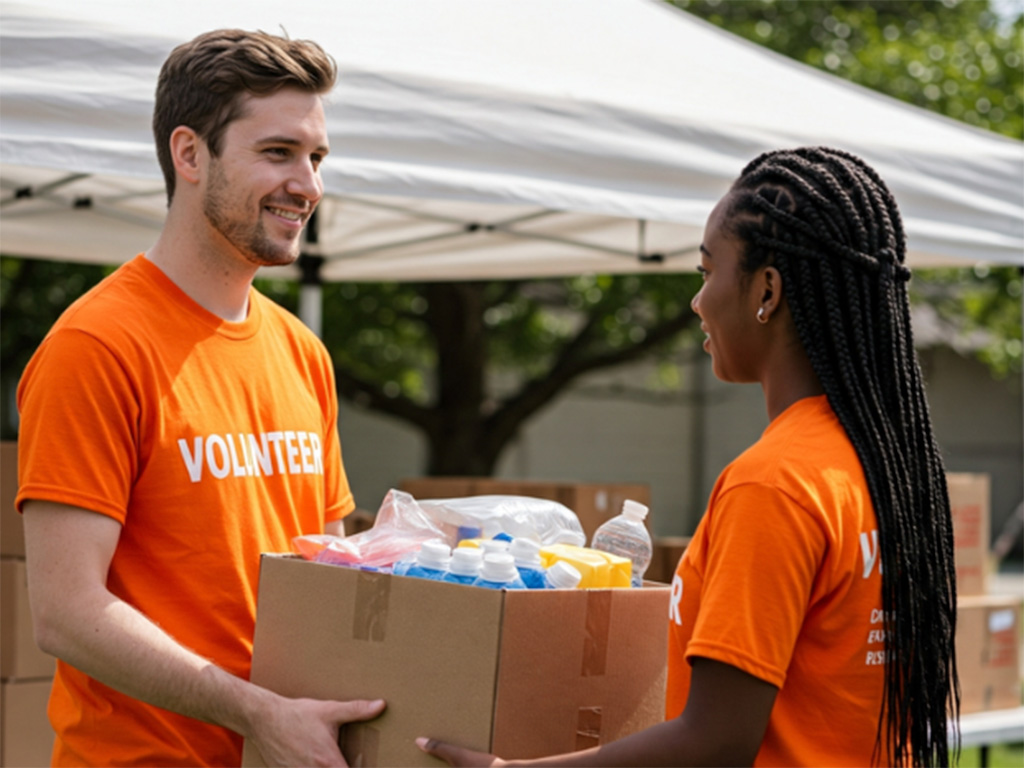
Connection to groups and communities is the sense of belonging and shared identity we feel when we’re part of a collective, whether it’s a neighborhood, workplace, faith community, team or cause.
These connections arise not just from shared goals, but from shared values, mutual influence, and emotional resonance. Group connection is more than socializing; it’s the felt experience of being part of something bigger than oneself.
CONNECTION TO CONCEPTS
Connection to concepts refers to the deep, personal resonance we feel with abstract ideas such as justice, love, freedom, loyalty, resilience, faith, beauty and authority.
These are not tangible things, but they shape how we see the world and orient our lives. When we connect to a concept, it becomes more than an idea; it becomes a source of direction, motivation, and identity. It grounds our sense of purpose and helps us make meaning of our experiences.

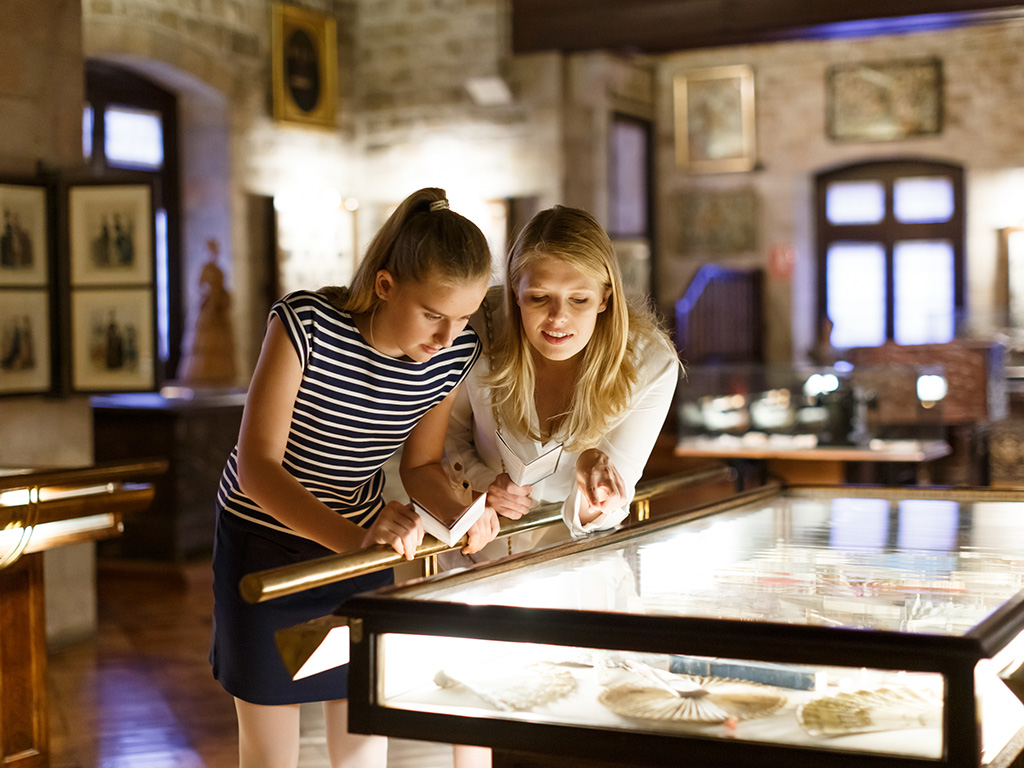
CONNECTION TO ARTS AND CULTURE
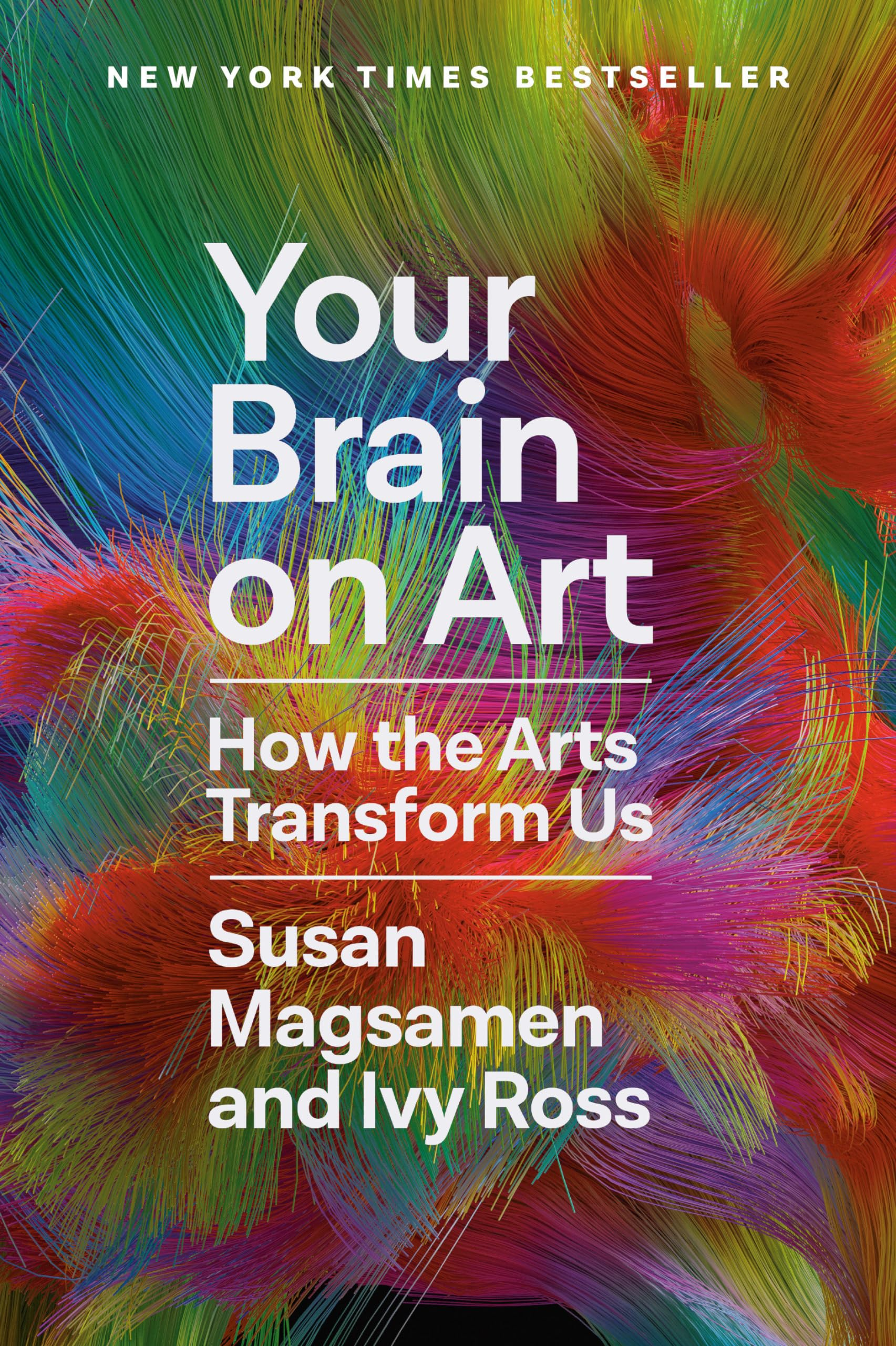
Connection to arts and culture is the experience of engaging with creative expression in ways that evoke emotion, spark reflection, and affirm our shared humanity. These forms of expression include music, dance, theater, literature, film, visual art and cultural rituals.
These experiences can be deeply personal or profoundly communal. Whether you’re moved by a painting, swept up in a song, or part of a cultural tradition passed through generations, connecting to art and culture offers a sense of resonance that goes beyond words.
CONNECTION TO PLACES
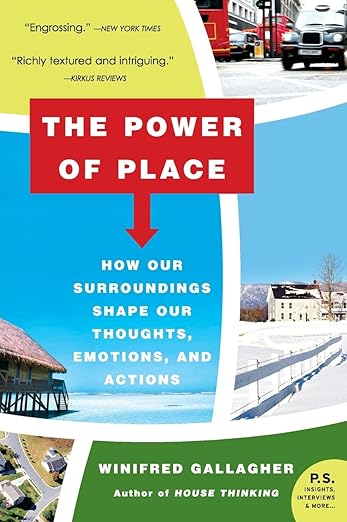
Connection to places is the emotional, psychological, and often spiritual bond we form with physical locations. It can emerge from childhood memories, transformative experiences, or simply repeated presence in a space that feels meaningful.
These connections are not just about geography—they are about identity, history, and a sense of belonging. A neighborhood, mountaintop, school hallway, or park bench can hold deep personal significance, becoming part of the story we tell about who we are, where we come from, and where we’re going.


CONNECTION TO OBJECTS
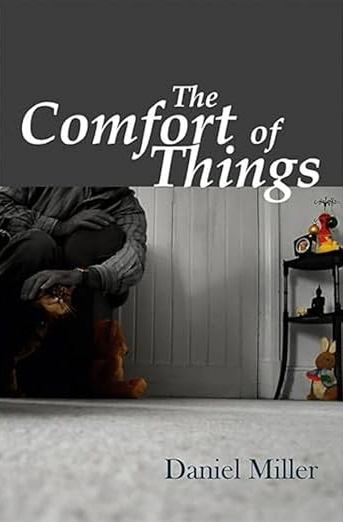
Connection to objects is the emotional and symbolic meaning we assign to the physical things in our lives. Objects, such as heirlooms, artworks, keepsakes, or tools, can:
evoke powerful memories
represent aspects of our identity
serve as links to people, places, and moments we value
This form of connection isn’t about materialism; it’s about the deep personal significance embedded in the objects we choose to keep close.