
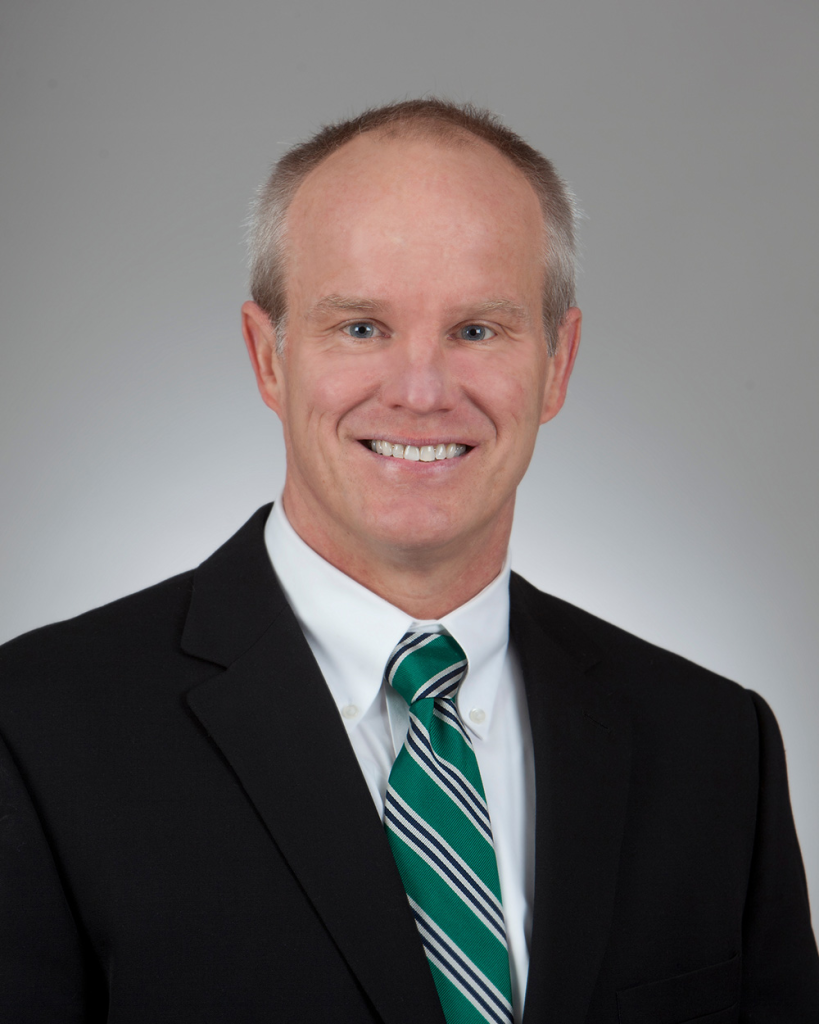
President of Binghamton University
Since starting as Binghamton University president on Jan. 1, 2012, Harvey Stenger has led an era of growth and transformation that has established the University’s reputation as one of the top public institutions in the Northeast. With significant growth in its student population, its number of faculty and staff, research expenditures, fundraising and capital renovation and construction, Stenger has guided and shaped the University into being a bigger and better Binghamton.
Stenger launched the Road Map to Premier strategic plan in 2013, which focuses on improving the University’s efforts in six key areas: creative activities, learning community, inclusive campus, engagement, strategic investments and internationalization.
Overall student enrollment increased from 14,746 to 18,800 between 2011 and 2024, a rise of 27%. Binghamton saw a 44% jump in its graduate enrollment during that time, going from 2,885 students in 2011 to 4,147 in 2023. By investing in recruiting efforts, the University has been able to maintain a constant undergraduate selectivity rate of approximately 39% since 2011.
To meet the demands necessitated by having more students, Stenger led a substantial growth of Binghamton’s faculty and staff ranks. Since 2012, the number of full-time faculty is up 63.3% to 1,195. Professional and classified staff have grown by 65% over that same period. The growth in faculty and staff has allowed the University to expand several key programs, including First-Year Research Immersion (FRI) and the Scholars Program, both of which inspire and challenge students of exceptional merit. Binghamton’s Division of Student Affairs has also expanded to best serve students and the mental, physical and emotional well-being outside the classroom. As a result, the University has attracted top-quality students and improved in national rankings.
Forbes named Binghamton to its list of the top 10 “New Public Ivies” in 2024. Binghamton moved up 10 spots to No. 73 in the U.S. News and World Report rankings of national universities and the Wall Street Journal placed Binghamton at No. 82 on its list of best colleges overall, making it the top-ranked SUNY campus.
Stenger has pushed Binghamton’s faculty to take a leading role in research. Since 2012, research expenditures have risen by 59% and are expected to reach $71.9 million by 2025.
The University’s Division of Advancement rose to Stenger’s challenge of raising funds to support a wide variety of initiatives. From 2011 to 2024, annual philanthropic contributions have grown 4.5 times to $21.5 million and the University’s endowment has increased from $55 million to $203 million. Development revenues have supplied $217 million in direct spending since 2012. EXCELERATE: Moving at the Speed of Binghamton, a comprehensive campaign launched in 2022, raised more than $250 million. That amount is more than double what the University raised during its previous campaign and 35% of gifts went to the endowment.
A commitment to student success is a major part of Stenger’s plan for ensuring students excelled in the classroom, adjusted to college life and were prepared to thrive after graduation. Binghamton’s first-year retention rate regularly exceeded 90% and its six-year graduation rate of 84% is the highest among SUNY’s University Centers and far exceeds the national average of 63.5% for public universities.
The University’s role in the greater Binghamton and Southern Tier community expanded under Stenger’s lead. It is the second-largest employer in Broome County and has a $1.4 billion impact in the region with an annual budget of $600 million. Stenger’s connections with local, state and federal officials allowed the University to expand its footprint in Johnson City and downtown Binghamton and to further revitalize the area’s economy through projects such as New Energy New York.
Stenger earned a bachelor’s degree in chemical engineering from Cornell University in 1979 and a doctorate in the same discipline from the Massachusetts Institute of Technology in 1983. From 1984 to 2006, he was a professor in Lehigh University’s College of Engineering and Applied Science and also served as dean, co-chair of the Department of Chemical Engineering and director of the Environmental Studies Center. Prior to his arrival at Binghamton, Stenger was dean of the School of Engineering and Applied Sciences at the University at Buffalo and later served as interim provost.